Acure Radically Rejuvenating Whipped Night Cream Versus Acure Incredibly Clear Mattifying Moisturizer
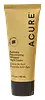
This anti-aging night moisturizer is formulated around Sclerocarya Birrea Seed Oil and Palmitoyl Tripeptide-1 to soften the look of wrinkles and hydrate skin.
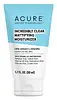
This calming moisturizer is formulated around Aloe Barbadensis Leaf Juice and Argania Spinosa Kernel Oil to calm redness and balance excess oil.

What's inside
What's inside
 Key Ingredients
Benefits
Concerns
Ingredients Side-by-side
Water
Skin ConditioningGlycerin
Humectant


Cetearyl Alcohol
Emollient






Cetearyl Olivate
Sclerocarya Birrea Seed Oil
Humectant
Coconut Alkanes
Emollient
Sorbitan Olivate
Emulsifying
Ascorbyl Glucoside
Antioxidant



Palmitoyl Tripeptide-1
Skin Conditioning

Palmitoyl Tetrapeptide-7
Skin Conditioning
Sh-Polypeptide-1
Skin Conditioning
Sh-Polypeptide-9
Skin Conditioning
Sh-Polypeptide-11
Sh-Oligopeptide-1
Skin Conditioning
Sh-Oligopeptide-2
Skin Conditioning
Acetyl Glutamine
Skin ConditioningCopper Palmitoyl Heptapeptide-14
Skin Conditioning
Heptapeptide-15 Palmitate
Skin Conditioning
Pseudoalteromonas Ferment Extract
Humectant
Ferulic Acid
Antimicrobial
Nymphaea Odorata Root Extract
RefreshingSymphytum Officinale Root Cell Extract
Skin ConditioningSodium PCA
Humectant
Salicylic Acid
Masking






Sodium Hyaluronate
Humectant
Lecithin
Emollient
Isomalt
HumectantLinoleic Acid
Cleansing
Linolenic Acid
Cleansing

Sodium Anisate
AntimicrobialXanthan Gum
EmulsifyingBacillus/Folic Acid Ferment Filtrate Extract
Antioxidant
Sodium Levulinate
Skin ConditioningCaprylyl Glycol
Emollient
Coco-Caprylate/Caprate
Emollient
Glyceryl Caprylate
EmollientLactic Acid/Glycolic Acid Copolymer
Skin ConditioningSorbitan Isostearate
Emulsifying
Carbomer
Emulsion StabilisingPolysorbate 20
Emulsifying
Butylene Glycol
Humectant
Propanediol
Solvent
1,2-Hexanediol
Skin Conditioning
Polyvinyl Alcohol
Citric Acid
Buffering
Water, Glycerin, Cetearyl Alcohol, Cetearyl Olivate, Sclerocarya Birrea Seed Oil, Coconut Alkanes, Sorbitan Olivate, Ascorbyl Glucoside, Palmitoyl Tripeptide-1, Palmitoyl Tetrapeptide-7, Sh-Polypeptide-1, Sh-Polypeptide-9, Sh-Polypeptide-11, Sh-Oligopeptide-1, Sh-Oligopeptide-2, Acetyl Glutamine, Copper Palmitoyl Heptapeptide-14, Heptapeptide-15 Palmitate, Pseudoalteromonas Ferment Extract, Ferulic Acid, Nymphaea Odorata Root Extract, Symphytum Officinale Root Cell Extract, Sodium PCA, Salicylic Acid, Sodium Hyaluronate, Lecithin, Isomalt, Linoleic Acid, Linolenic Acid, Sodium Anisate, Xanthan Gum, Bacillus/Folic Acid Ferment Filtrate Extract, Sodium Levulinate, Caprylyl Glycol, Coco-Caprylate/Caprate, Glyceryl Caprylate, Lactic Acid/Glycolic Acid Copolymer, Sorbitan Isostearate, Carbomer, Polysorbate 20, Butylene Glycol, Propanediol, 1,2-Hexanediol, Polyvinyl Alcohol, Citric Acid
Water
Skin ConditioningAloe Barbadensis Leaf Juice
Skin Conditioning
Glyceryl Stearate Citrate
Emollient
Cetearyl Alcohol
Emollient
Glyceryl Caprylate
EmollientHelianthus Annuus Seed Oil
Emollient
Carthamus Tinctorius Seed Oil
Masking
Theobroma Cacao Seed Butter
Emollient
Cocoglycerides
Emollient
Glycerin
Humectant
Sodium Levulinate
Skin ConditioningPotassium Sorbate
Preservative
Glyceryl Laurate
Emollient
Tocopherol
Antioxidant
Olea Europaea Fruit Oil
Masking
Calendula Officinalis Flower Extract
Masking
Tocopheryl Acetate
Antioxidant
Oenothera Biennis Oil
Emollient
Ubiquinone
Antioxidant
Argania Spinosa Kernel Oil
Emollient
Syringa Vulgaris Meristem Cell Culture
Antioxidant
Marrubium Vulgare Meristem Cell Culture
Skin ProtectingEchinacea Angustifolia Meristem Cell Culture
Skin ConditioningChlorella Pyrenoidosa Extract
Skin ConditioningEuterpe Oleracea Fruit Extract
Rubus Fruticosus Fruit Extract
AstringentPunica Granatum Extract
AstringentRosa Canina Fruit Extract
Astringent
Chamomilla Recutita Flower Extract
Masking
Aspalathus Linearis Leaf Extract
Skin ConditioningWater, Aloe Barbadensis Leaf Juice, Glyceryl Stearate Citrate, Cetearyl Alcohol, Glyceryl Caprylate, Helianthus Annuus Seed Oil, Carthamus Tinctorius Seed Oil, Theobroma Cacao Seed Butter, Cocoglycerides, Glycerin, Sodium Levulinate, Potassium Sorbate, Glyceryl Laurate, Tocopherol, Olea Europaea Fruit Oil, Calendula Officinalis Flower Extract, Tocopheryl Acetate, Oenothera Biennis Oil, Ubiquinone, Argania Spinosa Kernel Oil, Syringa Vulgaris Meristem Cell Culture, Marrubium Vulgare Meristem Cell Culture, Echinacea Angustifolia Meristem Cell Culture, Chlorella Pyrenoidosa Extract, Euterpe Oleracea Fruit Extract, Rubus Fruticosus Fruit Extract, Punica Granatum Extract, Rosa Canina Fruit Extract, Chamomilla Recutita Flower Extract, Aspalathus Linearis Leaf Extract
Reviews
Ingredients Explained
These ingredients are found in both products.
Ingredients higher up in an ingredient list are typically present in a larger amount.
Cetearyl alcohol is a waxy mixture of two fatty alcohols: cetyl alcohol and stearyl alcohol. It is an emollient and emulsifier.
Despite having "alcohol" in its name, it has nothing to do with drying solvent alcohols; the FDA also allows "alcohol-free" products to contain fatty alcohols like this ingredient.
It plays several roles in a formula:
Typical use levels for this ingredient sit around 1-10% and the Cosmetic Ingredient Review Expert Panel has affirmed safety at concentrations up to 25% in leave-on products.
Multiple assessments have found it to be non-irritating and non-sensitizing to most people.
However, there have been some cases of allergic contact dermatitis in patients with chronically compromised skin barriers.
Cetearyl alcohol has a comedogenic rating of 2 and irritancy rating of 1. Both of these numbers come from the 1989 study that used rabbit ears; a "2" means mildly comedogenic and a "1" means low irritancy.
Here's the catch: rabbit skin is more sensitive than human skin and throws a lot of false positives. A 1996 reappraisal found that ingredients rated 1-2 in the rabbit ear tests are generally safe for humans.
Remember comedogenic ratings are unable to assess the entire formula of a product or how it will react on your skin. Just be sure to patch test if you are unsure about certain ingredients.
This ingredient is not fungal acne safe. Cetearyl alcohol is a fatty alcohol with chain lengths that fall within the range that Malassezia can metabolize.
A 2019 study has also observed Malassezia growth in the presence of this ingredient, confirming it to be not-fungal acne safe.
Learn more about Cetearyl AlcoholGlycerin (or glycerol) is a compound naturally found in your skin. It's a powerhouse humectant that pulls water into the stratum corneum.
Topically, glycerin does several things at once:
Your skin makes glycerin on its own (mostly from sebaceous oil breakdown) and shuttles it to your outermost layer of skin, or your epidermis, via aquaporin-3.
Aquaporin-3 is a transporter that is essential for normal skin hydration, elasticity, and repair. Interestingly, mice lacking in AQP3 have dry and less elastic skin that can be fully corrected with glycerin.
This ingredient is non-irritating, plays well with almost every ingredient, and works across all skin types. Typical use is anywhere between 3-10% but can go up to 79% in some leave-on products.
Just know very high concentrations (>40%) can feel tacky in low humidity.
Glycerin is the name for this ingredient in American English. British English uses Glycerol/Glycerine.
Learn more about GlycerinGlyceryl Caprylate comes from glycerin and caprylic acid. It is an emollient, co-emulsifier, and preservative booster.
Its short C8 fatty acid chain makes it behave differently from its longer-chain emollient cousins like Glyceryl Stearate. It feels more lightweight, fast-absorbing, and silky instead of rich and waxy.
As a co-emulsifier, its "head" and "tail" sit at the oil-water interface. But overall, the short C8 tail and not being water soluble means it doesn't really have the muscle to emulsify a formula on its own. That's why you'll often see it paired with a primary emulsifier like Cetearyl Glucoside.
Interestingly, Glyceryl Caprylate acts as a preservative booster. This is because its fatty-acid backbone disrupts microbial lipid membranes. It shows excellent activity against bacteria and yeast but is weaker against mold.
Typical concentrations range from 0.5-1% and this ingredient is generally non-irritating.
Because this ingredient has a C8 fatty acid chain, it is outside the range that the Malassezia yeast metabolizes (making it fungal acne safe).
Learn more about Glyceryl CaprylateSodium levulinate is the a sodium salt of Levulinic Acid. Oncedissolved in an aqueous solution, the two ingredients become identical. It is usually derived from renewable plant sources like corn starch or sugarcane.
In skincare, it mostly acts as a skin conditioning agent that keeps skin soft and hydrated. It also acts as a preservative booster by inhibiting the growth of mold, yeast, and bacteria.
It's often paired with Sodium Anisate as the two create a broad-spectrum preservative system that is popular in "natural" formulations.
This ingredient is water-soluble.
The CIR Expert Panel for Cosmetic Ingredient Safety has concluded this ingredient to be non-irritated and there are no restrictions for use in EU cosmetics. The FDA also allows this ingredient to be used as a food-grade flavoring agent.
Learn more about Sodium LevulinateWater. It's the most common cosmetic ingredient of all. You'll usually see it at the top of ingredient lists, meaning that it makes up the largest part of the product.
So why is it so popular? Water most often acts as a solvent - this means that it helps dissolve other ingredients into the formulation.
You'll also recognize water as that liquid we all need to stay alive. If you see this, drink a glass of water. Remember to stay hydrated!
Learn more about Water

