

What's inside
What's inside
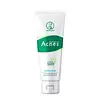 Key Ingredients
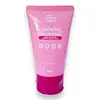
Benefits
Concerns
Ingredients Side-by-side
Water
Skin ConditioningSodium Cocoyl Glycinate
CleansingSodium Lauroyl Isethionate
CleansingCocamidopropyl Betaine
Cleansing

Glycerin
Humectant



Cocamide DEA
EmulsifyingAcrylates Copolymer
Sodium Methyl Cocoyl Taurate
Cleansing
Glycol Distearate
Emollient
Sodium Chloride
Masking

Phenoxyethanol
Preservative
Parfum
Masking
Methylparaben
Preservative

Citric Acid
Buffering



Polyquaternium-7
Sodium Polyphosphate
Disodium EDTA
Ethylhexylglycerin
Skin ConditioningSodium Erythorbate
Antioxidant
CI 77288
Cosmetic ColorantSodium Benzoate
Masking
CI 77492
Cosmetic ColorantCentella Asiatica Leaf Extract
Skin Conditioning


Tocopheryl Acetate
Antioxidant
O-Cymen-5-Ol
Antimicrobial
Magnesium Ascorbyl Phosphate
Antioxidant
Butyl Avocadate
Skin Conditioning
Salicylic Acid
Masking

Asiaticoside
Antioxidant
Madecassic Acid
Skin Conditioning
Asiatic Acid
Skin ConditioningAmylopectin
Dextrin
AbsorbentXanthan Gum
EmulsifyingAlcohol
Antimicrobial


Water, Sodium Cocoyl Glycinate, Sodium Lauroyl Isethionate, Cocamidopropyl Betaine, Glycerin, Cocamide DEA, Acrylates Copolymer, Sodium Methyl Cocoyl Taurate, Glycol Distearate, Sodium Chloride, Phenoxyethanol, Parfum, Methylparaben, Citric Acid, Polyquaternium-7, Sodium Polyphosphate, Disodium EDTA, Ethylhexylglycerin, Sodium Erythorbate, CI 77288, Sodium Benzoate, CI 77492, Centella Asiatica Leaf Extract, Tocopheryl Acetate, O-Cymen-5-Ol, Magnesium Ascorbyl Phosphate, Butyl Avocadate, Salicylic Acid, Asiaticoside, Madecassic Acid, Asiatic Acid, Amylopectin, Dextrin, Xanthan Gum, Alcohol
Niacinamide
Smoothing

Polyacrylamide
C13-14 Isoparaffin
Emollient
Laureth-7
EmulsifyingGlycerin
Humectant
Persea Gratissima Oil
Skin Conditioning
Cyclopentasiloxane
Emollient
Dimethicone Crosspolymer
Emulsion Stabilising
Dimethiconol
Emollient
Saccharide Isomerate
Humectant
Centella Asiatica Leaf Extract
Skin Conditioning
Octyldodecanol
Emollient
Leptospermum Scoparium Branch/Leaf Oil
Tonic
Piper Nigrum Seed Extract
RefreshingMagnolia Officinalis Bark Extract
AntimicrobialPhenoxyethanol
Preservative
Ethylhexylglycerin
Skin ConditioningAcrylates/C10-30 Alkyl Acrylate Crosspolymer
Emulsion StabilisingAlpha-Arbutin
Antioxidant
Butylene Glycol
Humectant
Water
Skin ConditioningCryptomeria Japonica Bud Extract
Skin ConditioningPentylene Glycol
Skin ConditioningPhospholipids
Skin Conditioning
Sphingolipids
Emollient
Ceramide EOP
Skin Conditioning
Triethanolamine
BufferingDisodium EDTA
Niacinamide, Polyacrylamide, C13-14 Isoparaffin, Laureth-7, Glycerin, Persea Gratissima Oil, Cyclopentasiloxane, Dimethicone Crosspolymer, Dimethiconol, Saccharide Isomerate, Centella Asiatica Leaf Extract, Octyldodecanol, Leptospermum Scoparium Branch/Leaf Oil, Piper Nigrum Seed Extract, Magnolia Officinalis Bark Extract, Phenoxyethanol, Ethylhexylglycerin, Acrylates/C10-30 Alkyl Acrylate Crosspolymer, Alpha-Arbutin, Butylene Glycol, Water, Cryptomeria Japonica Bud Extract, Pentylene Glycol, Phospholipids, Sphingolipids, Ceramide EOP, Triethanolamine, Disodium EDTA
Reviews
Ingredients Explained
These ingredients are found in both products.
Ingredients higher up in an ingredient list are typically present in a larger amount.
Centella Asiatica Leaf Extract comes from the leaves of an herb plant native to Southeast Asia. Centella Asiatica is rich in antioxidants and amino acids. It can help reduce irritation and soothe the skin.
Many active components found in centella asiatica, such as Madecassic Acid and Asiaticoside, encourage the skin to naturally produce hyaluronic acid. This helps keep our skin hydrated. Many of these components also show antioxidant activity and may help reduce the signs of aging.
Research shows centella asiatica can help increase Type I collagen production by increasing fibroblast production. Fibroblast helps form connective tissue.
The combination of all these properties makes centella asiatica leaf extract effective at soothing the skin.
Other components of centella asiatica leaf extract include Vitamin A, vitamin C, several B vitamins, and Asiatic Acid.
Recent studies found madecassoside may help prevent damage from UV rays by preventing UV-induced inflammation. Further research is needed.
This plant has been used as a medicine and in food for many centuries. As a medicine, it is used to treat burns, scratches, and wounds.
Learn more about Centella Asiatica Leaf ExtractDisodium EDTA plays a role in making products more stable by aiding other preservatives.
It is a chelating agent, meaning it neutralizes metal ions that may be found in a product.
Disodium EDTA is a salt of edetic acid and is found to be safe in cosmetic ingredients.
Learn more about Disodium EDTAEthylhexylglycerin (we can't pronounce this either) is commonly used as a preservative and skin softener. It is derived from glyceryl.
You might see Ethylhexylglycerin often paired with other preservatives such as phenoxyethanol. Ethylhexylglycerin has been found to increase the effectiveness of these other preservatives.
Glycerin is already naturally found in your skin. It helps moisturize and protect your skin.
A study from 2016 found glycerin to be more effective as a humectant than AHAs and hyaluronic acid.
As a humectant, it helps the skin stay hydrated by pulling moisture to your skin. The low molecular weight of glycerin allows it to pull moisture into the deeper layers of your skin.
Hydrated skin improves your skin barrier; Your skin barrier helps protect against irritants and bacteria.
Glycerin has also been found to have antimicrobial and antiviral properties. Due to these properties, glycerin is often used in wound and burn treatments.
In cosmetics, glycerin is usually derived from plants such as soybean or palm. However, it can also be sourced from animals, such as tallow or animal fat.
This ingredient is organic, colorless, odorless, and non-toxic.
Glycerin is the name for this ingredient in American English. British English uses Glycerol/Glycerine.
Learn more about GlycerinPhenoxyethanol is a preservative that has germicide, antimicrobial, and aromatic properties. Studies show that phenoxyethanol can prevent microbial growth. By itself, it has a scent that is similar to that of a rose.
It's often used in formulations along with Caprylyl Glycol to preserve the shelf life of products.
Water. It's the most common cosmetic ingredient of all. You'll usually see it at the top of ingredient lists, meaning that it makes up the largest part of the product.
So why is it so popular? Water most often acts as a solvent - this means that it helps dissolve other ingredients into the formulation.
You'll also recognize water as that liquid we all need to stay alive. If you see this, drink a glass of water. Stay hydrated!
Learn more about Water
