

What's inside
What's inside
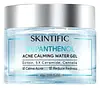 Key Ingredients
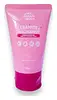
Benefits
Concerns
No concerns
Ingredients Side-by-side
Water
Skin ConditioningPanthenol
Skin Conditioning




Methyl Gluceth-20
Humectant
Dipropylene Glycol
HumectantCentella Asiatica Extract
Cleansing

Calendula Officinalis Extract
Skin Conditioning
Avena Sativa Kernel Extract
Abrasive

Phaeodactylum Tricornutum Extract
HumectantChlorella Vulgaris Extract
Skin ConditioningPentylene Glycol
Skin Conditioning
Acrylates/C10-30 Alkyl Acrylate Crosspolymer
Emulsion StabilisingTromethamine
Buffering1,2-Hexanediol
Skin Conditioning
Ectoin
Skin Conditioning
Ceramide NP
Skin Conditioning
Ceramide As
Skin Conditioning
Ceramide Ns
Skin Conditioning
Ceramide AP
Skin Conditioning
Ceramide EOP
Skin Conditioning
Butylene Glycol
Humectant
Glycerophosphoinositol Choline
Skin ProtectingGlycerin
Humectant
Ammonium Acryloyldimethyltaurate/Vp Copolymer
Hydrogenated Lecithin
Emulsifying
Tocopherol
Antioxidant


Pentasodium Pentetate
Erythritol
Humectant
Propanediol
Solvent
Phytic Acid

Silver Oxide
AntimicrobialDiethoxyethyl Succinate
SolventHydroxyphenyl Propamidobenzoic Acid
Skin ConditioningLecithin
Emollient
Sodium Ascorbate
Antioxidant

Ascorbyl Palmitate
Antioxidant
Water, Panthenol, Methyl Gluceth-20, Dipropylene Glycol, Centella Asiatica Extract, Calendula Officinalis Extract, Avena Sativa Kernel Extract, Phaeodactylum Tricornutum Extract, Chlorella Vulgaris Extract, Pentylene Glycol, Acrylates/C10-30 Alkyl Acrylate Crosspolymer, Tromethamine, 1,2-Hexanediol, Ectoin, Ceramide NP, Ceramide As, Ceramide Ns, Ceramide AP, Ceramide EOP, Butylene Glycol, Glycerophosphoinositol Choline, Glycerin, Ammonium Acryloyldimethyltaurate/Vp Copolymer, Hydrogenated Lecithin, Tocopherol, Pentasodium Pentetate, Erythritol, Propanediol, Phytic Acid, Silver Oxide, Diethoxyethyl Succinate, Hydroxyphenyl Propamidobenzoic Acid, Lecithin, Sodium Ascorbate, Ascorbyl Palmitate
Niacinamide
Smoothing


Polyacrylamide
C13-14 Isoparaffin
Emollient
Laureth-7
EmulsifyingGlycerin
Humectant
Persea Gratissima Oil
Skin Conditioning
Cyclopentasiloxane
Emollient
Dimethicone Crosspolymer
Emulsion Stabilising
Dimethiconol
Emollient
Saccharide Isomerate
Humectant
Centella Asiatica Leaf Extract
Skin Conditioning
Octyldodecanol
Emollient
Leptospermum Scoparium Branch/Leaf Oil
Tonic
Piper Nigrum Seed Extract
RefreshingMagnolia Officinalis Bark Extract
Antimicrobial
Phenoxyethanol
Preservative
Ethylhexylglycerin
Skin ConditioningAcrylates/C10-30 Alkyl Acrylate Crosspolymer
Emulsion StabilisingAlpha-Arbutin
Antioxidant
Butylene Glycol
Humectant
Water
Skin ConditioningCryptomeria Japonica Bud Extract
Skin ConditioningPentylene Glycol
Skin Conditioning
Phospholipids
Skin Conditioning
Sphingolipids
Emollient
Ceramide EOP
Skin Conditioning
Triethanolamine
BufferingDisodium EDTA
Niacinamide, Polyacrylamide, C13-14 Isoparaffin, Laureth-7, Glycerin, Persea Gratissima Oil, Cyclopentasiloxane, Dimethicone Crosspolymer, Dimethiconol, Saccharide Isomerate, Centella Asiatica Leaf Extract, Octyldodecanol, Leptospermum Scoparium Branch/Leaf Oil, Piper Nigrum Seed Extract, Magnolia Officinalis Bark Extract, Phenoxyethanol, Ethylhexylglycerin, Acrylates/C10-30 Alkyl Acrylate Crosspolymer, Alpha-Arbutin, Butylene Glycol, Water, Cryptomeria Japonica Bud Extract, Pentylene Glycol, Phospholipids, Sphingolipids, Ceramide EOP, Triethanolamine, Disodium EDTA
Reviews
Ingredients Explained
These ingredients are found in both products.
Ingredients higher up in an ingredient list are typically present in a larger amount.
Acrylates/C10-30 Alkyl Acrylate Crosspolymer is a synthetic polymer. It is used to thicken, emulsify, and improve the texture of products.
As an emulsifier, it helps stabilize oil-in-water emulsions to give products an elegant feel when applied.
It can also form a thin protective film on skin. One study found that a formula using this polymer helped slow down how quickly other ingredients (like DEET) were absorbed through skin.
A 2024 study of over 1,300 patients confirmed that sensitization to this ingredient is rare. It is also non-mutagenic and has a clean track record.
Learn more about Acrylates/C10-30 Alkyl Acrylate CrosspolymerButylene Glycol (or BG) is used within cosmetic products for a few different reasons:
Overall, Butylene Glycol is a safe and well-rounded ingredient that works well with other ingredients.
Though this ingredient works well with most skin types, some people with sensitive skin may experience a reaction such as allergic rashes, closed comedones, or itchiness.
Learn more about Butylene GlycolCeramide EOP is formally known as Ceramide 1.
It is naturally found in skin and part of the intercellular "mortar" holding everything together in your outermost layer.
EOP stands for a linked Ester fatty acid, a linked Omega hydroxy fatty acid, and the Phytosphingosine base.
What makes Ceramide EOP special is its ultra-long fatty acid chain; this unique structure allows it to bridge the lipid layers in your skin barrier to prevent water loss (something no other ceramide can do).
Low levels of Ceramide EOP have been found in people with eczema and psoriasis.
Using it together with other ceramides, cholesterol, and linoleic acid have been shown to meaningfully improve hydration and reduce water loss.
In one clinical study, a regimen using Ceramide EOP, NP, and AP led to significant symptom improvements in patients with eczema, psoriasis, and dry skin in just 4 weeks.
You'll usually see concentrations between 0.1-0.5% in formulations. Overall, this is a well-tolerated and safe ingredient for cosmetic use.
Learn more about Ceramide EOPGlycerin (or glycerol) is a compound naturally found in your skin. It's a powerhouse humectant that pulls water into the stratum corneum.
Topically, glycerin does several things at once:
Your skin makes glycerin on its own (mostly from sebaceous oil breakdown) and shuttles it to your outermost layer of skin, or your epidermis, via aquaporin-3.
Aquaporin-3 is a transporter that is essential for normal skin hydration, elasticity, and repair. Interestingly, mice lacking in AQP3 have dry and less elastic skin that can be fully corrected with glycerin.
This ingredient is non-irritating, plays well with almost every ingredient, and works across all skin types. Typical use is anywhere between 3-10% but can go up to 79% in some leave-on products.
Just know very high concentrations (>40%) can feel tacky in low humidity.
Glycerin is the name for this ingredient in American English. British English uses Glycerol/Glycerine.
Learn more about GlycerinPentylene glycol is typically used within a product to thicken it. It also adds a smooth, soft, and moisturizing feel to the product. It is naturally found in plants such as sugar beets.
The hydrophilic trait of Pentylene Glycol makes it a humectant. As a humectant, Pentylene Glycol helps draw moisture from the air to your skin. This can help keep your skin hydrated.
This property also makes Pentylene Glycol a great texture enhancer. It can also help thicken or stabilize a product.
Pentylene Glycol also acts as a mild preservative and helps to keep a product microbe-free.
Some people may experience mild eye and skin irritation from Pentylene Glycol. We always recommend speaking with a professional about using this ingredient in your routine.
Pentylene Glycol has a low molecular weight and is part of the 1,2-glycol family.
Learn more about Pentylene GlycolWater. It's the most common cosmetic ingredient of all. You'll usually see it at the top of ingredient lists, meaning that it makes up the largest part of the product.
So why is it so popular? Water most often acts as a solvent - this means that it helps dissolve other ingredients into the formulation.
You'll also recognize water as that liquid we all need to stay alive. If you see this, drink a glass of water. Remember to stay hydrated!
Learn more about Water
