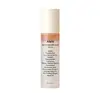
This hydrating serum is formulated around Persea Gratissima Oil and Helianthus Annuus Seed Oil to hydrate skin and brighten dull-looking skin.
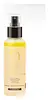
This anti-aging serum is formulated around Tremella Fuciformis Extract and Niacinamide to soften the look of wrinkles and strengthen the skin barrier.

What's inside
What's inside
 Key Ingredients
Benefits
Concerns
Ingredients Side-by-side
Hydrogenated Poly(C6-14 Olefin)
EmollientPersea Gratissima Oil
Skin Conditioning





Helianthus Annuus Seed Oil
Emollient
Eclipta Prostrata Extract
Skin Conditioning
Eclipta Prostrata Leaf Extract
Skin ConditioningCitrus Aurantium Bergamia Fruit Oil
Masking


Limonene
Perfuming
Tocopherol
Antioxidant






Linalool
Perfuming
Moringa Oleifera Seed Oil
Emollient
Melia Azadirachta Leaf Extract
Skin ConditioningMelia Azadirachta Flower Extract
Skin ConditioningCoccinia Indica Fruit Extract
Skin Conditioning
Solanum Melongena Fruit Extract
Skin ConditioningAloe Barbadensis Flower Extract
EmollientSimmondsia Chinensis Seed Oil
Emollient
Ocimum Sanctum Leaf Extract
Skin ConditioningCurcuma Longa Root Extract
Antioxidant
Corallina Officinalis Extract
Skin Conditioning
Glycerin
Humectant
Squalane
Emollient
Bakuchiol
Antimicrobial


Adenosine
Skin Conditioning
Water
Skin ConditioningNiacinamide
Smoothing


Hydrogenated Lecithin
Emulsifying
Sucrose Palmitate
EmollientCeramide NP
Skin Conditioning
Phytosphingosine
Skin Conditioning
Vitis Vinifera Seed Oil
Emollient
Macadamia Integrifolia Seed Oil
Skin Conditioning
Olea Europaea Fruit Oil
Masking
Hydrogenated Poly(C6-14 Olefin), Persea Gratissima Oil, Helianthus Annuus Seed Oil, Eclipta Prostrata Extract, Eclipta Prostrata Leaf Extract, Citrus Aurantium Bergamia Fruit Oil, Limonene, Tocopherol, Linalool, Moringa Oleifera Seed Oil, Melia Azadirachta Leaf Extract, Melia Azadirachta Flower Extract, Coccinia Indica Fruit Extract, Solanum Melongena Fruit Extract, Aloe Barbadensis Flower Extract, Simmondsia Chinensis Seed Oil, Ocimum Sanctum Leaf Extract, Curcuma Longa Root Extract, Corallina Officinalis Extract, Glycerin, Squalane, Bakuchiol, Adenosine, Water, Niacinamide, Hydrogenated Lecithin, Sucrose Palmitate, Ceramide NP, Phytosphingosine, Vitis Vinifera Seed Oil, Macadamia Integrifolia Seed Oil, Olea Europaea Fruit Oil
Hamamelis Virginiana Extract
Antiseborrhoeic
Tremella Fuciformis Extract
Humectant
Butylene Glycol
Humectant
Simmondsia Chinensis Seed Oil
Emollient
Glycerin
Humectant
Niacinamide
Smoothing
Caprylic/Capric Triglyceride
Masking
Sodium Hyaluronate
Humectant
Melaleuca Alternifolia Leaf Extract
Perfuming
Glyceryl Glucoside
Humectant
Panthenol
Skin Conditioning
Portulaca Oleracea Extract
Skin Conditioning
Centella Asiatica Extract
Cleansing
Beta-Glucan
Skin Conditioning
Polyglutamic Acid
Skin Conditioning
Sorbitan Sesquioleate
Emulsifying
Polyglyceryl-10 Laurate
Skin Conditioning
Adenosine
Skin Conditioning
Houttuynia Cordata Extract
Skin Conditioning
Chrysanthellum Indicum Extract
Skin Conditioning
Brassica Oleracea Italica Extract
AstringentAllantoin
Skin Conditioning
Disodium EDTA
ChelatingTripeptide-29
Skin Conditioning
Copper Tripeptide-1
Skin Conditioning
Palmitoyl Tetrapeptide-7
Skin Conditioning
Hexapeptide-9
Skin Conditioning
Nonapeptide-1
Skin Conditioning
Tetrapeptide-44
Skin Conditioning
Lecithin
Emollient
Acetyl Glutamine
Skin ConditioningSh-Oligopeptide-1
Skin Conditioning
Sh-Oligopeptide-2
Skin Conditioning
Sh-Polypeptide-1
Skin Conditioning
Sh-Polypeptide-9
Skin Conditioning
Sh-Polypeptide-11
Bacillus/Folic Acid/Soybean Ferment Extract
Skin ConditioningCaprylyl Glycol
Emollient
1,2-Hexanediol
Skin Conditioning
Acetyl Hexapeptide-8
Humectant
Sodium Ascorbyl Phosphate
Antioxidant
Chlorphenesin
Antimicrobial
Parfum
Masking
Hamamelis Virginiana Extract, Tremella Fuciformis Extract, Butylene Glycol, Simmondsia Chinensis Seed Oil, Glycerin, Niacinamide, Caprylic/Capric Triglyceride, Sodium Hyaluronate, Melaleuca Alternifolia Leaf Extract, Glyceryl Glucoside, Panthenol, Portulaca Oleracea Extract, Centella Asiatica Extract, Beta-Glucan, Polyglutamic Acid, Sorbitan Sesquioleate, Polyglyceryl-10 Laurate, Adenosine, Houttuynia Cordata Extract, Chrysanthellum Indicum Extract, Brassica Oleracea Italica Extract, Allantoin, Disodium EDTA, Tripeptide-29, Copper Tripeptide-1, Palmitoyl Tetrapeptide-7, Hexapeptide-9, Nonapeptide-1, Tetrapeptide-44, Lecithin, Acetyl Glutamine, Sh-Oligopeptide-1, Sh-Oligopeptide-2, Sh-Polypeptide-1, Sh-Polypeptide-9, Sh-Polypeptide-11, Bacillus/Folic Acid/Soybean Ferment Extract, Caprylyl Glycol, 1,2-Hexanediol, Acetyl Hexapeptide-8, Sodium Ascorbyl Phosphate, Chlorphenesin, Parfum
Reviews
Ingredients Explained
These ingredients are found in both products.
Ingredients higher up in an ingredient list are typically present in a larger amount.
Adenosine is a purine nucleoside that your body already makes in every cell. In skincare, it acts mainly as a skin conditioning and anti-aging agent.
The way it works is fairly well mapped out:
Your skin has cells called fibroblasts that build collagen (the stuff that keeps skin firm and smooth). Adenosine basically flips a switch on these cells that tells them to get to work making more collagen and other proteins. These cells slow down on their own as skin ages, so Adenosine helps give them a little nudge to keep going.
The clinical backing is pretty solid too.
A blind, randomized, placebo-controlled trial of 126 women aged 45-65 tested a 0.1% cream twice daily and found real improvements in crow's feet and frown lines using a precise 3D skin-mapping technique; these changes showed up by week 3 and held at 2 months.
A later study using Adenosine-loaded dissolving microneedle patches reported gains in wrinkle depth, dermal density, elasticity, and hydration.
On concentrations, South Korea's Ministry of Food and Drug Safety has set 0.04% as the approved functional anti-wrinkle level. You'll typically see this ingredient used somewhere in the 0.04-0.1% range since it works at low doses.
This ingredient has been found safe for cosmetics with the data showing no irritation or sensitization.
Overall, this is a great ingredient for any anti-aging routine and has no photosensitizing effect, so it suits both AM and PM use.
Learn more about AdenosineGlycerin (or glycerol) is a compound naturally found in your skin. It's a powerhouse humectant that pulls water into the stratum corneum.
Topically, glycerin does several things at once:
Your skin makes glycerin on its own (mostly from sebaceous oil breakdown) and shuttles it to your outermost layer of skin, or your epidermis, via aquaporin-3.
Aquaporin-3 is a transporter that is essential for normal skin hydration, elasticity, and repair. Interestingly, mice lacking in AQP3 have dry and less elastic skin that can be fully corrected with glycerin.
This ingredient is non-irritating, plays well with almost every ingredient, and works across all skin types. Typical use is anywhere between 3-10% but can go up to 79% in some leave-on products.
Just know very high concentrations (>40%) can feel tacky in low humidity.
Glycerin is the name for this ingredient in American English. British English uses Glycerol/Glycerine.
Learn more about GlycerinNiacinamide is a multitasking form of vitamin B3 that strengthens the skin barrier, reduces pores and dark spots, regulates oil, and improves signs of aging.
And the best part? It's gentle and well-tolerated by most skin types, including sensitive and reactive skin.
You might have heard of "niacin flush", or the reddening of skin that causes itchiness. Niacinamide has not been found to cause this.
In very rare cases, some individuals may not be able to tolerate niacinamide at all or experience an allergic reaction to it.
If you are experiencing flaking, irritation, and dryness with this ingredient, be sure to double check all your products as this ingredient can be found in all categories of skincare.
When incorporating niacinamide into your routine, look out for concentration amounts. Typically, 5% niacinamide provides benefits such as fading dark spots. However, if you have sensitive skin, it is better to begin with a smaller concentration.
When you apply niacinamide to your skin, your body converts it into nicotinamide adenine dinucleotide (NAD). NAD is an essential coenzyme that is already found in your cells as "fuel" and powers countless biological processes.
In your skin, NAD helps repair cell damage, produce new healthy cells, support collagen production, strengthen the skin barrier, and fight environmental stressors (like UV and pollution).
Our natural NAD levels start to decline with age, leading to slower skin repair, visible aging, and a weaker skin barrier. By providing your skin niacinamide, you're recharging your skin's NAD levels. This leads to stronger, healthier, and younger looking skin.
Another name for vitamin B3 is nicotinamide. This vitamin is water-soluble and our bodies don't store it. We obtain Vitamin B3 from either food or skincare. Meat, fish, wheat, yeast, and leafy greens contain vitamin B3.
The type of niacinamide used in skincare is synthetically created.
Learn more about NiacinamideJojoba oil is one of the most well-studied plant-derived ingredients in cosmetics. It is an emollient with a special structure.
Because it is made up of 97-98% wax esters, it closely mirrors the linear monoesters found in human sebum. This makes it skin compatible, non-greasy, and lightweight.
Unlike other plant oils, jojoba wax doesn't easily penetrate skin. It mostly works in the uppermost layers as an emollient. This just means it forms a light barrier on the skin to help retain moisture.
Formulations with jojoba esters up to 90% reduced transepidermal water loss (TEWL) and increased barrier recovery by 81% (outperforming bisabolol at 47%).
Besides barrier support, the science also suggests jojoba to have anti-inflammatory effects and potential applications for skin infections, aging, and wound healing.
Fun fact: Indigenous cultures have used jojoba as a moisturizer and to help treat burns for centuries.
Fungal acne: The Malassezia yeast is known to metabolize fatty acids in the C11-24 range and jojoba's dominant fatty acid components fall into this range. This ingredient may not be fungal acne safe.
Learn more about Simmondsia Chinensis Seed Oil

