Judydoll Stay Shine Lipstick
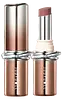
A lipstick with 52 ingredients, including exfoliants, vitamin E, and hyaluronic acid.
Overview
What it is
Lipstick with 52 ingredients that contains exfoliants, hyaluronic acid, peptides and Vitamin E
Cool Features
It is reef safe
Suited For
It has ingredients that are good for anti aging, dry skin, sensitive skin, scar healing and dark spots
Free From
It doesn't contain any harsh alcohols, parabens or sulfates
Fun facts
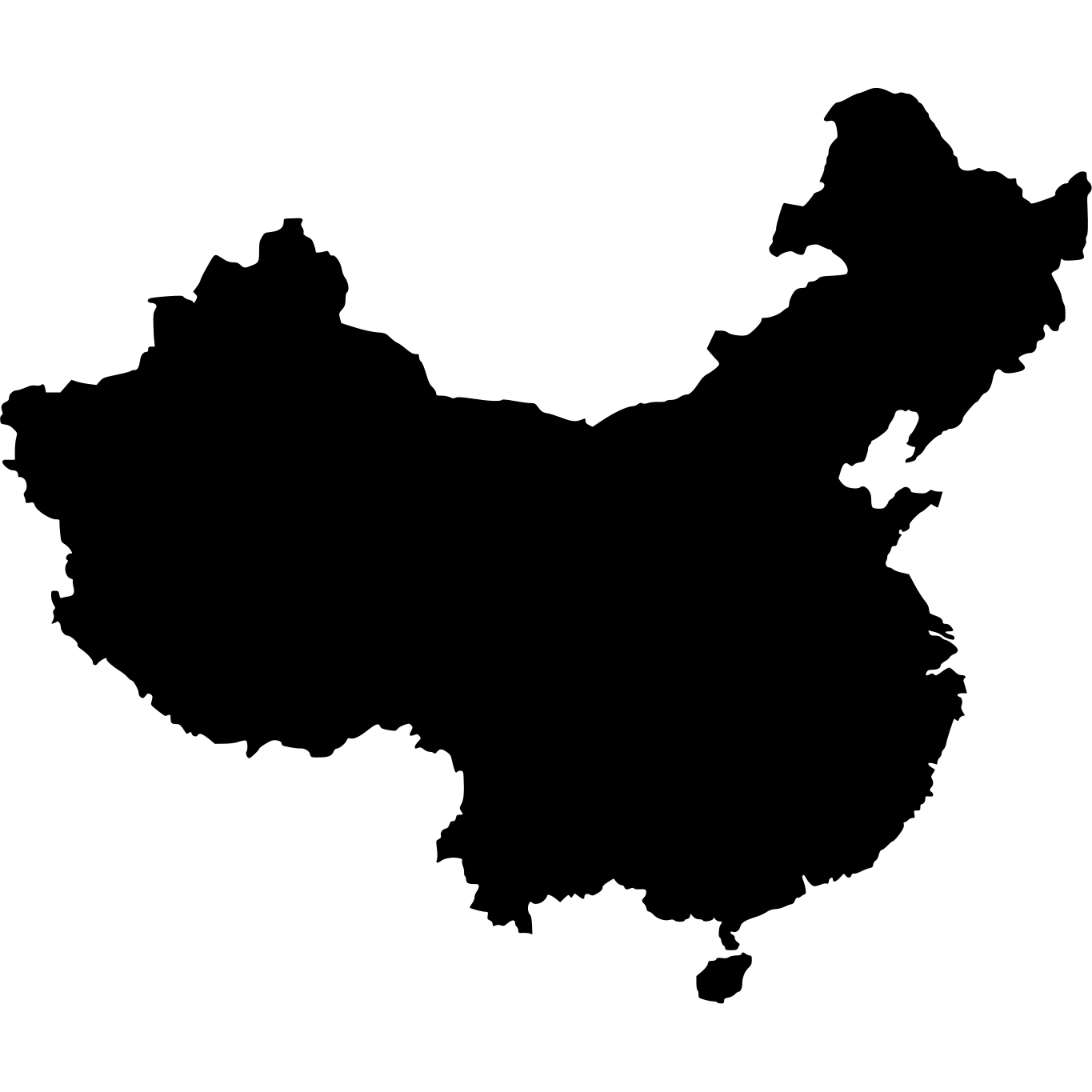
Judydoll is from China.
We independently verify ingredients and our claims are backed by peer-reviewed research. Does this product need an update? Let us know.
What's inside
Ingredients List
Trimethyl Pentaphenyl Trisiloxane
Emollient
Vp/Hexadecene Copolymer
Hydrogenated Polydecene
EmollientHydrogenated Polycyclopentadiene
Polybutene
Hydrogenated Coconut Oil
Emollient




Octyldodecanol
Emollient
Polyethylene
Abrasive
Synthetic Wax
Abrasive
Diphenylethyl Benzyloxy Disiloxane
Skin Conditioning
Diisostearyl Malate
EmollientOryza Sativa Bran Wax
Skin Conditioning
Microcrystalline Wax
Emulsion Stabilising
CI 77891
Cosmetic ColorantPolyglyceryl-2 Triisostearate
Emulsifying
Euphorbia Cerifera Cera
Astringent
Sucrose Tetrastearate Triacetate
Emollient
Hydrogenated Poly(C6-14 Olefin)
EmollientCI 77492
Cosmetic ColorantGlyceryl Caprylate
EmollientOctanediol
CI 15850
Cosmetic ColorantCI 19140
Cosmetic ColorantDextrin Palmitate
Emulsifying
Dimethicone
Emollient
Polyglyceryl-2 Diisostearate
Emulsifying
CI 77499
Cosmetic ColorantCI 77491
Cosmetic ColorantRosa Damascena Flower Oil
Masking

CI 42090
Cosmetic ColorantTocopherol
Antioxidant




BHT
Antioxidant
Caprylic/Capric Triglyceride
Masking
Collagen
Moisturising
Water
Skin ConditioningPentaerythrityl Tetra-Di-T-Butyl Hydroxyhydrocinnamate
Antioxidant
Ricinus Communis Seed Oil
Masking
Ethylhexyl Palmitate
Emollient
Butylene Glycol
Humectant
Mannose
HumectantSodium Hyaluronate
Humectant
Hydrogenated Castor Oil
Emollient
Pentylene Glycol
Skin ConditioningPEG-60 Sorbitan Tetrastearate
EmulsifyingRose Extract
Skin ConditioningMyrothamnus Flabellifolia Leaf/Stem Extract
HumectantGlucose
Humectant
Vinegar
Rosa Hybrid Flower Extract
Skin ConditioningPunica Granatum Fruit Extract
Antioxidant

Sodium Dna
Skin Conditioning
Palmitoyl Tripeptide-1
Skin Conditioning
Trimethyl Pentaphenyl Trisiloxane, Vp/Hexadecene Copolymer, Hydrogenated Polydecene, Hydrogenated Polycyclopentadiene, Polybutene, Hydrogenated Coconut Oil, Octyldodecanol, Polyethylene, Synthetic Wax, Diphenylethyl Benzyloxy Disiloxane, Diisostearyl Malate, Oryza Sativa Bran Wax, Microcrystalline Wax, CI 77891, Polyglyceryl-2 Triisostearate, Euphorbia Cerifera Cera, Sucrose Tetrastearate Triacetate, Hydrogenated Poly(C6-14 Olefin), CI 77492, Glyceryl Caprylate, Octanediol, CI 15850, CI 19140, Dextrin Palmitate, Dimethicone, Polyglyceryl-2 Diisostearate, CI 77499, CI 77491, Rosa Damascena Flower Oil, CI 42090, Tocopherol, BHT, Caprylic/Capric Triglyceride, Collagen, Water, Pentaerythrityl Tetra-Di-T-Butyl Hydroxyhydrocinnamate, Ricinus Communis Seed Oil, Ethylhexyl Palmitate, Butylene Glycol, Mannose, Sodium Hyaluronate, Hydrogenated Castor Oil, Pentylene Glycol, PEG-60 Sorbitan Tetrastearate, Rose Extract, Myrothamnus Flabellifolia Leaf/Stem Extract, Glucose, Vinegar, Rosa Hybrid Flower Extract, Punica Granatum Fruit Extract, Sodium Dna, Palmitoyl Tripeptide-1
Key Ingredients
Benefits
Concerns
Ingredients Explained
Trimethyl Pentaphenyl Trisiloxane is a type of silicone.
VP/Hexadecene Copolymer is a synthetic film-forming agent. It has both water and oil loving properties, allowing it to create a flexible, even film on the skin.
This ingredient helps enhance texture, smoothness, and wear resistance in makeup products while reducing tackiness.
Hydrogenated Polydecene is an emollient. It creates a non-occlusive film on the skin that offers extra protection for your skin barrier.
The texture of Hydrogenated Polydecene ranges from light and silky to rich.
Hydrogenated Polydecene is the end compound of controlled hydrogenation of Polydecene.
Learn more about Hydrogenated PolydeceneWe don't have a description for Hydrogenated Polycyclopentadiene yet.
Polybutene is used to help control the viscosity of a product. This just means it helps adjusts the texture.
It is a polymer and does not get absorbed into the skin due to its large size.
Studies found this ingredient did not irritate skin in concentrations below 15%.
Learn more about PolybuteneHydrogenated coconut oil is an emollient and skin conditioner.
This ingredient is created by using the process of hydrogenation on coconut oil. Hydrogenation is done to prolong the shelf life of products.
Octyldodecanol is a fatty alcohol. It is primarily used to enhance the texture of products.
As an emulsifier, Octyldodecanol helps prevent the oils and waters from separating. It also prevents ingredients from creating foam when shaken.
Octyldodecanol is created by reducing fatty acid to an alcohol.
Due to its high molecular weight, it does not get absorbed into the skin.
Learn more about OctyldodecanolPolyethylene is a synthetic ingredient that helps the skin retain moisture. It is a polymer.
It is also typically used within product formulations to help bind solid ingredients together and thicken oil-based ingredients. When added to balms and emulsions, it helps increase the melting point temperature.
Synthetic Wax is created from fossil fuels such as natural gas. It is used to enhance texture, adjust pH, and as an occlusive.
It may also be used as an abrasive ingredient to exfoliate the skin.
Synthetic Wax may not be fungal acne safe.
Learn more about Synthetic WaxDiphenylethyl Benzyloxy Disiloxane is a type of silicone.
Diisostearyl Malate is an emollient and most often used in lip products. It comes from isostearyl alcohol, a fatty acid, and malic acid, an AHA.
As an emollient, Diisostearyl Malate helps create a thin film on your skin to trap moisture in. This helps keep your skin soft and smooth.
Oryza Sativa Bran Wax is wax from the outer layer of a rice kernel. It has moisturizing properties due to its polysaccharides and omega-3 fatty acids content.
This ingredient is a byproduct of milling rice, or the operation to produce a whole grain rice product.
Microcrystalline Wax is created by de-oiling petroleum. It is highly refined and purified before being added to cosmetics.
Microcrystalline Wax is used to enhance the texture and create even consistency. It helps stabilize a product by preventing ingredients from separating.
Ci 77891 is a white pigment from Titanium dioxide. It is naturally found in minerals such as rutile and ilmenite.
It's main function is to add a white color to cosmetics. It can also be mixed with other colors to create different shades.
Ci 77891 is commonly found in sunscreens due to its ability to block UV rays.
Learn more about CI 77891This ingredient is a form of glycerin with emulsifying and emollient properties.
As an emulsifier, this ingredient helps keep products together while adding a thick texture. The manufacturer states this ingredient has emollient properties. Emollients help keep the skin hydrated by trapping moisture in.
Polyglyceryl-2 Triisostearate is created by reacting diglycerin and isostearic acid. Due to the isostearic acid base, it may not be safe for Malassezia or fungal acne.
Learn more about Polyglyceryl-2 TriisostearateEuphorbia Cerifera Cera is AKA as Candelilla wax. It is a natural emollient and helps give products a thick consistency.
This ingredient may not be Malassezia safe.
This wax comes from a shrub native to Mexico. Since it is a plant derived wax, it is considered vegan.
Learn more about Euphorbia Cerifera CeraSucrose Tetrastearate Triacetate isn't fungal acne safe.
We don't have a description for Hydrogenated Poly(C6-14 Olefin) yet.
Ci 77492 is also hydrated iron III oxide. It's sole purpose is to give a yellow hue to products.
Iron III oxides are classified as inorganic chemicals for coloring.
Synthetically created Ci 77492 is considered safer than those naturally found. This is because the synthetically created version may contain less impurities. Iron oxides are generally non-toxic and non-allergenic.
Learn more about CI 77492Glyceryl Caprylate comes from glycerin and caprylic acid, a fatty acid from coconut. It has emollient and emulsifier properties.
As an emollient, it helps hydrate your skin. Emollients work by creating a barrier on your skin to trap moisture in, helping to keep your skin soft and smooth.
On the other hand, emulsifiers prevent ingredients (such as oil and water) from separating.
Learn more about Glyceryl CaprylateWe don't have a description for Octanediol yet.
Ci 15850 is the pigment color red. It is an azo dye and created synthetically.
Azo dyes need to be thoroughly purified before use. This allows them to be more stable and longer-lasting.
This ingredient is common in foundations, lipsticks, and blushes. This color is described as brown/orangey red.
It has many secondary names such as Red 6 and Red 7. According to a manufacturer, Red 6 usually contains aluminum.
Learn more about CI 15850CI 19140 is also known as Tartrazine. Tartrazine is a synthetic dye used in cosmetics, foods, and medicine to add a yellow color.
Tartrazine is created from petroleum and is water-soluble.
Some people may experience allergies from this dye, especially asthmatics and those with an aspirin intolerance.
Learn more about CI 19140Dextrin Palmitate comes from the palmitic acid ester of Dextrin. It is used as an emulsifier and texture enhancer.
Emulsifiers help keep ingredients together. According to a manufacturer, dextrin palmitate helps create a low-viscosity gel texture.
Due to its fatty acid base, this ingredient is not fungal-acne safe.
Learn more about Dextrin PalmitateDimethicone is a type of synthetic silicone created from natural materials such as quartz.
What it does:
Dimethicone comes in different viscosities:
Depending on the viscosity, dimethicone has different properties.
Ingredients lists don't always show which type is used, so we recommend reaching out to the brand if you have questions about the viscosity.
This ingredient is unlikely to cause irritation because it does not get absorbed into skin. However, people with silicone allergies should be careful about using this ingredient.
Note: Dimethicone may contribute to pilling. This is because it is not oil or water soluble, so pilling may occur when layered with products. When mixed with heavy oils in a formula, the outcome is also quite greasy.
Learn more about DimethiconePolyglyceryl-2 Diisostearate isn't fungal acne safe.
Ci 77499 is also hydrated iron III oxide. It is created from mixing red and black iron oxides. This helps give shades of darkness to a product.
Iron III oxides are classified as inorganic chemicals for coloring.
Ci 77491 is also hydrated iron III oxide. It's sole purpose is to give a red/pink hue to products.
Iron III oxides are classified as inorganic chemicals for coloring.
Synthetically created Ci 77491 is considered safer than those naturally found. This is because the synthetically created version may contain less impurities. Iron oxides are generally non-toxic and non-allergenic.
Learn more about CI 77491Rosa Damascena Flower Oil is an essential oil made from the Damask Rose. It is often used as a fragrance in cosmetics.
Rose Oil has antibacterial and antioxidant properties due to its terpene, glycoside, flavonoid, anthocyanin, and Vitamin C content.
Other major parts of Rose Oil include citronellol and geraniol. Both of these are known EU allergens and cause contact-allergies.
The downsides of this ingredient outweight the positives.
Learn more about Rosa Damascena Flower OilCi 42090 is a synthetic dye created from petroleum. It is used to give a bright blue color to cosmetics, medicine, and food.
Tocopherol (also known as Vitamin E) is a common antioxidant used to help protect the skin from free-radicals and strengthen the skin barrier. It's also fat soluble - this means our skin is great at absorbing it.
Vitamin E also helps keep your natural skin lipids healthy. Your lipid skin barrier naturally consists of lipids, ceramides, and fatty acids. Vitamin E offers extra protection for your skin’s lipid barrier, keeping your skin healthy and nourished.
Another benefit is a bit of UV protection. Vitamin E helps reduce the damage caused by UVB rays. (It should not replace your sunscreen). Combining it with Vitamin C can decrease sunburned cells and hyperpigmentation after UV exposure.
You might have noticed Vitamin E + C often paired together. This is because it is great at stabilizing Vitamin C. Using the two together helps increase the effectiveness of both ingredients.
There are often claims that Vitamin E can reduce/prevent scarring, but these claims haven't been confirmed by scientific research.
Learn more about TocopherolBHT is a synthetic antioxidant and preservative.
As an antioxidant, it helps your body fight off free-radicals. Free-radicals are molecules that may damage your skin cells.
As a preservative, it is used to stabilize products and prevent them from degrading. Specifically, BHT prevents degradation from oxidation.
The concerns related to BHT come from oral studies; this ingredient is currently allowed for use by both the FDA and EU.
However, it was recently restricted for use in the UK as of April 2024.
Learn more about BHTThis ingredient is an emollient, solvent, and texture enhancer. It is considered a skin-softener by helping the skin prevent moisture loss.
It helps thicken a product's formula and makes it easier to spread by dissolving clumping compounds.
Caprylic Triglyceride is made by combining glycerin with coconut oil, forming a clear liquid.
While there is an assumption Caprylic Triglyceride can clog pores due to it being derived from coconut oil, there is no research supporting this.
Learn more about Caprylic/Capric TriglycerideCollagen is the most abundant type of structural protein found in your body. It is an effective skin moisturizer.
There is no conclusive proof that collagen is used by skin when applied topically. However, it is a great humectant that hydrates skin. Hydrated skin is associated with increased elasticity and a decrease in the appearance of wrinkles. It is also essential for maintaining a healthy skin barrier.
Biologically, collagen is responsible for keeping skin firm and youthful. Collagen is comprised mostly of glycine, proline, and hydroxypoline. These are amino acids.
Collagen will not increase sun sensitivity, but you should always wear sunscreen during the day.
Learn more about hydrolyzed collagen here.
Learn more about CollagenWater. It's the most common cosmetic ingredient of all. You'll usually see it at the top of ingredient lists, meaning that it makes up the largest part of the product.
So why is it so popular? Water most often acts as a solvent - this means that it helps dissolve other ingredients into the formulation.
You'll also recognize water as that liquid we all need to stay alive. If you see this, drink a glass of water. Stay hydrated!
Learn more about WaterPentaerythrityl Tetra-Di-T-Butyl Hydroxyhydrocinnamate (long name, huh?) is a synthetic antioxidant.
It is used to help stabilize other antioxidants or prevent the color from changing in a product.
As an antioxidant, it helps fight free-radical molecules. Free-radical molecules are capable of damaging our cells and other genetic material. Thus, antioxidants may reduce the signs of aging.
This ingredient is oil-soluble.
Learn more about Pentaerythrityl Tetra-Di-T-Butyl HydroxyhydrocinnamateRicinus Communis Seed Oil is the INCI name for castor oil.
Castor Oil helps moisturize the skin. It is rich in a fatty acid called ricinoleic acid. This fatty acid helps prevent moisture loss on the skin. This helps keep your skin soft and hydrated. Ricinoleic acid also has anti-inflammatory and pain reducing properties.
Besides hydrating the skin, castor oil is also used to hydrate hair. By keeping the hair shaft moisturized, breakage is decreased. More studies are needed to show castor oil's effective on stimulating hair growth.
Castor oil is created by cold-pressing castor seeds and then purifying the oil with heat. It was used in Ancient Egypt as fuel in lamps and to help treat eye irritation.
The term 'fragrance' is not regulated in many countries. In many cases, it is up to the brand to define this term. For instance, many brands choose to label themselves as "fragrance-free" because they are not using synthetic fragrances. However, their products may still contain ingredients such as essential oils that are considered a fragrance.
Learn more about Ricinus Communis Seed OilEthylhexyl Palmitate, also known as octyl palmitate, is created from 2-ethylhexyl alcohol and palmitic acid. It is a fatty acid ester.
The fatty acid content of Ethylhexyl Palmitate makes it an emollient. Emollients help soften and hydrate your skin by trapping moisture within.
Ethylhexyl Palmitate is also used to help improve the texture of cosmetics. It helps other ingredient dissolve in products and help disperse ingredients more evenly.
You'll likely find this ingredient in sunscreen, as it is often used to mix UV-blocking ingredients such as avobenzone and ethylhexyl triazone.
It can also help stabilize the fragrances in a product as a fragrance fixative.
Ethylhexyl Palmitate can be used to substitute mineral oil.
Due to its high fatty acid content, it may not be fungal-acne safe.
Learn more about Ethylhexyl PalmitateButylene Glycol (or BG) is used within cosmetic products for a few different reasons:
Overall, Butylene Glycol is a safe and well-rounded ingredient that works well with other ingredients.
Though this ingredient works well with most skin types, some people with sensitive skin may experience a reaction such as allergic rashes, closed comedones, or itchiness.
Learn more about Butylene GlycolWe don't have a description for Mannose yet.
Sodium Hyaluronate is hyaluronic acid's salt form. It is commonly derived from the sodium salt of hyaluronic acid.
Like hyaluronic acid, it is great at holding water and acts as a humectant. This makes it a great skin hydrating ingredient.
Sodium Hyaluronate is naturally occurring in our bodies and is mostly found in eye fluid and joints.
These are some other common types of Hyaluronic Acid:
Learn more about Sodium HyaluronateHydrogenated Castor Oil is created by adding hydrogen to castor oil. This helps stabilize the castor oil and raises the melting point. At room temperature, hydrogenated castor oil is solid.
Castor Oil helps moisturize the skin. It is rich in a fatty acid called ricinoleic acid. This fatty acid helps prevent moisture loss on the skin. This helps keep your skin soft and hydrated. Ricinoleic acid also has anti-inflammatory and pain reducing properties.
As a wax-like substance, Hydrogenated Castor Oil acts as an emollient. Emollients help keep your skin stay soft and smooth by creating a barrier. This barrier helps trap moisture.
Hydrogenated Castor Oil may not be fungal-acne safe. We recommend speaking with a professional.
Learn more about Hydrogenated Castor OilPentylene glycol is typically used within a product to thicken it. It also adds a smooth, soft, and moisturizing feel to the product. It is naturally found in plants such as sugar beets.
The hydrophilic trait of Pentylene Glycol makes it a humectant. As a humectant, Pentylene Glycol helps draw moisture from the air to your skin. This can help keep your skin hydrated.
This property also makes Pentylene Glycol a great texture enhancer. It can also help thicken or stabilize a product.
Pentylene Glycol also acts as a mild preservative and helps to keep a product microbe-free.
Some people may experience mild eye and skin irritation from Pentylene Glycol. We always recommend speaking with a professional about using this ingredient in your routine.
Pentylene Glycol has a low molecular weight and is part of the 1,2-glycol family.
Learn more about Pentylene GlycolWe don't have a description for PEG-60 Sorbitan Tetrastearate yet.
This ingredient comes from multiple species of rose.
According to a manufacturer, this ingredient contains vitamins A, C, E, and flavonoids, giving it antioxidant properties.
We don't have a description for Myrothamnus Flabellifolia Leaf/Stem Extract yet.
Glucose is a simple sugar and is the most important source of energy in all organisms.
In skincare, glucose is used to hydrate the skin. It also acts as a prebiotic for our natural biome.
Glucose is hydrating due to its humectant property. As a humectant, glucose draws moisture from the air and from deeper levels in the skin.
Our skin contains many sugars that act as prebiotics and help strengthen our natural microbiome. Having a healthy microbiome helps protect our skin from harmful bacteria and other contaminants.
Studies show glucose may help with fading discoloration and pigmentation. This is because our skin metabolizes glucose into lactic acid. Lactic acid is an AHA that helps exfoliate the top layer of skin.
Learn more about GlucoseIn cosmetics, vinegar is often used to help adjust the pH of a product. It is also a light exfoliant. The pH of your skin is important to maintain a healthy skin barrier.
Vinegar is created by the process of double-fermentation. It is an aqueous solution consisting mostly of water and acetic acid. Typically, vinegar contains anywhere from 5-8% acetic acid.
Other components include small amounts of contains small amounts of tartaric acid and citric acid. Depending on what is used to ferment the vinegar, it can have traces of flavoring as well.
Learn more about VinegarWe don't have a description for Rosa Hybrid Flower Extract yet.
You might know this ingredient as pomegranate fruit. It has been shown to have antioxidant, skin soothing and anti-aging benefits.
Pomegranates are rich in antioxidant compounds such as polyphenolic compounds such as ellagic acid, phenolic acids, anthocyanins, and flavonoids.
Both in-vivo and in-vitro studies show pomegranate fruit helps with:
These benefits offer skin anti-aging and skin soothing benefits.
Fun fact: The name pomegranate comes from two latin words: "pome" or apple, and "granate" or "many seeded".
Pomegranate flower extract is often confused for pomegranate fruit extract, but comes from the flowers of the tree.
Learn more about Punica Granatum Fruit ExtractSodium DNA is an emerging anti-aging ingredient.
It is created by taking deoxyribonucleic acid (DNA) and purifying it with sodium hydroxide.
The DNA is extracted from several different animal sources, including: calf thymus, the gonadic tissue of a male sturgeon, or herring / salmon sperm.
You have probably seen this ingredient in anti-aging skincare. But what is it?
DNA is composed of nucleotides, or chemical building blocks. Nucleotides include adenine (A), thymine (T), guanine (G), and cytosine (C). Talk about a flashback to biology! Nucleosides are formed from these nucleotides.
The science behind Sodium DNA is based on an ingredient called Polydeoxyribonucleotide or PDRN.
PDRN are DNA fragments mainly extracted from the sperm cells of trout or salmon. Meaning, PDRN can be derived from Sodium DNA.
PDRN consists of chains of nucleotides and nucleosides mentioned above. They can range anywhere from 80 - 2000 pairs.
Studies show PDRN has the following properties:
Most of the research on PDRN has been done using injectable forms. That’s important, because PDRN is a large molecule and doesn’t absorb well through the skin. So if you’re applying it topically, the effects are likely to be much milder.
Still, topical Sodium DNA is emerging as a trendy anti-aging ingredient. It’s generally well-tolerated and offers good biocompatibility with human skin, making it a low-risk addition to most routines.
Further studies are needed to truly confirm this ingredients anti-aging ability (Remember, retinol has decades of research!).
When using this ingredient, is is best to ask a brand about the source of their Sodium DNA. You'll want to find products where the Sodium DNA is sourced from fish. Some Sodium DNA is derived from calf / cow thymus.
Needless to say, this ingredient is not vegan.
Learn more about Sodium DnaPalmitoyl Tripeptide-1 is also known as pal-GHK. It is made up of 3 amino acids and palmitic acid, a fatty acid that helps it absorb into skin more easily.
This peptide is as a signal peptide, meaning it tells the skin to produce more collagen. Collagen is the key protein that helps form the skin's structure and keep it plump, firm, and hydrated.
By boosting collagen production, this ingredient supports a stronger skin barrier and helps reduce the appearance of wrinkles.
You'll most likely see this ingredient paired with Palmitoyl Tetrapeptide-7 in the well-known Matrixyl 3000 complex. While results from in-house testing should be viewed cautiously, this peptide duo is among the most studied and widely used in modern skincare.
Due to its palmitic acid base, this ingredient may not be safe for Malassezia folliculitis.
Read more about other common types of peptides here:
Learn more about Palmitoyl Tripeptide-1Reviews
No written reviews yet. Be the first to review this product.
Where it's from
Judydoll is a Chinese brand

We're dedicated to providing you with the most up-to-date and science-backed ingredient info out there.
The data we've presented on this page has been verified by a member of the SkinSort Team.
Read more about us· Updated December 8, 2025 • Added by anemone

