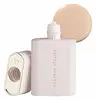
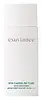
Westman Atelier Vital Skincare Complexion Drops Versus Exuviance Skin Caring BB Fluid with Sunscreen Broad Spectrum SPF 50 PA++++
This hybrid sunscreen covers the full UV range and blocks ~98% of UVB at SPF 50.

What's inside
What's inside
 Key Ingredients
Benefits
Concerns
Ingredients Side-by-side
Squalane
Emollient


Water
Skin ConditioningPersea Gratissima Oil
Skin Conditioning




Punica Granatum Seed Oil
Emollient
Mica
Cosmetic ColorantPentylene Glycol
Skin Conditioning
Camellia Japonica Seed Oil
Emollient
Polyglyceryl-3 Polyricinoleate
Emulsifying
Sorbitan Isostearate
Emulsifying
Propanediol
Solvent
Helianthus Annuus Seed Oil
Emollient
Panax Ginseng Root Extract
Emollient

Zingiber Officinale Root Extract
Masking
Oryza Sativa Extract
Absorbent
Oryza Sativa Germ Extract
EmollientBisabolol
Antioxidant
Disteardimonium Hectorite
StabilisingGlycine Soja Oil
Emollient
Gossypium Hirsutum Seed Oil
Skin Conditioning
Prunus Amygdalus Dulcis Oil
Skin Conditioning
Triticum Vulgare Germ Oil
Emollient
Zea Mays Germ Oil
Emollient
4-T-Butylcyclohexanol
Masking

Glyceryl Caprylate/Caprate
EmollientAluminum Hydroxide
EmollientPolyglyceryl-3 Diisostearate
Emulsifying
Dimer Dilinoleyl Dimer Dilinoleate
EmollientTin Oxide
Abrasive
Sodium Lauroyl Glutamate
SurfactantLysine
Skin ConditioningMagnesium Chloride
Tocopherol
Antioxidant

CI 77891
Cosmetic ColorantIron Oxides
CI 77491
Cosmetic ColorantCI 77492
Cosmetic ColorantCI 77499
Cosmetic ColorantSqualane, Water, Persea Gratissima Oil, Punica Granatum Seed Oil, Mica, Pentylene Glycol, Camellia Japonica Seed Oil, Polyglyceryl-3 Polyricinoleate, Sorbitan Isostearate, Propanediol, Helianthus Annuus Seed Oil, Panax Ginseng Root Extract, Zingiber Officinale Root Extract, Oryza Sativa Extract, Oryza Sativa Germ Extract, Bisabolol, Disteardimonium Hectorite, Glycine Soja Oil, Gossypium Hirsutum Seed Oil, Prunus Amygdalus Dulcis Oil, Triticum Vulgare Germ Oil, Zea Mays Germ Oil, 4-T-Butylcyclohexanol, Glyceryl Caprylate/Caprate, Aluminum Hydroxide, Polyglyceryl-3 Diisostearate, Dimer Dilinoleyl Dimer Dilinoleate, Tin Oxide, Sodium Lauroyl Glutamate, Lysine, Magnesium Chloride, Tocopherol, CI 77891, Iron Oxides, CI 77491, CI 77492, CI 77499
Titanium Dioxide 7%
Cosmetic Colorant

Zinc Oxide 6%
Cosmetic Colorant
Water
Skin ConditioningDimethicone
Emollient
Isododecane
EmollientC12-15 Alkyl Benzoate
AntimicrobialHydrogenated Polydecene
EmollientButyloctyl Salicylate
Skin Conditioning
Gluconolactone
Chelating



Styrene/Acrylates Copolymer
Alumina
Abrasive
Ammonium Hydroxide
BufferingLactobionic Acid
Buffering
PEG-9 Polydimethylsiloxyethyl Dimethicone
Emulsifying
Phenethyl Benzoate
Emollient
Nylon-12
Tocopheryl Acetate
Antioxidant
Epigallocatechin Gallate
Antioxidant
Polyhydroxystearic Acid
Emulsifying
Ethylhexylglycerin
Skin ConditioningTocopherol
Antioxidant
Dimethicone/PEG-10/15 Crosspolymer
Hydrogen Dimethicone
Isohexadecane
EmollientSodium Citrate
BufferingDisteardimonium Hectorite
StabilisingMagnesium Sulfate
Dipropylene Glycol
HumectantPropylene Carbonate
SolventSodium Bisulfite
Antioxidant
Triethoxycaprylylsilane
Phenoxyethanol
Preservative
CI 77492
Cosmetic ColorantCI 77491
Cosmetic ColorantCI 77499
Cosmetic ColorantTitanium Dioxide 7%, Zinc Oxide 6%, Water, Dimethicone, Isododecane, C12-15 Alkyl Benzoate, Hydrogenated Polydecene, Butyloctyl Salicylate, Gluconolactone, Styrene/Acrylates Copolymer, Alumina, Ammonium Hydroxide, Lactobionic Acid, PEG-9 Polydimethylsiloxyethyl Dimethicone, Phenethyl Benzoate, Nylon-12, Tocopheryl Acetate, Epigallocatechin Gallate, Polyhydroxystearic Acid, Ethylhexylglycerin, Tocopherol, Dimethicone/PEG-10/15 Crosspolymer, Hydrogen Dimethicone, Isohexadecane, Sodium Citrate, Disteardimonium Hectorite, Magnesium Sulfate, Dipropylene Glycol, Propylene Carbonate, Sodium Bisulfite, Triethoxycaprylylsilane, Phenoxyethanol, CI 77492, CI 77491, CI 77499
Reviews
Ingredients Explained
These ingredients are found in both products.
Ingredients higher up in an ingredient list are typically present in a larger amount.
Ci 77491 is also hydrated iron III oxide. It's sole purpose is to give a red/pink hue to products.
Iron III oxides are classified as inorganic chemicals for coloring.
Synthetically created Ci 77491 is considered safer than those naturally found. This is because the synthetically created version may contain less impurities. Iron oxides are generally non-toxic and non-allergenic.
Learn more about CI 77491CI 77492 is also hydrated iron III oxide. It's sole purpose is to give a yellow hue to products.
Iron III oxides are classified as inorganic chemicals for coloring.
Synthetically created CI 77492 is considered safer than those naturally found. This is because the synthetically created version may contain less impurities. Iron oxides are generally non-toxic and non-allergenic.
Learn more about CI 77492Ci 77499 is also hydrated iron III oxide. It is created from mixing red and black iron oxides. This helps give shades of darkness to a product.
Iron III oxides are classified as inorganic chemicals for coloring.
Disteardimonium Hectorite comes from the clay mineral named hectorite. It is used to add thickness to a product.
It can also help stabilize a product by helping to disperse other ingredients.
Hectorite is a rare, white clay mineral.
Learn more about Disteardimonium HectoriteTocopherol is a fat-soluble antioxidant known as Vitamin E.
You'll find this ingredient in the vast majority of skincare (for good reason). It works to neutralize free radicals, or unstable molecules generated by UV exposure, pollution, and other environmental stressors, before they can cause oxidative damage to your skin cells.
Topically applied tocopherol has been shown to protect against UV damage by ramping up the skin's own natural defense enzymes.
It also acts as a skin conditioning agent; some studies show that regular topical use can improve the skin's water-binding capacity over 2-4 weeks.
This ingredient is especially loved for being a team player. When combined with Vitamin C, the photoprotective effect of both ingredients roughly doubles and the combo also helps reduce UV-induced DNA damage.
This ingredient has some brightening potential but it's more of a prevention ingredient than spot-fader. Cell studies show it can slow down melanin production but it's worth noting that it's not the most powerful brightener out there.
In formulations, it also serves as a stabilizer that helps protect other oxidation-prone ingredients from degrading.
Concentrations usually range from 0.1-1% in most leave-on products.
Learn more about TocopherolWater. It's the most common cosmetic ingredient of all. You'll usually see it at the top of ingredient lists, meaning that it makes up the largest part of the product.
So why is it so popular? Water most often acts as a solvent - this means that it helps dissolve other ingredients into the formulation.
You'll also recognize water as that liquid we all need to stay alive. If you see this, drink a glass of water. Remember to stay hydrated!
Learn more about Water

