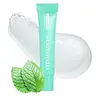
This barrier-repair lip moisturizer is formulated around Butyrospermum Parkii Butter and Squalane to strengthen the lip barrier and hydrate lips.
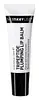
This anti-aging lip moisturizer is formulated around Squalane and Palmitoyl Tripeptide-1 to soften the look of wrinkles and hydrate lips.

What's inside
What's inside
 Key Ingredients
Benefits
Concerns
Ingredients Side-by-side
Hydrogenated Polyisobutene
EmollientCetyl Ethylhexanoate
EmollientPhytosteryl/Isostearyl/Cetyl/Stearyl/Behenyl Dimer Dilinoleate
Skin Conditioning

Diisostearyl Malate
EmollientButyrospermum Parkii Butter
Skin Conditioning




Ethylene/Propylene/Styrene Copolymer
Synthetic Wax
Abrasive
Butylene/Ethylene/Styrene Copolymer
Caprylic/Capric Triglyceride
Masking
Ethylhexylglycerin
Skin ConditioningPolyglyceryl-2 Triisostearate
Emulsifying
Menthyl Lactate
Masking
Ethyl Menthane Carboxamide
TonicPentaerythrityl Tetra-Di-T-Butyl Hydroxyhydrocinnamate
Antioxidant
Methyl Diisopropyl Propionamide
MaskingWater
Skin ConditioningTocopherol
Antioxidant




Squalane
Emollient
Theobroma Cacao Seed Butter
Emollient
Panthenol
Skin Conditioning

Phytosterols
Skin Conditioning
Ascorbic Acid
Antioxidant

Theobroma Grandiflorum Seed Butter
Skin Conditioning
Glycerin
Humectant
Butylene Glycol
Humectant
1,2-Hexanediol
Skin Conditioning
Ceramide NP
Skin Conditioning
Hydrogenated Lecithin
Emulsifying
Sodium Hyaluronate
Humectant
Hydroxypropyltrimonium Hyaluronate
Hydrolyzed Hyaluronic Acid
Humectant
Sodium Acetylated Hyaluronate
Humectant
Soluble Collagen
Humectant
Hyaluronic Acid
Humectant
Sodium Hyaluronate Crosspolymer
Humectant
Tripeptide-1
Skin Conditioning
Hexapeptide-11
Skin Conditioning
Hexapeptide-9
Skin Conditioning
Hydrolyzed Sodium Hyaluronate
Skin Conditioning
Nonapeptide-1
Skin Conditioning
Oligopeptide-1
Skin Conditioning
Palmitoyl Pentapeptide-4
Skin Conditioning
Palmitoyl Hexapeptide-12
Skin Conditioning
Palmitoyl Tetrapeptide-7
Skin Conditioning
Palmitoyl Tripeptide-1
Skin Conditioning
Palmitoyl Tripeptide-5
Skin Conditioning
Pentapeptide-3
Skin Conditioning
Copper Tripeptide-1
Skin Conditioning
Dipeptide Diaminobutyroyl Benzylamide Diacetate
Skin Conditioning
Dipeptide-2
Skin Conditioning
Acetyl Tetrapeptide-3
Skin Protecting
Acetyl Hexapeptide-8
Humectant
Acetyl Tetrapeptide-5
Humectant
Potassium Hyaluronate
Skin ConditioningArginine/Lysine Polypeptide
Skin Conditioning
Parfum
Masking


CI 77891
Cosmetic ColorantHydrogenated Polyisobutene, Cetyl Ethylhexanoate, Phytosteryl/Isostearyl/Cetyl/Stearyl/Behenyl Dimer Dilinoleate, Diisostearyl Malate, Butyrospermum Parkii Butter, Ethylene/Propylene/Styrene Copolymer, Synthetic Wax, Butylene/Ethylene/Styrene Copolymer, Caprylic/Capric Triglyceride, Ethylhexylglycerin, Polyglyceryl-2 Triisostearate, Menthyl Lactate, Ethyl Menthane Carboxamide, Pentaerythrityl Tetra-Di-T-Butyl Hydroxyhydrocinnamate, Methyl Diisopropyl Propionamide, Water, Tocopherol, Squalane, Theobroma Cacao Seed Butter, Panthenol, Phytosterols, Ascorbic Acid, Theobroma Grandiflorum Seed Butter, Glycerin, Butylene Glycol, 1,2-Hexanediol, Ceramide NP, Hydrogenated Lecithin, Sodium Hyaluronate, Hydroxypropyltrimonium Hyaluronate, Hydrolyzed Hyaluronic Acid, Sodium Acetylated Hyaluronate, Soluble Collagen, Hyaluronic Acid, Sodium Hyaluronate Crosspolymer, Tripeptide-1, Hexapeptide-11, Hexapeptide-9, Hydrolyzed Sodium Hyaluronate, Nonapeptide-1, Oligopeptide-1, Palmitoyl Pentapeptide-4, Palmitoyl Hexapeptide-12, Palmitoyl Tetrapeptide-7, Palmitoyl Tripeptide-1, Palmitoyl Tripeptide-5, Pentapeptide-3, Copper Tripeptide-1, Dipeptide Diaminobutyroyl Benzylamide Diacetate, Dipeptide-2, Acetyl Tetrapeptide-3, Acetyl Hexapeptide-8, Acetyl Tetrapeptide-5, Potassium Hyaluronate, Arginine/Lysine Polypeptide, Parfum, CI 77891
Ricinus Communis Seed Oil
Masking
Hydroxystearic/Linolenic/Oleic Polyglycerides
EmollientGlyceryl Rosinate
Perfuming
Theobroma Grandiflorum Seed Butter
Skin Conditioning
Butyrospermum Parkii Butter
Skin Conditioning
Ethylhexyl Palmitate
Emollient
Candelilla Cera
Emollient
Mangifera Indica Seed Butter
Skin Conditioning
Orbignya Oleifera Seed Oil
Emollient
Squalane
Emollient
Cetearyl Ethylhexanoate
Emollient
Hydrogenated Olive Oil
Skin Conditioning
Salvia Hispanica Seed Oil
Emollient
Caprylic/Capric Triglyceride
Masking
Glyceryl Behenate
Emollient
Olea Europaea Oil Unsaponifiables
Skin Conditioning
Tribehenin
Emollient
Sorbitan Isostearate
Emulsifying
Tocopherol
Antioxidant
Portulaca Pilosa Extract
Skin ConditioningTrihydroxystearin
Skin Conditioning
Helianthus Annuus Seed Oil
Emollient
Sucrose Cocoate
Emulsifying
Brassica Alba Sprout Extract
Skin ConditioningSodium Hyaluronate
Humectant
Palmitoyl Tripeptide-1
Skin Conditioning
Palmitoyl Tripeptide-38
Skin Conditioning
Glucomannan
Skin ConditioningRicinus Communis Seed Oil, Hydroxystearic/Linolenic/Oleic Polyglycerides, Glyceryl Rosinate, Theobroma Grandiflorum Seed Butter, Butyrospermum Parkii Butter, Ethylhexyl Palmitate, Candelilla Cera, Mangifera Indica Seed Butter, Orbignya Oleifera Seed Oil, Squalane, Cetearyl Ethylhexanoate, Hydrogenated Olive Oil, Salvia Hispanica Seed Oil, Caprylic/Capric Triglyceride, Glyceryl Behenate, Olea Europaea Oil Unsaponifiables, Tribehenin, Sorbitan Isostearate, Tocopherol, Portulaca Pilosa Extract, Trihydroxystearin, Helianthus Annuus Seed Oil, Sucrose Cocoate, Brassica Alba Sprout Extract, Sodium Hyaluronate, Palmitoyl Tripeptide-1, Palmitoyl Tripeptide-38, Glucomannan
Reviews
Ingredients Explained
These ingredients are found in both products.
Ingredients higher up in an ingredient list are typically present in a larger amount.
This ingredient is also known as shea butter. It is a plant-derived extract from the nuts of the Africa shea tree and one of the most well-studied emollients.
Because it has a high concentration of fatty acids (primarily oleic, stearic, and linoleic) it is able to form a protective barrier on the skin's surface. This helps seal in moisture and prevents transepidermal water loss (TEWL).
In vitro research found an increase in skin hydration by 58% and a decrease in TEWL by 37.8% after 24 hours of applying this ingredient (pretty impressive for a single ingredient!).
Besides hydration, shea butter also contains triterpenes that have anti-inflammatory potential. In particule, lupeol cinnamate has shown the highest anti-inflammatory activity in vivo.
Shea butter also contains vitamins A and E which may contribute to antioxidant activity.
While Shea Butter has an SPF rating of about 3-4, it is not a sunscreen replacement.
This ingredient may not be fungal acne safe because its fatty acids fall within the C11-C24 range that the Malassezia yeast can metabolize.
This ingredient shows up on a lot of "pore-clogging" lists but there's no real evidence behind that. It doesn't even have a comedogenic rating from an actual study; the numbers you'll find online come from blogs citing other blogs.
Ratings for other ingredients mostly come from a 1980s rabbit ear test. This test doesn't translate well to human skin or to real products because the ingredient sits at a much lower percentage.
Some people still find it breaks them out. So if that's you, definitely trust your skin. Just know this one's based on experience and not evidence.
Learn more about Butyrospermum Parkii ButterCaprylic/Capric Triglyceride (aka MCT Oil) is a lightweight emollient, solvent, and texture enhancer. It is considered a skin-softener by helping to prevent moisture loss.
Though it behaves like an oil, it is not technically one due to its chemical composition. One perk of this ingredient is that it is very stable, resistant to oxidation, and unlikely to go rancid.
In practice, that translates to a long shelf life and a consistently elegant skin feel.
While there is an assumption Caprylic Triglyceride can clog pores due to it being derived from coconut oil, there is no research supporting this. Just patch test if you have concerns.
Fractionated coconut oil and MCT Oil are both listed as Caprylic/Capric Triglyceride according to INCI. This is because INCI names are based on the ingredient’s final chemical composition and not its marketing name or source.
This ingredient is treated as the gold standard fungal acne safe oil. Even though it is coconut derived, the problematic lauric acid is stripped out.
This leaves just caprylic (C8) and capric (C10) acid. These chain lengths actually trend antifungal; a 2020 study found caprylic acid was enough to disrupt Malassezia furfur cell membrane, with a caprylic acid derivative damaging membrane structures at concentrations as low as 0.2%.
Learn more about Caprylic/Capric TriglyceridePalmitoyl Tripeptide-1 (aka Pal-GHK) is a synthetic signal peptide made of three amino acids attached to palmitic acid.
That fatty acid attachment is the key: it boosts the peptide's ability to penetrate the skin barrier. This puts it closer to the dermal cells where it can actually make a difference.
Once there, it acts as a matrikine, a signaling peptide that prompts fibroblasts to produce more collagen, fibronectin, and hyaluronic acid.
In vitro studies show it can boost collagen production in skin cells even when UV-damaged skin samples were treated with it at a tiny concentration (it almost fully restored dermal collagen at 5ppm). It achieved this at 100x lower concentration than retinoic acid, which needed 500 ppm to do the same thing.
Human clinical data is promising, but modest:
A study of 23 female volunteers found a small but statistically significant increase (~4%) in skin thickness after treatment at 4 ppm.
A separate small trial of 15 women showed statistically significant reductions in wrinkle length, depth, and skin roughness after applying it twice daily for four weeks.
You'll likely see Pal-GHK paired with Palmitoyl Tetrapeptide-7 as part of the Matrixyl 3000 complex.
Fungal acne note:
Usually a palmitic acid component can feed Malassezia in unbound form, but here is is covalently bonded to the peptide. This means it is very difficult for Malassezia to access, and therefore very unlikely to cause fungal acne.
Sodium Hyaluronate is the salt form of hyaluronic acid. It is a long sugar chain that is naturally found in your skin, joints, and connective tissue that maintains hydration and elasticity.
In skincare, it works as a humectant. It pulls water from the environment and deeper layers of skin and binds it to the surface.
Interestingly, the size of the molecule affects its behavior:
Some clinical evidence links low molecular weight versions to improved wrinkle depth, elasticity, anti-inflammatory effects, and barrier repair.
Many serums use a blend of both weights so you can get surface hydration plus longer-lasting and deeper effects.
You'll typically see concentrations between 0.1-2% for this ingredient.
Learn more about Sodium HyaluronateSqualane is the hydrogenated and shelf-stable form of squalene (a lipid that naturally occurs in human sebum).
It is an emollient and skin conditioning agent that is able to integrate seamlessly into the skin's lipid barrier without clogging pores.
This is due to how structurally similar it is to what your skin already produces.
Though it is mostly an emollient that helps soften and hydrate skin, it also has some humectant and occlusive action. Humectants help the skin retain moisture while occlusives seal it in, making squalane a triple-threat moisturizer.
Research shows it has antioxidant capabilities that help protect against stressors like UV exposure, specifically UVA induced oxidative stress. This study also found that it supports collagen biosynthesis in human dermal fibroblasts.
No clinical study has reported significant adverse effects and irritation reactions are very rare from this ingredient (even at 100% concentration).
Overall, it's a fantastic ingredient for hydration and is suitable for all skin types.
This depends on the source. Squalane can be derived from both plants and animals. Most squalane used in skincare comes from plants.
Please note: the source of squalane is only known if disclosed by the brand. We recommend reaching out to the brand if you have any questions about their squalane.
Read more about squalene with an "e".
Though squalane is often called an oil, it’s technically not one. It is a hydrocarbon, meaning it is only made of carbon and hydrogen. True oils are triglycerides and made of fatty acids and glycerol.
The term “oil-free” isn’t regulated so companies can define it however they want. Some exclude all oils, while others just avoid mineral oil or comedogenic oils.
Squalane has a comedogenic rating of 1 from the original 1972 study that tested raw ingredients under occlusion on rabbit ears. This system is not standardized or peer-reviewed, and using the raw ingredients is very different from how diluted cosmetic formulations are used on human skin.
A comedogenic rating of 1 means it is "unlikely to clog pores" according to the original rating system.
The overall formula of a product matters more than the individual ingredients on whether or not it will cause clogged pores.
Learn more about SqualaneThis ingredient is also known as cupuacu butter. It's a soft, creamy plant fat that works as a skin-conditioning agent and often marketed as the plant-based alternative to lanolin.
The composition of this butter is dominated by oleic acid, stearic acid, and smaller amounts of palmitic, linoleic, and arachidic acids. There's also a useful dose of phystosterols.
That fatty-acid-and-sterol combo is why this ingredient behaves like a richer cousin of shea butter: the lipids reinforce the skin's surface and slow water loss while the sterols help support the barrier.
There's some early research too: a mouse study found cupuacu butter emulgels had antioxidant activity and a measurable photoprotective effect against UVB damage.
Overall, this is a well-tolerated ingredient but those prone to congestion might prefer formulations with lower concentrations.
Fungal acne: Cupuacu butter's fatty acids are mostly "locked up" in triglycerides that Malassezia can't easily feed on, but the yeast can slowly break these down to access the free fatty acids. Therefore, ingredient may not be fungal acne safe.
Learn more about Theobroma Grandiflorum Seed ButterTocopherol is a fat-soluble antioxidant known as Vitamin E.
You'll find this ingredient in the vast majority of skincare (for good reason). It works to neutralize free radicals, or unstable molecules generated by UV exposure, pollution, and other environmental stressors, before they can cause oxidative damage to your skin cells.
Topically applied tocopherol has been shown to protect against UV damage by ramping up the skin's own natural defense enzymes.
It also acts as a skin conditioning agent; some studies show that regular topical use can improve the skin's water-binding capacity over 2-4 weeks.
This ingredient is especially loved for being a team player. When combined with Vitamin C, the photoprotective effect of both ingredients roughly doubles and the combo also helps reduce UV-induced DNA damage.
This ingredient has some brightening potential but it's more of a prevention ingredient than spot-fader. Cell studies show it can slow down melanin production but it's worth noting that it's not the most powerful brightener out there.
In formulations, it also serves as a stabilizer that helps protect other oxidation-prone ingredients from degrading.
Concentrations usually range from 0.1-1% in most leave-on products.
Learn more about Tocopherol

