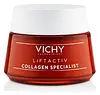
This anti-aging moisturizer is formulated around Adenosine and Ascorbyl Glucoside to soften the look of wrinkles and brighten dull-looking skin.
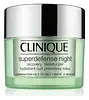
This barrier-repair night moisturizer is formulated around Centella Asiatica Extract and Acetyl Hexapeptide-8 to strengthen the skin barrier and soften the look of wrinkles.


What's inside
What's inside
 Key Ingredients
Benefits
Concerns
Ingredients Side-by-side
Water
Skin ConditioningGlycerin
Humectant


Dimethicone
Emollient
Isohexadecane
EmollientAlcohol Denat.
Antimicrobial




Silica
Abrasive


Hydroxyethylpiperazine Ethane Sulfonic Acid
BufferingPropanediol
Solvent
Synthetic Wax
Abrasive
PEG-10 Dimethicone
Skin Conditioning
Eperua Falcata Bark Extract
Skin ProtectingPEG-30 Dipolyhydroxystearate
Emulsifying
Stearyl Alcohol
Emollient
Sorbitan Oleate
Emulsifying
Dimethicone/PEG-10/15 Crosspolymer
Dimethicone/Polyglycerin-3 Crosspolymer
Cleansing
Ceteareth-6
EmulsifyingSodium Acrylates Copolymer
Sodium Citrate
BufferingSodium Hydroxide
BufferingSodium Phytate
ChelatingCyclodextrin
AbsorbentAdenosine
Skin Conditioning

Ascorbyl Glucoside
Antioxidant


Nylon-12

Isopropyl Alcohol
Solvent
Propylene Carbonate
SolventDipropylene Glycol
HumectantCaprylic/Capric Triglyceride
Masking
Caprylyl Glycol
Emollient
Acetyl Tetrapeptide-9
Skin Conditioning
Synthetic Fluorphlogopite
Disteardimonium Hectorite
StabilisingDextrin
AbsorbentPisum Sativum Extract
Skin ConditioningTocopherol
Antioxidant


Phenoxyethanol
Preservative
CI 15985
Cosmetic ColorantCI 77891
Cosmetic ColorantParfum
Masking

Water, Glycerin, Dimethicone, Isohexadecane, Alcohol Denat., Silica, Hydroxyethylpiperazine Ethane Sulfonic Acid, Propanediol, Synthetic Wax, PEG-10 Dimethicone, Eperua Falcata Bark Extract, PEG-30 Dipolyhydroxystearate, Stearyl Alcohol, Sorbitan Oleate, Dimethicone/PEG-10/15 Crosspolymer, Dimethicone/Polyglycerin-3 Crosspolymer, Ceteareth-6, Sodium Acrylates Copolymer, Sodium Citrate, Sodium Hydroxide, Sodium Phytate, Cyclodextrin, Adenosine, Ascorbyl Glucoside, Nylon-12, Isopropyl Alcohol, Propylene Carbonate, Dipropylene Glycol, Caprylic/Capric Triglyceride, Caprylyl Glycol, Acetyl Tetrapeptide-9, Synthetic Fluorphlogopite, Disteardimonium Hectorite, Dextrin, Pisum Sativum Extract, Tocopherol, Phenoxyethanol, CI 15985, CI 77891, Parfum
Water
Skin ConditioningNeopentyl Glycol Diheptanoate
EmollientJojoba Esters
Emollient
C12-20 Acid PEG-8 Ester
Emulsifying
Glycerin
Humectant
Polymethyl Methacrylate
Butylene Glycol
Humectant
Cetyl Alcohol
Emollient
PEG-100 Stearate
Surfactant
Behenyl Alcohol
Emollient
Rosmarinus Officinalis Leaf Extract
AntimicrobialChlorella Vulgaris Extract
Skin ConditioningCaffeine
Skin Conditioning
Sigesbeckia Orientalis Extract
Skin ConditioningMicrococcus Lysate
Skin ConditioningSalvia Sclarea Extract
AntiseborrhoeicCentella Asiatica Extract
Cleansing
Whey Protein
Skin ConditioningAstrocaryum Murumuru Seed Butter
Emollient
Phytosterols
Skin Conditioning
Laminaria Digitata Extract
Skin Protecting
Lecithin
Emollient
Acetyl Hexapeptide-8
Humectant
Glycine Soja Protein
EmulsifyingErgothioneine
Antioxidant
Sodium Hyaluronate
Humectant
Trehalose
Humectant
Dimethicone
Emollient
Glyceryl Stearate
Emollient
Potassium Cetyl Phosphate
EmulsifyingPentylene Glycol
Skin Conditioning
Tocopheryl Acetate
Antioxidant
Caprylyl Glycol
Emollient
Acrylates/C10-30 Alkyl Acrylate Crosspolymer
Emulsion StabilisingXanthan Gum
EmulsifyingTetrahexyldecyl Ascorbate
Antioxidant
Carbomer
Emulsion StabilisingSodium Hydroxide
BufferingCitric Acid
Buffering
Disodium EDTA
ChelatingPhenoxyethanol
Preservative
CI 77891
Cosmetic ColorantMica
Cosmetic ColorantWater, Neopentyl Glycol Diheptanoate, Jojoba Esters, C12-20 Acid PEG-8 Ester, Glycerin, Polymethyl Methacrylate, Butylene Glycol, Cetyl Alcohol, PEG-100 Stearate, Behenyl Alcohol, Rosmarinus Officinalis Leaf Extract, Chlorella Vulgaris Extract, Caffeine, Sigesbeckia Orientalis Extract, Micrococcus Lysate, Salvia Sclarea Extract, Centella Asiatica Extract, Whey Protein, Astrocaryum Murumuru Seed Butter, Phytosterols, Laminaria Digitata Extract, Lecithin, Acetyl Hexapeptide-8, Glycine Soja Protein, Ergothioneine, Sodium Hyaluronate, Trehalose, Dimethicone, Glyceryl Stearate, Potassium Cetyl Phosphate, Pentylene Glycol, Tocopheryl Acetate, Caprylyl Glycol, Acrylates/C10-30 Alkyl Acrylate Crosspolymer, Xanthan Gum, Tetrahexyldecyl Ascorbate, Carbomer, Sodium Hydroxide, Citric Acid, Disodium EDTA, Phenoxyethanol, CI 77891, Mica
Reviews
Ingredients Explained
These ingredients are found in both products.
Ingredients higher up in an ingredient list are typically present in a larger amount.
Caprylyl Glycol is a humectant, skin conditioner, emollient, and preservative booster derived from either caprylic acid or synthetically created.
Typical use levels vary from 0.3-1% as a preservative booster and go up to 2% to condition skin.
Because it is not a free-fatty acid, this ingredient is fungal acne safe (there's nothing for Malassezia to feed on).
Learn more about Caprylyl GlycolCi 77891 is a white pigment from Titanium dioxide. It is naturally found in minerals such as rutile and ilmenite.
It's main function is to add a white color to cosmetics. It can also be mixed with other colors to create different shades.
Ci 77891 is commonly found in sunscreens due to its ability to block UV rays.
Learn more about CI 77891Dimethicone is a type of synthetic silicone created from natural materials such as quartz. It is also known as polydimethylsiloxane.
What it does:
Dimethicone comes in different viscosities:
Depending on the viscosity, dimethicone has different properties.
Ingredients lists don't always show which type is used, so we recommend reaching out to the brand if you have questions about the viscosity.
This ingredient is unlikely to cause irritation because it does not get absorbed into skin. However, people with silicone allergies should be careful about using this ingredient.
Note: Dimethicone may contribute to pilling. This is because it is not oil or water soluble, so pilling may occur when layered with products. When mixed with heavy oils in a formula, the outcome is also quite greasy.
Learn more about DimethiconeGlycerin (or glycerol) is a compound naturally found in your skin. It's a powerhouse humectant that pulls water into the stratum corneum.
Topically, glycerin does several things at once:
Your skin makes glycerin on its own (mostly from sebaceous oil breakdown) and shuttles it to your outermost layer of skin, or your epidermis, via aquaporin-3.
Aquaporin-3 is a transporter that is essential for normal skin hydration, elasticity, and repair. Interestingly, mice lacking in AQP3 have dry and less elastic skin that can be fully corrected with glycerin.
This ingredient is non-irritating, plays well with almost every ingredient, and works across all skin types. Typical use is anywhere between 3-10% but can go up to 79% in some leave-on products.
Just know very high concentrations (>40%) can feel tacky in low humidity.
Glycerin is the name for this ingredient in American English. British English uses Glycerol/Glycerine.
Learn more about GlycerinPhenoxyethanol is one of the most widely used preservatives in skincare (and for good reason!).
It has a large spectrum of antimicrobial activity and especially effective bacteria, yeast, and mold while only having a weak effect on your skin's natural microbiome.
On a cellular level, it disrupts the cell membranes of microbes by poking holes that make the cell leak. This shuts down the chemical reactions the microbe needs to make energy so it can no longer survive.
Another perk of this ingredient is that it stays functional across a wide pH range (3-10).
You'll often see it paired with boosters like Ethylhexylglycerin; one study showed that a 1:9 ratio of Ethylhexylglycerin to Phenoxyethanol damages bacterial membranes as effectively as doubling the Phenoxyethanol concentration on its own.
Typical use concentrations range from 0.3-1% depending on the formula, and this ingredient is capped at 1% int the EU.
Safety-wise, the fear mongering does not hold up to the evidence. The EU's Scientific Committee on Consumer Safety and FDA consider it safe as a preservative at up to 1%, including for children of all ages.
Adverse systemic effects only showed up in animal studies at exposures roughly 200x higher than what people get from cosmetics. And despite its very widespread use, this ingredient is a rare sensitizer and allergic reactions are uncommon.
Learn more about PhenoxyethanolSodium Hydroxide is also known as lye or caustic soda. It is used to adjust the pH of products; many ingredients require a specific pH to be effective.
In small amounts, sodium hydroxide is considered safe to use. However, large amounts may cause chemical burns due to its high alkaline.
Your skin has a natural pH and acid mantle. This acid mantle helps prevent harmful bacteria from breaking through. The acid mantle also helps keep your skin hydrated.
"Alkaline" refers to a high pH level. A low pH level would be considered acidic.
Learn more about Sodium HydroxideWater. It's the most common cosmetic ingredient of all. You'll usually see it at the top of ingredient lists, meaning that it makes up the largest part of the product.
So why is it so popular? Water most often acts as a solvent - this means that it helps dissolve other ingredients into the formulation.
You'll also recognize water as that liquid we all need to stay alive. If you see this, drink a glass of water. Remember to stay hydrated!
Learn more about Water

