
What's inside
What's inside
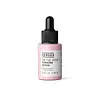 Key Ingredients
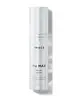
Benefits
Concerns
Ingredients Side-by-side
Water
Skin ConditioningPropylene Glycol
Humectant


Glycerin
Humectant


Propanediol
Solvent
Butylene Glycol
Humectant
Resveratrol
Antioxidant



Palmitoyl Tripeptide-1
Skin Conditioning

Palmitoyl Tetrapeptide-7
Skin Conditioning
Retinyl Palmitate
Skin Conditioning




Tocopheryl Acetate
Antioxidant
Tocopherol
Antioxidant
Sodium Hyaluronate
Humectant
Citric Acid
Buffering
Phenoxyethanol
Preservative
PEG-40 Hydrogenated Castor Oil
Emulsifying
Polyacrylate Crosspolymer-6
Emulsion StabilisingSodium Ascorbyl Phosphate
Antioxidant

Xanthan Gum
EmulsifyingTrisodium Ethylenediamine Disuccinate
Ceramide AP
Skin Conditioning
1,2-Hexanediol
Skin Conditioning
Carbomer
Emulsion StabilisingSodium Metabisulfite
Antioxidant
Polysorbate 20
Emulsifying
Sodium Lactate
BufferingWater, Propylene Glycol, Glycerin, Propanediol, Butylene Glycol, Resveratrol, Palmitoyl Tripeptide-1, Palmitoyl Tetrapeptide-7, Retinyl Palmitate, Tocopheryl Acetate, Tocopherol, Sodium Hyaluronate, Citric Acid, Phenoxyethanol, PEG-40 Hydrogenated Castor Oil, Polyacrylate Crosspolymer-6, Sodium Ascorbyl Phosphate, Xanthan Gum, Trisodium Ethylenediamine Disuccinate, Ceramide AP, 1,2-Hexanediol, Carbomer, Sodium Metabisulfite, Polysorbate 20, Sodium Lactate
Water
Skin ConditioningCarbomer
Emulsion StabilisingGlycerin
Humectant
Polysorbate 20
Emulsifying
Sucrose Palmitate
EmollientGlyceryl Linoleate
Emollient
Tocopheryl Acetate
Antioxidant
Phenoxyethanol
Preservative
Citrus Grandis Peel Oil
Masking
Limonene
Perfuming

Glyceryl Polymethacrylate
Hydroxyethylcellulose
Emulsion StabilisingPotassium Sorbate
Preservative
Butylene Glycol
Humectant
Pullulan
Malus Domestica Fruit Cell Culture Extract
Skin ConditioningTetrahexyldecyl Ascorbate
Antioxidant
Isomalt
HumectantPropylene Glycol
Humectant
Centella Asiatica Extract
Cleansing
Macrocystis Pyrifera Extract
Skin Conditioning
Disodium EDTA
Hydrolyzed Rice Protein
Skin ConditioningImperata Cylindrica Root Extract
Skin ConditioningPvp
Emulsion StabilisingEchinacea Purpurea Extract
MoisturisingCitric Acid
Buffering
Xanthan Gum
EmulsifyingLeontopodium Alpinum Meristem Cell Culture
Skin ConditioningNannochloropsis Oculata Extract
HumectantSodium Hyaluronate
Humectant
Hydrolyzed Vegetable Protein
Skin ConditioningSodium Benzoate
Masking
Sodium Lactate
BufferingLecithin
Emollient
Glycine Soja Protein
EmulsifyingSodium Hydroxide
BufferingSuperoxide Dismutase
Antioxidant
PEG-8
HumectantEthylhexylglycerin
Skin ConditioningCamellia Sinensis Leaf Extract
Antimicrobial
Hydroxypropyl Cyclodextrin
MaskingPalmitoyl Tripeptide-38
Skin Conditioning
Spiraea Ulmaria Flower Extract
Skin ConditioningLeuconostoc/Radish Root Ferment Filtrate
Antimicrobial
Phaseolus Radiatus Meristem Cell Culture Extract
Skin ConditioningCaprylyl Glycol
Emollient
Acetyl Hexapeptide-8
Humectant
Arabidopsis Thaliana Extract
Antioxidant
Argania Spinosa Callus Culture Extract
Skin ConditioningPlankton Extract
Skin ConditioningCitral
Perfuming
Sodium Dextran Sulfate
Gel Forming
Acetyl Octapeptide-3
Humectant
Palmitoyl Tripeptide-1
Skin Conditioning
Biotin
AntiseborrhoeicWater, Carbomer, Glycerin, Polysorbate 20, Sucrose Palmitate, Glyceryl Linoleate, Tocopheryl Acetate, Phenoxyethanol, Citrus Grandis Peel Oil, Limonene, Glyceryl Polymethacrylate, Hydroxyethylcellulose, Potassium Sorbate, Butylene Glycol, Pullulan, Malus Domestica Fruit Cell Culture Extract, Tetrahexyldecyl Ascorbate, Isomalt, Propylene Glycol, Centella Asiatica Extract, Macrocystis Pyrifera Extract, Disodium EDTA, Hydrolyzed Rice Protein, Imperata Cylindrica Root Extract, Pvp, Echinacea Purpurea Extract, Citric Acid, Xanthan Gum, Leontopodium Alpinum Meristem Cell Culture, Nannochloropsis Oculata Extract, Sodium Hyaluronate, Hydrolyzed Vegetable Protein, Sodium Benzoate, Sodium Lactate, Lecithin, Glycine Soja Protein, Sodium Hydroxide, Superoxide Dismutase, PEG-8, Ethylhexylglycerin, Camellia Sinensis Leaf Extract, Hydroxypropyl Cyclodextrin, Palmitoyl Tripeptide-38, Spiraea Ulmaria Flower Extract, Leuconostoc/Radish Root Ferment Filtrate, Phaseolus Radiatus Meristem Cell Culture Extract, Caprylyl Glycol, Acetyl Hexapeptide-8, Arabidopsis Thaliana Extract, Argania Spinosa Callus Culture Extract, Plankton Extract, Citral, Sodium Dextran Sulfate, Acetyl Octapeptide-3, Palmitoyl Tripeptide-1, Biotin
Ingredients Explained
These ingredients are found in both products.
Ingredients higher up in an ingredient list are typically present in a larger amount.
Butylene Glycol (or BG) is used within cosmetic products for a few different reasons:
Overall, Butylene Glycol is a safe and well-rounded ingredient that works well with other ingredients.
Though this ingredient works well with most skin types, some people with sensitive skin may experience a reaction such as allergic rashes, closed comedones, or itchiness.
Learn more about Butylene GlycolCarbomer is a polymer of acrylic acid. Its main role is to create a gel consistency.
A high amount of carbomer can cause pilling or balling up of products. Don't worry, most products contain 1% or less of carbomer.
Citric Acid is an alpha hydroxy acid (AHA) naturally found in citrus fruits like oranges, lemons, and limes.
Like other AHAs, citric acid can exfoliate skin by breaking down the bonds that hold dead skin cells together. This helps reveal smoother and brighter skin underneath.
However, this exfoliating effect only happens at high concentrations (20%) which can be hard to find in cosmetic products.
Due to this, citric acid is usually included in small amounts as a pH adjuster. This helps keep products slightly more acidic and compatible with skin's natural pH.
In skincare formulas, citric acid can:
While it can provide some skin benefits, research shows lactic acid and glycolic acid are generally more effective and less irritating exfoliants.
Most citric acid used in skincare today is made by fermenting sugars (usually from molasses). This synthetic version is identical to the natural citrus form but easier to stabilize and use in formulations.
Read more about some other popular AHA's here:
Learn more about Citric AcidGlycerin is already naturally found in your skin. It helps moisturize and protect your skin.
A study from 2016 found glycerin to be more effective as a humectant than AHAs and hyaluronic acid.
As a humectant, it helps the skin stay hydrated by pulling moisture to your skin. The low molecular weight of glycerin allows it to pull moisture into the deeper layers of your skin.
Hydrated skin improves your skin barrier; Your skin barrier helps protect against irritants and bacteria.
Glycerin has also been found to have antimicrobial and antiviral properties. Due to these properties, glycerin is often used in wound and burn treatments.
In cosmetics, glycerin is usually derived from plants such as soybean or palm. However, it can also be sourced from animals, such as tallow or animal fat.
This ingredient is organic, colorless, odorless, and non-toxic.
Glycerin is the name for this ingredient in American English. British English uses Glycerol/Glycerine.
Learn more about GlycerinPalmitoyl Tripeptide-1 is also known as pal-GHK. It is made up of 3 amino acids and palmitic acid, a fatty acid that helps it absorb into skin more easily.
This peptide is as a signal peptide, meaning it tells the skin to produce more collagen. Collagen is the key protein that helps form the skin's structure and keep it plump, firm, and hydrated.
By boosting collagen production, this ingredient supports a stronger skin barrier and helps reduce the appearance of wrinkles.
You'll most likely see this ingredient paired with Palmitoyl Tetrapeptide-7 in the well-known Matrixyl 3000 complex. While results from in-house testing should be viewed cautiously, this peptide duo is among the most studied and widely used in modern skincare.
Due to its palmitic acid base, this ingredient may not be safe for Malassezia folliculitis.
Read more about other common types of peptides here:
Learn more about Palmitoyl Tripeptide-1Phenoxyethanol is a preservative that has germicide, antimicrobial, and aromatic properties. Studies show that phenoxyethanol can prevent microbial growth. By itself, it has a scent that is similar to that of a rose.
It's often used in formulations along with Caprylyl Glycol to preserve the shelf life of products.
Polysorbate 20 is made by combining ethoxylation of sorbitan, ethylene oxide, and lauric acid. It is a mild cleansing agent, surfactant, and emulsifier.
As a surfactant, it helps collect dirt and oils for washing. Emulsifiers prevent oils and water from separating.
Polysorbate 20 also adds scent to a product. Since it is made using sorbitol, it has a sweet scent. Sorbitol can also be found in fruits such as apples and peaches.
The lauric acid used to create Polysorbate 20 is often derived from coconuts.
Polysorbate 20 may not be fungal acne safe.
Learn more about Polysorbate 20Propylene Glycol is an odorless, colorless liquid. As a humectant, it helps skin retain moisture. It also aids in delivering active ingredients.
Another role of this ingredient is preventing a product from melting or freezing. Propylene glycol also adds antimicrobrial properties to a product, elongating product lifespan.
This ingredient is considered an organic alcohol and commonly added into both cosmetics and foods.
Those with sensitive skin or conditions may develop a rash when using this ingredient.
Learn more about Propylene GlycolSodium Hyaluronate is hyaluronic acid's salt form. It is commonly derived from the sodium salt of hyaluronic acid.
Like hyaluronic acid, it is great at holding water and acts as a humectant. This makes it a great skin hydrating ingredient.
Sodium Hyaluronate is naturally occurring in our bodies and is mostly found in eye fluid and joints.
These are some other common types of Hyaluronic Acid:
Learn more about Sodium HyaluronateSodium Lactate is the sodium salt of lactic acid, an AHA. It is a humectant and sometimes used to adjust the pH of a product.
This ingredient is part of our skin's NMF, or natural moisturizing factor. Our NMF is essential for the hydration of our top skin layers and plasticity of skin. NMF also influences our skin's natural acid mantle and pH, which protects our skin from harmful bacteria.
High percentages of Sodium Lactate can have an exfoliating effect.
Fun fact: Sodium Lactate is produced from fermented sugar.
Learn more about Sodium LactateTocopheryl Acetate is AKA Vitamin E. It is an antioxidant and protects your skin from free radicals. Free radicals damage the skin by breaking down collagen.
One study found using Tocopheryl Acetate with Vitamin C decreased the number of sunburned cells.
Tocopheryl Acetate is commonly found in both skincare and dietary supplements.
Learn more about Tocopheryl AcetateWater. It's the most common cosmetic ingredient of all. You'll usually see it at the top of ingredient lists, meaning that it makes up the largest part of the product.
So why is it so popular? Water most often acts as a solvent - this means that it helps dissolve other ingredients into the formulation.
You'll also recognize water as that liquid we all need to stay alive. If you see this, drink a glass of water. Stay hydrated!
Learn more about WaterXanthan gum is used as a stabilizer and thickener within cosmetic products. It helps give products a sticky, thick feeling - preventing them from being too runny.
On the technical side of things, xanthan gum is a polysaccharide - a combination consisting of multiple sugar molecules bonded together.
Xanthan gum is a pretty common and great ingredient. It is a natural, non-toxic, non-irritating ingredient that is also commonly used in food products.
Learn more about Xanthan Gum
