
What's inside
What's inside
 Key Ingredients
Benefits
Concerns
Ingredients Side-by-side
Zinc Oxide 15.2%
Cosmetic Colorant


Water
Skin ConditioningButyloctyl Salicylate
Skin Conditioning
Isodecyl Neopentanoate
EmollientCalcium Sodium Borosilicate
Diheptyl Succinate
EmollientC18-21 Alkane
SolventErythritol
Humectant
Cetearyl Alcohol
Emollient




Sodium Stearoyl Glutamate
CleansingCapryloyl Glycerin/Sebacic Acid Copolymer
Skin ConditioningPropanediol
Solvent
Arachidyl Alcohol
Emollient
Glycerin
Humectant
Pyrus Malus Fruit Extract
Skin Conditioning
Caprylic/Capric Triglyceride
Masking
Tocopherol
Antioxidant





Caprylyl Glycol
Emollient
Coco-Glucoside
Cleansing
Ethyl Ferulate
Antioxidant
Behenyl Alcohol
Emollient
Cetyl Alcohol
Emollient
Arachidyl Glucoside
EmulsifyingBisabolol
Antioxidant
Polyhydroxystearic Acid
Emulsifying
Citric Acid
Buffering

Sodium Gluconate
Skin ConditioningXanthan Gum
EmulsifyingOctyldodecyl Oleate
Emollient
Caprylhydroxamic Acid
Hydrolyzed Jojoba Esters
Skin Conditioning
Sodium Hyaluronate
Humectant
Crithmum Maritimum Extract
Skin ConditioningMaltodextrin
Absorbent
Moringa Oleifera Seed Extract
Skin Conditioning
Aloe Barbadensis Leaf
Masking
Iron Oxides
CI 77491
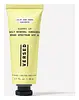
Cosmetic ColorantZinc Oxide 15.2%, Water, Butyloctyl Salicylate, Isodecyl Neopentanoate, Calcium Sodium Borosilicate, Diheptyl Succinate, C18-21 Alkane, Erythritol, Cetearyl Alcohol, Sodium Stearoyl Glutamate, Capryloyl Glycerin/Sebacic Acid Copolymer, Propanediol, Arachidyl Alcohol, Glycerin, Pyrus Malus Fruit Extract, Caprylic/Capric Triglyceride, Tocopherol, Caprylyl Glycol, Coco-Glucoside, Ethyl Ferulate, Behenyl Alcohol, Cetyl Alcohol, Arachidyl Glucoside, Bisabolol, Polyhydroxystearic Acid, Citric Acid, Sodium Gluconate, Xanthan Gum, Octyldodecyl Oleate, Caprylhydroxamic Acid, Hydrolyzed Jojoba Esters, Sodium Hyaluronate, Crithmum Maritimum Extract, Maltodextrin, Moringa Oleifera Seed Extract, Aloe Barbadensis Leaf, Iron Oxides, CI 77491
Butyl Methoxydibenzoylmethane 3%
UV Absorber
Homosalate 10%
Skin Conditioning
Ethylhexyl Salicylate 5%
UV Absorber
Octocrylene 10%
UV Absorber

Water
Skin ConditioningStyrene/Acrylates Copolymer
Silica
Abrasive

Dimethicone
Emollient
Potassium Cetyl Phosphate
EmulsifyingBenzyl Alcohol
Perfuming



Beeswax
Emulsion Stabilising
Caprylyl Methicone
Skin Conditioning
Glyceryl Stearate
Emollient
PEG-100 Stearate
Surfactant
Cetyl Dimethicone
Emollient
Caprylyl Glycol
Emollient
Ethylhexylglycerin
Skin ConditioningAluminum Starch Octenylsuccinate
Absorbent
Behenyl Alcohol
Emollient
Acrylates/Dimethicone Copolymer
Skin Conditioning
Xanthan Gum
EmulsifyingSodium Polyacrylate
Absorbent
Chlorphenesin
Antimicrobial
Dimethicone/PEG-10/15 Crosspolymer
Hydrolyzed Jojoba Esters
Skin Conditioning
Parfum
Masking
Disodium EDTA
Ethylhexyl Stearate
Emollient
Tocopheryl Acetate
Antioxidant
BHT
Antioxidant
Trideceth-6
EmulsifyingJojoba Esters
Emollient
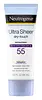
Butyl Methoxydibenzoylmethane 3%, Homosalate 10%, Ethylhexyl Salicylate 5%, Octocrylene 10%, Water, Styrene/Acrylates Copolymer, Silica, Dimethicone, Potassium Cetyl Phosphate, Benzyl Alcohol, Beeswax, Caprylyl Methicone, Glyceryl Stearate, PEG-100 Stearate, Cetyl Dimethicone, Caprylyl Glycol, Ethylhexylglycerin, Aluminum Starch Octenylsuccinate, Behenyl Alcohol, Acrylates/Dimethicone Copolymer, Xanthan Gum, Sodium Polyacrylate, Chlorphenesin, Dimethicone/PEG-10/15 Crosspolymer, Hydrolyzed Jojoba Esters, Parfum, Disodium EDTA, Ethylhexyl Stearate, Tocopheryl Acetate, BHT, Trideceth-6, Jojoba Esters
Reviews
Ingredients Explained
These ingredients are found in both products.
Ingredients higher up in an ingredient list are typically present in a larger amount.
Behenyl Alcohol is a type of fatty alcohol (these are different from the drying, solvent alcohols).
Fatty Alcohols have hydrating properties and are most often used as an emollient or to thicken a product. They are usually derived from natural fats and oils; behenyl alcohol is derived from the fats of vegetable oils.
Emollients help keep your skin soft and hydrated by creating a film that traps moisture in.
In 2000, Behenyl Alcohol was approved by the US as medicine to reduce the duration of cold sores.
Learn more about Behenyl AlcoholCaprylyl Glycol is a humectant, skin conditioner, emollient, and preservative booster derived from either caprylic acid or synthetically created.
Typical use levels vary from 0.3-1% as a preservative booster and go up to 2% to condition skin.
Because it is not a free-fatty acid, this ingredient is fungal acne safe (there's nothing for Malassezia to feed on).
Learn more about Caprylyl GlycolHydrolyzed Jojoba Esters (HJE) are an emollient and skin-conditioning agent made by breaking down jojoba oil into a blend of fatty acids and fatty alcohols.
Jojoba is pretty cool because it's a liquid wax ester rather than a triglyceride like most plant oils. Its structure closely resembles the wax esters in human sebum so it slots nicely into the skin's own lipid layer.
In cosmetics, HJE works mainly to soften skin, reinforce the barrier, and lock in moisture by reducing water loss. This ingredient also holds onto the skin even after rinsing which is why you'll see it in cleansers or wipes.
There's a decent clinical backing for the moisturizing claims: a small controlled study found that pairing HJE with glycerin lowered transepidermal water loss significantly than glycerin alone (and this effect lasted up to 24 hours).
Follow-up work showed HJE appear to "trap" glycerin in the film they form on skin to boost its hydrating power.
Typical use levels are low: the glycering-synergy research used around 1.25% (a common pairing is roughly 1.25% HJE and 3.75% glycerin).
This ingredient has been found safe as used in cosmetics with low irritation risk.
As for fungal acne, the fatty acids and alcohols in jojoba fall in roughly the C18-24 range. This overlaps the C11-24 window that Malassezia yeast can feed on in lab studies, so this ingredient may not be fungal acne safe.
Learn more about Hydrolyzed Jojoba EstersWater. It's the most common cosmetic ingredient of all. You'll usually see it at the top of ingredient lists, meaning that it makes up the largest part of the product.
So why is it so popular? Water most often acts as a solvent - this means that it helps dissolve other ingredients into the formulation.
You'll also recognize water as that liquid we all need to stay alive. If you see this, drink a glass of water. Remember to stay hydrated!
Learn more about WaterXanthan gum is used as a stabilizer and thickener within cosmetic products. It helps give products a sticky, thick feeling - preventing them from being too runny.
On the technical side of things, xanthan gum is a polysaccharide - a combination consisting of multiple sugar molecules bonded together.
Xanthan gum is a pretty common and great ingredient. It is a natural, non-toxic, non-irritating ingredient that is also commonly used in food products.
Learn more about Xanthan Gum

