

What's inside
What's inside
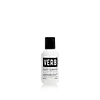 Key Ingredients
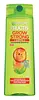
Benefits
Concerns
Ingredients Side-by-side
Water
Skin ConditioningSodium C14-16 Olefin Sulfonate
Cleansing

Cocamidopropyl Betaine
Cleansing

Cocamidopropyl Hydroxysultaine
Cleansing
Glycol Distearate
Emollient
Cocamidopropylamine Oxide
Cleansing
Disodium Laureth Sulfosuccinate
CleansingSimmondsia Chinensis Seed Oil
Emollient



Moringa Oleifera Seed Oil
Emollient

Saccharum Officinarum Extract
MoisturisingCitrus Aurantium Dulcis Fruit Extract
MaskingCitrus Limon Fruit Extract
Masking
Pyrus Malus Fruit Extract
Skin Conditioning
Chamomilla Recutita Flower Extract
Masking
Helianthus Annuus Seed Extract
Skin Conditioning
Lavandula Angustifolia Flower/Leaf/Stem Extract
Masking
Rosa Centifolia Flower Extract
Astringent
Camellia Sinensis Leaf Extract
Antimicrobial




Aloe Barbadensis Leaf Juice
Skin Conditioning
Cocodimonium Hydroxypropyl Hydrolyzed Rice Protein
Skin ConditioningHydrolyzed Quinoa
Skin ConditioningHydrolyzed Soy Protein
Humectant
Hydrolyzed Vegetable Protein Pg-Propyl Silanetriol
Skin ConditioningPanthenol
Skin Conditioning
Ethylhexylglycerin
Skin ConditioningGlycerin
Humectant
Citric Acid
Buffering
Sodium Lauroyl Sarcosinate
CleansingSodium Sarcosinate
PPG-2 Hydroxyethyl Coco/Isostearamide
Surfactant
Parfum
Masking
Sodium Lauryl Sulfoacetate
CleansingGlyceryl Oleate
Emollient
Guar Hydroxypropyltrimonium Chloride
Skin ConditioningLaureth-4
Emulsifying
Sodium Chloride
MaskingSodium Sulfate
Coco-Glucoside
Cleansing
Silicone Quaternium-8

Polyquaternium-7
Laureth-3
EmulsifyingTetrasodium Glutamate Diacetate
ChelatingPolyquaternium-44
Xylityl Sesquicaprylate
Antimicrobial
Sodium Laurate
CleansingSodium Benzoate
Masking
Hydrogen Peroxide
AntimicrobialBenzoic Acid
Masking
Anhydroxylitol
Humectant
Disodium EDTA
ChelatingPhenoxyethanol
Preservative
EDTA
ChelatingBenzyl Alcohol
Perfuming
Potassium Sorbate
Preservative
Hydroxycitronellal
Perfuming
Limonene
Perfuming
Water, Sodium C14-16 Olefin Sulfonate, Cocamidopropyl Betaine, Cocamidopropyl Hydroxysultaine, Glycol Distearate, Cocamidopropylamine Oxide, Disodium Laureth Sulfosuccinate, Simmondsia Chinensis Seed Oil, Moringa Oleifera Seed Oil, Saccharum Officinarum Extract, Citrus Aurantium Dulcis Fruit Extract, Citrus Limon Fruit Extract, Pyrus Malus Fruit Extract, Chamomilla Recutita Flower Extract, Helianthus Annuus Seed Extract, Lavandula Angustifolia Flower/Leaf/Stem Extract, Rosa Centifolia Flower Extract, Camellia Sinensis Leaf Extract, Aloe Barbadensis Leaf Juice, Cocodimonium Hydroxypropyl Hydrolyzed Rice Protein, Hydrolyzed Quinoa, Hydrolyzed Soy Protein, Hydrolyzed Vegetable Protein Pg-Propyl Silanetriol, Panthenol, Ethylhexylglycerin, Glycerin, Citric Acid, Sodium Lauroyl Sarcosinate, Sodium Sarcosinate, PPG-2 Hydroxyethyl Coco/Isostearamide, Parfum, Sodium Lauryl Sulfoacetate, Glyceryl Oleate, Guar Hydroxypropyltrimonium Chloride, Laureth-4, Sodium Chloride, Sodium Sulfate, Coco-Glucoside, Silicone Quaternium-8, Polyquaternium-7, Laureth-3, Tetrasodium Glutamate Diacetate, Polyquaternium-44, Xylityl Sesquicaprylate, Sodium Laurate, Sodium Benzoate, Hydrogen Peroxide, Benzoic Acid, Anhydroxylitol, Disodium EDTA, Phenoxyethanol, EDTA, Benzyl Alcohol, Potassium Sorbate, Hydroxycitronellal, Limonene
Water
Skin ConditioningSodium Laureth Sulfate
Cleansing

Coco-Betaine
Cleansing
Sodium Chloride
MaskingPPG-5-Ceteth-20
EmulsifyingCitric Acid
Buffering
Sodium Benzoate
Masking
Parfum
Masking
Sodium Hydroxide
BufferingDicaprylyl Ether
Emollient
Limonene
Perfuming
PEG-55 Propylene Glycol Oleate
Surfactant
Salicylic Acid
Masking


Propylene Glycol
Humectant
Hydroxypropyl Guar Hydroxypropyltrimonium Chloride
Oleyl Alcohol
Emollient

PEG-60 Hydrogenated Castor Oil
Emulsifying
Polyquaternium-7
Ascorbyl Glucoside
Antioxidant
Citrus Sinensis Fruit Extract
Antioxidant
Citrus Aurantium Dulcis Fruit Extract
MaskingBiotin
AntiseborrhoeicPotassium Sorbate
Preservative
Tocopherol
Antioxidant

Water, Sodium Laureth Sulfate, Coco-Betaine, Sodium Chloride, PPG-5-Ceteth-20, Citric Acid, Sodium Benzoate, Parfum, Sodium Hydroxide, Dicaprylyl Ether, Limonene, PEG-55 Propylene Glycol Oleate, Salicylic Acid, Propylene Glycol, Hydroxypropyl Guar Hydroxypropyltrimonium Chloride, Oleyl Alcohol, PEG-60 Hydrogenated Castor Oil, Polyquaternium-7, Ascorbyl Glucoside, Citrus Sinensis Fruit Extract, Citrus Aurantium Dulcis Fruit Extract, Biotin, Potassium Sorbate, Tocopherol
Reviews
Ingredients Explained
These ingredients are found in both products.
Ingredients higher up in an ingredient list are typically present in a larger amount.
Citric Acid is an alpha hydroxy acid (AHA) naturally found in citrus fruits like oranges, lemons, and limes.
Like other AHAs, citric acid can exfoliate skin by breaking down the bonds that hold dead skin cells together. This helps reveal smoother and brighter skin underneath.
However, this exfoliating effect only happens at high concentrations (20%) which can be hard to find in cosmetic products.
Due to this, citric acid is usually included in small amounts as a pH adjuster. This helps keep products slightly more acidic and compatible with skin's natural pH.
In skincare formulas, citric acid can:
While it can provide some skin benefits, research shows lactic acid and glycolic acid are generally more effective and less irritating exfoliants.
Most citric acid used in skincare today is made by fermenting sugars (usually from molasses). This synthetic version is identical to the natural citrus form but easier to stabilize and use in formulations.
Rosacea skin has a lower threshold for acids generally, with 62.5% of rosacea subjects in one study reacting to lactic acid in a sting test. This is why we mark citric acid as a potential rosacea trigger.
However, this ingredient shows up as a pH adjuster or chelator at roughly 0.1-1% in many products. These low levels are unlikely to be an issue for rosacea skin and becomes a potential trigger at exfoliating concentrations (20%). Because everybody's skin is unique, we recommend a patch test if you are unsure.
Learn more about Citric AcidCitrus Aurantium Dulcis Fruit Extract is more commonly known as the bitter orange. Native to Southeast Asia, this extract is commonly found in both cosmetics and foods.
The bitter orange possesses antibacterial and antioxidant properties.
It can also be mildly exfoliating due to the citric acid, an AHA.
Citrus fruits are rich in flavonoids, alkaloids, and vitamin C.
Learn more about Citrus Aurantium Dulcis Fruit ExtractLimonene is the compound that gives citrus peel its smell.
In skincare, it shows up as a standalone fragrance ingredient or as a natural compound of citrus and other essential oils.
You'll typically see this ingredient used in very small amounts; anything above 0.001% in a leave-on product or 0.01% in a rinse-off has to be named on the label in the EU. The citrus oils that carry it sit around 0.5-1% in a finished formula.
Fresh limonene is a weak allergen; the real issue is that it slowly reacts with air and then breaks down from oxidation to create hydroperoxides (which are strong sensitizers). This is why suppliers are required to keep the peroxide value below 20 mmol.
Positive reactions in people being investigated for eczema vary:
It's worth skipping if you have a known fragrance allergy or a compromised barrier, but the risk is low for most people.
Older or long-opened products are also more likely to bother you than fresh ones due to oxidation.
Learn more about LimoneneParfum is a catch-all term for an ingredient or more that is used to give a scent to products.
Also called "fragrance", this ingredient can be a blend of hundreds of chemicals or plant oils. This means every product with "fragrance" or "parfum" in the ingredients list is a different mixture.
For instance, Habanolide is a proprietary trade name for a specific aroma chemical. When used as a fragrance ingredient in cosmetics, most aroma chemicals fall under the broad labeling category of “FRAGRANCE” or “PARFUM” according to EU and US regulations.
The term 'parfum' or 'fragrance' is not regulated in many countries. In many cases, it is up to the brand to define this term.
For instance, many brands choose to label themselves as "fragrance-free" because they are not using synthetic fragrances. However, their products may still contain ingredients such as essential oils that are considered a fragrance by INCI standards.
One example is Calendula flower extract. Calendula is an essential oil that still imparts a scent or 'fragrance'.
Depending on the blend, the ingredients in the mixture can cause allergies and sensitivities on the skin. Some ingredients that are known EU allergens include linalool and citronellol.
Parfum can also be used to mask or cover an unpleasant scent.
The bottom line is: not all fragrances/parfum/ingredients are created equally. If you are worried about fragrances, we recommend taking a closer look at an ingredient. And of course, we always recommend speaking with a professional.
Learn more about ParfumPolyquaternium-7 is a light to clear colored liquid. It is commonly found in haircare products for its film-forming and anti-static properties.
According to a manufacturer, it is a non-paraben and specially developed for negatively charged surfactant systems. This makes it a great hairstyle holder and helps to improve wet hair detangling without adding buildup.
Potassium Sorbate is a preservative used to prevent yeast and mold in products. It is commonly found in both cosmetic and food products.
This ingredient comes from potassium salt derived from sorbic acid. Sorbic acid is a natural antibiotic and effective against fungus.
Both potassium sorbate and sorbic acid can be found in baked goods, cheeses, dried meats, dried fruit, ice cream, pickles, wine, yogurt, and more.
You'll often find this ingredient used with other preservatives.
Learn more about Potassium SorbateSodium Benzoate is a preservative. It's used in both cosmetic and food products to inhibit the growth of mold and bacteria. It is typically produced synthetically.
Both the US FDA and EU Health Committee have approved the use of sodium benzoate. In the US, levels of 0.1% (of the total product) are allowed.
Sodium benzoate works as a preservative by inhibiting the growth of bacteria inside of cells. It prevents the cell from fermenting a type of sugar using an enzyme called phosphofructokinase.
It is the salt of benzoic acid. Foods containing sodium benzoate include soda, salad dressings, condiments, fruit juices, wines, and snack foods.
Studies for using ascorbic acid and sodium benzoate in cosmetics are lacking, especially in skincare routines with multiple steps.
We always recommend speaking with a professional, such as a dermatologist, if you have any concerns.
Learn more about Sodium BenzoateChances are, you eat sodium chloride every day. Sodium Chloride is also known as table salt. This ingredient has many purposes in skincare: thickener, emulsifier, and exfoliator.
You'll most likely find this ingredient in cleansers where it is used to create a gel-like texture. As an emulsifier, it also prevents ingredients from separating.
You might see people debate whether Sodium Chloride is comedogenic, but there actually haven't been any comedogenic tests done on it. Either way, the overall formulation of a product matters a lot more than any single ingredient.
You might see this ingredient used in scrubs as a primary exfoliating ingredient.
Learn more about Sodium ChlorideWater. It's the most common cosmetic ingredient of all. You'll usually see it at the top of ingredient lists, meaning that it makes up the largest part of the product.
So why is it so popular? Water most often acts as a solvent - this means that it helps dissolve other ingredients into the formulation.
You'll also recognize water as that liquid we all need to stay alive. If you see this, drink a glass of water. Remember to stay hydrated!
Learn more about Water

