Veganifect Clean & Glow Green Barley LHA Deep Cleansing Oil Versus Veganifect Clean & Glow Green Barley First Essence
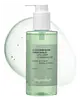
This oil-based makeup remover is made to dissolve makeup, sunscreen, and daily buildup.
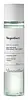
This brightening essence is formulated around Mandelic Acid to brighten dull-looking skin and refine skin texture.

What's inside
What's inside
 Key Ingredients
Benefits
Concerns
Ingredients Side-by-side
Ethylhexyl Palmitate
Emollient




Sorbeth-30 Tetraoleate
Emulsifying
Triethylhexanoin
MaskingCetyl Ethylhexanoate
EmollientIsopropyl Palmitate
Emollient
Diisostearyl Malate
EmollientSorbitan Sesquioleate
Emulsifying
Caprylic/Capric Triglyceride
Masking


Parfum
Masking


Oryza Sativa Bran Oil
Emollient


Camellia Japonica Seed Oil
Emollient
Artemisia Vulgaris Oil
Perfuming
Water
Skin ConditioningMelia Azadirachta Leaf Extract
Skin ConditioningMelia Azadirachta Flower Extract
Skin ConditioningButylene Glycol
Humectant
Coccinia Indica Fruit Extract
Skin Conditioning
Artemisia Princeps Leaf Extract
Skin ConditioningAmber Powder
Adansonia Digitata Seed Oil
Emollient
Camellia Oleifera Seed Oil
Skin Conditioning
Carthamus Tinctorius Seed Oil
Masking
Capryloyl Salicylic Acid
Exfoliating




Helianthus Annuus Seed Oil
Emollient
Hippophae Rhamnoides Oil
Emollient
Methylpropanediol
SolventOlea Europaea Fruit Oil
Masking
Persea Gratissima Oil
Skin Conditioning
Prunus Armeniaca Kernel Oil
Masking
Ribes Nigrum Seed Oil
Emollient
Solanum Melongena Fruit Extract
Skin ConditioningCurcuma Longa Root Extract
Antioxidant
Ocimum Sanctum Leaf Extract
Skin Conditioning1,2-Hexanediol
Skin Conditioning
Corallina Officinalis Extract
Skin Conditioning
Moringa Oleifera Seed Oil
Emollient
Artemisia Annua Extract
Masking
Centella Asiatica Extract
Cleansing


Ethylhexylglycerin
Skin ConditioningHordeum Vulgare Extract
EmollientEthylhexyl Palmitate, Sorbeth-30 Tetraoleate, Triethylhexanoin, Cetyl Ethylhexanoate, Isopropyl Palmitate, Diisostearyl Malate, Sorbitan Sesquioleate, Caprylic/Capric Triglyceride, Parfum, Oryza Sativa Bran Oil, Camellia Japonica Seed Oil, Artemisia Vulgaris Oil, Water, Melia Azadirachta Leaf Extract, Melia Azadirachta Flower Extract, Butylene Glycol, Coccinia Indica Fruit Extract, Artemisia Princeps Leaf Extract, Amber Powder, Adansonia Digitata Seed Oil, Camellia Oleifera Seed Oil, Carthamus Tinctorius Seed Oil, Capryloyl Salicylic Acid, Helianthus Annuus Seed Oil, Hippophae Rhamnoides Oil, Methylpropanediol, Olea Europaea Fruit Oil, Persea Gratissima Oil, Prunus Armeniaca Kernel Oil, Ribes Nigrum Seed Oil, Solanum Melongena Fruit Extract, Curcuma Longa Root Extract, Ocimum Sanctum Leaf Extract, 1,2-Hexanediol, Corallina Officinalis Extract, Moringa Oleifera Seed Oil, Artemisia Annua Extract, Centella Asiatica Extract, Ethylhexylglycerin, Hordeum Vulgare Extract
Oryza Sativa Bran Water
Masking
Butylene Glycol
Humectant
Dipropylene Glycol
HumectantGlycerin
Humectant
1,2-Hexanediol
Skin Conditioning
Hordeum Vulgare Leaf Extract
Skin ConditioningHordeum Vulgare Extract
EmollientCoix Lacryma-Jobi Ma-Yuen Seed Extract
Skin ConditioningPinus Densiflora Leaf Extract
Antimicrobial
Beta-Glucan
Skin Conditioning
Artemisia Annua Extract
Masking
Betaine
Humectant
Citrus Junos Fruit Extract
Skin ConditioningSuccinic Acid
BufferingMandelic Acid
Antimicrobial

Benzoic Acid
Masking
Benzaldehyde
Masking
Diglycerin
Humectant
Polyglyceryl-10 Laurate
Skin Conditioning
Water
Skin ConditioningCitric Acid
Buffering
Acrylates/C10-30 Alkyl Acrylate Crosspolymer
Emulsion StabilisingGardenia Florida Fruit Extract
Skin ConditioningTocopherol
Antioxidant
Tromethamine
BufferingHydroxyethylcellulose
Emulsion StabilisingMelia Azadirachta Leaf Extract
Skin ConditioningDextrin
AbsorbentMelia Azadirachta Flower Extract
Skin ConditioningEthylhexylglycerin
Skin ConditioningDisodium EDTA
ChelatingOryza Sativa Bran Water, Butylene Glycol, Dipropylene Glycol, Glycerin, 1,2-Hexanediol, Hordeum Vulgare Leaf Extract, Hordeum Vulgare Extract, Coix Lacryma-Jobi Ma-Yuen Seed Extract, Pinus Densiflora Leaf Extract, Beta-Glucan, Artemisia Annua Extract, Betaine, Citrus Junos Fruit Extract, Succinic Acid, Mandelic Acid, Benzoic Acid, Benzaldehyde, Diglycerin, Polyglyceryl-10 Laurate, Water, Citric Acid, Acrylates/C10-30 Alkyl Acrylate Crosspolymer, Gardenia Florida Fruit Extract, Tocopherol, Tromethamine, Hydroxyethylcellulose, Melia Azadirachta Leaf Extract, Dextrin, Melia Azadirachta Flower Extract, Ethylhexylglycerin, Disodium EDTA
Reviews
Ingredients Explained
These ingredients are found in both products.
Ingredients higher up in an ingredient list are typically present in a larger amount.
1,2-Hexanediol is a synthetic liquid and another multi-functional powerhouse.
It is a:
- Humectant, drawing moisture into the skin
- Emollient, helping to soften skin
- Solvent, dispersing and stabilizing formulas
- Preservative booster, enhancing the antimicrobial activity of other preservatives
Artemisia Annua Extract comes from sweet wormwood or the annual mugwort. This plant is best known historically as the source of the anti-malarial drug, artemisinin.
In skincare, this ingredient has skin soothing and conditioning properties that make it a great choice for sensitive, reactive, or acne-prone skin.
The extract is rich in polyphenols, flavonoids, and sesquiterpenes that do most of the work in a formula.
A 2020 human clinical trial found that cosmetics containing Artemisia Annua Extract increased stratum corneum hydration and reduced transepidermal water loss while also calming redness and inflammation over four weeks of use.
Lab and animal studies build on this as well, showing the extract reduces inflammatory signals, boosts a protein important for barrier health (filaggrin), and has anti-itch/antibacterial activity (including against C.acnes, the bacteria linked to breakouts).
There's also a well-documented artemisinin-free version called Artemisia Naphta oil which performed well at 1% in a small human trial for sensitive and acne-prone skin.
On concentrations, published research clusters around 1% for finished products.
The ingredient is generally well-tolerated, but people with Asteraceae or ragweed allergies may want to patch test first.
Learn more about Artemisia Annua ExtractButylene Glycol (or BG) is used within cosmetic products for a few different reasons:
Overall, Butylene Glycol is a safe and well-rounded ingredient that works well with other ingredients.
Though this ingredient works well with most skin types, some people with sensitive skin may experience a reaction such as allergic rashes, closed comedones, or itchiness.
Learn more about Butylene GlycolEthylhexylglycerin is created from glycerin. It is a multitasker ingredient that:
The CIR Expert Panel found minimal skin absorption or sensitization of any kind in a safety assessment. Though this ingredient is considered well-tolerated, a small number of cases of allergic dermatitis have been published since 2002. Just be sure to patch test if you are unsure.
Industry-reported use ranges from 8% in rinse-off products and 2% in leave-on formulations.
Learn more about EthylhexylglycerinHordeum Vulgare Extract is an extract of barley, the same grain used in beer and bread.
In skincare, it is a skin conditioning and hydrating agent. This ingredient contains polyphenols, vitamin E, and trace minerals like zinc, copper, and selenium that help neutralize free radicals behind oxidative skin stress.
Lab studies on human skin cells show it can support the skin barrier, boost cell survival, and speed repair after UV exposure.
The Cosmetic Ingredient Review Expert Panel has reviewed 16 barley-derived ingredients and concluded they're safe as used with the highest reported use concentration being 1.5% (in leave-on body/hand products).
Patch testing has also found it not to be a skin irritant or sensitizer at cosmetic levels.
However, barley is a recognized food allergen so people with a known barley/grain allergy should approach it cautiously.
Note: This ingredient is not gluten-free for those avoiding gluten for skin-contact reasons.
Learn more about Hordeum Vulgare ExtractMelia Azadirachta Flower Extract is from the Neem tree. Neem trees originate from India.
Melia Azadirachta Flower Extract contains antioxidants. Antioxidants help fight free-radicals. Free-radicals are molecules that may damage your skin cells, such as pollution.
The flowers of this tree are lilac colored.
Learn more about Melia Azadirachta Flower ExtractThis ingredient is also known as neem leaf extract. It contains natural compounds like nimbidin, quercetin, and other polyphenols that give it antibacterial, antifungal, and anti-inflammatory activity.
Lab studies have shown neem leaf extract can inhibit acne-related bacteria and help calm skin. Animal studies on wound gels using 1-3% neem leaf extract found it sped up healing without causing irritation.
A wound-healing study testing gels with the extract at 1%, 2%, and 3% concentrations and found none of them irritated the skin.
Most commercial products also use it in a similar low range (typically under 5%).
Allergy-wise, there are some case reports on neem oil causing allergic contact dermatitis so people with plant/botanical sensitivities may want to patch test first.
Learn more about Melia Azadirachta Leaf ExtractWater. It's the most common cosmetic ingredient of all. You'll usually see it at the top of ingredient lists, meaning that it makes up the largest part of the product.
So why is it so popular? Water most often acts as a solvent - this means that it helps dissolve other ingredients into the formulation.
You'll also recognize water as that liquid we all need to stay alive. If you see this, drink a glass of water. Remember to stay hydrated!
Learn more about Water

