

What's inside
What's inside
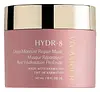 Key Ingredients
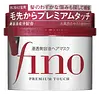
Benefits
Concerns
Ingredients Side-by-side
Water
Skin ConditioningCetearyl Alcohol
Emollient






Silybum Marianum Ethyl Ester
Skin ConditioningCetyl Alcohol
Emollient
Cocos Nucifera Oil
Masking


Limnanthes Alba Seed Oil
Skin Conditioning
Behentrimonium Methosulfate
SurfactantCetrimonium Chloride
Antimicrobial
Parfum
Masking

Sr-(Wasp Spider Polypeptide-1 Oligopeptide-178)
Skin Conditioning
Xylitol
Humectant
Lactitol
HumectantMoringa Oleifera Seed Oil
Emollient
Sclerocarya Birrea Seed Oil
Humectant
Adansonia Digitata Seed Oil
Emollient
Cananga Odorata Flower Oil
Masking

Citrus Junos Peel Oil
Astringent
Gardenia Florida Flower Extract
Skin ConditioningJasminum Grandiflorum Flower Extract
Masking
Aloe Barbadensis Leaf Juice
Skin Conditioning
Magnolia Officinalis Bark Extract
Antimicrobial
Diheptyl Succinate
EmollientCapryloyl Glycerin/Sebacic Acid Copolymer
Skin ConditioningXimenia Americana Seed Oil
Emollient
Behenamidopropyl Dimethylamine
EmulsifyingC10-40 Isoalkylamidopropylethyldimonium Ethosulfate
Glyceryl Caprylate
EmollientPentylene Glycol
Skin Conditioning
Glycerin
Humectant
Stearamidopropyl Dimethylamine
EmulsifyingAllantoin
Skin Conditioning
Lactic Acid
Buffering






Tetrasodium Glutamate Diacetate
ChelatingMannitol
Humectant
Phosphatidylcholine
EmulsifyingSodium Benzoate
Masking
Potassium Sorbate
Preservative
Ceramide NP
Skin Conditioning
Citral
Perfuming
Citronellol
Perfuming
Farnesol
Perfuming
Benzyl Alcohol
Perfuming
Amyl Cinnamal
Perfuming
Limonene
Perfuming
Linalool
Perfuming
Geraniol
Perfuming
Citric Acid
Buffering
Sodium Chloride
MaskingWater, Cetearyl Alcohol, Silybum Marianum Ethyl Ester, Cetyl Alcohol, Cocos Nucifera Oil, Limnanthes Alba Seed Oil, Behentrimonium Methosulfate, Cetrimonium Chloride, Parfum, Sr-(Wasp Spider Polypeptide-1 Oligopeptide-178), Xylitol, Lactitol, Moringa Oleifera Seed Oil, Sclerocarya Birrea Seed Oil, Adansonia Digitata Seed Oil, Cananga Odorata Flower Oil, Citrus Junos Peel Oil, Gardenia Florida Flower Extract, Jasminum Grandiflorum Flower Extract, Aloe Barbadensis Leaf Juice, Magnolia Officinalis Bark Extract, Diheptyl Succinate, Capryloyl Glycerin/Sebacic Acid Copolymer, Ximenia Americana Seed Oil, Behenamidopropyl Dimethylamine, C10-40 Isoalkylamidopropylethyldimonium Ethosulfate, Glyceryl Caprylate, Pentylene Glycol, Glycerin, Stearamidopropyl Dimethylamine, Allantoin, Lactic Acid, Tetrasodium Glutamate Diacetate, Mannitol, Phosphatidylcholine, Sodium Benzoate, Potassium Sorbate, Ceramide NP, Citral, Citronellol, Farnesol, Benzyl Alcohol, Amyl Cinnamal, Limonene, Linalool, Geraniol, Citric Acid, Sodium Chloride
Water
Skin ConditioningSorbitol
Humectant
Dimethicone
Emollient
Hydrogenated Rapeseed Oil
Emollient
Isopentyldiol
Humectant
Behentrimonium Chloride
Preservative
Amodimethicone
Hydroxypropyl Arginine Lauryl/Myristyl Ether Hcl
Skin ConditioningDihydroxyethyl Stearyl Glycinate
Glutamic Acid
Humectant
Trehalose
Humectant
Squalane
Emollient
Steartrimonium Chloride
Preservative
PEG-90m
Emulsion StabilisingPCA
Humectant
Phytosteryl/Octyldodecyl Lauroyl Glutamate
Skin ConditioningHydrolyzed Wheat Protein
Skin ConditioningPolyquaternium-64
Hydrolyzed Silk Gland Powder
HumectantRoyal Jelly Extract
Skin Conditioning
Isopropyl Alcohol
Solvent
Cetyl Alcohol
Emollient
Octyldodecanol
Emollient
Alcohol
Antimicrobial
Propylene Glycol
Humectant
Butylene Glycol
Humectant
Tocopherol
Antioxidant

Phenoxyethanol
Preservative
Sodium Benzoate
Masking
Parfum
Masking
CI 15985
Cosmetic ColorantWater, Sorbitol, Dimethicone, Hydrogenated Rapeseed Oil, Isopentyldiol, Behentrimonium Chloride, Amodimethicone, Hydroxypropyl Arginine Lauryl/Myristyl Ether Hcl, Dihydroxyethyl Stearyl Glycinate, Glutamic Acid, Trehalose, Squalane, Steartrimonium Chloride, PEG-90m, PCA, Phytosteryl/Octyldodecyl Lauroyl Glutamate, Hydrolyzed Wheat Protein, Polyquaternium-64, Hydrolyzed Silk Gland Powder, Royal Jelly Extract, Isopropyl Alcohol, Cetyl Alcohol, Octyldodecanol, Alcohol, Propylene Glycol, Butylene Glycol, Tocopherol, Phenoxyethanol, Sodium Benzoate, Parfum, CI 15985
Reviews
Ingredients Explained
These ingredients are found in both products.
Ingredients higher up in an ingredient list are typically present in a larger amount.
Cetyl Alcohol is a fatty alcohol. Fatty Alcohols are most often used as an emollient or to thicken a product.
Its main roles are:
Though it has "alcohol" in the name, it is not related to denatured alcohol or ethyl alcohol.
The FDA allows products labeled "alcohol-free" to have fatty alcohols.
This ingredient may not be fungal acne safe. It is a primary fatty alcohol with a chain length above 12 carbons. A study from 2019 show Malassezia can feed on fatty alcohols in this range, so it may trigger fungal acne in those prone to it.
Learn more about Cetyl AlcoholParfum is a catch-all term for an ingredient or more that is used to give a scent to products.
Also called "fragrance", this ingredient can be a blend of hundreds of chemicals or plant oils. This means every product with "fragrance" or "parfum" in the ingredients list is a different mixture.
For instance, Habanolide is a proprietary trade name for a specific aroma chemical. When used as a fragrance ingredient in cosmetics, most aroma chemicals fall under the broad labeling category of “FRAGRANCE” or “PARFUM” according to EU and US regulations.
The term 'parfum' or 'fragrance' is not regulated in many countries. In many cases, it is up to the brand to define this term.
For instance, many brands choose to label themselves as "fragrance-free" because they are not using synthetic fragrances. However, their products may still contain ingredients such as essential oils that are considered a fragrance by INCI standards.
One example is Calendula flower extract. Calendula is an essential oil that still imparts a scent or 'fragrance'.
Depending on the blend, the ingredients in the mixture can cause allergies and sensitivities on the skin. Some ingredients that are known EU allergens include linalool and citronellol.
Parfum can also be used to mask or cover an unpleasant scent.
The bottom line is: not all fragrances/parfum/ingredients are created equally. If you are worried about fragrances, we recommend taking a closer look at an ingredient. And of course, we always recommend speaking with a professional.
Learn more about ParfumSodium Benzoate is a preservative. It's used in both cosmetic and food products to inhibit the growth of mold and bacteria. It is typically produced synthetically.
Both the US FDA and EU Health Committee have approved the use of sodium benzoate. In the US, levels of 0.1% (of the total product) are allowed.
Sodium benzoate works as a preservative by inhibiting the growth of bacteria inside of cells. It prevents the cell from fermenting a type of sugar using an enzyme called phosphofructokinase.
It is the salt of benzoic acid. Foods containing sodium benzoate include soda, salad dressings, condiments, fruit juices, wines, and snack foods.
Studies for using ascorbic acid and sodium benzoate in cosmetics are lacking, especially in skincare routines with multiple steps.
We always recommend speaking with a professional, such as a dermatologist, if you have any concerns.
Learn more about Sodium BenzoateWater. It's the most common cosmetic ingredient of all. You'll usually see it at the top of ingredient lists, meaning that it makes up the largest part of the product.
So why is it so popular? Water most often acts as a solvent - this means that it helps dissolve other ingredients into the formulation.
You'll also recognize water as that liquid we all need to stay alive. If you see this, drink a glass of water. Remember to stay hydrated!
Learn more about Water

