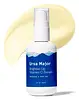
This brightening serum is formulated around Ascorbic Acid and Aloe Barbadensis Leaf Juice to brighten dull-looking skin and fade the look of dark spots.
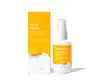
This hydrating serum is formulated around Cocos Nucifera Oil and Simmondsia Chinensis Seed Oil to hydrate skin.

What's inside
What's inside
 Key Ingredients
Benefits
Concerns
Ingredients Side-by-side
Aloe Barbadensis Leaf Juice
Skin Conditioning


Helianthus Annuus Seed Oil
Emollient


Glycerin
Humectant

Coco-Glucoside
Cleansing
Coconut Alcohol
Emollient
Populus Tremuloides Bark Extract
AntiseborrhoeicAscorbic Acid
Antioxidant





Rosa Canina Seed Extract
EmollientButyrospermum Parkii Butter
Skin Conditioning


Leontopodium Alpinum Meristem Cell Culture
Skin ConditioningHydrogenated Lecithin
Emulsifying
Glyceryl Caprylate
EmollientSclerotium Gum
Emulsion StabilisingRosa Damascena Flower Oil
Masking



Citrus Sinensis Peel Oil Expressed
Perfuming
Rosmarinus Officinalis Leaf Extract
AntimicrobialBisabolol
Antioxidant
Sodium Anisate
AntimicrobialLactic Acid
Buffering


Xanthan Gum
EmulsifyingAloe Barbadensis Leaf Juice, Helianthus Annuus Seed Oil, Glycerin, Coco-Glucoside, Coconut Alcohol, Populus Tremuloides Bark Extract, Ascorbic Acid, Rosa Canina Seed Extract, Butyrospermum Parkii Butter, Leontopodium Alpinum Meristem Cell Culture, Hydrogenated Lecithin, Glyceryl Caprylate, Sclerotium Gum, Rosa Damascena Flower Oil, Citrus Sinensis Peel Oil Expressed, Rosmarinus Officinalis Leaf Extract, Bisabolol, Sodium Anisate, Lactic Acid, Xanthan Gum
Cocos Nucifera Oil
Masking
Water
Skin ConditioningSimmondsia Chinensis Seed Oil
Emollient
Glycerin
Humectant
Butyrospermum Parkii Butter
Skin Conditioning
Argania Spinosa Kernel Oil
Emollient
Rosa Canina Seed Oil
Emollient
Aloe Barbadensis Leaf Juice
Skin Conditioning
Saccharomyces/Xylinum/Black Tea Ferment
Skin Conditioning
Isomalt
HumectantCurcuma Longa Root Extract
Antioxidant
Propanediol
Solvent
Stellaria Media Extract
Skin ConditioningPopulus Tremuloides Bark Extract
AntiseborrhoeicGleditsia Triacanthos Seed Extract
Poria Cocos Polysaccharide
Skin ConditioningFomes Officinalis Extract
Skin ProtectingPhytosterols
Skin Conditioning
Sodium Hyaluronate
Humectant
Picea Mariana Bark Extract
Antioxidant
Pinus Banksiana Bark Extract
Skin ConditioningBetula Alleghaniensis Bark Extract
Skin ConditioningBetula Alba Leaf Extract
AstringentBetula Alba Juice
AstringentAcer Rubrum Bark Extract
Skin ConditioningAcer Saccharum Sap Extract
HumectantTilia Tomentosa Extract
Skin ConditioningMelia Azadirachta Bark Extract
AntimicrobialFusanus Spicatus Wood Oil
Masking
Hydrolyzed Viola Tricolor Extract
Skin ProtectingTephrosia Purpurea Seed Extract
Skin ConditioningTrifolium Pratense Leaf Extract
Antioxidant
Impatiens Balsamina Leaf Extract
AstringentCardiospermum Halicacabum Flower/Leaf/Vine Extract
Skin ConditioningEclipta Prostrata Extract
Skin Conditioning
Rosa Damascena Flower Oil
Masking
Citrus Aurantium Flower Oil
Perfuming
Melia Azadirachta Leaf Extract
Skin ConditioningMelia Azadirachta Flower Extract
Skin ConditioningHelianthus Annuus Seed Oil Unsaponifiables
Emollient
Helianthus Annuus Seed Oil
Emollient
Ribes Nigrum Seed Oil
Emollient
Capparis Spinosa Bud Extract
Skin ConditioningMorus Nigra Leaf Extract
Skin ConditioningFragaria Chiloensis Fruit Extract
Skin Conditioning
Leuconostoc/Radish Root Ferment Filtrate
Antimicrobial
Moringa Oleifera Seed Oil
Emollient
Rosmarinus Officinalis Leaf Extract
AntimicrobialRhodiola Rosea Root Extract
EmollientOcimum Basilicum Flower/Leaf Extract
TonicOcimum Sanctum Leaf Extract
Skin ConditioningPetroselinum Crispum Extract
Skin ConditioningCorallina Officinalis Extract
Skin Conditioning
Tocopherol
Antioxidant
Phytol
Emollient
Gluconolactone
Chelating

Pentylene Glycol
Skin Conditioning
Octyldodecanol
Emollient
Glyceryl Stearate
Emollient
Sodium Stearoyl Glutamate
CleansingCaprylyl Glycol
Emollient
Phenethyl Alcohol
MaskingPotassium Sorbate
Preservative
Sodium Benzoate
Masking
Calcium Gluconate
HumectantCitric Acid
Buffering
Farnesol
Perfuming
Citronellol
Perfuming
Geraniol
Perfuming
Cocos Nucifera Oil, Water, Simmondsia Chinensis Seed Oil, Glycerin, Butyrospermum Parkii Butter, Argania Spinosa Kernel Oil, Rosa Canina Seed Oil, Aloe Barbadensis Leaf Juice, Saccharomyces/Xylinum/Black Tea Ferment, Isomalt, Curcuma Longa Root Extract, Propanediol, Stellaria Media Extract, Populus Tremuloides Bark Extract, Gleditsia Triacanthos Seed Extract, Poria Cocos Polysaccharide, Fomes Officinalis Extract, Phytosterols, Sodium Hyaluronate, Picea Mariana Bark Extract, Pinus Banksiana Bark Extract, Betula Alleghaniensis Bark Extract, Betula Alba Leaf Extract, Betula Alba Juice, Acer Rubrum Bark Extract, Acer Saccharum Sap Extract, Tilia Tomentosa Extract, Melia Azadirachta Bark Extract, Fusanus Spicatus Wood Oil, Hydrolyzed Viola Tricolor Extract, Tephrosia Purpurea Seed Extract, Trifolium Pratense Leaf Extract, Impatiens Balsamina Leaf Extract, Cardiospermum Halicacabum Flower/Leaf/Vine Extract, Eclipta Prostrata Extract, Rosa Damascena Flower Oil, Citrus Aurantium Flower Oil, Melia Azadirachta Leaf Extract, Melia Azadirachta Flower Extract, Helianthus Annuus Seed Oil Unsaponifiables, Helianthus Annuus Seed Oil, Ribes Nigrum Seed Oil, Capparis Spinosa Bud Extract, Morus Nigra Leaf Extract, Fragaria Chiloensis Fruit Extract, Leuconostoc/Radish Root Ferment Filtrate, Moringa Oleifera Seed Oil, Rosmarinus Officinalis Leaf Extract, Rhodiola Rosea Root Extract, Ocimum Basilicum Flower/Leaf Extract, Ocimum Sanctum Leaf Extract, Petroselinum Crispum Extract, Corallina Officinalis Extract, Tocopherol, Phytol, Gluconolactone, Pentylene Glycol, Octyldodecanol, Glyceryl Stearate, Sodium Stearoyl Glutamate, Caprylyl Glycol, Phenethyl Alcohol, Potassium Sorbate, Sodium Benzoate, Calcium Gluconate, Citric Acid, Farnesol, Citronellol, Geraniol
Ingredients Explained
These ingredients are found in both products.
Ingredients higher up in an ingredient list are typically present in a larger amount.
Aloe Barbadensis Leaf Juice is the filtered, stabilized liquid pressed from the inner gel of the aloe vera leaf.
In cosmetics, it shows up as either soothing active or a water-replacement base. It is roughly 98-99% water and the last 1-2% is an interesting mix of polysaccharides, amino acids, vitamins, minerals, and enzymes.
The polysaccharides do most of the work: they bind water at the skin surface for a light, non-greasy hydration boost. And one of the polysaccharides, glycomannan, is linked to fibroblast stimulation + collagen synthesis. This is also why aloe has such a long track record in wound and burn healing.
This ingredient is also calming with anti-inflammatory and mild antimicrobial activity, making it a great pick for sensitive, irritated, or post-sun skin.
Realistic expectations matter though; the solid evidence is mostly limited to hydration, soothing, and wound support. Deeper claims about anti-aging or sun protection are not well backed, and science reviews note it does not prevent radiation-induced skin injury.
Because it plays well with almost everything, it's commonly used as a base alongside other actives like niacinamide or vitamin C.
Typical usage concentrations range from 0.5% (where hydration benefits already show up) all the way to 90%+ (where it replaces water as the main base).
The safety for this ingredient is well-establish as well. Overall, this is a great supporting ingredient for those who want a boost in hydration.
Learn more about Aloe Barbadensis Leaf JuiceThis ingredient is also known as shea butter. It is a plant-derived extract from the nuts of the Africa shea tree and one of the most well-studied emollients.
Because it has a high concentration of fatty acids (primarily oleic, stearic, and linoleic) it is able to form a protective barrier on the skin's surface. This helps seal in moisture and prevents transepidermal water loss (TEWL).
In vitro research found an increase in skin hydration by 58% and a decrease in TEWL by 37.8% after 24 hours of applying this ingredient (pretty impressive for a single ingredient!).
Besides hydration, shea butter also contains triterpenes that have anti-inflammatory potential. In particule, lupeol cinnamate has shown the highest anti-inflammatory activity in vivo.
Shea butter also contains vitamins A and E which may contribute to antioxidant activity.
While Shea Butter has an SPF rating of about 3-4, it is not a sunscreen replacement.
This ingredient may not be fungal acne safe because its fatty acids fall within the C11-C24 range that the Malassezia yeast can metabolize.
This ingredient shows up on a lot of "pore-clogging" lists but there's no real evidence behind that. It doesn't even have a comedogenic rating from an actual study; the numbers you'll find online come from blogs citing other blogs.
Ratings for other ingredients mostly come from a 1980s rabbit ear test. This test doesn't translate well to human skin or to real products because the ingredient sits at a much lower percentage.
Some people still find it breaks them out. So if that's you, definitely trust your skin. Just know this one's based on experience and not evidence.
Learn more about Butyrospermum Parkii ButterGlycerin (or glycerol) is a compound naturally found in your skin. It's a powerhouse humectant that pulls water into the stratum corneum.
Topically, glycerin does several things at once:
Your skin makes glycerin on its own (mostly from sebaceous oil breakdown) and shuttles it to your outermost layer of skin, or your epidermis, via aquaporin-3.
Aquaporin-3 is a transporter that is essential for normal skin hydration, elasticity, and repair. Interestingly, mice lacking in AQP3 have dry and less elastic skin that can be fully corrected with glycerin.
This ingredient is non-irritating, plays well with almost every ingredient, and works across all skin types. Typical use is anywhere between 3-10% but can go up to 79% in some leave-on products.
Just know very high concentrations (>40%) can feel tacky in low humidity.
Glycerin is the name for this ingredient in American English. British English uses Glycerol/Glycerine.
Learn more about GlycerinHelianthus Annuus Seed Oil is a plant oil derived from the seeds of a sunflower.
It is rich in fatty acids, primarily linoleic acid and oleic acid. This gives it emollient and skin conditioning properties.
The reason this ingredient is so effective is because it forms a thin film on the skin that reduces transepidermal water loss (TEWL) while supplying linoleic acid to the stratum corneum to improve barrier strength.
The high linoleic acid content is particularly noteworthy for acne-prone skin.
Research suggests that acne-prone skin tends to be deficient in linoleic acid in sebum. Topical application may help replenish this to support a healthier follicular environment and less comedone-promoting sebum.
One randomized study found sunflower seed oil preserved skin barrier integrity in adult volunteers with and without atopic dermatitis (outperforming olive oil).
This ingredient is well-studied, gentle, and an effective emollient suitable for most skin types.
On fungal acne: This ingredient may not be Fungal acne (Malassezia folliculitis) safe. This is because it contains fatty acids with carbon chain lengths in the C11-C24 range.
Learn more about Helianthus Annuus Seed OilWe don't have a description for Populus Tremuloides Bark Extract yet.
Rosa Damascena Flower Oil is an essential oil made from the Damask Rose. It is often used as a fragrance in cosmetics.
Rose Oil has antibacterial and antioxidant properties due to its terpene, glycoside, flavonoid, anthocyanin, and Vitamin C content.
Other major parts of Rose Oil include citronellol and geraniol. Both of these are known EU allergens and cause contact-allergies.
The downsides of this ingredient outweight the positives.
Learn more about Rosa Damascena Flower OilThis is a botanical extract from the rosemary plant (the same one you cook with). In skincare, it mostly works as a skin conditioning agent.
Its activity comes from a handful of polyphenols, carnosic acid, carnosol, and rosmarinic acid. Almost 90% of the antioxidant activity of this ingredient can be attributed to canosol and carnosic acid.
These compounds protect your skin two ways:
1) They fight off free radicals, or the unstable molecules from things like sun and pollution that age and damage skin.
2) They help calm inflammation by switching off the chemical signals that tell skin to get red and irritated.
Lab studies also suggest that rosmarinic acid may help protect collagen and slow sugar-related damage to it.
The Cosmetic Ingredient Review has concluded rosemary-derived ingredients to be safe when formulated to be non-sensitizing.
Rosemary can occasionally cause allergic contact dermatitis (due to carnosol), so be sure to patch test if you have reactive or fragrance-sensitive skin.
Learn more about Rosmarinus Officinalis Leaf Extract

