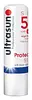
This barrier-repair lip moisturizer is formulated around Ricinus Communis Seed Oil and Butyrospermum Parkii Butter to strengthen the lip barrier and hydrate lips.
This barrier-repair lip moisturizer is formulated around Butyrospermum Parkii Butter and Ricinus Communis Seed Oil to strengthen the lip barrier and hydrate lips.


What's inside
What's inside
 Key Ingredients
Benefits
Concerns
Ingredients Side-by-side
Ricinus Communis Seed Oil
Masking




Cera Alba
Emollient


Dibutyl Adipate
EmollientDiethylamino Hydroxybenzoyl Hexyl Benzoate
UV Filter
Diethylhexyl Butamido Triazone
UV Absorber
C12-15 Alkyl Benzoate
AntimicrobialDicaprylyl Carbonate
EmollientButyrospermum Parkii Butter
Skin Conditioning
Ethylhexyl Triazone
UV Absorber
Argania Spinosa Kernel Oil
Emollient


Euphorbia Cerifera Cera
Astringent
Tocopheryl Acetate
Antioxidant


Zinc Oxide
Cosmetic Colorant
Bis-Ethylhexyloxyphenol Methoxyphenyl Triazine
UV Absorber
Aroma

Ethylhexyl Salicylate
UV Absorber
Bisabolol
Antioxidant

Ricinus Communis Seed Oil, Cera Alba, Dibutyl Adipate, Diethylamino Hydroxybenzoyl Hexyl Benzoate, Diethylhexyl Butamido Triazone, C12-15 Alkyl Benzoate, Dicaprylyl Carbonate, Butyrospermum Parkii Butter, Ethylhexyl Triazone, Argania Spinosa Kernel Oil, Euphorbia Cerifera Cera, Tocopheryl Acetate, Zinc Oxide, Bis-Ethylhexyloxyphenol Methoxyphenyl Triazine, Aroma, Ethylhexyl Salicylate, Bisabolol
Butyrospermum Parkii Butter
Skin Conditioning
Diisostearyl Malate
EmollientPolyglyceryl-2 Triisostearate
Emulsifying
Octyldodecanol
Emollient
Microcrystalline Wax
Emulsion StabilisingEthylhexyl Methoxycinnamate
UV Absorber
Ricinus Communis Seed Oil
Masking
Ceresin
Emulsion StabilisingEthylhexyl Salicylate
UV Absorber
Meadowfoam Delta-Lactone
Skin ConditioningEuphorbia Cerifera Wax
Ozokerite
Emulsion StabilisingParaffin
Skin Conditioning
Polybutene
Jojoba Esters
Emollient
Olea Europaea Fruit Oil
Masking
Polyethylene
Abrasive
Sorbitan Sesquioleate
Emulsifying
Prunus Amygdalus Dulcis Oil
Skin Conditioning
Tribehenin
Emollient
Polyglyceryl-6 Polyricinoleate
Emulsifying
Rosa Damascena Flower Oil
Masking

Oenothera Biennis Oil
Emollient
Camellia Japonica Seed Oil
Emollient
Limnanthes Alba Seed Oil
Skin Conditioning
Prunus Armeniaca Kernel Oil
Masking
Elaeis Guineensis Oil
Emollient
Carthamus Tinctorius Seed Oil
Masking
Helianthus Annuus Seed Oil
Emollient
Trihydroxystearin
Skin Conditioning
Tocopherol
Antioxidant
Dehydroacetic Acid
Preservative
Parfum
Masking
Butyrospermum Parkii Butter, Diisostearyl Malate, Polyglyceryl-2 Triisostearate, Octyldodecanol, Microcrystalline Wax, Ethylhexyl Methoxycinnamate, Ricinus Communis Seed Oil, Ceresin, Ethylhexyl Salicylate, Meadowfoam Delta-Lactone, Euphorbia Cerifera Wax, Ozokerite, Paraffin, Polybutene, Jojoba Esters, Olea Europaea Fruit Oil, Polyethylene, Sorbitan Sesquioleate, Prunus Amygdalus Dulcis Oil, Tribehenin, Polyglyceryl-6 Polyricinoleate, Rosa Damascena Flower Oil, Oenothera Biennis Oil, Camellia Japonica Seed Oil, Limnanthes Alba Seed Oil, Prunus Armeniaca Kernel Oil, Elaeis Guineensis Oil, Carthamus Tinctorius Seed Oil, Helianthus Annuus Seed Oil, Trihydroxystearin, Tocopherol, Dehydroacetic Acid, Parfum
Reviews
Ingredients Explained
These ingredients are found in both products.
Ingredients higher up in an ingredient list are typically present in a larger amount.
This ingredient is also known as shea butter. It is a plant-derived extract from the nuts of the Africa shea tree and one of the most well-studied emollients.
Because it has a high concentration of fatty acids (primarily oleic, stearic, and linoleic) it is able to form a protective barrier on the skin's surface. This helps seal in moisture and prevents transepidermal water loss (TEWL).
In vitro research found an increase in skin hydration by 58% and a decrease in TEWL by 37.8% after 24 hours of applying this ingredient (pretty impressive for a single ingredient!).
Besides hydration, shea butter also contains triterpenes that have anti-inflammatory potential. In particule, lupeol cinnamate has shown the highest anti-inflammatory activity in vivo.
Shea butter also contains vitamins A and E which may contribute to antioxidant activity.
While Shea Butter has an SPF rating of about 3-4, it is not a sunscreen replacement.
This ingredient may not be fungal acne safe because its fatty acids fall within the C11-C24 range that the Malassezia yeast can metabolize.
This ingredient shows up on a lot of "pore-clogging" lists but there's no real evidence behind that. It doesn't even have a comedogenic rating from an actual study; the numbers you'll find online come from blogs citing other blogs.
Ratings for other ingredients mostly come from a 1980s rabbit ear test. This test doesn't translate well to human skin or to real products because the ingredient sits at a much lower percentage.
Some people still find it breaks them out. So if that's you, definitely trust your skin. Just know this one's based on experience and not evidence.
Learn more about Butyrospermum Parkii ButterEthylhexyl Salicylate (also called Octisalate or Octyl Salicylate) is an oil-soluble organic UV filter that's been used in sunscreen since the 1950's.
It absorbs UVB light in the 280-320 nm range with a peak absorbance around 306 nm.
You'll often see it paired with other UV filters to boost overall SPF because octisalate is a fairly week filter on its own.
The reason you'll see it so often is because it can help solubilize and stabilize the trickier filters like oxybenzone and avobenzone.
Unlike these filters, octisalate has pretty good photostability and doesn't create skin-damaging free radicals when exposed to sunlight.
The fatty-alcohol part of the molecule also gives it a light, emollient feel so it doubles as a nice texture enhancer.
Usage levels vary around the world:
Safety-wise, this ingredient has a pretty reassuring track record. The EU's Scientific Committee on Consumer Products (SCCP) found very low skin penetration in human skin tests and negative results for irritation, phototoxicity, and photoallergy.
The real-world allergy risk is pretty low too; a 2012 European study of 1,031 people recorded only 2 reactions to it (a rate of 0.19%).
You might have seen scary headlines about sunscreen getting into your blood.
In 2019, the FDA found that several chemical filters can absorb through the skin and show up in the bloodstream at small but measurable levels.
Here's the important part: these tiny levels are just a cutoff the FDA uses to decide which ingredients need more testing and doesn't mean anything harmful was found.
The researchers were clear that the results are no reason to stop wearing sunscreen.
Learn more about Ethylhexyl SalicylateThis ingredient is also known as castor oil. It is a skin conditioning ingredient.
The star component of castor oil is ricinoleic acid, an unusual fatty acid that makes up ~80-92% of its composition.
In skincare, it is an emollient that dries down to a solid film with water-binding properties. This helps keep skin hydrated and helps reduce transepidermal water loss (TEWL).
A 2026 dermatology review pulls together its broader uses:
Human clinical testing found this ingredient to be non-irritating and non-sensitizing.
Because castor oil contains fatty acids in the C11-24 range, this ingredient may not be fungal acne safe.
At this time, the literature does not support castor oil in regrowing hair. A 2022 systematic review found no strong evidence that it supports hair growth and only weak evidence that it improves hair shine.
Castor oil itself carries "perfuming" and "masking" function tags according to the official CosIng database. This is because of its mild odor and odor-dampening properties.
Learn more about Ricinus Communis Seed Oil

