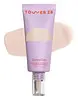
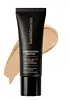
Tower 28 Beauty SunnyDays Tinted SPF 30 Versus bareMinerals Complexion Rescue Natural Matte Tinted Moisturizer SPF 30

What's inside
What's inside
 Key Ingredients
Benefits
Concerns
Ingredients Side-by-side
Zinc Oxide 12.6%
Cosmetic Colorant


Water
Skin ConditioningIsononyl Isononanoate
EmollientC9-12 Alkane
SolventButyloctyl Salicylate
Skin Conditioning
Polyglyceryl-6 Polyricinoleate
Emulsifying
Caprylic/Capric Triglyceride
Masking


Glycerin
Humectant
Ethylhexyl Methoxycrylene
Skin Conditioning
Trimethylsiloxysilicate
Emollient
Mica
Cosmetic ColorantPolyglyceryl-2 Isostearate
Emulsifying
Sodium Chloride
MaskingPhenoxyethanol
Preservative
Disteardimonium Hectorite
StabilisingPolyglyceryl-3 Polyricinoleate
Emulsifying
Polyhydroxystearic Acid
Emulsifying
Coco-Caprylate/Caprate
Emollient
Isostearic Acid
Cleansing
Lecithin
Emollient
Polyglyceryl-6 Polyhydroxystearate
Emulsifying
Jojoba Esters
Emollient
Ethylhexylglycerin
Skin ConditioningSodium Phytate
Aloe Barbadensis Leaf Water
MaskingCentella Asiatica Extract
Cleansing



Opuntia Tuna Fruit
Skin ConditioningSalvia Officinalis Extract
Antimicrobial
Iron Oxides
CI 77891
Cosmetic ColorantZinc Oxide 12.6%, Water, Isononyl Isononanoate, C9-12 Alkane, Butyloctyl Salicylate, Polyglyceryl-6 Polyricinoleate, Caprylic/Capric Triglyceride, Glycerin, Ethylhexyl Methoxycrylene, Trimethylsiloxysilicate, Mica, Polyglyceryl-2 Isostearate, Sodium Chloride, Phenoxyethanol, Disteardimonium Hectorite, Polyglyceryl-3 Polyricinoleate, Polyhydroxystearic Acid, Coco-Caprylate/Caprate, Isostearic Acid, Lecithin, Polyglyceryl-6 Polyhydroxystearate, Jojoba Esters, Ethylhexylglycerin, Sodium Phytate, Aloe Barbadensis Leaf Water, Centella Asiatica Extract, Opuntia Tuna Fruit, Salvia Officinalis Extract, Iron Oxides, CI 77891
Titanium Dioxide 6.9%
Cosmetic Colorant
Water
Skin ConditioningCoconut Alkanes
Emollient
Propanediol
Solvent
Squalane
Emollient
Trehalose
Humectant
Kaolin
Abrasive


Silica
Abrasive
Agar
MaskingIsostearic Acid
Cleansing
Polysorbate 60
Emulsifying
Sorbitan Sesquiisostearate
Emulsifying
Caprylic/Capric Triglyceride
Masking
Aluminum Hydroxide
EmollientPolyglyceryl-4 Laurate/Succinate
Phenoxyethanol
Preservative
Coco-Caprylate/Caprate
Emollient
Hydrogen Dimethicone
Glycerin
Humectant
Magnesium Stearate
Cosmetic ColorantChlorphenesin
Antimicrobial
Cellulose Gum
Emulsion StabilisingButylene Glycol
Humectant
Succinoglycan
Skin ConditioningSalicornia Herbacea Extract
Skin ConditioningLauroyl Lysine
Skin Conditioning
Hydrolyzed Hyaluronic Acid
Humectant
Sodium PCA
Humectant
1,2-Hexanediol
Skin Conditioning
Calcium Chloride
AstringentMagnesium Chloride
Biosaccharide Gum-4
Skin Conditioning
Potassium Chloride
Melilotus Officinalis Extract
AstringentPlankton Extract
Skin ConditioningCamellia Japonica Flower Extract
EmollientTheobroma Cacao Seed Extract
Antioxidant
Iron Oxides
CI 77891
Cosmetic ColorantTitanium Dioxide 6.9%, Water, Coconut Alkanes, Propanediol, Squalane, Trehalose, Kaolin, Silica, Agar, Isostearic Acid, Polysorbate 60, Sorbitan Sesquiisostearate, Caprylic/Capric Triglyceride, Aluminum Hydroxide, Polyglyceryl-4 Laurate/Succinate, Phenoxyethanol, Coco-Caprylate/Caprate, Hydrogen Dimethicone, Glycerin, Magnesium Stearate, Chlorphenesin, Cellulose Gum, Butylene Glycol, Succinoglycan, Salicornia Herbacea Extract, Lauroyl Lysine, Hydrolyzed Hyaluronic Acid, Sodium PCA, 1,2-Hexanediol, Calcium Chloride, Magnesium Chloride, Biosaccharide Gum-4, Potassium Chloride, Melilotus Officinalis Extract, Plankton Extract, Camellia Japonica Flower Extract, Theobroma Cacao Seed Extract, Iron Oxides, CI 77891
Reviews
Ingredients Explained
These ingredients are found in both products.
Ingredients higher up in an ingredient list are typically present in a larger amount.
Caprylic/Capric Triglyceride (aka MCT Oil) is a lightweight emollient, solvent, and texture enhancer. It is considered a skin-softener by helping to prevent moisture loss.
Though it behaves like an oil, it is not technically one due to its chemical composition. One perk of this ingredient is that it is very stable, resistant to oxidation, and unlikely to go rancid.
In practice, that translates to a long shelf life and a consistently elegant skin feel.
While there is an assumption Caprylic Triglyceride can clog pores due to it being derived from coconut oil, there is no research supporting this. Just patch test if you have concerns.
Fractionated coconut oil and MCT Oil are both listed as Caprylic/Capric Triglyceride according to INCI. This is because INCI names are based on the ingredient’s final chemical composition and not its marketing name or source.
This ingredient is treated as the gold standard fungal acne safe oil. Even though it is coconut derived, the problematic lauric acid is stripped out.
This leaves just caprylic (C8) and capric (C10) acid. These chain lengths actually trend antifungal; a 2020 study found caprylic acid was enough to disrupt Malassezia furfur cell membrane, with a caprylic acid derivative damaging membrane structures at concentrations as low as 0.2%.
Learn more about Caprylic/Capric TriglycerideCi 77891 is a white pigment from Titanium dioxide. It is naturally found in minerals such as rutile and ilmenite.
It's main function is to add a white color to cosmetics. It can also be mixed with other colors to create different shades.
Ci 77891 is commonly found in sunscreens due to its ability to block UV rays.
Learn more about CI 77891Coco-Caprylate/Caprate is a lightweight ester created from coconut oil fatty acids, caprylic acid, and capric acid.
It is an emollient that helps soften skin and reduce transepidermal water loss (TEWL). What sets it apart from heavier emollients is its ultralight, non-greasy feel.
Once applied, this ingredient dries down quickly and leaves a dry, silky finish behind. This also helps improve spreadability and texture.
This ingredient has an excellent safety-record and is non-irritating.
Typical concentrations for cosmetics range from 0.5-62%.
Research on Malassezia growth found no growth on fatty acid esters with chain lengths shorter than 12 carbons (it prefers C11-24).
Since Coco-Caprylate/Caprate is built on C8 and C10 fatty acids, it is out of the range that Malassezia metabolizes, and therefore safe for fungal acne.
Learn more about Coco-Caprylate/CaprateGlycerin (or glycerol) is a compound naturally found in your skin. It's a powerhouse humectant that pulls water into the stratum corneum.
Topically, glycerin does several things at once:
Your skin makes glycerin on its own (mostly from sebaceous oil breakdown) and shuttles it to your outermost layer of skin, or your epidermis, via aquaporin-3.
Aquaporin-3 is a transporter that is essential for normal skin hydration, elasticity, and repair. Interestingly, mice lacking in AQP3 have dry and less elastic skin that can be fully corrected with glycerin.
This ingredient is non-irritating, plays well with almost every ingredient, and works across all skin types. Typical use is anywhere between 3-10% but can go up to 79% in some leave-on products.
Just know very high concentrations (>40%) can feel tacky in low humidity.
Glycerin is the name for this ingredient in American English. British English uses Glycerol/Glycerine.
Learn more about GlycerinIsostearic Acid is a fatty acid and a structural cousin of stearic acid. It is an emulsifier.
The branched structure of this ingredient enhances fluidity and gives it a lighter, less greasy feel compared to other fatty acids. It helps improve texture and consistency because it prevents oil and water phases from separating.
This ingredient is sourced from plant-based oils like soybean or rapeseed.
Clinical studies found no signs of irritation from this ingredient.
Since Isostearic Acid is an 18-carbon fatty acid, it is in the range that Malassezia can feed on. This ingredient may not be fungal acne safe.
You might have seen sources that this ingredient is comedogenic. This is because the original comedogenic tests (on rabbit ears, which are more sensitive than human skin) tested
The Kligman/Fulton rabbit ear papers actually tested the ester, Isopropyl Isostearate and not Isostearic acid itself. There has been no comedogenic testing done on this ingredient, but it may be worth patch testing if you have acne-prone skin.
Learn more about Isostearic AcidPhenoxyethanol is a preservative that has germicide, antimicrobial, and aromatic properties. Studies show that phenoxyethanol can prevent microbial growth. By itself, it has a scent that is similar to that of a rose.
It's often used in formulations along with Caprylyl Glycol to preserve the shelf life of products.
Water. It's the most common cosmetic ingredient of all. You'll usually see it at the top of ingredient lists, meaning that it makes up the largest part of the product.
So why is it so popular? Water most often acts as a solvent - this means that it helps dissolve other ingredients into the formulation.
You'll also recognize water as that liquid we all need to stay alive. If you see this, drink a glass of water. Remember to stay hydrated!
Learn more about WaterThis ingredient is a combination of red, black, and yellow iron oxide pigments. This combination of colors is usually found in foundation, because it results in a "skin" color.
The EU typically uses CI numbers for colorants when applicable, such as CI 77489. In the US, iron oxides are regulated as color additives and "iron oxides" is the most commonly used name in US cosmetic practice.
A 2021 paper looked at skincare formulations containing iron oxides and found that they reduced transmission of blue light when measured optically. In simple terms, the pigment particles helped block or scatter part of the visible light spectrum in lab testing and the authors suggest this could translate into better protection against blue-light-related skin effects.
There is also clinical and experimental research showing that tinted products containing iron oxides can reduce visible light-induced pigmentation:
Please note, whether a product reduces visible or blue light depends on things like:
In the EU's CosIng database, iron oxides are only listed as a colorant. CosIng groups ingredients by their main cosmetic role, such as colorant, preservative, or UV filter.
Though studies say iron oxides can "attenuate blue light", they're describing an optical property and not an officially recognized cosmetic function.
So CosIng isn’t contradicting the research. It’s just classifying iron oxides by what they officially are: pigments that add color.
Learn more about Iron Oxides
