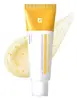
This brightening treatment is formulated around Niacinamide and Kojic Acid to fade the look of dark spots and brighten dull-looking skin.


What's inside
What's inside
 Key Ingredients
Benefits
Concerns
Ingredients Side-by-side
Curcuma Longa Root Water
MaskingDipropylene Glycol
HumectantEthylhexyl Palmitate
Emollient




Glycerin
Humectant


Niacinamide
Smoothing









Isopropyl Palmitate
Emollient
1,2-Hexanediol
Skin Conditioning
Hydrogenated Polydecene
EmollientCaprylic/Capric Triglyceride
Masking
Kojic Acid
Antioxidant

Water
Skin ConditioningAmmonium Acryloyldimethyltaurate/Vp Copolymer
Polyglyceryl-2 Stearate
Emulsifying
Glyceryl Stearate
Emollient
Hydroxyacetophenone
Antioxidant
Stearyl Alcohol
Emollient
Carbomer
Emulsion StabilisingXanthan Gum
EmulsifyingBisabolol
Antioxidant
Allantoin
Skin Conditioning
Citric Acid
Buffering
Dipotassium Glycyrrhizate
Humectant
Sodium Phytate
ChelatingAdenosine
Skin Conditioning
Agar
MaskingButylene Glycol
Humectant
Ethylhexylglycerin
Skin ConditioningArginine
Masking
Cyamopsis Tetragonoloba Gum
Emulsion StabilisingCoptis Japonica Root Extract
Skin ConditioningAlcohol
Antimicrobial


Caramel
Cosmetic ColorantPropanediol
Solvent
Tris(Tetramethylhydroxypiperidinol)Citrate
StabilisingUbiquinone
Antioxidant
Astaxanthin
Skin Conditioning
Sodium Ascorbyl Phosphate
Antioxidant
Fructan
Skin ConditioningEriobotrya Japonica Leaf Extract
Skin ConditioningHydrogenated Lecithin
Emulsifying
Macadamia Ternifolia Seed Oil
Emollient
Mentha Viridis Extract
MaskingPolyglyceryl-10 Oleate
Skin Conditioning
Aloe Barbadensis Leaf Extract
Emollient
Althaea Rosea Flower Extract
Skin ConditioningCeramide NP
Skin Conditioning
Oryza Sativa Extract
Absorbent
Cetearyl Alcohol
Emollient
Glutathione
Hydroxydecyl Ubiquinone
Antioxidant
Sodium Stearoyl Glutamate
CleansingSqualane
Emollient
Atelocollagen
Skin Conditioning
Desamido Collagen
Skin Conditioning
Acetyl Hexapeptide-8
Humectant
Hydrolyzed Collagen
Emollient
Soluble Collagen
Humectant
Angelica Gigas Extract
Skin ConditioningCentella Asiatica Extract
Cleansing
Collagen
Moisturising
Collagen Amino Acids
Moisturising
Procollagen
Skin Conditioning
Curcuma Longa Root Water, Dipropylene Glycol, Ethylhexyl Palmitate, Glycerin, Niacinamide, Isopropyl Palmitate, 1,2-Hexanediol, Hydrogenated Polydecene, Caprylic/Capric Triglyceride, Kojic Acid, Water, Ammonium Acryloyldimethyltaurate/Vp Copolymer, Polyglyceryl-2 Stearate, Glyceryl Stearate, Hydroxyacetophenone, Stearyl Alcohol, Carbomer, Xanthan Gum, Bisabolol, Allantoin, Citric Acid, Dipotassium Glycyrrhizate, Sodium Phytate, Adenosine, Agar, Butylene Glycol, Ethylhexylglycerin, Arginine, Cyamopsis Tetragonoloba Gum, Coptis Japonica Root Extract, Alcohol, Caramel, Propanediol, Tris(Tetramethylhydroxypiperidinol)Citrate, Ubiquinone, Astaxanthin, Sodium Ascorbyl Phosphate, Fructan, Eriobotrya Japonica Leaf Extract, Hydrogenated Lecithin, Macadamia Ternifolia Seed Oil, Mentha Viridis Extract, Polyglyceryl-10 Oleate, Aloe Barbadensis Leaf Extract, Althaea Rosea Flower Extract, Ceramide NP, Oryza Sativa Extract, Cetearyl Alcohol, Glutathione, Hydroxydecyl Ubiquinone, Sodium Stearoyl Glutamate, Squalane, Atelocollagen, Desamido Collagen, Acetyl Hexapeptide-8, Hydrolyzed Collagen, Soluble Collagen, Angelica Gigas Extract, Centella Asiatica Extract, Collagen, Collagen Amino Acids, Procollagen
Water
Skin ConditioningGlycerin
Humectant
Niacinamide
Smoothing
Isopropyl Palmitate
Emollient
Dimethicone
Emollient
Petrolatum
Emollient
PEG-40 Hydrogenated Castor Oil
Emulsifying
Lysine Carboxymethyl Cysteinate
Skin ConditioningSh-Polypeptide-121
Skin Conditioning
Tocopheryl Acetate
Antioxidant
Acrylates/C10-30 Alkyl Acrylate Crosspolymer
Emulsion StabilisingCarbomer
Emulsion StabilisingDisodium EDTA
ChelatingCaprylyl Glycol
Emollient
Phenoxyethanol
Preservative
Ingredients Explained
These ingredients are found in both products.
Ingredients higher up in an ingredient list are typically present in a larger amount.
Carbomer is a synthetic thickening and gelling agent. It's basically the ingredient that gives a lot of serums, gels, creams, and sunscreens their smooth, non-sticky texture.
Although legally permitted at very high levels, carbomers are normally used at concentrations below 1%.
It also needs to be neutralized to actually thicken, and because it is a large molecule, it doesn't really penetrate the skin barrier.
Allergy-wise, the risk is very low. Clinical studies show carbomers have low potential for skin irritation/sensitization even at concentrations up to 100%.
A 2024 UK study patch-tested 1,302 patients and found true allergy to the parent group of carbomer to be rare with no confirmed relevant reactions.
Learn more about CarbomerGlycerin (or glycerol) is a compound naturally found in your skin. It's a powerhouse humectant that pulls water into the stratum corneum.
Topically, glycerin does several things at once:
Your skin makes glycerin on its own (mostly from sebaceous oil breakdown) and shuttles it to your outermost layer of skin, or your epidermis, via aquaporin-3.
Aquaporin-3 is a transporter that is essential for normal skin hydration, elasticity, and repair. Interestingly, mice lacking in AQP3 have dry and less elastic skin that can be fully corrected with glycerin.
This ingredient is non-irritating, plays well with almost every ingredient, and works across all skin types. Typical use is anywhere between 3-10% but can go up to 79% in some leave-on products.
Just know very high concentrations (>40%) can feel tacky in low humidity.
Glycerin is the name for this ingredient in American English. British English uses Glycerol/Glycerine.
Learn more about GlycerinIsopropyl Palmitate is a lightweight emollient made by combining isopropyl alcohol and palmitic acid.
It is an emollient that leaves skin feeling smooth and silky without leaving a greasy feel.
Typical usage concentrations range from 1-5%.
Human testing shows it's non-irritating and non-sensitizing, and the EU Scientific Committee on Consumer Safety (SCCS) has cleared it at very high levels (79% in leave-on products).
The one thing worth knowing about its comedogenic score of 3-4 is to keep it in perspective: these ratings come from old rabbit-ear tests using 100% of pure ingredient and doesn't reflect how it behaves at low levels in a finished product.
Because it is an ester of palmitic acid (C16), it falls into the range that the Malassezia yeast can feed on and is considered not fungal acne safe.
Learn more about Isopropyl PalmitateNiacinamide is a multitasking form of vitamin B3 that strengthens the skin barrier, reduces pores and dark spots, regulates oil, and improves signs of aging.
And the best part? It's gentle and well-tolerated by most skin types, including sensitive and reactive skin.
You might have heard of "niacin flush", or the reddening of skin that causes itchiness. Niacinamide has not been found to cause this.
In very rare cases, some individuals may not be able to tolerate niacinamide at all or experience an allergic reaction to it.
If you are experiencing flaking, irritation, and dryness with this ingredient, be sure to double check all your products as this ingredient can be found in all categories of skincare.
When incorporating niacinamide into your routine, look out for concentration amounts. Typically, 5% niacinamide provides benefits such as fading dark spots. However, if you have sensitive skin, it is better to begin with a smaller concentration.
When you apply niacinamide to your skin, your body converts it into nicotinamide adenine dinucleotide (NAD). NAD is an essential coenzyme that is already found in your cells as "fuel" and powers countless biological processes.
In your skin, NAD helps repair cell damage, produce new healthy cells, support collagen production, strengthen the skin barrier, and fight environmental stressors (like UV and pollution).
Our natural NAD levels start to decline with age, leading to slower skin repair, visible aging, and a weaker skin barrier. By providing your skin niacinamide, you're recharging your skin's NAD levels. This leads to stronger, healthier, and younger looking skin.
Another name for vitamin B3 is nicotinamide. This vitamin is water-soluble and our bodies don't store it. We obtain Vitamin B3 from either food or skincare. Meat, fish, wheat, yeast, and leafy greens contain vitamin B3.
The type of niacinamide used in skincare is synthetically created.
Learn more about NiacinamideWater. It's the most common cosmetic ingredient of all. You'll usually see it at the top of ingredient lists, meaning that it makes up the largest part of the product.
So why is it so popular? Water most often acts as a solvent - this means that it helps dissolve other ingredients into the formulation.
You'll also recognize water as that liquid we all need to stay alive. If you see this, drink a glass of water. Remember to stay hydrated!
Learn more about Water

