

What's inside
What's inside
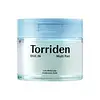 Key Ingredients
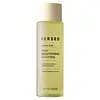
Benefits
Concerns
Ingredients Side-by-side
Water
Skin ConditioningButylene Glycol
Humectant
Glycerin
Humectant


Dipropylene Glycol
Humectant1,2-Hexanediol
Skin Conditioning
Propanediol
Solvent
Allantoin
Skin Conditioning

Sodium Hyaluronate
Humectant
Sodium Hyaluronate Crosspolymer
Humectant
Hydrolyzed Sodium Hyaluronate
Skin Conditioning
Hyaluronic Acid
Humectant
Hydrolyzed Hyaluronic Acid
Humectant
Panthenol
Skin Conditioning
Aloe Ferox Leaf Extract
Skin ConditioningSalix Alba Bark Extract
Astringent
Melaleuca Alternifolia Leaf Extract
Perfuming
Betaine
Humectant
Ceramide NP
Skin Conditioning
Hamamelis Virginiana Water
Astringent


Pyrus Malus Fruit Water
MaskingAlthaea Rosea Flower Extract
Skin ConditioningGluconolactone
Skin Conditioning


Sodium Citrate
BufferingCaprylyl Glycol
Emollient
Polyglyceryl-10 Laurate
Skin Conditioning
Hydrogenated Lecithin
Emulsifying
Sodium Carboxymethyl Beta-Glucan
CleansingBenzyl Glycol
SolventHydrolyzed Glycosaminoglycans
HumectantPentylene Glycol
Skin ConditioningOctanediol
Polyglutamic Acid
Skin Conditioning
Melia Azadirachta Leaf Extract
Skin ConditioningMelia Azadirachta Flower Extract
Skin ConditioningCoccinia Indica Fruit Extract
Skin ConditioningSolanum Melongena Fruit Extract
Skin ConditioningAloe Barbadensis Flower Extract
EmollientOcimum Sanctum Leaf Extract
Skin Conditioning
Curcuma Longa Root Extract
Masking
Corallina Officinalis Extract
Skin Conditioning
Caffeine
Skin Conditioning
Glyceryl Acrylate/Acrylic Acid Copolymer
HumectantPvm/Ma Copolymer
Emulsion StabilisingDipotassium Glycyrrhizate
Humectant
Citric Acid
Buffering
Disodium EDTA
Ethylhexylglycerin
Skin ConditioningMalachite Extract
Antioxidant
Scutellaria Baicalensis Root Extract
AstringentPaeonia Suffruticosa Root Extract
Skin ProtectingWater, Butylene Glycol, Glycerin, Dipropylene Glycol, 1,2-Hexanediol, Propanediol, Allantoin, Sodium Hyaluronate, Sodium Hyaluronate Crosspolymer, Hydrolyzed Sodium Hyaluronate, Hyaluronic Acid, Hydrolyzed Hyaluronic Acid, Panthenol, Aloe Ferox Leaf Extract, Salix Alba Bark Extract, Melaleuca Alternifolia Leaf Extract, Betaine, Ceramide NP, Hamamelis Virginiana Water, Pyrus Malus Fruit Water, Althaea Rosea Flower Extract, Gluconolactone, Sodium Citrate, Caprylyl Glycol, Polyglyceryl-10 Laurate, Hydrogenated Lecithin, Sodium Carboxymethyl Beta-Glucan, Benzyl Glycol, Hydrolyzed Glycosaminoglycans, Pentylene Glycol, Octanediol, Polyglutamic Acid, Melia Azadirachta Leaf Extract, Melia Azadirachta Flower Extract, Coccinia Indica Fruit Extract, Solanum Melongena Fruit Extract, Aloe Barbadensis Flower Extract, Ocimum Sanctum Leaf Extract, Curcuma Longa Root Extract, Corallina Officinalis Extract, Caffeine, Glyceryl Acrylate/Acrylic Acid Copolymer, Pvm/Ma Copolymer, Dipotassium Glycyrrhizate, Citric Acid, Disodium EDTA, Ethylhexylglycerin, Malachite Extract, Scutellaria Baicalensis Root Extract, Paeonia Suffruticosa Root Extract
Water
Skin ConditioningHamamelis Virginiana Water
Astringent
Glycolic Acid
Buffering

Lactic Acid
Buffering
Propanediol
Solvent
Glycerin
Humectant
Niacinamide
Smoothing
Panthenol
Skin Conditioning
Magnesium Ascorbyl Phosphate
Antioxidant
Kojic Acid
Antioxidant
Sodium Citrate
BufferingCitric Acid
Buffering
Arctostaphylos Uva-Ursi Leaf Extract
Skin ConditioningMorus Alba Fruit Extract
Antioxidant
Camellia Sinensis Leaf Extract
Antimicrobial
Azelaic Acid
Buffering
Disodium EDTA
Phenoxyethanol
Preservative
Ethylhexylglycerin
Skin ConditioningPotassium Sorbate
Preservative
Sodium Benzoate
Masking
Sodium Hydroxide
BufferingWater, Hamamelis Virginiana Water, Glycolic Acid, Lactic Acid, Propanediol, Glycerin, Niacinamide, Panthenol, Magnesium Ascorbyl Phosphate, Kojic Acid, Sodium Citrate, Citric Acid, Arctostaphylos Uva-Ursi Leaf Extract, Morus Alba Fruit Extract, Camellia Sinensis Leaf Extract, Azelaic Acid, Disodium EDTA, Phenoxyethanol, Ethylhexylglycerin, Potassium Sorbate, Sodium Benzoate, Sodium Hydroxide
Reviews
Ingredients Explained
These ingredients are found in both products.
Ingredients higher up in an ingredient list are typically present in a larger amount.
Citric Acid is an alpha hydroxy acid (AHA) naturally found in citrus fruits like oranges, lemons, and limes.
Like other AHAs, citric acid can exfoliate skin by breaking down the bonds that hold dead skin cells together. This helps reveal smoother and brighter skin underneath.
However, this exfoliating effect only happens at high concentrations (20%) which can be hard to find in cosmetic products.
Due to this, citric acid is usually included in small amounts as a pH adjuster. This helps keep products slightly more acidic and compatible with skin's natural pH.
In skincare formulas, citric acid can:
While it can provide some skin benefits, research shows lactic acid and glycolic acid are generally more effective and less irritating exfoliants.
Most citric acid used in skincare today is made by fermenting sugars (usually from molasses). This synthetic version is identical to the natural citrus form but easier to stabilize and use in formulations.
Read more about some other popular AHA's here:
Learn more about Citric AcidDisodium EDTA plays a role in making products more stable by aiding other preservatives.
It is a chelating agent, meaning it neutralizes metal ions that may be found in a product.
Disodium EDTA is a salt of edetic acid and is found to be safe in cosmetic ingredients.
Learn more about Disodium EDTAEthylhexylglycerin (we can't pronounce this either) is commonly used as a preservative and skin softener. It is derived from glyceryl.
You might see Ethylhexylglycerin often paired with other preservatives such as phenoxyethanol. Ethylhexylglycerin has been found to increase the effectiveness of these other preservatives.
Glycerin is already naturally found in your skin. It helps moisturize and protect your skin.
A study from 2016 found glycerin to be more effective as a humectant than AHAs and hyaluronic acid.
As a humectant, it helps the skin stay hydrated by pulling moisture to your skin. The low molecular weight of glycerin allows it to pull moisture into the deeper layers of your skin.
Hydrated skin improves your skin barrier; Your skin barrier helps protect against irritants and bacteria.
Glycerin has also been found to have antimicrobial and antiviral properties. Due to these properties, glycerin is often used in wound and burn treatments.
In cosmetics, glycerin is usually derived from plants such as soybean or palm. However, it can also be sourced from animals, such as tallow or animal fat.
This ingredient is organic, colorless, odorless, and non-toxic.
Glycerin is the name for this ingredient in American English. British English uses Glycerol/Glycerine.
Learn more about GlycerinHamamelis Virginiana Water is made by distilling parts of the witch hazel plant. You can also call this ingredient "witch hazel water".
The name 'Hamamelis Virginiana Water' refers to the distillation product used in cosmetics. On the other hand, 'Witch Hazel' refers to the active drug ingredient.
Unless it is specified to be non-alcohol, many types of witch hazel ingredients are distilled in denatured alcohol.
Witch Hazel water is an astringent, anti-inflammatory antioxidant, and antibacterial ingredient.
It contains tannins. Tannins have a drying effect when used on skin by constricting proteins. The constriction also minimizes the appearance of pores.
Both the tannins and fragrance found in witch hazel may be skin-sensitizing.
Witch hazel water gets anti-inflammatory and antibacterial properties from its catechin and gallic acid content.
Indigenous groups have used witch hazel to help treat inflammation in North America for centuries.
Learn more about Hamamelis Virginiana WaterPanthenol is a common ingredient that helps hydrate and soothe the skin. It is found naturally in our skin and hair.
There are two forms of panthenol: D and L.
D-panthenol is also known as dexpanthenol. Most cosmetics use dexpanthenol or a mixture of D and L-panthenol.
Panthenol is famous due to its ability to go deeper into the skin's layers. Using this ingredient has numerous pros (and no cons):
Like hyaluronic acid, panthenol is a humectant. Humectants are able to bind and hold large amounts of water to keep skin hydrated.
This ingredient works well for wound healing. It works by increasing tissue in the wound and helps close open wounds.
Once oxidized, panthenol converts to pantothenic acid. Panthothenic acid is found in all living cells.
This ingredient is also referred to as pro-vitamin B5.
Learn more about PanthenolPropanediol is an all-star ingredient. It softens, hydrates, and smooths the skin.
It’s often used to:
Propanediol is not likely to cause sensitivity and considered safe to use. It is derived from corn or petroleum with a clear color and no scent.
Learn more about PropanediolSodium Citrate is the sodium salts of citric acid. In skincare, it is used to alter pH levels and acts as a preservative.
Its main functions are to maintain the pH of a product and neutralize metal ions.
The acidity of our skin is maintained by our glands and skin biome; normal pH level of skin is slightly acidic (~4.75-5.5).
Being slightly acidic allows our skin to create an "acid mantle". This acid mantle is a thin barrier that protects our skin from bacteria and contaminants.
Learn more about Sodium CitrateWater. It's the most common cosmetic ingredient of all. You'll usually see it at the top of ingredient lists, meaning that it makes up the largest part of the product.
So why is it so popular? Water most often acts as a solvent - this means that it helps dissolve other ingredients into the formulation.
You'll also recognize water as that liquid we all need to stay alive. If you see this, drink a glass of water. Stay hydrated!
Learn more about Water
