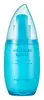
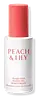
TONYMOLY Moisture Boost Cooling Marine Concentrate Serum Versus Peach & Lily Glass Skin Water-Gel Moisturizer
This hydrating serum is formulated around Niacinamide and Trehalose to hydrate skin and calm redness.
This calming moisturizer is formulated around Sodium Hyaluronate and Beta-Glucan to calm redness and hydrate skin.


What's inside
What's inside
 Key Ingredients
Benefits
Concerns
Ingredients Side-by-side
Water
Skin ConditioningMethylpropanediol
Solvent1,2-Hexanediol
Skin Conditioning
Niacinamide
Smoothing











Cyclopentasiloxane
Emollient
Cyclohexasiloxane
Emollient
Trehalose
Humectant
PPG-14 Butyl Ether
Skin ConditioningVinyldimethicone
Butylene Glycol
Humectant
Glycerin
Humectant
Hydrogenated Ethylhexyl Olivate
EmollientCyclomethicone
Emollient
Polyglyceryl-2 Stearate
Emulsifying

Glyceryl Stearate
Emollient
Stearyl Alcohol
Emollient
Cetyl Ethylhexanoate
EmollientArachidyl Alcohol
Emollient
Acrylates/C10-30 Alkyl Acrylate Crosspolymer
Emulsion StabilisingTromethamine
BufferingPolyglyceryl-4 Oleate
Emulsifying
Behenyl Alcohol
Emollient
Centella Asiatica Extract
Cleansing
Arachidyl Glucoside
EmulsifyingHydrogenated Lecithin
Emulsifying
Xanthan Gum
EmulsifyingPortulaca Oleracea Extract
Skin Conditioning
Adenosine
Skin Conditioning
Polysilicone-11
Melia Azadirachta Leaf Extract
Skin ConditioningChamomilla Recutita Flower Extract
Masking
Vitex Agnus Castus Extract
AstringentMelia Azadirachta Flower Extract
Skin ConditioningHydrogenated Olive Oil Unsaponifiables
Emollient
Coccinia Indica Fruit Extract
Skin Conditioning
Aloe Barbadensis Flower Extract
EmollientSolanum Melongena Fruit Extract
Skin ConditioningOcimum Sanctum Leaf Extract
Skin ConditioningErythritol
Humectant
Mesembryanthemum Crystallinum Extract
HumectantMentha Arvensis Leaf Extract
MaskingCorallina Officinalis Extract
Skin Conditioning

Curcuma Longa Root Extract
Antioxidant

Chlorella Minutissima Extract
Skin ConditioningGelidium Cartilagineum Extract
Skin ProtectingUndaria Pinnatifida Extract
Skin ConditioningSodium Hyaluronate
Humectant
Hydroxyacetophenone
Antioxidant
Hydrolyzed Hyaluronic Acid
Humectant
Ethylhexylglycerin
Skin ConditioningSodium Acetylated Hyaluronate
Humectant
Water, Methylpropanediol, 1,2-Hexanediol, Niacinamide, Cyclopentasiloxane, Cyclohexasiloxane, Trehalose, PPG-14 Butyl Ether, Vinyldimethicone, Butylene Glycol, Glycerin, Hydrogenated Ethylhexyl Olivate, Cyclomethicone, Polyglyceryl-2 Stearate, Glyceryl Stearate, Stearyl Alcohol, Cetyl Ethylhexanoate, Arachidyl Alcohol, Acrylates/C10-30 Alkyl Acrylate Crosspolymer, Tromethamine, Polyglyceryl-4 Oleate, Behenyl Alcohol, Centella Asiatica Extract, Arachidyl Glucoside, Hydrogenated Lecithin, Xanthan Gum, Portulaca Oleracea Extract, Adenosine, Polysilicone-11, Melia Azadirachta Leaf Extract, Chamomilla Recutita Flower Extract, Vitex Agnus Castus Extract, Melia Azadirachta Flower Extract, Hydrogenated Olive Oil Unsaponifiables, Coccinia Indica Fruit Extract, Aloe Barbadensis Flower Extract, Solanum Melongena Fruit Extract, Ocimum Sanctum Leaf Extract, Erythritol, Mesembryanthemum Crystallinum Extract, Mentha Arvensis Leaf Extract, Corallina Officinalis Extract, Curcuma Longa Root Extract, Chlorella Minutissima Extract, Gelidium Cartilagineum Extract, Undaria Pinnatifida Extract, Sodium Hyaluronate, Hydroxyacetophenone, Hydrolyzed Hyaluronic Acid, Ethylhexylglycerin, Sodium Acetylated Hyaluronate
Water
Skin ConditioningGlycerin
Humectant
Propanediol
Solvent
1,2-Hexanediol
Skin Conditioning
Calendula Officinalis Flower Water
Masking
Sodium Hyaluronate
Humectant
Hydrolyzed Hyaluronic Acid
Humectant
Actinidia Chinensis Fruit Extract
EmollientPrunus Persica Fruit Extract
Abrasive
Anthemis Nobilis Flower Water
Masking
Bambusa Textilis Stem Extract
Skin ConditioningArctium Lappa Root Extract
Skin Conditioning
Morus Alba Leaf Extract
Skin ConditioningMorus Alba Fruit Extract
Antioxidant
Leuconostoc/Radish Root Ferment Filtrate
Antimicrobial
Apium Graveolens Extract
Skin ConditioningLactobacillus Ferment
Skin Conditioning
Beta-Glucan
Skin Conditioning
Fructooligosaccharides
Humectant
Glycyrrhiza Glabra Root Extract
Bleaching
Sodium Acetylated Hyaluronate
Humectant
Myrciaria Dubia Fruit Extract
Skin ConditioningGanoderma Lucidum Extract
Skin Protecting
Butylene Glycol
Humectant
Melia Azadirachta Leaf Extract
Skin ConditioningMelia Azadirachta Flower Extract
Skin ConditioningAdenosine
Skin Conditioning
Trisodium Ethylenediamine Disuccinate
ChelatingCarbomer
Emulsion StabilisingEthylhexylglycerin
Skin ConditioningMorus Alba Twig Extract
Skin ConditioningMorus Alba Bark Extract
Skin ConditioningTromethamine
BufferingXylose
HumectantTocopherol
Antioxidant
Water, Glycerin, Propanediol, 1,2-Hexanediol, Calendula Officinalis Flower Water, Sodium Hyaluronate, Hydrolyzed Hyaluronic Acid, Actinidia Chinensis Fruit Extract, Prunus Persica Fruit Extract, Anthemis Nobilis Flower Water, Bambusa Textilis Stem Extract, Arctium Lappa Root Extract, Morus Alba Leaf Extract, Morus Alba Fruit Extract, Leuconostoc/Radish Root Ferment Filtrate, Apium Graveolens Extract, Lactobacillus Ferment, Beta-Glucan, Fructooligosaccharides, Glycyrrhiza Glabra Root Extract, Sodium Acetylated Hyaluronate, Myrciaria Dubia Fruit Extract, Ganoderma Lucidum Extract, Butylene Glycol, Melia Azadirachta Leaf Extract, Melia Azadirachta Flower Extract, Adenosine, Trisodium Ethylenediamine Disuccinate, Carbomer, Ethylhexylglycerin, Morus Alba Twig Extract, Morus Alba Bark Extract, Tromethamine, Xylose, Tocopherol
Reviews
Ingredients Explained
These ingredients are found in both products.
Ingredients higher up in an ingredient list are typically present in a larger amount.
1,2-Hexanediol is a synthetic liquid and another multi-functional powerhouse.
It is a:
- Humectant, drawing moisture into the skin
- Emollient, helping to soften skin
- Solvent, dispersing and stabilizing formulas
- Preservative booster, enhancing the antimicrobial activity of other preservatives
Adenosine is a purine nucleoside that your body already makes in every cell. In skincare, it acts mainly as a skin conditioning and anti-aging agent.
The way it works is fairly well mapped out:
Your skin has cells called fibroblasts that build collagen (the stuff that keeps skin firm and smooth). Adenosine basically flips a switch on these cells that tells them to get to work making more collagen and other proteins. These cells slow down on their own as skin ages, so Adenosine helps give them a little nudge to keep going.
The clinical backing is pretty solid too.
A blind, randomized, placebo-controlled trial of 126 women aged 45-65 tested a 0.1% cream twice daily and found real improvements in crow's feet and frown lines using a precise 3D skin-mapping technique; these changes showed up by week 3 and held at 2 months.
A later study using Adenosine-loaded dissolving microneedle patches reported gains in wrinkle depth, dermal density, elasticity, and hydration.
On concentrations, South Korea's Ministry of Food and Drug Safety has set 0.04% as the approved functional anti-wrinkle level. You'll typically see this ingredient used somewhere in the 0.04-0.1% range since it works at low doses.
This ingredient has been found safe for cosmetics with the data showing no irritation or sensitization.
Overall, this is a great ingredient for any anti-aging routine and has no photosensitizing effect, so it suits both AM and PM use.
Learn more about AdenosineButylene Glycol (or BG) is used within cosmetic products for a few different reasons:
Overall, Butylene Glycol is a safe and well-rounded ingredient that works well with other ingredients.
Though this ingredient works well with most skin types, some people with sensitive skin may experience a reaction such as allergic rashes, closed comedones, or itchiness.
Learn more about Butylene GlycolEthylhexylglycerin is created from glycerin. It is a multitasker ingredient that:
The CIR Expert Panel found minimal skin absorption or sensitization of any kind in a safety assessment. Though this ingredient is considered well-tolerated, a small number of cases of allergic dermatitis have been published since 2002. Just be sure to patch test if you are unsure.
Industry-reported use ranges from 8% in rinse-off products and 2% in leave-on formulations.
Learn more about EthylhexylglycerinGlycerin (or glycerol) is a compound naturally found in your skin. It's a powerhouse humectant that pulls water into the stratum corneum.
Topically, glycerin does several things at once:
Your skin makes glycerin on its own (mostly from sebaceous oil breakdown) and shuttles it to your outermost layer of skin, or your epidermis, via aquaporin-3.
Aquaporin-3 is a transporter that is essential for normal skin hydration, elasticity, and repair. Interestingly, mice lacking in AQP3 have dry and less elastic skin that can be fully corrected with glycerin.
This ingredient is non-irritating, plays well with almost every ingredient, and works across all skin types. Typical use is anywhere between 3-10% but can go up to 79% in some leave-on products.
Just know very high concentrations (>40%) can feel tacky in low humidity.
Glycerin is the name for this ingredient in American English. British English uses Glycerol/Glycerine.
Learn more about GlycerinHydrolyzed Hyaluronic Acid is hyaluronic acid (HA) that is broken down into lower molecular weight fragments.
It's a humectant that pulls and holds water in the skin to help with hydration, plumpness, and reduce transepidermal water loss.
Because hydrolyzed hyaluronic acid is smaller in size, it can slip past your outermost layer of skin more easily than full-sized HA.
Most formulations will combine all sizes to get the best of both worlds.
Typical usage levels range from 0.01-1%. Any percentage higher than 2% might become goopy and tacky.
Learn more about Hydrolyzed Hyaluronic AcidMelia Azadirachta Flower Extract is from the Neem tree. Neem trees originate from India.
Melia Azadirachta Flower Extract contains antioxidants. Antioxidants help fight free-radicals. Free-radicals are molecules that may damage your skin cells, such as pollution.
The flowers of this tree are lilac colored.
Learn more about Melia Azadirachta Flower ExtractThis ingredient is also known as neem leaf extract. It contains natural compounds like nimbidin, quercetin, and other polyphenols that give it antibacterial, antifungal, and anti-inflammatory activity.
Lab studies have shown neem leaf extract can inhibit acne-related bacteria and help calm skin. Animal studies on wound gels using 1-3% neem leaf extract found it sped up healing without causing irritation.
A wound-healing study testing gels with the extract at 1%, 2%, and 3% concentrations and found none of them irritated the skin.
Most commercial products also use it in a similar low range (typically under 5%).
Allergy-wise, there are some case reports on neem oil causing allergic contact dermatitis so people with plant/botanical sensitivities may want to patch test first.
Learn more about Melia Azadirachta Leaf ExtractSodium Acetylated Hyaluronate is a type of Hyaluronic Acid.
Hyaluronic Acids help moisturize, soothe, and protect the skin.
Read about common types of Hyaluronic Acid here:
Learn more about Sodium Acetylated HyaluronateSodium Hyaluronate is the salt form of hyaluronic acid. It is a long sugar chain that is naturally found in your skin, joints, and connective tissue that maintains hydration and elasticity.
In skincare, it works as a humectant. It pulls water from the environment and deeper layers of skin and binds it to the surface.
Interestingly, the size of the molecule affects its behavior:
Some clinical evidence links low molecular weight versions to improved wrinkle depth, elasticity, anti-inflammatory effects, and barrier repair.
Many serums use a blend of both weights so you can get surface hydration plus longer-lasting and deeper effects.
You'll typically see concentrations between 0.1-2% for this ingredient.
Learn more about Sodium HyaluronateTromethamine (aka THAM) is a synthetic amino acid that shows up in skincare as a helper ingredient.
It functions as a pH adjuster to help neutralize acidic ingredients and set a formula's pH to the right spot.
This matters a lot because a lot of actives (like vitamin C) needs a specific pH to work well and feel comfortable on skin.
Concentration use ranges from 0.1-1.0% depending on the formula.
Learn more about TromethamineWater. It's the most common cosmetic ingredient of all. You'll usually see it at the top of ingredient lists, meaning that it makes up the largest part of the product.
So why is it so popular? Water most often acts as a solvent - this means that it helps dissolve other ingredients into the formulation.
You'll also recognize water as that liquid we all need to stay alive. If you see this, drink a glass of water. Remember to stay hydrated!
Learn more about Water

