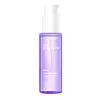
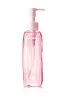
This oil-based makeup remover is made to dissolve makeup, sunscreen, and daily buildup.
This oil-based makeup remover is made to dissolve makeup, sunscreen, and daily buildup.


What's inside
What's inside
 Key Ingredients
Benefits
Concerns
Ingredients Side-by-side
Ethylhexyl Palmitate
Emollient




PEG-20 Glyceryl Triisostearate
Emollient
Polysorbate 85
Emulsifying
Polysorbate 20
Emulsifying
Sorbeth-230 Tetraoleate
Emulsifying
Water
Skin ConditioningCaprylic/Capric Glycerides
EmollientHelianthus Annuus Seed Oil
Emollient

Bisabolol
Antioxidant




Tocopherol
Antioxidant



Centella Asiatica Extract
Cleansing
Anthemis Nobilis Flower Oil
Masking


Butylene Glycol
Humectant
Glycyrrhiza Uralensis Extract
EmollientEthylhexyl Palmitate
Emollient
Ethylhexyl Stearate
Emollient
Cetyl Ethylhexanoate
EmollientPEG-20 Glyceryl Triisostearate
Emollient
PEG-12 Laurate
Emulsifying
Butylene Glycol
Humectant
Sorbeth-30 Tetraoleate
Emulsifying
Water
Skin ConditioningParfum
Masking
Olea Europaea Fruit Oil
Masking
Phenoxyethanol
Preservative
Squalane
Emollient
Caprylic/Capric Triglyceride
Masking
Polianthes Tuberosa Extract
MaskingAnthemis Nobilis Flower Oil
Masking
Lithospermum Erythrorhizon Root Extract
Skin ConditioningHelianthus Annuus Seed Oil
Emollient
Ethylhexylglycerin
Skin ConditioningCamellia Japonica Seed Oil
Emollient
Lavandula Angustifolia Flower Extract
Cleansing
Centella Asiatica Extract
Cleansing
Artemisia Annua Extract
Masking
Hamamelis Virginiana Water
Astringent
Polygonum Cuspidatum Root Extract
Antioxidant
Scutellaria Baicalensis Root Extract
Astringent
Salvia Officinalis Leaf Extract
CleansingMandelic Acid
Antimicrobial



Glycyrrhiza Glabra Root Extract
Bleaching
Moringa Oleifera Seed Oil
Emollient
Camellia Sinensis Leaf Extract
Antimicrobial
Lactobionic Acid
Buffering
Salicylic Acid
Masking
Ligustrum Lucidum Fruit Extract
Skin ConditioningMentha Piperita Leaf Extract
Skin ConditioningJuniperus Communis Fruit Extract
Perfuming
Arctium Majus Root Extract
Skin Conditioning
Melissa Officinalis Leaf Extract
Skin ConditioningHypericum Perforatum Flower/Leaf/Stem Extract
Skin ConditioningChamomilla Recutita Flower Extract
Masking
Rosmarinus Officinalis Leaf Extract
AntimicrobialSaponaria Officinalis Leaf Extract
AntimicrobialPrunus Serotina Fruit Extract
MaskingChaenomeles Sinensis Fruit Extract
Antioxidant
Diospyros Kaki Fruit Extract
Skin ConditioningCitrus Grandis Fruit Extract
Astringent
Rubus Fruticosus Fruit Extract
AstringentMorus Nigra Fruit Extract
Skin ConditioningCalendula Officinalis Flower Extract
Masking
Alkanna Tinctoria Root Extract
Skin ConditioningAluminum Hydroxide
EmollientHydroxyacetophenone
Antioxidant
Caprylyl Glycol
Emollient
CI 45380
Cosmetic ColorantEthylhexyl Palmitate, Ethylhexyl Stearate, Cetyl Ethylhexanoate, PEG-20 Glyceryl Triisostearate, PEG-12 Laurate, Butylene Glycol, Sorbeth-30 Tetraoleate, Water, Parfum, Olea Europaea Fruit Oil, Phenoxyethanol, Squalane, Caprylic/Capric Triglyceride, Polianthes Tuberosa Extract, Anthemis Nobilis Flower Oil, Lithospermum Erythrorhizon Root Extract, Helianthus Annuus Seed Oil, Ethylhexylglycerin, Camellia Japonica Seed Oil, Lavandula Angustifolia Flower Extract, Centella Asiatica Extract, Artemisia Annua Extract, Hamamelis Virginiana Water, Polygonum Cuspidatum Root Extract, Scutellaria Baicalensis Root Extract, Salvia Officinalis Leaf Extract, Mandelic Acid, Glycyrrhiza Glabra Root Extract, Moringa Oleifera Seed Oil, Camellia Sinensis Leaf Extract, Lactobionic Acid, Salicylic Acid, Ligustrum Lucidum Fruit Extract, Mentha Piperita Leaf Extract, Juniperus Communis Fruit Extract, Arctium Majus Root Extract, Melissa Officinalis Leaf Extract, Hypericum Perforatum Flower/Leaf/Stem Extract, Chamomilla Recutita Flower Extract, Rosmarinus Officinalis Leaf Extract, Saponaria Officinalis Leaf Extract, Prunus Serotina Fruit Extract, Chaenomeles Sinensis Fruit Extract, Diospyros Kaki Fruit Extract, Citrus Grandis Fruit Extract, Rubus Fruticosus Fruit Extract, Morus Nigra Fruit Extract, Calendula Officinalis Flower Extract, Alkanna Tinctoria Root Extract, Aluminum Hydroxide, Hydroxyacetophenone, Caprylyl Glycol, CI 45380
Ingredients Explained
These ingredients are found in both products.
Ingredients higher up in an ingredient list are typically present in a larger amount.
This oil is created by distilling the dried flower heads of the Roman Chamomile flower.
Chamomile is rich in antioxidants and has anti-inflammatory properties. Several compounds found in chamomile help with soothing, such as bisbolol.
Butylene Glycol (or BG) is used within cosmetic products for a few different reasons:
Overall, Butylene Glycol is a safe and well-rounded ingredient that works well with other ingredients.
Though this ingredient works well with most skin types, some people with sensitive skin may experience a reaction such as allergic rashes, closed comedones, or itchiness.
Learn more about Butylene GlycolCentella Asiatica Extract (Centella) is one of the most researched botanical extracts in skincare with decades of studies backing its effects on inflammation, collagen, and the skin barrier.
That research keeps pointing back to the same four triterpenoid saponins: Asiaticoside, Madecassoside, Asiatic Acid, and Madecassic Acid.
These compounds allow centella to dial back inflammation, encourage the skin to build and hold onto collagen, support the barrier and hydration, and bring solid antioxidant activity to protect against signs of aging.
Centella also carries a nice supporting cast of Vitamin A, vitamin C, several B vitamins, and amino acids. Put it all together and you get an ingredient that soothes, hydrates, and protects, all at once.
Most of centella's magic comes from the four big compounds (Asiaticoside, Madecassoside, Asiatic Acid, and Madecassic Acid). These are the actives doing the heavy lifting in almost every centella study.
Here is the short version of what they do in the skin:
So it is not just soothing for the sake of soothing. Centella calms the skin AND helps it rebuild.
Just FYI, not all centella on an ingredient list is the same. What you are getting actually depends on the extract:
Fun fact on the ratios: the leaves tend to be richest in Madecassoside and Asiaticoside, and lower in the two acids. The exact amounts shift with where the plant is grown and how it is processed. This means purity really does vary brand to brand.
Centella is one of the most easygoing actives out there.
It layers well with basically everything: niacinamide, hyaluronic acid, peptides, and vitamin C, and also pairs nicely with stronger actives like retinoids and exfoliating acids where it can help take the edge off irritation.
On the safety side, centella and its triterpenes are classified as weak sensitizers, meaning allergic reactions are possible but uncommon.
Patch tests at 1% and 5% came back negative in test panels, and creams at typical use levels did not cause allergic reactions across large groups of people.
But as with any new active, a patch test is still a smart move for very reactive skin.
Centella is widely used because it is effective at low percentages. For context, human safety testing found no meaningful irritation from creams containing centella extract at everyday use levels (the tested amounts were well under 1%).
The irritancy threshold in animal testing was also above 30% (so real-world formulas sit far below anything concerning).
In collagen lab studies, higher concentrations drove more collagen synthesis, so serums built around centella tend to feature it more prominently.
Bottom line: you will find centella working nicely anywhere from a fraction of a percent up to hero-ingredient levels depending on whether it is a supporting soother or the main event.
Fun fact: Centella has been used as a medicine and in food for many centuries. As a medicine, it is used to treat burns, scratches, and wounds.
Learn more about Centella Asiatica ExtractEthylhexyl Palmitate, also known as octyl palmitate, is created from 2-ethylhexyl alcohol and palmitic acid.
In cosmetics, it plays many roles:
One thing worth noting: a controlled study found this ingredient applied under occlusion to acne-prone subjects increased microcomedones. Just keep in mind this was under occlusive conditions and don't reflect how most products are used day-to-day.
For most people, this is a well-tolerated and lightweight ingredient.
This ingredient may not be fungal acne safe because it is an ester of palmitic acid, a C16 fatty acid that falls within the C11-24 range that Malassezia can metabolize.
You'll see this one rated 4 comedogenic all over the internet. That number isn't from a single study, and the actual research is more interesting.
The original rating comes from 1980s rabbit ear tests (which are a shaky basis for anything). But Ethylhexyl Palmitate is one of the few ingredients with real human data behind it. A 2021 controlled trial found this ingredient increased microcomedones by an average of 365% over four weeks.
Just know that test used the pure ingredient under an occlusive pad on back skin; most products use it at much lower levels alongside other ingredients and plenty of people use those with no issue.
Learn more about Ethylhexyl PalmitateHelianthus Annuus Seed Oil is a plant oil derived from the seeds of a sunflower.
It is rich in fatty acids, primarily linoleic acid and oleic acid. This gives it emollient and skin conditioning properties.
The reason this ingredient is so effective is because it forms a thin film on the skin that reduces transepidermal water loss (TEWL) while supplying linoleic acid to the stratum corneum to improve barrier strength.
The high linoleic acid content is particularly noteworthy for acne-prone skin.
Research suggests that acne-prone skin tends to be deficient in linoleic acid in sebum. Topical application may help replenish this to support a healthier follicular environment and less comedone-promoting sebum.
One randomized study found sunflower seed oil preserved skin barrier integrity in adult volunteers with and without atopic dermatitis (outperforming olive oil).
This ingredient is well-studied, gentle, and an effective emollient suitable for most skin types.
On fungal acne: This ingredient may not be Fungal acne (Malassezia folliculitis) safe. This is because it contains fatty acids with carbon chain lengths in the C11-C24 range.
Learn more about Helianthus Annuus Seed OilPEG-20 Glyceryl Triisostearate is a synthetic, oil-loving helper ingredient that does two jobs:
This ingredient is made by joining three building blocks: PEG, Isostearic Acid and glycerin. The PEG gives it the oil-and-water blending power.
This ingredient has been found safe for use in cosmetics and broader PEG family testing shows minimal irritation/sensitization. The molecule's large size also means it isn't expected to penetrate skin to any meaningful degree.
Fungal acne note: This ingredient may not be fungal acne safe due to isostearic acid (C18). Isostearic acid falls into the C11-24 range that Malassezia can feed on.
Learn more about PEG-20 Glyceryl TriisostearateWater. It's the most common cosmetic ingredient of all. You'll usually see it at the top of ingredient lists, meaning that it makes up the largest part of the product.
So why is it so popular? Water most often acts as a solvent - this means that it helps dissolve other ingredients into the formulation.
You'll also recognize water as that liquid we all need to stay alive. If you see this, drink a glass of water. Remember to stay hydrated!
Learn more about Water

