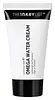
This barrier-repair moisturizer is formulated around Niacinamide to strengthen the skin barrier and balance excess oil.
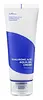
This barrier-repair moisturizer is formulated around Sodium Hyaluronate and Hydrolyzed Hyaluronic Acid to strengthen the skin barrier and hydrate skin.


What's inside
What's inside
 Key Ingredients
Benefits
Concerns
Ingredients Side-by-side
Water
Skin ConditioningDicaprylyl Carbonate
EmollientGlycerin
Humectant


Niacinamide
Smoothing









Propanediol
Solvent
Betaine
Humectant
Polyglyceryl-4 Isostearate
Emulsifying

Coco-Caprylate/Caprate
Emollient
Magnesium Sulfate
Glycosphingolipids
EmollientGlycolipids
Skin ConditioningSodium Benzoate
Masking
Disteardimonium Hectorite
StabilisingOleic Acid
Emollient


Potassium Sorbate
Preservative
Citric Acid
Buffering
Polyglycerin-3
Humectant
Water
Skin ConditioningMethylpropanediol
SolventCoco-Caprylate/Caprate
Emollient
1,2-Hexanediol
Skin Conditioning
Glycerin
Humectant
Biosaccharide Gum-1
Humectant
Betaine
Humectant
Ammonium Acryloyldimethyltaurate/Vp Copolymer
Trehalose
Humectant
Sodium Hyaluronate
Humectant
Hydrolyzed Hyaluronic Acid
Humectant
Centella Asiatica Extract
Cleansing
Polygonum Cuspidatum Root Extract
Antioxidant
Scutellaria Baicalensis Root Extract
Astringent
Camellia Sinensis Leaf Extract
Antimicrobial
Portulaca Oleracea Extract
Skin Conditioning
Glycyrrhiza Glabra Root Extract
Bleaching
Houttuynia Cordata Extract
Skin Conditioning
Rosmarinus Officinalis Leaf Extract
AntimicrobialChamomilla Recutita Flower Extract
Masking
Sodium Hyaluronate Crosspolymer
Humectant
Sodium PCA
Humectant
Squalane
Emollient
Isostearyl Alcohol
Emollient
Butylene Glycol Cocoate
Emulsifying
Cetearyl Olivate
Sorbitan Olivate
Emulsifying
Hyaluronic Acid
Humectant
Hydrolyzed Jojoba Esters
Skin Conditioning
Hydrogenated Olive Oil Unsaponifiables
Emollient
Butylene Glycol
Humectant
Hydrolyzed Sodium Hyaluronate
Skin Conditioning
Allantoin
Skin Conditioning
Xanthan Gum
EmulsifyingEthylcellulose
Propanediol
Solvent
Phenyl Trimethicone
Skin Conditioning
Pentylene Glycol
Skin Conditioning
Ethylhexylglycerin
Skin ConditioningWater, Methylpropanediol, Coco-Caprylate/Caprate, 1,2-Hexanediol, Glycerin, Biosaccharide Gum-1, Betaine, Ammonium Acryloyldimethyltaurate/Vp Copolymer, Trehalose, Sodium Hyaluronate, Hydrolyzed Hyaluronic Acid, Centella Asiatica Extract, Polygonum Cuspidatum Root Extract, Scutellaria Baicalensis Root Extract, Camellia Sinensis Leaf Extract, Portulaca Oleracea Extract, Glycyrrhiza Glabra Root Extract, Houttuynia Cordata Extract, Rosmarinus Officinalis Leaf Extract, Chamomilla Recutita Flower Extract, Sodium Hyaluronate Crosspolymer, Sodium PCA, Squalane, Isostearyl Alcohol, Butylene Glycol Cocoate, Cetearyl Olivate, Sorbitan Olivate, Hyaluronic Acid, Hydrolyzed Jojoba Esters, Hydrogenated Olive Oil Unsaponifiables, Butylene Glycol, Hydrolyzed Sodium Hyaluronate, Allantoin, Xanthan Gum, Ethylcellulose, Propanediol, Phenyl Trimethicone, Pentylene Glycol, Ethylhexylglycerin
Reviews
Ingredients Explained
These ingredients are found in both products.
Ingredients higher up in an ingredient list are typically present in a larger amount.
Betaine is a humectant. Like hyaluronic acid, it helps attract and retain moisture in the skin. It’s known for being gentle and for helping the skin maintain balanced hydration.
Betaine is mainly used to improve hydration and support calmer skin. It helps skin cells regulate water balance because it functions as an osmolyte.
Some studies suggest betaine may support making skin tone more even.
Fun fact: Betaine naturally exists in the skin and the body. In cosmetic products, it can be either plant-derived (most commonly from sugar beets) or synthetically produced for consistency and stability.
Betaine is also known as trimethylglycine.
Learn more about BetaineCoco-Caprylate/Caprate is a lightweight ester created from coconut oil fatty acids, caprylic acid, and capric acid.
It is an emollient that helps soften skin and reduce transepidermal water loss (TEWL). What sets it apart from heavier emollients is its ultralight, non-greasy feel.
Once applied, this ingredient dries down quickly and leaves a dry, silky finish behind. This also helps improve spreadability and texture.
This ingredient has an excellent safety-record and is non-irritating.
Typical concentrations for cosmetics range from 0.5-62%.
Research on Malassezia growth found no growth on fatty acid esters with chain lengths shorter than 12 carbons (it prefers C11-24).
Since Coco-Caprylate/Caprate is built on C8 and C10 fatty acids, it is out of the range that Malassezia metabolizes, and therefore safe for fungal acne.
Learn more about Coco-Caprylate/CaprateGlycerin (or glycerol) is a compound naturally found in your skin. It's a powerhouse humectant that pulls water into the stratum corneum.
Topically, glycerin does several things at once:
Your skin makes glycerin on its own (mostly from sebaceous oil breakdown) and shuttles it to your outermost layer of skin, or your epidermis, via aquaporin-3.
Aquaporin-3 is a transporter that is essential for normal skin hydration, elasticity, and repair. Interestingly, mice lacking in AQP3 have dry and less elastic skin that can be fully corrected with glycerin.
This ingredient is non-irritating, plays well with almost every ingredient, and works across all skin types. Typical use is anywhere between 3-10% but can go up to 79% in some leave-on products.
Just know very high concentrations (>40%) can feel tacky in low humidity.
Glycerin is the name for this ingredient in American English. British English uses Glycerol/Glycerine.
Learn more about GlycerinPropanediol is an all-star ingredient. It softens, hydrates, and smooths the skin.
It’s often used to:
Propanediol is not likely to cause sensitivity and considered safe to use. It is derived from corn or petroleum with a clear color and no scent.
Learn more about PropanediolWater. It's the most common cosmetic ingredient of all. You'll usually see it at the top of ingredient lists, meaning that it makes up the largest part of the product.
So why is it so popular? Water most often acts as a solvent - this means that it helps dissolve other ingredients into the formulation.
You'll also recognize water as that liquid we all need to stay alive. If you see this, drink a glass of water. Remember to stay hydrated!
Learn more about Water

