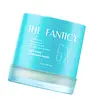
This wash off mask is made with Kaolin and Niacinamide for a rinse-off oil-control boost.
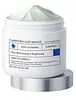
This wash off mask is made with Kaolin and Diatomaceous Earth for a rinse-off oil-control boost.

What's inside
What's inside
 Key Ingredients
Benefits
Concerns
Ingredients Side-by-side
Water
Skin ConditioningKaolin
Abrasive



Caprylic/Capric Triglyceride
Masking


Ethylhexyl Palmitate
Emollient




Propanediol
Solvent
Niacinamide
Smoothing







Dipropylene Glycol
HumectantMagnesium Aluminometasilicate
AbsorbentTitanium Dioxide
Cosmetic Colorant

PEG-100 Stearate
Surfactant
Glyceryl Stearate
Emollient
Xanthan Gum
EmulsifyingJuglans Regia Shell Powder
Abrasive
Glycerin
Humectant
Arachidyl Glucoside
EmulsifyingPhenoxyethanol
Preservative
Behenyl Alcohol
Emollient
Arachidyl Alcohol
Emollient
Allantoin
Skin Conditioning
Tocopheryl Acetate
Antioxidant

Methylparaben
Preservative
Mannitol
Humectant
Butylene Glycol
Humectant
Hydrogenated Lecithin
Emulsifying
Monarda Didyma Leaf Extract
Skin ConditioningCentella Asiatica Extract
Cleansing
Zea Mays Starch
Absorbent
Portulaca Oleracea Extract
Skin Conditioning
Rosmarinus Officinalis Leaf Extract
AntimicrobialChamomilla Recutita Flower Extract
Masking
Freesia Refracta Extract
Skin ConditioningMentha Piperita Leaf Extract
Skin ConditioningLavandula Angustifolia Flower Extract
Cleansing
C13-14 Isoparaffin
Emollient
Laureth-7
Emulsifying1,2-Hexanediol
Skin Conditioning
Ethylhexylglycerin
Skin ConditioningPropylparaben
Preservative
Polyacrylamide
Disodium EDTA
ChelatingParfum
Masking

CI 77891
Cosmetic ColorantCI 77499
Cosmetic ColorantWater, Kaolin, Caprylic/Capric Triglyceride, Ethylhexyl Palmitate, Propanediol, Niacinamide, Dipropylene Glycol, Magnesium Aluminometasilicate, Titanium Dioxide, PEG-100 Stearate, Glyceryl Stearate, Xanthan Gum, Juglans Regia Shell Powder, Glycerin, Arachidyl Glucoside, Phenoxyethanol, Behenyl Alcohol, Arachidyl Alcohol, Allantoin, Tocopheryl Acetate, Methylparaben, Mannitol, Butylene Glycol, Hydrogenated Lecithin, Monarda Didyma Leaf Extract, Centella Asiatica Extract, Zea Mays Starch, Portulaca Oleracea Extract, Rosmarinus Officinalis Leaf Extract, Chamomilla Recutita Flower Extract, Freesia Refracta Extract, Mentha Piperita Leaf Extract, Lavandula Angustifolia Flower Extract, C13-14 Isoparaffin, Laureth-7, 1,2-Hexanediol, Ethylhexylglycerin, Propylparaben, Polyacrylamide, Disodium EDTA, Parfum, CI 77891, CI 77499
Water
Skin ConditioningKaolin
Abrasive
Diatomaceous Earth
Abrasive
Paraffinum Liquidum
Emollient
Glycerin
Humectant
Ethylhexyl Palmitate
Emollient
Silt
AbsorbentCetearyl Alcohol
Emollient
Propylene Glycol
Humectant
Polysorbate 60
Emulsifying
Dimethicone
Emollient
Beeswax
Emulsion Stabilising
Glyceryl Stearate
Emollient
Magnesium Aluminometasilicate
AbsorbentErythritol
Humectant
Sorbitan Stearate
Emulsifying
PEG-100 Stearate
Surfactant
Phenoxyethanol
Preservative
Malachite Extract
Antioxidant
Manicouagan Clay
AbsorbentAlgae
Skin Conditioning
Spirulina Platensis Extract
Skin ProtectingAmmonium Polyacryloyldimethyl Taurate
Emulsion StabilisingXanthan Gum
EmulsifyingPolysorbate 20
Emulsifying
Tocopheryl Acetate
Antioxidant
Panthenol
Skin Conditioning
Chromium Oxide Greens
O-Cymen-5-Ol
Antimicrobial
Ethylhexylglycerin
Skin ConditioningCI 77492
Cosmetic ColorantDisodium EDTA
ChelatingMenthol
Masking
CI 77499
Cosmetic ColorantSalix Alba Bark Extract
Astringent
Niacinamide
Smoothing
Rosmarinus Officinalis Leaf Extract
AntimicrobialWater, Kaolin, Diatomaceous Earth, Paraffinum Liquidum, Glycerin, Ethylhexyl Palmitate, Silt, Cetearyl Alcohol, Propylene Glycol, Polysorbate 60, Dimethicone, Beeswax, Glyceryl Stearate, Magnesium Aluminometasilicate, Erythritol, Sorbitan Stearate, PEG-100 Stearate, Phenoxyethanol, Malachite Extract, Manicouagan Clay, Algae, Spirulina Platensis Extract, Ammonium Polyacryloyldimethyl Taurate, Xanthan Gum, Polysorbate 20, Tocopheryl Acetate, Panthenol, Chromium Oxide Greens, O-Cymen-5-Ol, Ethylhexylglycerin, CI 77492, Disodium EDTA, Menthol, CI 77499, Salix Alba Bark Extract, Niacinamide, Rosmarinus Officinalis Leaf Extract
Ingredients Explained
These ingredients are found in both products.
Ingredients higher up in an ingredient list are typically present in a larger amount.
Ci 77499 is also hydrated iron III oxide. It is created from mixing red and black iron oxides. This helps give shades of darkness to a product.
Iron III oxides are classified as inorganic chemicals for coloring.
Disodium EDTA is a chelating agent. It grabs onto and deactivates metal ions that sneak into your products from water, packaging, or air.
This ingredient mainly works behind the scenes and helps with:
On top of that, this ingredient can counteract the effects of hard water by binding to the minerals in it.
One thing worth knowing is that Disodium EDTA has been shown to be a mild penetration enhancer. It can help other ingredients absorb into skin more effectively which can be a double-edged sword (great for actives, but can also make the active too strong if you have sensitive skin).
Clinical patch testing showed no significant skin irritation at typical use concentrations and minimal dermal absorption.
You'll most likely see this ingredient near the end of an ingredient list. It's typically found in concentrations less than 1%.
Learn more about Disodium EDTAEthylhexyl Palmitate, also known as octyl palmitate, is created from 2-ethylhexyl alcohol and palmitic acid.
In cosmetics, it plays many roles:
One thing worth noting: a controlled study found this ingredient applied under occlusion to acne-prone subjects increased microcomedones. Just keep in mind this was under occlusive conditions and don't reflect how most products are used day-to-day.
For most people, this is a well-tolerated and lightweight ingredient.
This ingredient may not be fungal acne safe because it is an ester of palmitic acid, a C16 fatty acid that falls within the C11-24 range that Malassezia can metabolize.
You'll see this one rated 4 comedogenic all over the internet. That number isn't from a single study, and the actual research is more interesting.
The original rating comes from 1980s rabbit ear tests (which are a shaky basis for anything). But Ethylhexyl Palmitate is one of the few ingredients with real human data behind it. A 2021 controlled trial found this ingredient increased microcomedones by an average of 365% over four weeks.
Just know that test used the pure ingredient under an occlusive pad on back skin; most products use it at much lower levels alongside other ingredients and plenty of people use those with no issue.
Learn more about Ethylhexyl PalmitateEthylhexylglycerin is created from glycerin. It is a multitasker ingredient that:
The CIR Expert Panel found minimal skin absorption or sensitization of any kind in a safety assessment. Though this ingredient is considered well-tolerated, a small number of cases of allergic dermatitis have been published since 2002. Just be sure to patch test if you are unsure.
Industry-reported use ranges from 8% in rinse-off products and 2% in leave-on formulations.
Learn more about EthylhexylglycerinGlycerin (or glycerol) is a compound naturally found in your skin. It's a powerhouse humectant that pulls water into the stratum corneum.
Topically, glycerin does several things at once:
Your skin makes glycerin on its own (mostly from sebaceous oil breakdown) and shuttles it to your outermost layer of skin, or your epidermis, via aquaporin-3.
Aquaporin-3 is a transporter that is essential for normal skin hydration, elasticity, and repair. Interestingly, mice lacking in AQP3 have dry and less elastic skin that can be fully corrected with glycerin.
This ingredient is non-irritating, plays well with almost every ingredient, and works across all skin types. Typical use is anywhere between 3-10% but can go up to 79% in some leave-on products.
Just know very high concentrations (>40%) can feel tacky in low humidity.
Glycerin is the name for this ingredient in American English. British English uses Glycerol/Glycerine.
Learn more about GlycerinGlyceryl Stearate is made by reacting glycerin with stearic acid (typically sourced from plant oils like palm or coconut). It's an emulsifier, emollient, and mild occlusive.
Emulsifiers help ingredients like oil and water stay mixed so your formula stays nicely blended and uniform in texture.
This ingredient is typically used in concentrations between 1-10%. Studies have found it to be non-sensitizing, non-phototoxic, and non-photoallergenic.
A close cousin of this ingredient is Glyceryl Stearate SE ("self-emulsifying"). This just has a small amount of sodium or potassium stearate added so it can emulsify without a co-emulsifier.
Since this ingredient is an ester of a C18 fatty acid, it may not be fungal acne safe. The Malassezia yeast can potentially metabolize within the C11-C24 range.
Fun fact: The human body also creates Glyceryl Stearate naturally.
Learn more about Glyceryl StearateKaolin is a clay. It is used for oil control and to help minimize pores. Like other clays, kaolin has the ability to absorb excess sebum or oil. This can help clean out pores and mattify the skin.
Some types of kaolin may have exfoliating properties. When water is added to kaolin, it becomes a paste with small abrasive particles.
Most kaolin is a white color, but may be pink/orange/red depending on where it comes from.
The name 'kaolin' comes from a Chinese village named 'Gaoling'. Kaolin clay comes from rocks rich in kaolinite. Kaolinite, the mineral, has a silicate layered structure. Kaolinite is formed from chemical weathering of aluminum siilicate minerals.
Besides skincare, kaolin is commonly used to make glossy paper, in ceramics, toothpaste, and as medicine to soothe stomach issues.
Learn more about KaolinWe don't have a description for Magnesium Aluminometasilicate yet.
Niacinamide is a multitasking form of vitamin B3 that strengthens the skin barrier, reduces pores and dark spots, regulates oil, and improves signs of aging.
And the best part? It's gentle and well-tolerated by most skin types, including sensitive and reactive skin.
You might have heard of "niacin flush", or the reddening of skin that causes itchiness. Niacinamide has not been found to cause this.
In very rare cases, some individuals may not be able to tolerate niacinamide at all or experience an allergic reaction to it.
If you are experiencing flaking, irritation, and dryness with this ingredient, be sure to double check all your products as this ingredient can be found in all categories of skincare.
When incorporating niacinamide into your routine, look out for concentration amounts. Typically, 5% niacinamide provides benefits such as fading dark spots. However, if you have sensitive skin, it is better to begin with a smaller concentration.
When you apply niacinamide to your skin, your body converts it into nicotinamide adenine dinucleotide (NAD). NAD is an essential coenzyme that is already found in your cells as "fuel" and powers countless biological processes.
In your skin, NAD helps repair cell damage, produce new healthy cells, support collagen production, strengthen the skin barrier, and fight environmental stressors (like UV and pollution).
Our natural NAD levels start to decline with age, leading to slower skin repair, visible aging, and a weaker skin barrier. By providing your skin niacinamide, you're recharging your skin's NAD levels. This leads to stronger, healthier, and younger looking skin.
Another name for vitamin B3 is nicotinamide. This vitamin is water-soluble and our bodies don't store it. We obtain Vitamin B3 from either food or skincare. Meat, fish, wheat, yeast, and leafy greens contain vitamin B3.
The type of niacinamide used in skincare is synthetically created.
Learn more about NiacinamidePeg-100 Stearate is an emollient and emulsifier. As an emollient, it helps keep skin soft by trapping moisture in. On the other hand, emulsifiers help prevent oil and water from separating in a product.
PEGS are a hydrophilic polyether compound . There are 100 ethylene oxide monomers in Peg-100 Stearate. Peg-100 Stearate is polyethylene glycol ester of stearic acid.
Phenoxyethanol is one of the most widely used preservatives in skincare (and for good reason!).
It has a large spectrum of antimicrobial activity and especially effective bacteria, yeast, and mold while only having a weak effect on your skin's natural microbiome.
On a cellular level, it disrupts the cell membranes of microbes by poking holes that make the cell leak. This shuts down the chemical reactions the microbe needs to make energy so it can no longer survive.
Another perk of this ingredient is that it stays functional across a wide pH range (3-10).
You'll often see it paired with boosters like Ethylhexylglycerin; one study showed that a 1:9 ratio of Ethylhexylglycerin to Phenoxyethanol damages bacterial membranes as effectively as doubling the Phenoxyethanol concentration on its own.
Typical use concentrations range from 0.3-1% depending on the formula, and this ingredient is capped at 1% int the EU.
Safety-wise, the fear mongering does not hold up to the evidence. The EU's Scientific Committee on Consumer Safety and FDA consider it safe as a preservative at up to 1%, including for children of all ages.
Adverse systemic effects only showed up in animal studies at exposures roughly 200x higher than what people get from cosmetics. And despite its very widespread use, this ingredient is a rare sensitizer and allergic reactions are uncommon.
Learn more about PhenoxyethanolThis is a botanical extract from the rosemary plant (the same one you cook with). In skincare, it mostly works as a skin conditioning agent.
Its activity comes from a handful of polyphenols, carnosic acid, carnosol, and rosmarinic acid. Almost 90% of the antioxidant activity of this ingredient can be attributed to canosol and carnosic acid.
These compounds protect your skin two ways:
1) They fight off free radicals, or the unstable molecules from things like sun and pollution that age and damage skin.
2) They help calm inflammation by switching off the chemical signals that tell skin to get red and irritated.
Lab studies also suggest that rosmarinic acid may help protect collagen and slow sugar-related damage to it.
The Cosmetic Ingredient Review has concluded rosemary-derived ingredients to be safe when formulated to be non-sensitizing.
Rosemary can occasionally cause allergic contact dermatitis (due to carnosol), so be sure to patch test if you have reactive or fragrance-sensitive skin.
Learn more about Rosmarinus Officinalis Leaf ExtractTocopheryl Acetate is a stable, shelf-friendly form of vitamin E.
Formulators love it because plain vitamin E oxidizes quickly once it hits air. This acetate version stays stable and resists going off, helping to extend a product's shelf life.
It's actually inactive on its own and works like a slow-release "storage" form; the enzymes in your skin called esterases gradually convert it into active vitamin E over time.
One in vivo study showed 5% of the acetate in the living layer of the epidermis converted to vitamin E after 5 days of application. This study also found the skin gained protection against UV damage even though the conversion was slow and small.
Once converted, vitamin E acts as a skin's main fat-soluble antioxidant that fights free radicals to protect skin from damage.
Topical vitamin E generally boosts the skin's photoprotection, and it reduced UV-damage in animal models.
This ingredient has some brightening potential but it's more of a prevention ingredient than spot-fader. Cell studies show it can slow down melanin production but it's worth noting that it's not the most powerful brightener out there.
Overall, it has a pretty solid safety profile and has been found to be non-irritating and non-comedogenic. Allergic reactions may happen but stay rare due to how widely the ingredient gets used.
The concentration will vary depending on the formula; industry data shows 0.1% in baby lotions, 3% in lipsticks, and 5% in foot powders. You can also find this ingredient at 100% in a pure vitamin E oil.
Most leave-on skincare keeps it at the lower end, often between 0.5-1%.
Learn more about Tocopheryl AcetateWater. It's the most common cosmetic ingredient of all. You'll usually see it at the top of ingredient lists, meaning that it makes up the largest part of the product.
So why is it so popular? Water most often acts as a solvent - this means that it helps dissolve other ingredients into the formulation.
You'll also recognize water as that liquid we all need to stay alive. If you see this, drink a glass of water. Remember to stay hydrated!
Learn more about WaterXanthan gum is used as a stabilizer and thickener within cosmetic products. It helps give products a sticky, thick feeling - preventing them from being too runny.
On the technical side of things, xanthan gum is a polysaccharide - a combination consisting of multiple sugar molecules bonded together.
Xanthan gum is a pretty common and great ingredient. It is a natural, non-toxic, non-irritating ingredient that is also commonly used in food products.
Learn more about Xanthan Gum

