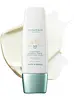
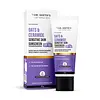
The Face Shop Everyday Mineral Face Sunscreen SPF 50 Versus Dr. Sheth's Oats & Ceramide Sensitive Skin Sunscreen SPF 50+
This mineral sunscreen covers the full UV range and blocks ~98% of UVB at SPF 50.
This hybrid sunscreen covers the full UV range and blocks ~98% of UVB at SPF 50.


What's inside
What's inside
 Key Ingredients
Benefits
Concerns
Ingredients Side-by-side
Zinc Oxide 15.52%
Cosmetic Colorant


Water
Skin ConditioningDimethicone
Emollient

Benzotriazolyl Dodecyl P-Cresol
UV AbsorberCyclopentasiloxane
Emollient
Polyglyceryl-3 Polydimethylsiloxyethyl Dimethicone
Skin Conditioning
Dipropylene Glycol
HumectantGlycerin
Humectant

Disteardimonium Hectorite
Stabilising1,2-Hexanediol
Skin Conditioning
Isostearic Acid
Cleansing



Magnesium Sulfate
Panthenol
Skin Conditioning

Polyglyceryl-6 Polyricinoleate
Emulsifying
Dimethicone/Polyglycerin-3 Crosspolymer
Cleansing
Niacinamide
Smoothing






Caprylic/Capric Triglyceride
Masking
Triethoxycaprylylsilane
Distearyldimonium Chloride
Citrus Aurantifolia Oil
Cleansing



Citrus Aurantium Bergamia Fruit Oil
Masking
Pelargonium Graveolens Flower Oil
Masking
Amyris Balsamifera Bark Oil
Masking
Myristica Fragrans Extract
MaskingRicinus Communis Seed Oil
Masking
Cananga Odorata Flower Oil
Masking
Santalum Album Oil
Masking
Juniperus Virginiana Oil
Masking
Boswellia Carterii Oil
Masking
Sodium Citrate
BufferingTocopherol
Antioxidant

Paeonol
Antioxidant
Paeonia Suffruticosa Branch/Flower/Leaf Extract
Skin ConditioningZinc Oxide 15.52%, Water, Dimethicone, Benzotriazolyl Dodecyl P-Cresol, Cyclopentasiloxane, Polyglyceryl-3 Polydimethylsiloxyethyl Dimethicone, Dipropylene Glycol, Glycerin, Disteardimonium Hectorite, 1,2-Hexanediol, Isostearic Acid, Magnesium Sulfate, Panthenol, Polyglyceryl-6 Polyricinoleate, Dimethicone/Polyglycerin-3 Crosspolymer, Niacinamide, Caprylic/Capric Triglyceride, Triethoxycaprylylsilane, Distearyldimonium Chloride, Citrus Aurantifolia Oil, Citrus Aurantium Bergamia Fruit Oil, Pelargonium Graveolens Flower Oil, Amyris Balsamifera Bark Oil, Myristica Fragrans Extract, Ricinus Communis Seed Oil, Cananga Odorata Flower Oil, Santalum Album Oil, Juniperus Virginiana Oil, Boswellia Carterii Oil, Sodium Citrate, Tocopherol, Paeonol, Paeonia Suffruticosa Branch/Flower/Leaf Extract
Water
Skin ConditioningC12-15 Alkyl Benzoate
AntimicrobialDiethylamino Hydroxybenzoyl Hexyl Benzoate
UV Filter
Hexyl Benzoate
Perfuming
Ethylhexyl Triazone
UV Absorber
Propanediol
Solvent
Bis-Ethylhexyloxyphenol Methoxyphenyl Triazine
UV Absorber
Lecithin
Emollient
Phenethyl Alcohol
MaskingHydroxyacetophenone
Antioxidant
Glycerin
Humectant
Titanium Dioxide
Cosmetic Colorant
Niacinamide
Smoothing
Colloidal Oatmeal Extract
Humectant
Dimethicone
Emollient
Hyaluronic Acid
Humectant
Betaine
Humectant
1,2-Hexanediol
Skin Conditioning
Laminaria Digitata Extract
Skin Protecting
Hydrogenated Lecithin
Emulsifying
Cetyl-Pg Hydroxyethyl Palmitamide
Skin ConditioningCeramide Ns
Skin Conditioning
Ceramide Ng
Skin Conditioning
Ceramide NP
Skin Conditioning
Ceramide As
Skin Conditioning
Ceramide AP
Skin Conditioning
Cholesterol
Emollient
Panthenol
Skin Conditioning
Dicaprylyl Carbonate
EmollientAloe Barbadensis Leaf Juice
Skin Conditioning
Phenoxyethanol
Preservative
Allantoin
Skin Conditioning
Bisabolol
Antioxidant
Centella Asiatica Extract
Cleansing
Peucedanum Graveolens Extract
TonicEruca Sativa Leaf Extract
Skin ConditioningPolyacrylate-13
Polyisobutene
Polysorbate 20
Emulsifying
Tasmannia Lanceolata Fruit/Leaf Extract
Antioxidant
Copernicia Cerifera Wax
Oryza Sativa Extract
Absorbent
Acrylates/C12-22 Alkyl Methacrylate Copolymer
Lycopene
Antioxidant
Glutathione
Thermus Thermophillus Ferment
Skin ConditioningTheobroma Cacao Seed Extract
Antioxidant
Water, C12-15 Alkyl Benzoate, Diethylamino Hydroxybenzoyl Hexyl Benzoate, Hexyl Benzoate, Ethylhexyl Triazone, Propanediol, Bis-Ethylhexyloxyphenol Methoxyphenyl Triazine, Lecithin, Phenethyl Alcohol, Hydroxyacetophenone, Glycerin, Titanium Dioxide, Niacinamide, Colloidal Oatmeal Extract, Dimethicone, Hyaluronic Acid, Betaine, 1,2-Hexanediol, Laminaria Digitata Extract, Hydrogenated Lecithin, Cetyl-Pg Hydroxyethyl Palmitamide, Ceramide Ns, Ceramide Ng, Ceramide NP, Ceramide As, Ceramide AP, Cholesterol, Panthenol, Dicaprylyl Carbonate, Aloe Barbadensis Leaf Juice, Phenoxyethanol, Allantoin, Bisabolol, Centella Asiatica Extract, Peucedanum Graveolens Extract, Eruca Sativa Leaf Extract, Polyacrylate-13, Polyisobutene, Polysorbate 20, Tasmannia Lanceolata Fruit/Leaf Extract, Copernicia Cerifera Wax, Oryza Sativa Extract, Acrylates/C12-22 Alkyl Methacrylate Copolymer, Lycopene, Glutathione, Thermus Thermophillus Ferment, Theobroma Cacao Seed Extract
Ingredients Explained
These ingredients are found in both products.
Ingredients higher up in an ingredient list are typically present in a larger amount.
1,2-Hexanediol is a synthetic liquid and another multi-functional powerhouse.
It is a:
- Humectant, drawing moisture into the skin
- Emollient, helping to soften skin
- Solvent, dispersing and stabilizing formulas
- Preservative booster, enhancing the antimicrobial activity of other preservatives
Dimethicone is a type of synthetic silicone created from natural materials such as quartz. It is also known as polydimethylsiloxane.
What it does:
Dimethicone comes in different viscosities:
Depending on the viscosity, dimethicone has different properties.
Ingredients lists don't always show which type is used, so we recommend reaching out to the brand if you have questions about the viscosity.
This ingredient is unlikely to cause irritation because it does not get absorbed into skin. However, people with silicone allergies should be careful about using this ingredient.
Note: Dimethicone may contribute to pilling. This is because it is not oil or water soluble, so pilling may occur when layered with products. When mixed with heavy oils in a formula, the outcome is also quite greasy.
Learn more about DimethiconeGlycerin (or glycerol) is a compound naturally found in your skin. It's a powerhouse humectant that pulls water into the stratum corneum.
Topically, glycerin does several things at once:
Your skin makes glycerin on its own (mostly from sebaceous oil breakdown) and shuttles it to your outermost layer of skin, or your epidermis, via aquaporin-3.
Aquaporin-3 is a transporter that is essential for normal skin hydration, elasticity, and repair. Interestingly, mice lacking in AQP3 have dry and less elastic skin that can be fully corrected with glycerin.
This ingredient is non-irritating, plays well with almost every ingredient, and works across all skin types. Typical use is anywhere between 3-10% but can go up to 79% in some leave-on products.
Just know very high concentrations (>40%) can feel tacky in low humidity.
Glycerin is the name for this ingredient in American English. British English uses Glycerol/Glycerine.
Learn more about GlycerinNiacinamide is a multitasking form of vitamin B3 that strengthens the skin barrier, reduces pores and dark spots, regulates oil, and improves signs of aging.
And the best part? It's gentle and well-tolerated by most skin types, including sensitive and reactive skin.
You might have heard of "niacin flush", or the reddening of skin that causes itchiness. Niacinamide has not been found to cause this.
In very rare cases, some individuals may not be able to tolerate niacinamide at all or experience an allergic reaction to it.
If you are experiencing flaking, irritation, and dryness with this ingredient, be sure to double check all your products as this ingredient can be found in all categories of skincare.
When incorporating niacinamide into your routine, look out for concentration amounts. Typically, 5% niacinamide provides benefits such as fading dark spots. However, if you have sensitive skin, it is better to begin with a smaller concentration.
When you apply niacinamide to your skin, your body converts it into nicotinamide adenine dinucleotide (NAD). NAD is an essential coenzyme that is already found in your cells as "fuel" and powers countless biological processes.
In your skin, NAD helps repair cell damage, produce new healthy cells, support collagen production, strengthen the skin barrier, and fight environmental stressors (like UV and pollution).
Our natural NAD levels start to decline with age, leading to slower skin repair, visible aging, and a weaker skin barrier. By providing your skin niacinamide, you're recharging your skin's NAD levels. This leads to stronger, healthier, and younger looking skin.
Another name for vitamin B3 is nicotinamide. This vitamin is water-soluble and our bodies don't store it. We obtain Vitamin B3 from either food or skincare. Meat, fish, wheat, yeast, and leafy greens contain vitamin B3.
The type of niacinamide used in skincare is synthetically created.
Learn more about NiacinamidePanthenol is a common ingredient that helps hydrate and soothe the skin. It is found naturally in our skin and hair.
There are two forms of panthenol: D and L.
D-panthenol is also known as dexpanthenol. Most cosmetics use dexpanthenol or a mixture of D and L-panthenol.
Panthenol is famous due to its ability to go deeper into the skin's layers. Using this ingredient has numerous pros (and no cons):
Like hyaluronic acid, panthenol is a humectant. Humectants are able to bind and hold large amounts of water to keep skin hydrated.
This ingredient works well for wound healing. It works by increasing tissue in the wound and helps close open wounds.
Once oxidized, panthenol converts to pantothenic acid. Panthothenic acid is found in all living cells.
This ingredient is also referred to as pro-vitamin B5.
Learn more about PanthenolWater. It's the most common cosmetic ingredient of all. You'll usually see it at the top of ingredient lists, meaning that it makes up the largest part of the product.
So why is it so popular? Water most often acts as a solvent - this means that it helps dissolve other ingredients into the formulation.
You'll also recognize water as that liquid we all need to stay alive. If you see this, drink a glass of water. Remember to stay hydrated!
Learn more about Water

