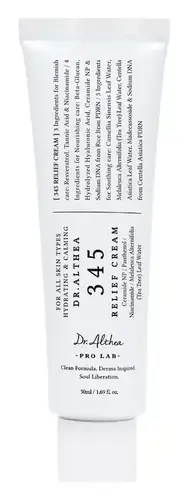
This calming moisturizer is formulated around Panthenol and Madecassoside to calm redness and hydrate skin.
This barrier-repair moisturizer is formulated around Phytosphingosine and Beta-Glucan to strengthen the skin barrier and hydrate skin.

What's inside
What's inside
 Key Ingredients
Benefits
Concerns
Ingredients Side-by-side
Water
Skin ConditioningGlycerin
Humectant


Cyclohexasiloxane
Emollient
Propanediol
Solvent
Polyglyceryl-4 Caprate
Emulsifying1,2-Hexanediol
Skin Conditioning
Hydrogenated Polydecene
EmollientCetyl Palmitate
Emollient

Hydrogenated Olive Oil Stearyl Esters
Emulsion Stabilising
Caprylic/Capric Triglyceride
Masking
Sorbitan Stearate
Emulsifying
Panthenol
Skin Conditioning

Madecassoside
Antioxidant


Sodium Hyaluronate
Humectant
Hydrolyzed Hyaluronic Acid
Humectant
Centella Asiatica Leaf Extract
Skin Conditioning
Beta-Glucan
Skin Conditioning
Acrylates/C10-30 Alkyl Acrylate Crosspolymer
Emulsion StabilisingIsohexadecane
EmollientSqualane
Emollient
Tridecyl Stearate
Emollient
Butylene Glycol
Humectant
Tridecyl Trimellitate
EmollientHydrogenated Vegetable Oil
Emollient

Jojoba Esters
Emollient
Ammonium Acryloyldimethyltaurate/Vp Copolymer
Polyglyceryl-10 Stearate
Skin Conditioning
Tromethamine
BufferingDipentaerythrityl Hexacaprylate/Hexacaprate
EmulsifyingHydrogenated Olive Oil Unsaponifiables
Emollient
Trisodium EDTA
ChelatingTocopherol
Antioxidant


Cinnamomum Camphora Bark Oil
Masking
Litsea Cubeba Fruit Oil
Masking


Citrus Aurantium Bergamia Fruit Oil
Masking
Origanum Majorana Leaf Oil
Masking
Cymbopogon Martini Oil
Masking
Citrus Aurantium Dulcis Flower Oil
Astringent
Citral
Perfuming
Limonene
Perfuming
Linalool
Perfuming
Water, Glycerin, Cyclohexasiloxane, Propanediol, Polyglyceryl-4 Caprate, 1,2-Hexanediol, Hydrogenated Polydecene, Cetyl Palmitate, Hydrogenated Olive Oil Stearyl Esters, Caprylic/Capric Triglyceride, Sorbitan Stearate, Panthenol, Madecassoside, Sodium Hyaluronate, Hydrolyzed Hyaluronic Acid, Centella Asiatica Leaf Extract, Beta-Glucan, Acrylates/C10-30 Alkyl Acrylate Crosspolymer, Isohexadecane, Squalane, Tridecyl Stearate, Butylene Glycol, Tridecyl Trimellitate, Hydrogenated Vegetable Oil, Jojoba Esters, Ammonium Acryloyldimethyltaurate/Vp Copolymer, Polyglyceryl-10 Stearate, Tromethamine, Dipentaerythrityl Hexacaprylate/Hexacaprate, Hydrogenated Olive Oil Unsaponifiables, Trisodium EDTA, Tocopherol, Cinnamomum Camphora Bark Oil, Litsea Cubeba Fruit Oil, Citrus Aurantium Bergamia Fruit Oil, Origanum Majorana Leaf Oil, Cymbopogon Martini Oil, Citrus Aurantium Dulcis Flower Oil, Citral, Limonene, Linalool
Water
Skin ConditioningDipropylene Glycol
HumectantGlycerin
Humectant
Cyclopentasiloxane
Emollient
1,2-Hexanediol
Skin Conditioning
Myristica Fragrans Extract
MaskingPentaerythrityl Tetraethylhexanoate
Emollient
Hydrogenated Polydecene
EmollientCetearyl Alcohol
Emollient

PEG-40 Stearate
Emulsifying
Glyceryl Stearate
Emollient
Butyrospermum Parkii Butter
Skin Conditioning
Phytosphingosine
Skin Conditioning
Beta-Glucan
Skin Conditioning
Sorbitan Stearate
Emulsifying
Panthenol
Skin Conditioning
Monarda Didyma Leaf Extract
Skin ConditioningBetula Platyphylla Japonica Juice
Skin Conditioning
Corchorus Olitorius Leaf Extract
Skin ConditioningSalvia Officinalis Leaf Extract
CleansingXanthan Gum
EmulsifyingHydroxyethylcellulose
Emulsion StabilisingDimethicone/Vinyl Dimethicone Crosspolymer
Skin Conditioning
Tocopheryl Acetate
Antioxidant
Cetearyl Olivate
Dimethicone
Emollient
Stearic Acid
Cleansing
Carbomer
Emulsion StabilisingTromethamine
BufferingPEG-100 Stearate
Surfactant
Sorbitan Olivate
Emulsifying
Trisodium EDTA
ChelatingEthylhexylglycerin
Skin ConditioningParfum
Masking
Water, Dipropylene Glycol, Glycerin, Cyclopentasiloxane, 1,2-Hexanediol, Myristica Fragrans Extract, Pentaerythrityl Tetraethylhexanoate, Hydrogenated Polydecene, Cetearyl Alcohol, PEG-40 Stearate, Glyceryl Stearate, Butyrospermum Parkii Butter, Phytosphingosine, Beta-Glucan, Sorbitan Stearate, Panthenol, Monarda Didyma Leaf Extract, Betula Platyphylla Japonica Juice, Corchorus Olitorius Leaf Extract, Salvia Officinalis Leaf Extract, Xanthan Gum, Hydroxyethylcellulose, Dimethicone/Vinyl Dimethicone Crosspolymer, Tocopheryl Acetate, Cetearyl Olivate, Dimethicone, Stearic Acid, Carbomer, Tromethamine, PEG-100 Stearate, Sorbitan Olivate, Trisodium EDTA, Ethylhexylglycerin, Parfum
Reviews
Ingredients Explained
These ingredients are found in both products.
Ingredients higher up in an ingredient list are typically present in a larger amount.
1,2-Hexanediol is a synthetic liquid and another multi-functional powerhouse.
It is a:
- Humectant, drawing moisture into the skin
- Emollient, helping to soften skin
- Solvent, dispersing and stabilizing formulas
- Preservative booster, enhancing the antimicrobial activity of other preservatives
Beta-Glucan is a soluble polysaccharide (a chain of glucose sugars) sourced from the cells walls of oats, baker's yeast, mushrooms, and seaweed.
It's a rare ingredient that pulls double-duty as a heavy-duty hydrator and skin-soothing repair agent.
On the surface, it acts as a humectant that holds water in place and reduces moisture loss for a plumper, smoother feel, while its anti-inflammatory and antioxidant properties make it a great pick for calming redness or sensitive skin
The more interesting story is underneath:
Despite its large molecular size, oat beta-glucan has been shown to penetrate the epidermis and reach the dermis by slipping between skin cells. Here, it interacts with fibroblasts and macrophages to nudge collagen synthesis and support wound repair.
A small 2005 split-face clinical study of 27 subjects found topical beta-glucan produced measurable reductions in wrinkle depth, height, and roughness after 8 weeks of use.
It is worth noting the trial was small and the penetration testing used frozen, irradiated skin so the anti-aging data is encouraging rather than definitive.
This ingredient gets along with pretty much everything and is typically used around 0.1-1%.
Fungal acne: This ingredient is not a food source for the Malassezia yeast because it is a glucose polysaccharide with no fatty acid or ester component.
Learn more about Beta-GlucanGlycerin (or glycerol) is a compound naturally found in your skin. It's a powerhouse humectant that pulls water into the stratum corneum.
Topically, glycerin does several things at once:
Your skin makes glycerin on its own (mostly from sebaceous oil breakdown) and shuttles it to your outermost layer of skin, or your epidermis, via aquaporin-3.
Aquaporin-3 is a transporter that is essential for normal skin hydration, elasticity, and repair. Interestingly, mice lacking in AQP3 have dry and less elastic skin that can be fully corrected with glycerin.
This ingredient is non-irritating, plays well with almost every ingredient, and works across all skin types. Typical use is anywhere between 3-10% but can go up to 79% in some leave-on products.
Just know very high concentrations (>40%) can feel tacky in low humidity.
Glycerin is the name for this ingredient in American English. British English uses Glycerol/Glycerine.
Learn more about GlycerinHydrogenated Polydecene is a synthetic emollient. It forms a non-occlusive film on the skin's surface to provide a silky feel without being greasy.
In vivo studies in volunteers with atopic and dry skin showed no irritation or intolerance. The volunteers also saw a positive effect in dryness, scaling, and roughness after 28 days of use.
Concentrations up to 100% in guinea pig tests found it to be non-sensitizing and completely safe for use in cosmetics.
Learn more about Hydrogenated PolydecenePanthenol is a common ingredient that helps hydrate and soothe the skin. It is found naturally in our skin and hair.
There are two forms of panthenol: D and L.
D-panthenol is also known as dexpanthenol. Most cosmetics use dexpanthenol or a mixture of D and L-panthenol.
Panthenol is famous due to its ability to go deeper into the skin's layers. Using this ingredient has numerous pros (and no cons):
Like hyaluronic acid, panthenol is a humectant. Humectants are able to bind and hold large amounts of water to keep skin hydrated.
This ingredient works well for wound healing. It works by increasing tissue in the wound and helps close open wounds.
Once oxidized, panthenol converts to pantothenic acid. Panthothenic acid is found in all living cells.
This ingredient is also referred to as pro-vitamin B5.
Learn more about PanthenolSorbitan Stearate is an emulsifier made by reacting sorbitol with stearic acid.
It's mostly used to keep oil and water mixed so your formulas stay smooth and stable.
The Cosmetic Ingredient Review has found 4% of this ingredient in repeat-insult patch tests on humans to be non-sensitizing. There is a caveat that some reactions have shown up in patients with damaged or diseased skin.
Because it is an ester of a C18 fatty acid, it falls into the C11-24 range that the Malassezia yeast can metabolize. This means this ingredient may not be fungal acne safe.
Learn more about Sorbitan StearateTrisodium EDTA is one of those quietly essential helper ingredients that most people have never heard of. You'll most likely spot it near the end of ingredient lists in almost every category of skincare.
So what does it actually do?
Its main job is chelation; this is a fancy word to say it grabs onto metal ions and neutralizes them. This is because even purified water in cosmetics contains trace amounts of metals that can cause big problems in a formula.
These trace metals can break down actives faster, cause discoloration, promote rancidity in oils, and make preservatives less effective. Trisodium EDTA binds to these metals and takes them out of the equation so your products can stay stable and effective for longer.
There's also an added bonus: by neutralizing the metals ions that bacteria need to thrive, this ingredient also acts as a preservative booster.
The Cosmetic Ingredient Review has concluded this ingredient to be safe as used in cosmetic formulations. It is not considered an irritant, sensitizer, and is barely absorbed through the skin.
Learn more about Trisodium EDTATromethamine (aka THAM) is a synthetic amino acid that shows up in skincare as a helper ingredient.
It functions as a pH adjuster to help neutralize acidic ingredients and set a formula's pH to the right spot.
This matters a lot because a lot of actives (like vitamin C) needs a specific pH to work well and feel comfortable on skin.
Concentration use ranges from 0.1-1.0% depending on the formula.
Learn more about TromethamineWater. It's the most common cosmetic ingredient of all. You'll usually see it at the top of ingredient lists, meaning that it makes up the largest part of the product.
So why is it so popular? Water most often acts as a solvent - this means that it helps dissolve other ingredients into the formulation.
You'll also recognize water as that liquid we all need to stay alive. If you see this, drink a glass of water. Remember to stay hydrated!
Learn more about Water