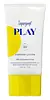
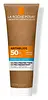
Supergoop! Play Everyday Lotion SPF 50 PA++++ Versus La Roche-Posay Anthelios Hydrating Lotion SPF 50+
This chemical sunscreen covers most of the UV range, lighter on the deep UVA that drives aging.
This chemical sunscreen covers the full UV range and blocks ~98% of UVB at SPF 50.


What's inside
What's inside
 Key Ingredients
Benefits
Concerns
Ingredients Side-by-side
Butyl Methoxydibenzoylmethane 3%
UV Absorber
Homosalate 10%
Skin Conditioning
Ethylhexyl Salicylate 5%
UV Absorber
Octocrylene 7.5%
UV Absorber

Water
Skin ConditioningAcrylates Copolymer
Diisopropyl Sebacate
EmollientGlycerin
Humectant


Isodecyl Neopentanoate
EmollientIsododecane
EmollientLauryl Lactate
EmollientCetyl Alcohol
Emollient



Potassium Cetyl Phosphate
EmulsifyingBrassica Campestris/Aleurites Fordi Oil Copolymer
Skin Conditioning
Oryza Sativa Bran Extract
Skin Conditioning
Cetearyl Olivate
Ammonium Acryloyldimethyltaurate/Vp Copolymer
Hydroxyacetophenone
Antioxidant
Sorbitan Olivate
Emulsifying
Diethylhexyl Syringylidenemalonate
Skin Protecting
Aniba Rosaeodora Wood Oil
Astringent

Chlorphenesin
Antimicrobial
Citrus Aurantium Dulcis Peel Oil
Masking
Citrus Limon Peel Oil
Masking
Ethylhexylglycerin
Skin ConditioningEucalyptus Globulus Leaf Oil
Perfuming
Ocimum Basilicum Flower/Leaf Extract
TonicPelargonium Graveolens Flower Oil
Masking
Pogostemon Cablin Leaf Oil
Masking
Pentylene Glycol
Skin Conditioning
1,2-Hexanediol
Skin Conditioning
Caprylyl Glycol
Emollient
Xanthan Gum
EmulsifyingHelianthus Annuus Extract
Emollient
Behenic Acid
Cleansing
Cetyl Behenate
Isostearyl Isostearate
Emollient

Trisodium Ethylenediamine Disuccinate
Tocopherol
Antioxidant




Allantoin
Skin Conditioning
Rosmarinus Officinalis Leaf Extract
AntimicrobialCaprylic/Capric Triglyceride
Masking
Panthenol
Skin Conditioning
Pentasodium Triphosphate
BufferingCitric Acid
Buffering
Butyl Methoxydibenzoylmethane 3%, Homosalate 10%, Ethylhexyl Salicylate 5%, Octocrylene 7.5%, Water, Acrylates Copolymer, Diisopropyl Sebacate, Glycerin, Isodecyl Neopentanoate, Isododecane, Lauryl Lactate, Cetyl Alcohol, Potassium Cetyl Phosphate, Brassica Campestris/Aleurites Fordi Oil Copolymer, Oryza Sativa Bran Extract, Cetearyl Olivate, Ammonium Acryloyldimethyltaurate/Vp Copolymer, Hydroxyacetophenone, Sorbitan Olivate, Diethylhexyl Syringylidenemalonate, Aniba Rosaeodora Wood Oil, Chlorphenesin, Citrus Aurantium Dulcis Peel Oil, Citrus Limon Peel Oil, Ethylhexylglycerin, Eucalyptus Globulus Leaf Oil, Ocimum Basilicum Flower/Leaf Extract, Pelargonium Graveolens Flower Oil, Pogostemon Cablin Leaf Oil, Pentylene Glycol, 1,2-Hexanediol, Caprylyl Glycol, Xanthan Gum, Helianthus Annuus Extract, Behenic Acid, Cetyl Behenate, Isostearyl Isostearate, Trisodium Ethylenediamine Disuccinate, Tocopherol, Allantoin, Rosmarinus Officinalis Leaf Extract, Caprylic/Capric Triglyceride, Panthenol, Pentasodium Triphosphate, Citric Acid
Water
Skin ConditioningIsopropyl Palmitate
Emollient
Alcohol Denat.
Antimicrobial
Ethylhexyl Triazone
UV Absorber
Butyl Methoxydibenzoylmethane
UV Absorber
Bis-Ethylhexyloxyphenol Methoxyphenyl Triazine
Skin Conditioning
Glycerin
Humectant
Propanediol
Solvent
Dicaprylyl Ether
Emollient
Triethanolamine
BufferingPhenylbenzimidazole Sulfonic Acid
UV Absorber
Tocopherol
Antioxidant
Oxidized Starch Acetate
Skin ConditioningCopernicia Cerifera Cera
Emollient
Silica
Abrasive


Diethylamino Hydroxybenzoyl Hexyl Benzoate
UV Filter
Pentylene Glycol
Skin Conditioning
C12-22 Alkyl Acrylate/Hydroxyethylacrylate Copolymer
StabilisingAcrylates Copolymer
Acrylates/C10-30 Alkyl Acrylate Crosspolymer
Emulsion StabilisingCaprylyl Glycol
Emollient
Citric Acid
Buffering
Drometrizole Trisiloxane
UV Absorber
Hydroxyethylcellulose
Emulsion StabilisingTerephthalylidene Dicamphor Sulfonic Acid
UV Absorber
Trisodium Ethylenediamine Disuccinate
Xanthan Gum
EmulsifyingWater, Isopropyl Palmitate, Alcohol Denat., Ethylhexyl Triazone, Butyl Methoxydibenzoylmethane, Bis-Ethylhexyloxyphenol Methoxyphenyl Triazine, Glycerin, Propanediol, Dicaprylyl Ether, Triethanolamine, Phenylbenzimidazole Sulfonic Acid, Tocopherol, Oxidized Starch Acetate, Copernicia Cerifera Cera, Silica, Diethylamino Hydroxybenzoyl Hexyl Benzoate, Pentylene Glycol, C12-22 Alkyl Acrylate/Hydroxyethylacrylate Copolymer, Acrylates Copolymer, Acrylates/C10-30 Alkyl Acrylate Crosspolymer, Caprylyl Glycol, Citric Acid, Drometrizole Trisiloxane, Hydroxyethylcellulose, Terephthalylidene Dicamphor Sulfonic Acid, Trisodium Ethylenediamine Disuccinate, Xanthan Gum
Reviews
Ingredients Explained
These ingredients are found in both products.
Ingredients higher up in an ingredient list are typically present in a larger amount.
Acrylates Copolymer is used as a film-forming agent and texture enhancer.
After applied, Acrylates Copolymer forms a thin film cover that helps skin feel more soft. It can help sunscreens become more water-resistant.
It is also used to make a product more thick.
Learn more about Acrylates CopolymerAlso known as Avobenzone, this ingredient is an oil-soluble used to absorb the full spectrum of UVA rays (peak 357 nm).
It's one of the most effective UVA filters available but has a major caveat of photostability: avobenzone is susceptible to photodegradation.
This means it can lose efficacy when exposed to sunlight without the help of a stabilizing agent.
Studies show antioxidants (like vitamin E or vitamin C) and some UV filters (like octocrylene and Tinosorb S) can meaningfully improve its stability in a formulation.
The maximum allowable concentration according to regulation is 3% in the US + Canada, and 5% in the EU, Australia, China, Korea, and ASEAN countries.
It has a well-support safety profile: a comprehensive 2025 review found minimal toxicity with no evidence of carcinogenicity.
Overall, avobenzone is a safe and regulated ingredient used in sunscreen for over 40 years.
Learn more about Butyl MethoxydibenzoylmethaneCaprylyl Glycol is a humectant, skin conditioner, emollient, and preservative booster derived from either caprylic acid or synthetically created.
Typical use levels vary from 0.3-1% as a preservative booster and go up to 2% to condition skin.
Because it is not a free-fatty acid, this ingredient is fungal acne safe (there's nothing for Malassezia to feed on).
Learn more about Caprylyl GlycolCitric Acid is an alpha hydroxy acid (AHA) naturally found in citrus fruits like oranges, lemons, and limes.
Like other AHAs, citric acid can exfoliate skin by breaking down the bonds that hold dead skin cells together. This helps reveal smoother and brighter skin underneath.
However, this exfoliating effect only happens at high concentrations (20%) which can be hard to find in cosmetic products.
Due to this, citric acid is usually included in small amounts as a pH adjuster. This helps keep products slightly more acidic and compatible with skin's natural pH.
In skincare formulas, citric acid can:
While it can provide some skin benefits, research shows lactic acid and glycolic acid are generally more effective and less irritating exfoliants.
Most citric acid used in skincare today is made by fermenting sugars (usually from molasses). This synthetic version is identical to the natural citrus form but easier to stabilize and use in formulations.
Read more about some other popular AHA's here:
Learn more about Citric AcidGlycerin (or glycerol) is a compound naturally found in your skin. It's a powerhouse humectant that pulls water into the stratum corneum.
Topically, glycerin does several things at once:
Your skin makes glycerin on its own (mostly from sebaceous oil breakdown) and shuttles it to your outermost layer of skin, or your epidermis, via aquaporin-3.
Aquaporin-3 is a transporter that is essential for normal skin hydration, elasticity, and repair. Interestingly, mice lacking in AQP3 have dry and less elastic skin that can be fully corrected with glycerin.
This ingredient is non-irritating, plays well with almost every ingredient, and works across all skin types. Typical use is anywhere between 3-10% but can go up to 79% in some leave-on products.
Just know very high concentrations (>40%) can feel tacky in low humidity.
Glycerin is the name for this ingredient in American English. British English uses Glycerol/Glycerine.
Learn more about GlycerinPentylene Glycol (1,2-pentanediol) is a multitasking little diol with three main roles in a formula:
Research on alkanediols (the family pentylene glycol belongs to) show they work by disrupting microbial cell membranes. This disruption helps the primary preservative system in a product work more effectively at lower doses.
On the safety side, the Cosmetic Ingredient Review Expert Panel has concluded this ingredient to be safe as used in current cosmetic practices + concentrations.
Typical use levels in a formula run about 1-5%.
Learn more about Pentylene GlycolTocopherol is a fat-soluble antioxidant known as Vitamin E.
You'll find this ingredient in the vast majority of skincare (for good reason). It works to neutralize free radicals, or unstable molecules generated by UV exposure, pollution, and other environmental stressors, before they can cause oxidative damage to your skin cells.
Topically applied tocopherol has been shown to protect against UV damage by ramping up the skin's own natural defense enzymes.
It also acts as a skin conditioning agent; some studies show that regular topical use can improve the skin's water-binding capacity over 2-4 weeks.
This ingredient is especially loved for being a team player. When combined with Vitamin C, the photoprotective effect of both ingredients roughly doubles and the combo also helps reduce UV-induced DNA damage.
This ingredient has some brightening potential but it's more of a prevention ingredient than spot-fader. Cell studies show it can slow down melanin production but it's worth noting that it's not the most powerful brightener out there.
In formulations, it also serves as a stabilizer that helps protect other oxidation-prone ingredients from degrading.
Concentrations usually range from 0.1-1% in most leave-on products.
Learn more about TocopherolTrisodium Ethylenediamine Disuccinate is used to help stabilize a product.
It is a chelating agent, meaning it helps prevent metal ions from binding to other ingredients. This prevents unwanted reactions in products. Metal ions can come into a product via the water ingredient. They are found in trace amounts and are not known to be harmful.
Water. It's the most common cosmetic ingredient of all. You'll usually see it at the top of ingredient lists, meaning that it makes up the largest part of the product.
So why is it so popular? Water most often acts as a solvent - this means that it helps dissolve other ingredients into the formulation.
You'll also recognize water as that liquid we all need to stay alive. If you see this, drink a glass of water. Remember to stay hydrated!
Learn more about WaterXanthan gum is used as a stabilizer and thickener within cosmetic products. It helps give products a sticky, thick feeling - preventing them from being too runny.
On the technical side of things, xanthan gum is a polysaccharide - a combination consisting of multiple sugar molecules bonded together.
Xanthan gum is a pretty common and great ingredient. It is a natural, non-toxic, non-irritating ingredient that is also commonly used in food products.
Learn more about Xanthan Gum

