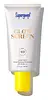
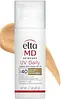
This hybrid sunscreen covers the full UV range and blocks ~98% of UVB at SPF 40.
This sunscreen offers SPF 40 protection with a dewy, hydrating finish.

What's inside
What's inside
 Key Ingredients
Benefits
Concerns
Ingredients Side-by-side
Butyl Methoxydibenzoylmethane 3%
UV Absorber
Homosalate 4%
Skin Conditioning
Ethylhexyl Salicylate 5%
UV Absorber
Octocrylene 8%
UV Absorber

Water
Skin ConditioningButyloctyl Salicylate
Skin Conditioning
Propanediol
Solvent

Glycerin
Humectant
C12-15 Alkyl Benzoate
AntimicrobialGlyceryl Stearate Citrate
Emollient

Isododecane
EmollientNiacinamide
Smoothing









Polymethylsilsesquioxane

Mica
Cosmetic ColorantGlyceryl Stearate
Emollient
Titanium Dioxide
Cosmetic Colorant
Iron Oxides
Caprylic/Capric Triglyceride
Masking
Cetyl Phosphate
EmulsifyingDiisopropyl Sebacate
EmollientIsodecyl Neopentanoate
EmollientLauryl Lactate
EmollientCoco-Caprylate
Emollient
CI 77163
Cosmetic Colorant
Arginine
Masking
Butylene Glycol
Humectant
1,2-Hexanediol
Skin Conditioning
Caprylyl Glycol
Emollient
Hydroxyacetophenone
Antioxidant
Ethylhexyl Hydroxystearate
Emollient
Sodium Hyaluronate
Humectant
Chlorphenesin
Antimicrobial
Acrylates/C10-30 Alkyl Acrylate Crosspolymer
Emulsion StabilisingTrisodium Ethylenediamine Disuccinate
Phospholipids
Skin Conditioning
Limonium Gerberi Extract
Skin ProtectingLeuconostoc/Radish Root Ferment Filtrate
Antimicrobial
Theobroma Cacao Seed Extract
Antioxidant
Pantothenic Acid
Skin ConditioningTriethoxycaprylylsilane
Tocopherol
Antioxidant
Ferulic Acid
Antimicrobial
Helianthus Annuus Seed Oil
Emollient
Butyl Methoxydibenzoylmethane 3%, Homosalate 4%, Ethylhexyl Salicylate 5%, Octocrylene 8%, Water, Butyloctyl Salicylate, Propanediol, Glycerin, C12-15 Alkyl Benzoate, Glyceryl Stearate Citrate, Isododecane, Niacinamide, Polymethylsilsesquioxane, Mica, Glyceryl Stearate, Titanium Dioxide, Iron Oxides, Caprylic/Capric Triglyceride, Cetyl Phosphate, Diisopropyl Sebacate, Isodecyl Neopentanoate, Lauryl Lactate, Coco-Caprylate, CI 77163, Arginine, Butylene Glycol, 1,2-Hexanediol, Caprylyl Glycol, Hydroxyacetophenone, Ethylhexyl Hydroxystearate, Sodium Hyaluronate, Chlorphenesin, Acrylates/C10-30 Alkyl Acrylate Crosspolymer, Trisodium Ethylenediamine Disuccinate, Phospholipids, Limonium Gerberi Extract, Leuconostoc/Radish Root Ferment Filtrate, Theobroma Cacao Seed Extract, Pantothenic Acid, Triethoxycaprylylsilane, Tocopherol, Ferulic Acid, Helianthus Annuus Seed Oil
Water
Skin ConditioningPetrolatum
Emollient
Isopropyl Palmitate
Emollient
Dimethicone
Emollient
Cetearyl Alcohol
Emollient
Oleth-3 Phosphate
SurfactantPhenoxyethanol
Preservative
Hydroxyethyl Acrylate/Sodium Acryloyldimethyl Taurate Copolymer
Emulsion StabilisingPolyisobutene
Cetearyl Glucoside
Emulsifying
Octyldodecyl Neopentanoate
EmollientEthylhexyl Stearate
Emollient
Polyether-1
Butylene Glycol
Humectant
PEG-7 Trimethylolpropane Coconut Ether
Emulsifying
Sodium Hyaluronate
Humectant
Iodopropynyl Butylcarbamate
Preservative
Citric Acid
Buffering
Tocopheryl Acetate
Antioxidant
Triethoxycaprylylsilane
Iron Oxides
Water, Petrolatum, Isopropyl Palmitate, Dimethicone, Cetearyl Alcohol, Oleth-3 Phosphate, Phenoxyethanol, Hydroxyethyl Acrylate/Sodium Acryloyldimethyl Taurate Copolymer, Polyisobutene, Cetearyl Glucoside, Octyldodecyl Neopentanoate, Ethylhexyl Stearate, Polyether-1, Butylene Glycol, PEG-7 Trimethylolpropane Coconut Ether, Sodium Hyaluronate, Iodopropynyl Butylcarbamate, Citric Acid, Tocopheryl Acetate, Triethoxycaprylylsilane, Iron Oxides
Reviews
Ingredients Explained
These ingredients are found in both products.
Ingredients higher up in an ingredient list are typically present in a larger amount.
Butylene Glycol (or BG) is used within cosmetic products for a few different reasons:
Overall, Butylene Glycol is a safe and well-rounded ingredient that works well with other ingredients.
Though this ingredient works well with most skin types, some people with sensitive skin may experience a reaction such as allergic rashes, closed comedones, or itchiness.
Learn more about Butylene GlycolSodium Hyaluronate is the salt form of hyaluronic acid. It is a long sugar chain that is naturally found in your skin, joints, and connective tissue that maintains hydration and elasticity.
In skincare, it works as a humectant. It pulls water from the environment and deeper layers of skin and binds it to the surface.
Interestingly, the size of the molecule affects its behavior:
Some clinical evidence links low molecular weight versions to improved wrinkle depth, elasticity, anti-inflammatory effects, and barrier repair.
Many serums use a blend of both weights so you can get surface hydration plus longer-lasting and deeper effects.
You'll typically see concentrations between 0.1-2% for this ingredient.
Learn more about Sodium HyaluronateTriethoxycaprylylsilane is a silicon-based surface modifier that makes sunscreens feel silky and makeup stay put.
Its main job is to coat mineral particles like titanium dioxide, zinc oxide, and color pigments in a thin, oily layer so they spread smoothly, don't clump, and stick to skin better.
This ingredient is typically used at low levels (up to 2.5% in eyeshadow and 1% in lipstick).
Learn more about TriethoxycaprylylsilaneWater. It's the most common cosmetic ingredient of all. You'll usually see it at the top of ingredient lists, meaning that it makes up the largest part of the product.
So why is it so popular? Water most often acts as a solvent - this means that it helps dissolve other ingredients into the formulation.
You'll also recognize water as that liquid we all need to stay alive. If you see this, drink a glass of water. Remember to stay hydrated!
Learn more about WaterThis ingredient is a combination of red, black, and yellow iron oxide pigments. This combination of colors is usually found in foundation, because it results in a "skin" color.
The EU typically uses CI numbers for colorants when applicable, such as CI 77489. In the US, iron oxides are regulated as color additives and "iron oxides" is the most commonly used name in US cosmetic practice.
A 2021 paper looked at skincare formulations containing iron oxides and found that they reduced transmission of blue light when measured optically. In simple terms, the pigment particles helped block or scatter part of the visible light spectrum in lab testing and the authors suggest this could translate into better protection against blue-light-related skin effects.
There is also clinical and experimental research showing that tinted products containing iron oxides can reduce visible light-induced pigmentation:
Please note, whether a product reduces visible or blue light depends on things like:
In the EU's CosIng database, iron oxides are only listed as a colorant. CosIng groups ingredients by their main cosmetic role, such as colorant, preservative, or UV filter.
Though studies say iron oxides can "attenuate blue light", they're describing an optical property and not an officially recognized cosmetic function.
So CosIng isn’t contradicting the research. It’s just classifying iron oxides by what they officially are: pigments that add color.
Learn more about Iron Oxides

