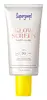
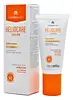
Supergoop! Glowscreen Hydrating And Glowing Sunscreen Primer SPF 30 Versus HELIOCARE Color Gelcream Light SPF50
This chemical sunscreen covers most of the UV range, lighter on the deep UVA that drives aging.
This hybrid sunscreen covers the full UV range and blocks ~98% of UVB at SPF 50.


What's inside
What's inside
 Key Ingredients
Benefits
Concerns
Ingredients Side-by-side
Water
Skin ConditioningOctocrylene
UV Absorber



Butyloctyl Salicylate
Skin Conditioning
Ethylhexyl Salicylate
UV Absorber
Propanediol
Solvent

Homosalate
Skin Conditioning
Glycerin
Humectant
Butyl Methoxydibenzoylmethane
UV Absorber
C12-15 Alkyl Benzoate
AntimicrobialGlyceryl Stearate Citrate
Emollient

Isododecane
EmollientNiacinamide
Smoothing









Polymethylsilsesquioxane

CI 77163
Cosmetic Colorant
Mica
Cosmetic ColorantCI 77891
Cosmetic ColorantCaprylic/Capric Triglyceride
Masking
Cetyl Phosphate
EmulsifyingLeuconostoc/Radish Root Ferment Filtrate
Antimicrobial
Limonium Gerberi Extract
Skin ProtectingPantothenic Acid
Skin ConditioningPhospholipids
Skin Conditioning
Sodium Hyaluronate
Humectant
Theobroma Cacao Seed Extract
Antioxidant
Tocopherol
Antioxidant
Trisodium Ethylenediamine Disuccinate
CI 77491
Cosmetic ColorantWater, Octocrylene, Butyloctyl Salicylate, Ethylhexyl Salicylate, Propanediol, Homosalate, Glycerin, Butyl Methoxydibenzoylmethane, C12-15 Alkyl Benzoate, Glyceryl Stearate Citrate, Isododecane, Niacinamide, Polymethylsilsesquioxane, CI 77163, Mica, CI 77891, Caprylic/Capric Triglyceride, Cetyl Phosphate, Leuconostoc/Radish Root Ferment Filtrate, Limonium Gerberi Extract, Pantothenic Acid, Phospholipids, Sodium Hyaluronate, Theobroma Cacao Seed Extract, Tocopherol, Trisodium Ethylenediamine Disuccinate, CI 77491
Water
Skin ConditioningButylene Glycol Cocoate
Emulsifying
C12-15 Alkyl Benzoate
AntimicrobialBis-Ethylhexyloxyphenol Methoxyphenyl Triazine
UV Absorber
CI 77891
Cosmetic ColorantDiethylhexyl Butamido Triazone
UV Absorber
Cetearyl Alcohol
Emollient

Hexylene Glycol
EmulsifyingEthylhexyl Salicylate
UV Absorber
Butyl Methoxydibenzoylmethane
UV Absorber
Polysilicone-15
UV Filter
Titanium Dioxide
Cosmetic Colorant
Stearalkonium Hectorite
Gel FormingMyristyl Alcohol
Emollient
Coco-Glucoside
Cleansing
Dipropylene Glycol Dibenzoate
EmollientCeteareth-25
CleansingEthylhexyl Triazone
UV Absorber
Polypodium Leucotomos Leaf Extract
Skin Protecting
Phenoxyethanol
Preservative
CI 77492
Cosmetic ColorantMyristyl Glucoside
CleansingDisodium Ethylene Dicocamide PEG-15 Disulfate
Cleansing
Panthenol
Skin Conditioning
Propylene Glycol
Humectant
PPG-15 Stearyl Ether Benzoate
EmollientCI 77491
Cosmetic ColorantDicaprylyl Carbonate
EmollientTocopheryl Acetate
Antioxidant
Sodium Hyaluronate
Humectant
Mica
Cosmetic ColorantCamellia Sinensis Callus
Antimicrobial
Manganese Dioxide
Antioxidant
Methylparaben
Preservative
Propylparaben
Preservative
Disodium EDTA
Parfum
Masking

Propylene Carbonate
SolventBHT
Antioxidant
Linalool
Perfuming
Limonene
Perfuming
Water, Butylene Glycol Cocoate, C12-15 Alkyl Benzoate, Bis-Ethylhexyloxyphenol Methoxyphenyl Triazine, CI 77891, Diethylhexyl Butamido Triazone, Cetearyl Alcohol, Hexylene Glycol, Ethylhexyl Salicylate, Butyl Methoxydibenzoylmethane, Polysilicone-15, Titanium Dioxide, Stearalkonium Hectorite, Myristyl Alcohol, Coco-Glucoside, Dipropylene Glycol Dibenzoate, Ceteareth-25, Ethylhexyl Triazone, Polypodium Leucotomos Leaf Extract, Phenoxyethanol, CI 77492, Myristyl Glucoside, Disodium Ethylene Dicocamide PEG-15 Disulfate, Panthenol, Propylene Glycol, PPG-15 Stearyl Ether Benzoate, CI 77491, Dicaprylyl Carbonate, Tocopheryl Acetate, Sodium Hyaluronate, Mica, Camellia Sinensis Callus, Manganese Dioxide, Methylparaben, Propylparaben, Disodium EDTA, Parfum, Propylene Carbonate, BHT, Linalool, Limonene
Reviews
Ingredients Explained
These ingredients are found in both products.
Ingredients higher up in an ingredient list are typically present in a larger amount.
Also known as Avobenzone, this ingredient is an oil-soluble used to absorb the full spectrum of UVA rays (peak 357 nm).
It's one of the most effective UVA filters available but has a major caveat of photostability: avobenzone is susceptible to photodegradation.
This means it can lose efficacy when exposed to sunlight without the help of a stabilizing agent.
Studies show antioxidants (like vitamin E or vitamin C) and some UV filters (like octocrylene and Tinosorb S) can meaningfully improve its stability in a formulation.
The maximum allowable concentration according to regulation is 3% in the US + Canada, and 5% in the EU, Australia, China, Korea, and ASEAN countries.
It has a well-support safety profile: a comprehensive 2025 review found minimal toxicity with no evidence of carcinogenicity.
Overall, avobenzone is a safe and regulated ingredient used in sunscreen for over 40 years.
Learn more about Butyl MethoxydibenzoylmethaneC12-15 Alkyl Benzoate is a lightweight emollient made by combinig benzoic acid with fatty alcohols that are 12-15 carbons long.
In cosmetics, it plays several roles:
The Cosmetic Review Expert Panel has concluded the alkyl benzoate group to be safe as used in cosmetics; it wasn't found to be a skin irritant and unlikely to be absorbed due to its low water solubility.
This report recorded almost 1000 reported uses with concentrations up to 59% in leave-on products but your cosmetics will typically use 0.5-15% depending on the product.
It's often called a "SPF booster": this is because it keeps UV filters properly dissolved and evenly distributed to support a sunscreen's performance. It doesn't actually raise SPF on its own.
Overall, this ingredient is well tolerated.
This ingredient is fungal acne safe because it is an ester of benzoic acid.
Think of this ingredient as two parts stuck together: an oily part and an acid part. Malassezia only gets a meal when it can snip off a fatty acid to eat. With C12-15 Alkyl Benzoate, the acid part is benzoic acid, which isn't a fatty acid and which the yeast can't use as food.
Benzoic acid is actually used as a preservative to stop yeast from growing.
The oily part is a blend of C12-15 fatty alcohols but fatty alcohols in this size range can support only a little Malassezia growth (mostly for one species of Malassezia as well).
In the ingredient, those alcohols stay locked inside the molecule. The yeast can only reach them by snipping the benzoate bond, and that type of bond is harder for it to cut than a normal fatty bond.
So not much gets released. And whatever does get snipped comes packaged with benzoic acid, which discourages yeast growth.
Learn more about C12-15 Alkyl BenzoateCi 77491 is also hydrated iron III oxide. It's sole purpose is to give a red/pink hue to products.
Iron III oxides are classified as inorganic chemicals for coloring.
Synthetically created Ci 77491 is considered safer than those naturally found. This is because the synthetically created version may contain less impurities. Iron oxides are generally non-toxic and non-allergenic.
Learn more about CI 77491Ci 77891 is a white pigment from Titanium dioxide. It is naturally found in minerals such as rutile and ilmenite.
It's main function is to add a white color to cosmetics. It can also be mixed with other colors to create different shades.
Ci 77891 is commonly found in sunscreens due to its ability to block UV rays.
Learn more about CI 77891Ethylhexyl Salicylate (also called Octisalate or Octyl Salicylate) is an oil-soluble organic UV filter that's been used in sunscreen since the 1950's.
It absorbs UVB light in the 280-320 nm range with a peak absorbance around 306 nm.
You'll often see it paired with other UV filters to boost overall SPF because octisalate is a fairly week filter on its own.
The reason you'll see it so often is because it can help solubilize and stabilize the trickier filters like oxybenzone and avobenzone.
Unlike these filters, octisalate has pretty good photostability and doesn't create skin-damaging free radicals when exposed to sunlight.
The fatty-alcohol part of the molecule also gives it a light, emollient feel so it doubles as a nice texture enhancer.
Usage levels vary around the world:
Safety-wise, this ingredient has a pretty reassuring track record. The EU's Scientific Committee on Consumer Products (SCCP) found very low skin penetration in human skin tests and negative results for irritation, phototoxicity, and photoallergy.
The real-world allergy risk is pretty low too; a 2012 European study of 1,031 people recorded only 2 reactions to it (a rate of 0.19%).
You might have seen scary headlines about sunscreen getting into your blood.
In 2019, the FDA found that several chemical filters can absorb through the skin and show up in the bloodstream at small but measurable levels.
Here's the important part: these tiny levels are just a cutoff the FDA uses to decide which ingredients need more testing and doesn't mean anything harmful was found.
The researchers were clear that the results are no reason to stop wearing sunscreen.
Learn more about Ethylhexyl SalicylateMica is a naturally occurring mineral used to add shimmer and color in cosmetics. It can also help improve the texture of a product or give it an opaque, white/silver color.
Serecite is the name for very fine but ragged grains of mica.
This ingredient is often coated with metal oxides like titanium dioxide. Trace amounts of heavy metals may be found in mica, but these metals are not harmful in our personal products.
Mica has been used since prehistoric times throughout the world. Ancient Egyptian, Indian, Greek, Roman, Aztec, and Chinese civilizations have used mica.
Learn more about MicaSodium Hyaluronate is the salt form of hyaluronic acid. It is a long sugar chain that is naturally found in your skin, joints, and connective tissue that maintains hydration and elasticity.
In skincare, it works as a humectant. It pulls water from the environment and deeper layers of skin and binds it to the surface.
Interestingly, the size of the molecule affects its behavior:
Some clinical evidence links low molecular weight versions to improved wrinkle depth, elasticity, anti-inflammatory effects, and barrier repair.
Many serums use a blend of both weights so you can get surface hydration plus longer-lasting and deeper effects.
You'll typically see concentrations between 0.1-2% for this ingredient.
Learn more about Sodium HyaluronateWater. It's the most common cosmetic ingredient of all. You'll usually see it at the top of ingredient lists, meaning that it makes up the largest part of the product.
So why is it so popular? Water most often acts as a solvent - this means that it helps dissolve other ingredients into the formulation.
You'll also recognize water as that liquid we all need to stay alive. If you see this, drink a glass of water. Remember to stay hydrated!
Learn more about Water

