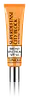
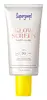
Clinique Superdefense™ City Block Broad Spectrum SPF 50 Daily Energy + Face Protector Versus Supergoop! Glowscreen Hydrating And Glowing Sunscreen Primer SPF 30
This hybrid sunscreen covers the full UV range and blocks ~98% of UVB at SPF 50.
This chemical sunscreen covers most of the UV range, lighter on the deep UVA that drives aging.

What's inside
What's inside
 Key Ingredients
Benefits
Concerns
Ingredients Side-by-side
Ethylhexyl Methoxycinnamate 5%
UV Absorber


Titanium Dioxide 3.2%
Cosmetic Colorant
Zinc Oxide 3.6%
Cosmetic Colorant
Water
Skin ConditioningDimethicone
Emollient

Butyloctyl Salicylate
Skin Conditioning
Isononyl Isononanoate
EmollientNeopentyl Glycol Diheptanoate
EmollientLauryl PEG-9 Polydimethylsiloxyethyl Dimethicone
Skin Conditioning
Butylene Glycol
Humectant

Polydecene
Skin ConditioningPolyhydroxystearic Acid
Emulsifying

Ethylhexyl Methoxycrylene
Skin Conditioning
Hydrated Silica
Abrasive
Dimethicone/Vinyl Dimethicone Crosspolymer
Skin Conditioning
Trimethylsiloxysilicate
Emollient
Hydrolyzed Wheat Protein/Pvp Crosspolymer
Hydroxyapatite
Abrasive
Cetyl PEG/PPG-10/1 Dimethicone
Emulsifying
Dimethicone/PEG-10/15 Crosspolymer
Sodium Rna
Skin ConditioningQuaternium-90 Bentonite
Sodium Hyaluronate
Humectant


Dimethicone Crosspolymer-3
Skin Conditioning
Styrene/Acrylates Copolymer
Sodium Chloride
MaskingCaprylyl Glycol
Emollient
PEG-8 Laurate
Emulsifying
Propylene Carbonate
SolventSilica
Abrasive
Tocopherol
Antioxidant



Sodium Citrate
BufferingDisodium EDTA
BHT
Antioxidant
Phenoxyethanol
Preservative
Potassium Sorbate
Preservative
CI 77491
Cosmetic ColorantCI 77492
Cosmetic ColorantEthylhexyl Methoxycinnamate 5%, Titanium Dioxide 3.2%, Zinc Oxide 3.6%, Water, Dimethicone, Butyloctyl Salicylate, Isononyl Isononanoate, Neopentyl Glycol Diheptanoate, Lauryl PEG-9 Polydimethylsiloxyethyl Dimethicone, Butylene Glycol, Polydecene, Polyhydroxystearic Acid, Ethylhexyl Methoxycrylene, Hydrated Silica, Dimethicone/Vinyl Dimethicone Crosspolymer, Trimethylsiloxysilicate, Hydrolyzed Wheat Protein/Pvp Crosspolymer, Hydroxyapatite, Cetyl PEG/PPG-10/1 Dimethicone, Dimethicone/PEG-10/15 Crosspolymer, Sodium Rna, Quaternium-90 Bentonite, Sodium Hyaluronate, Dimethicone Crosspolymer-3, Styrene/Acrylates Copolymer, Sodium Chloride, Caprylyl Glycol, PEG-8 Laurate, Propylene Carbonate, Silica, Tocopherol, Sodium Citrate, Disodium EDTA, BHT, Phenoxyethanol, Potassium Sorbate, CI 77491, CI 77492
Water
Skin ConditioningOctocrylene
UV Absorber
Butyloctyl Salicylate
Skin Conditioning
Ethylhexyl Salicylate
UV Absorber
Propanediol
Solvent
Homosalate
Skin Conditioning
Glycerin
Humectant
Butyl Methoxydibenzoylmethane
UV Absorber
C12-15 Alkyl Benzoate
AntimicrobialGlyceryl Stearate Citrate
Emollient
Isododecane
EmollientNiacinamide
Smoothing



Polymethylsilsesquioxane
CI 77163
Cosmetic Colorant
Mica
Cosmetic ColorantCI 77891
Cosmetic ColorantCaprylic/Capric Triglyceride
Masking
Cetyl Phosphate
EmulsifyingLeuconostoc/Radish Root Ferment Filtrate
Antimicrobial
Limonium Gerberi Extract
Skin ProtectingPantothenic Acid
Skin ConditioningPhospholipids
Skin Conditioning
Sodium Hyaluronate
Humectant
Theobroma Cacao Seed Extract
Antioxidant
Tocopherol
Antioxidant
Trisodium Ethylenediamine Disuccinate
CI 77491
Cosmetic ColorantWater, Octocrylene, Butyloctyl Salicylate, Ethylhexyl Salicylate, Propanediol, Homosalate, Glycerin, Butyl Methoxydibenzoylmethane, C12-15 Alkyl Benzoate, Glyceryl Stearate Citrate, Isododecane, Niacinamide, Polymethylsilsesquioxane, CI 77163, Mica, CI 77891, Caprylic/Capric Triglyceride, Cetyl Phosphate, Leuconostoc/Radish Root Ferment Filtrate, Limonium Gerberi Extract, Pantothenic Acid, Phospholipids, Sodium Hyaluronate, Theobroma Cacao Seed Extract, Tocopherol, Trisodium Ethylenediamine Disuccinate, CI 77491
Reviews
Ingredients Explained
These ingredients are found in both products.
Ingredients higher up in an ingredient list are typically present in a larger amount.
Butyloctyl Salicylate is a chemical UV filter structurally similar to octisalate. It is a photostabilizer, SPF booster, emollient and solvent. This ingredient helps evenly spread out ingredients.
According to a manufacturer, it is suitable for pairing with micro Titanium Dioxide, Zinc Oxide, and pigments.
Photostabilizers help stabilize UV-filters and prevents them from degrading quickly.
Learn more about Butyloctyl SalicylateCi 77491 is also hydrated iron III oxide. It's sole purpose is to give a red/pink hue to products.
Iron III oxides are classified as inorganic chemicals for coloring.
Synthetically created Ci 77491 is considered safer than those naturally found. This is because the synthetically created version may contain less impurities. Iron oxides are generally non-toxic and non-allergenic.
Learn more about CI 77491Sodium Hyaluronate is the salt form of hyaluronic acid. It is a long sugar chain that is naturally found in your skin, joints, and connective tissue that maintains hydration and elasticity.
In skincare, it works as a humectant. It pulls water from the environment and deeper layers of skin and binds it to the surface.
Interestingly, the size of the molecule affects its behavior:
Some clinical evidence links low molecular weight versions to improved wrinkle depth, elasticity, anti-inflammatory effects, and barrier repair.
Many serums use a blend of both weights so you can get surface hydration plus longer-lasting and deeper effects.
You'll typically see concentrations between 0.1-2% for this ingredient.
Learn more about Sodium HyaluronateTocopherol is a fat-soluble antioxidant known as Vitamin E.
You'll find this ingredient in the vast majority of skincare (for good reason). It works to neutralize free radicals, or unstable molecules generated by UV exposure, pollution, and other environmental stressors, before they can cause oxidative damage to your skin cells.
Topically applied tocopherol has been shown to protect against UV damage by ramping up the skin's own natural defense enzymes.
It also acts as a skin conditioning agent; some studies show that regular topical use can improve the skin's water-binding capacity over 2-4 weeks.
This ingredient is especially loved for being a team player. When combined with Vitamin C, the photoprotective effect of both ingredients roughly doubles and the combo also helps reduce UV-induced DNA damage.
This ingredient has some brightening potential but it's more of a prevention ingredient than spot-fader. Cell studies show it can slow down melanin production but it's worth noting that it's not the most powerful brightener out there.
In formulations, it also serves as a stabilizer that helps protect other oxidation-prone ingredients from degrading.
Concentrations usually range from 0.1-1% in most leave-on products.
Learn more about TocopherolWater. It's the most common cosmetic ingredient of all. You'll usually see it at the top of ingredient lists, meaning that it makes up the largest part of the product.
So why is it so popular? Water most often acts as a solvent - this means that it helps dissolve other ingredients into the formulation.
You'll also recognize water as that liquid we all need to stay alive. If you see this, drink a glass of water. Remember to stay hydrated!
Learn more about Water

