
What's inside
What's inside
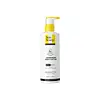 Key Ingredients
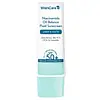
Benefits
Concerns
Ingredients Side-by-side
Water
Skin ConditioningOctocrylene
UV Absorber


Niacinamide
Smoothing










Ethylhexyl Salicylate
UV Absorber
Butyl Methoxydibenzoylmethane
UV Absorber
Trehalose
Humectant
Methylene Bis-Benzotriazolyl Tetramethylbutylphenol
UV Filter
Sodium Acrylate/Sodium Acryloyldimethyl Taurate Copolymer
Emulsion StabilisingC15-19 Alkane
SolventPEG-40 Hydrogenated Castor Oil
Emulsifying

Polyacrylate Crosspolymer-6
Emulsion StabilisingDecyl Glucoside
CleansingAvena Sativa Kernel Extract
Abrasive

Oryza Sativa Bran Water
Masking
Aloe Barbadensis Extract
Skin Conditioning
Sodium Polyacrylate
Absorbent
Lauryl Glucoside
CleansingPropylene Glycol
Humectant
Xanthan Gum
EmulsifyingPropanediol
Solvent
Phenoxyethanol
Preservative
Dimethicone
Emollient
1,2-Hexanediol
Skin Conditioning
Hexyldecanol
Emollient
Hydroxypropyl Cyclodextrin
MaskingCeramide NP
Skin Conditioning
Ceramide As
Skin Conditioning
Ceramide EOP
Skin Conditioning
Ceramide Ns
Skin Conditioning
Ceramide Ng
Skin Conditioning
Parfum
Masking
Disodium EDTA
Water, Octocrylene, Niacinamide, Ethylhexyl Salicylate, Butyl Methoxydibenzoylmethane, Trehalose, Methylene Bis-Benzotriazolyl Tetramethylbutylphenol, Sodium Acrylate/Sodium Acryloyldimethyl Taurate Copolymer, C15-19 Alkane, PEG-40 Hydrogenated Castor Oil, Polyacrylate Crosspolymer-6, Decyl Glucoside, Avena Sativa Kernel Extract, Oryza Sativa Bran Water, Aloe Barbadensis Extract, Sodium Polyacrylate, Lauryl Glucoside, Propylene Glycol, Xanthan Gum, Propanediol, Phenoxyethanol, Dimethicone, 1,2-Hexanediol, Hexyldecanol, Hydroxypropyl Cyclodextrin, Ceramide NP, Ceramide As, Ceramide EOP, Ceramide Ns, Ceramide Ng, Parfum, Disodium EDTA
Water
Skin ConditioningCyclopentasiloxane
Emollient
Ethylhexyl Salicylate
UV Absorber
Niacinamide
Smoothing
Silica
Abrasive
Butyl Methoxydibenzoylmethane
UV Absorber
Octocrylene
UV Absorber
Butylene Glycol
Humectant
Glycerin
Humectant
Homosalate
Skin Conditioning
Tapioca Starch
Neopentyl Glycol Diheptanoate
EmollientAmps/Hema Crosspolymer
C13-15 Alkane
SolventCoco-Glucoside
CleansingOctyldodecanol
Emollient
Polysorbate 20
Emulsifying
Zinc Oxide
Cosmetic Colorant
Titanium Dioxide
Cosmetic Colorant
Avena Sativa Kernel Extract
Abrasive
Zinc PCA
Humectant
Sorbitan Olivate
Emulsifying
Ceramide AP
Skin Conditioning
Ceramide NP
Skin Conditioning
Ceramide Eos
Skin Conditioning
Panthenol
Skin Conditioning
Centella Asiatica Extract
Cleansing
Ethylhexylglycerin
Skin ConditioningPhenoxyethanol
Preservative
Xanthan Gum
EmulsifyingTocopheryl Acetate
Antioxidant
Hyaluronic Acid
Humectant
Citric Acid
Buffering

Water, Cyclopentasiloxane, Ethylhexyl Salicylate, Niacinamide, Silica, Butyl Methoxydibenzoylmethane, Octocrylene, Butylene Glycol, Glycerin, Homosalate, Tapioca Starch, Neopentyl Glycol Diheptanoate, Amps/Hema Crosspolymer, C13-15 Alkane, Coco-Glucoside, Octyldodecanol, Polysorbate 20, Zinc Oxide, Titanium Dioxide, Avena Sativa Kernel Extract, Zinc PCA, Sorbitan Olivate, Ceramide AP, Ceramide NP, Ceramide Eos, Panthenol, Centella Asiatica Extract, Ethylhexylglycerin, Phenoxyethanol, Xanthan Gum, Tocopheryl Acetate, Hyaluronic Acid, Citric Acid
Ingredients Explained
These ingredients are found in both products.
Ingredients higher up in an ingredient list are typically present in a larger amount.
Avena Sativa Kernel Extract is is derived from colloidal oatmeal. Besides being a healthy breakfast, oats have many benefits in skincare too.
This ingredient helps sooth, hydrate, and protect the skin. The starches in colloidal oatmeal are able to bind water, keeping the skin hydrated.
The cellulose and fiber in colloidal oatmeal help reduce inflammation. This can also help the skin feel softer.
Colloidal Oatmeal is also an antioxidant. Antioxidants protect our skin from free-radical damage.
Oatmeal also contains beneficial compounds:
This ingredient is created by mixing grounded oatmeal and a liquid base.
Learn more about Avena Sativa Kernel ExtractAlso known as Avobenzone, this ingredient is a chemical sunscreen filter that provides protection in the UV-A range.
Avobenzone is globally approved and is the most commonly used UV-A filter in the world.
Studies have found that avobenzone becomes ineffective when exposed to UV light (it is not photostable; meaning that it breaks down in sunlight). Because of this, formulations that include avobenzone will usually contain stabilizers such as octocrylene.
However, some modern formulations (looking at you, EU!) are able to stabilize avobenzone by coating the molecules.
Avobenzone does not protect against the UV-B range, so it's important to check that the sunscreen you're using contains other UV filters that do!
The highest concentration of avobenzone permitted is 3% in the US, and 5% in the EU.
Learn more about Butyl MethoxydibenzoylmethaneCeramide NP is a type of ceramide and formally known as ceramide 3.
Ceramides are intercellular lipids naturally found in our skin that bonds dead skin cells together to create a barrier. They are known for their ability to hold water and thus are a great ingredient for dry skin.
Ceramides are an important building block for our skin barrier. A stronger barrier helps the skin look more firm and hydrated. By bolstering the skin ceramides act as a barrier against irritating ingredients. This can help with inflammation as well.
If you would like to eat ceramides, sweet potatoes contain a small amount.
Read more about other common types of ceramides here:
Ceramide AP
Ceramide EOP
Ethylhexyl Salicylate is an organic compound used to block UV rays. It primarily absorbs UVB rays but offers a small amount of UVA protection as well.
Commonly found in sunscreens, Ethylhexyl Salicylate is created from salicylic acid and 2-ethylhexanol. You might know salicylic acid as the effective acne fighter ingredient and BHA.
The ethylhexanol in this ingredient is a fatty alcohol and helps hydrate your skin, similar to oils. It is an emollient, which means it traps moisture into the skin.
According to manufacturers, Ethylhexyl Salicylate absorbs UV wavelength of 295-315 nm, with a peak absorption at 307-310 nm. UVA rays are linked to long term skin damage, such as hyperpigmentation. UVB rays emit more energy and are capable of damaging our DNA. UVB rays cause sunburn.
Learn more about Ethylhexyl SalicylateNiacinamide is a multitasking form of vitamin B3 that strengthens the skin barrier, reduces pores and dark spots, regulates oil, and improves signs of aging.
And the best part? It's gentle and well-tolerated by most skin types, including sensitive and reactive skin.
You might have heard of "niacin flush", or the reddening of skin that causes itchiness. Niacinamide has not been found to cause this.
In very rare cases, some individuals may not be able to tolerate niacinamide at all or experience an allergic reaction to it.
If you are experiencing flaking, irritation, and dryness with this ingredient, be sure to double check all your products as this ingredient can be found in all categories of skincare.
When incorporating niacinamide into your routine, look out for concentration amounts. Typically, 5% niacinamide provides benefits such as fading dark spots. However, if you have sensitive skin, it is better to begin with a smaller concentration.
When you apply niacinamide to your skin, your body converts it into nicotinamide adenine dinucleotide (NAD). NAD is an essential coenzyme that is already found in your cells as "fuel" and powers countless biological processes.
In your skin, NAD helps repair cell damage, produce new healthy cells, support collagen production, strengthen the skin barrier, and fight environmental stressors (like UV and pollution).
Our natural NAD levels start to decline with age, leading to slower skin repair, visible aging, and a weaker skin barrier. By providing your skin niacinamide, you're recharging your skin's NAD levels. This leads to stronger, healthier, and younger looking skin.
Another name for vitamin B3 is nicotinamide. This vitamin is water-soluble and our bodies don't store it. We obtain Vitamin B3 from either food or skincare. Meat, fish, wheat, yeast, and leafy greens contain vitamin B3.
The type of niacinamide used in skincare is synthetically created.
Learn more about NiacinamideOctocrylene protects skin from sun damage. It absorbs UV-B with peak absorption of 304 nm. It is a common sunscreen ingredient and often paired with avobenzone, a UVA filter. This is because octocrylene stabilizes other sunscreen ingredients by protecting them from degradation when exposed to sunlight. Octocrylene is a photostable ingredient and loses about 10% of SPF in 95 minutes.
Octocrylene also acts as an emollient, meaning it helps skin retain moisture and softens skin. It is oil-soluble and hydrophobic, enhancing water-resistant properties in a product.
Those who are using ketoprofen, a topical anti-inflammatory drug, may experience an allergic reaction when using octocrylene. It is best to speak with a healthcare professional about using sunscreens with octocrylene.
The EU allows a maximum of these concentrations:
Learn more about OctocrylenePhenoxyethanol is a preservative that has germicide, antimicrobial, and aromatic properties. Studies show that phenoxyethanol can prevent microbial growth. By itself, it has a scent that is similar to that of a rose.
It's often used in formulations along with Caprylyl Glycol to preserve the shelf life of products.
Water. It's the most common cosmetic ingredient of all. You'll usually see it at the top of ingredient lists, meaning that it makes up the largest part of the product.
So why is it so popular? Water most often acts as a solvent - this means that it helps dissolve other ingredients into the formulation.
You'll also recognize water as that liquid we all need to stay alive. If you see this, drink a glass of water. Stay hydrated!
Learn more about WaterXanthan gum is used as a stabilizer and thickener within cosmetic products. It helps give products a sticky, thick feeling - preventing them from being too runny.
On the technical side of things, xanthan gum is a polysaccharide - a combination consisting of multiple sugar molecules bonded together.
Xanthan gum is a pretty common and great ingredient. It is a natural, non-toxic, non-irritating ingredient that is also commonly used in food products.
Learn more about Xanthan Gum
