Sulwhasoo Concentrated Ginseng Renewing Emulsion EX Versus Sulwhasoo Concentrated Ginseng Renewing Serum Ex
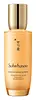
This anti-aging emulsion is formulated around Panax Ginseng Root Water and Adenosine to soften the look of wrinkles.
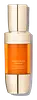
This anti-aging serum is formulated around Niacinamide and Panax Ginseng Root Extract to soften the look of wrinkles and strengthen the skin barrier.

What's inside
What's inside
 Key Ingredients
Benefits
Concerns
Ingredients Side-by-side
Water
Skin ConditioningButylene Glycol
Humectant

Panax Ginseng Root Water
Masking

Glycerin
Humectant
Pentaerythrityl Tetraethylhexanoate
Emollient
Hydrogenated Poly(C6-14 Olefin)
EmollientDimethicone
Emollient
1,2-Hexanediol
Skin Conditioning
Butyrospermum Parkii Butter
Skin Conditioning




Polyglyceryl-3 Methylglucose Distearate
Emulsifying
Dimethicone/Vinyl Dimethicone Crosspolymer
Skin Conditioning
Glyceryl Stearate
Emollient
Carbomer
Emulsion StabilisingCetearyl Alcohol
Emollient

Glyceryl Stearate Citrate
Emollient
Hydrogenated Vegetable Oil
Emollient
Hydroxyethyl Acrylate/Sodium Acryloyldimethyl Taurate Copolymer
Emulsion StabilisingStearic Acid
Cleansing
Tromethamine
BufferingXanthan Gum
EmulsifyingGlyceryl Caprylate
EmollientParfum
Masking


Palmitic Acid
Emollient
Ethylhexylglycerin
Skin ConditioningDisodium EDTA
ChelatingMethoxy PEG-114/Polyepsilon Caprolactone
BufferingAdenosine
Skin Conditioning
Sorbitan Isostearate
Emulsifying
Polysorbate 60
Emulsifying
Narcissus Tazetta Bulb Extract
Astringent
Hydrolyzed Ginseng Saponins
Skin ConditioningCeramide NP
Skin Conditioning
Linalool
Perfuming
Phenoxyethanol
Preservative
Honey
Humectant
Rehmannia Glutinosa Root Extract
Skin ConditioningLimonene
Perfuming
Paeonia Lactiflora Root Extract
Skin ConditioningLilium Candidum Bulb Extract
Skin ConditioningPolygonatum Odoratum Rhizome Extract
Skin ConditioningNelumbo Nucifera Flower Extract
Skin ConditioningTocopherol
Antioxidant



Water, Butylene Glycol, Panax Ginseng Root Water, Glycerin, Pentaerythrityl Tetraethylhexanoate, Hydrogenated Poly(C6-14 Olefin), Dimethicone, 1,2-Hexanediol, Butyrospermum Parkii Butter, Polyglyceryl-3 Methylglucose Distearate, Dimethicone/Vinyl Dimethicone Crosspolymer, Glyceryl Stearate, Carbomer, Cetearyl Alcohol, Glyceryl Stearate Citrate, Hydrogenated Vegetable Oil, Hydroxyethyl Acrylate/Sodium Acryloyldimethyl Taurate Copolymer, Stearic Acid, Tromethamine, Xanthan Gum, Glyceryl Caprylate, Parfum, Palmitic Acid, Ethylhexylglycerin, Disodium EDTA, Methoxy PEG-114/Polyepsilon Caprolactone, Adenosine, Sorbitan Isostearate, Polysorbate 60, Narcissus Tazetta Bulb Extract, Hydrolyzed Ginseng Saponins, Ceramide NP, Linalool, Phenoxyethanol, Honey, Rehmannia Glutinosa Root Extract, Limonene, Paeonia Lactiflora Root Extract, Lilium Candidum Bulb Extract, Polygonatum Odoratum Rhizome Extract, Nelumbo Nucifera Flower Extract, Tocopherol
Water
Skin ConditioningButylene Glycol
Humectant
Glycerin
Humectant
Cetyl Ethylhexanoate
EmollientMethyl Gluceth-20
Humectant
Behenyl Alcohol
Emollient
Betaine
Humectant
1,2-Hexanediol
Skin Conditioning
Niacinamide
Smoothing




Methoxy PEG-114/Polyepsilon Caprolactone
BufferingCarbomer
Emulsion StabilisingTromethamine
BufferingPhenyl Trimethicone
Skin Conditioning
Caprylyl Methicone
Skin Conditioning
Jojoba Esters
Emollient
Parfum
Masking
Hydrolyzed Ginseng Saponins
Skin ConditioningGlyceryl Caprylate
EmollientPhenoxyethanol
Preservative
Arachidyl Alcohol
Emollient
Ethylhexylglycerin
Skin ConditioningDisodium EDTA
ChelatingDextrin
AbsorbentTheobroma Cacao Extract
Skin ConditioningArachidyl Glucoside
EmulsifyingLinalool
Perfuming
Panax Ginseng Seed Oil
Emollient
Glycine Soja Oil
Emollient
Panax Ginseng Root Extract
Emollient
Sodium Chloride
MaskingPanax Ginseng Leaf/Stem Extract
Skin ConditioningLimonene
Perfuming
Honey
Humectant
Rehmannia Glutinosa Root Extract
Skin ConditioningPanax Ginseng Flower Extract
Antioxidant
Paeonia Lactiflora Root Extract
Skin ConditioningLilium Candidum Bulb Extract
Skin ConditioningPolygonatum Odoratum Rhizome Extract
Skin ConditioningRetinol
Skin Conditioning
Nelumbo Nucifera Flower Extract
Skin ConditioningHydrogenated Lecithin
Emulsifying
Alcohol
Antimicrobial

Glucose
Humectant
Tocopherol
Antioxidant
Caprylyl Glycol
Emollient
BHT
Antioxidant
Pentaerythrityl Tetra-Di-T-Butyl Hydroxyhydrocinnamate
Antioxidant
Phytosphingosine
Skin Conditioning
Sodium Polyaspartate
HumectantSodium Hyaluronate
Humectant
Acetyl Heptapeptide-4
Humectant
Sodium Methyl Stearoyl Taurate
CleansingAcetyl Hexapeptide-8
Humectant
Sodium Hydroxide
BufferingAcetyl Octapeptide-3
Humectant
Water, Butylene Glycol, Glycerin, Cetyl Ethylhexanoate, Methyl Gluceth-20, Behenyl Alcohol, Betaine, 1,2-Hexanediol, Niacinamide, Methoxy PEG-114/Polyepsilon Caprolactone, Carbomer, Tromethamine, Phenyl Trimethicone, Caprylyl Methicone, Jojoba Esters, Parfum, Hydrolyzed Ginseng Saponins, Glyceryl Caprylate, Phenoxyethanol, Arachidyl Alcohol, Ethylhexylglycerin, Disodium EDTA, Dextrin, Theobroma Cacao Extract, Arachidyl Glucoside, Linalool, Panax Ginseng Seed Oil, Glycine Soja Oil, Panax Ginseng Root Extract, Sodium Chloride, Panax Ginseng Leaf/Stem Extract, Limonene, Honey, Rehmannia Glutinosa Root Extract, Panax Ginseng Flower Extract, Paeonia Lactiflora Root Extract, Lilium Candidum Bulb Extract, Polygonatum Odoratum Rhizome Extract, Retinol, Nelumbo Nucifera Flower Extract, Hydrogenated Lecithin, Alcohol, Glucose, Tocopherol, Caprylyl Glycol, BHT, Pentaerythrityl Tetra-Di-T-Butyl Hydroxyhydrocinnamate, Phytosphingosine, Sodium Polyaspartate, Sodium Hyaluronate, Acetyl Heptapeptide-4, Sodium Methyl Stearoyl Taurate, Acetyl Hexapeptide-8, Sodium Hydroxide, Acetyl Octapeptide-3
Reviews
Ingredients Explained
These ingredients are found in both products.
Ingredients higher up in an ingredient list are typically present in a larger amount.
1,2-Hexanediol is a synthetic liquid and another multi-functional powerhouse.
It is a:
- Humectant, drawing moisture into the skin
- Emollient, helping to soften skin
- Solvent, dispersing and stabilizing formulas
- Preservative booster, enhancing the antimicrobial activity of other preservatives
Butylene Glycol (or BG) is used within cosmetic products for a few different reasons:
Overall, Butylene Glycol is a safe and well-rounded ingredient that works well with other ingredients.
Though this ingredient works well with most skin types, some people with sensitive skin may experience a reaction such as allergic rashes, closed comedones, or itchiness.
Learn more about Butylene GlycolCarbomer is a synthetic thickening and gelling agent. It's basically the ingredient that gives a lot of serums, gels, creams, and sunscreens their smooth, non-sticky texture.
Although legally permitted at very high levels, carbomers are normally used at concentrations below 1%.
It also needs to be neutralized to actually thicken, and because it is a large molecule, it doesn't really penetrate the skin barrier.
Allergy-wise, the risk is very low. Clinical studies show carbomers have low potential for skin irritation/sensitization even at concentrations up to 100%.
A 2024 UK study patch-tested 1,302 patients and found true allergy to the parent group of carbomer to be rare with no confirmed relevant reactions.
Learn more about CarbomerDisodium EDTA is a chelating agent. It grabs onto and deactivates metal ions that sneak into your products from water, packaging, or air.
This ingredient mainly works behind the scenes and helps with:
On top of that, this ingredient can counteract the effects of hard water by binding to the minerals in it.
One thing worth knowing is that Disodium EDTA has been shown to be a mild penetration enhancer. It can help other ingredients absorb into skin more effectively which can be a double-edged sword (great for actives, but can also make the active too strong if you have sensitive skin).
Clinical patch testing showed no significant skin irritation at typical use concentrations and minimal dermal absorption.
You'll most likely see this ingredient near the end of an ingredient list. It's typically found in concentrations less than 1%.
Learn more about Disodium EDTAEthylhexylglycerin is created from glycerin. It is a multitasker ingredient that:
The CIR Expert Panel found minimal skin absorption or sensitization of any kind in a safety assessment. Though this ingredient is considered well-tolerated, a small number of cases of allergic dermatitis have been published since 2002. Just be sure to patch test if you are unsure.
Industry-reported use ranges from 8% in rinse-off products and 2% in leave-on formulations.
Learn more about EthylhexylglycerinGlycerin (or glycerol) is a compound naturally found in your skin. It's a powerhouse humectant that pulls water into the stratum corneum.
Topically, glycerin does several things at once:
Your skin makes glycerin on its own (mostly from sebaceous oil breakdown) and shuttles it to your outermost layer of skin, or your epidermis, via aquaporin-3.
Aquaporin-3 is a transporter that is essential for normal skin hydration, elasticity, and repair. Interestingly, mice lacking in AQP3 have dry and less elastic skin that can be fully corrected with glycerin.
This ingredient is non-irritating, plays well with almost every ingredient, and works across all skin types. Typical use is anywhere between 3-10% but can go up to 79% in some leave-on products.
Just know very high concentrations (>40%) can feel tacky in low humidity.
Glycerin is the name for this ingredient in American English. British English uses Glycerol/Glycerine.
Learn more about GlycerinGlyceryl Caprylate comes from glycerin and caprylic acid. It is an emollient, co-emulsifier, and preservative booster.
Its short C8 fatty acid chain makes it behave differently from its longer-chain emollient cousins like Glyceryl Stearate. It feels more lightweight, fast-absorbing, and silky instead of rich and waxy.
As a co-emulsifier, its "head" and "tail" sit at the oil-water interface. But overall, the short C8 tail and not being water soluble means it doesn't really have the muscle to emulsify a formula on its own. That's why you'll often see it paired with a primary emulsifier like Cetearyl Glucoside.
Interestingly, Glyceryl Caprylate acts as a preservative booster. This is because its fatty-acid backbone disrupts microbial lipid membranes. It shows excellent activity against bacteria and yeast but is weaker against mold.
Typical concentrations range from 0.5-1% and this ingredient is generally non-irritating.
Because this ingredient has a C8 fatty acid chain, it is outside the range that the Malassezia yeast metabolizes (making it fungal acne safe).
Learn more about Glyceryl CaprylateHoney mostly shows up in skincare as a humectant and skin conditioning agent. This is because its natural sugars (fructose and glucose) help hold onto water so skin feels softer and more hydrated.
Beyond hydration, honey also has antibacterial and wound-supporting properties. Its antibacterial action comes from a mix of things:
Manuka-type honey has an extra bacteria-killing compound called methylglyoxal, while all Honey contains a natural antibacterial protein called bee defensin-1.
Honey also nudges your immune cells to release signals that start the healing process. This is why medical-grade Honey is actually used in real wound dressings.
Just keep in mind that most of the strong clinical evidence is for wound care and not everyday cosmetic claims.
On concentrations and safety:
According to industry data, honey is used up to 22% in paste/mud packs, 7% as a honey extract in body/hand products, and face skincare levels sit well below that.
A human repeat insult patch test of 7% honey extract in 112 subjects showed no sensitization.
Allergy-wise, honey itself is a rare sensitizer. The bigger culprit is usually propolis that sometimes tags along in less-refined honey.
People allergic to propolis, conifer, poplar, salicylates, or Balsam of Peru are advised to avoid this ingredient due to shared allergens.
You might see this ingredient listed as either Honey or Mel (they're the same thing). Mel is simply the Latin word for honey.
A lot of people wonder if Honey is vegan, and technically it isn't.
Honey is made by bees; they gather nectar and their natural enzymes turn it into the Honey we know. So because it comes from an animal, it doesn't fit a vegan lifestyle.
And please remember to be kind to bees :). They're vital to so many ecosystems, and many species are struggling so they're worth protecting.
Learn more about HoneyWe don't have a description for Hydrolyzed Ginseng Saponins yet.
We don't have a description for Lilium Candidum Bulb Extract yet.
Limonene is the compound that gives citrus peel its smell.
In skincare, it shows up as a standalone fragrance ingredient or as a natural compound of citrus and other essential oils.
You'll typically see this ingredient used in very small amounts; anything above 0.001% in a leave-on product or 0.01% in a rinse-off has to be named on the label in the EU. The citrus oils that carry it sit around 0.5-1% in a finished formula.
Fresh limonene is a weak allergen; the real issue is that it slowly reacts with air and then breaks down from oxidation to create hydroperoxides (which are strong sensitizers). This is why suppliers are required to keep the peroxide value below 20 mmol.
Positive reactions in people being investigated for eczema vary:
It's worth skipping if you have a known fragrance allergy or a compromised barrier, but the risk is low for most people.
Older or long-opened products are also more likely to bother you than fresh ones due to oxidation.
Learn more about LimoneneLinalool is a small, naturally occurring scent molecule found in plants like lavender, coriander, bergamot, and more.
It is one of the two most-used fragrance ingredients in cosmetics and added purely for smell. Since it's not used for a skin benefit, there's no "effective dose". Concentration depends on the fragrance load of the product.
The EU requires it to be named on the label above 0.001% in leave-on and 0.01% in rinse-off products.
Fresh linalool is a weak sensitizer but air exposure turns some of it into hydroperoxides, which are strong sensitizers. Those oxidation products are the actual allergy concern.
Patch-test clinics see positive reactions to linalool hydroperoxides in about 4% to 12% of dermatitis patients depending on country and test concentration.
Resassuringly, one analytical study found hydroperoxide levels in real fragranced products to be orders of magnitude below what induced sensitization in animal studies with no evidence of oxidation building up during normal storage.
The practical takeaway is that linalool is fine for most people but worth avoiding if you have a confirmed fragrance contact allergy or a badly compromised barrier.
Products stored a long time after opening are also the high-risk scenario since that is when oxidation happens.
The scent of linalool is described as floral, spicy tropical, and citrus-like.
Learn more about LinaloolWe don't have a description for Methoxy PEG-114/Polyepsilon Caprolactone yet.
Nelumbo Nucifera Flower Extract is also known as Lotus Flower Extract and it's mainly valued as an antioxidant + soothing ingredient for skincare.
It's rich in polyphenols and flavonoids that protect skin against radical damage from UV rays and pollution.
Lab studies on human skin show it calms inflammation by reducing inflammatory signals in skin cells without causing cell damage.
Cell and formulation studies also point to whitening/brightening + anti-wrinkle effects; the extracts from the leaf, seed, and flower showed measurable elastase (wrinkle-related enzyme) and tyrosinase (pigment related enzyme) inhibition.
A cream containing lotus extract also no significant irritation and stayed stable over a month of storage.
Typical usage in cosmetics is usually on the lower end (~0.5-5%) depending on the formula.
Allergy-wise, this ingredient is considered low risk and often included in products made for sensitive/irritated skin. But like any plant extract, it carries a small possibility of contact allergy in people sensitive to plant extracts.
Learn more about Nelumbo Nucifera Flower ExtractPaeonia Lactiflora Root Extract comes from the root of the peony plant and has a long history of being used in traditional herbal medicine. In cosmetics, it has skin conditioning properties.
This root is rich in paeoniflorin, polyphenols, and flavonoids. These compounds are known to help calm inflammatory signaling, reduce oxidative stress, and regular skin responses to irritation.
In lab and cell studies, this ingredient has been shoown to reduce pro-inflammatory mediators and protect skin cells from stress.
Some research even suggests mild involvement in pigment regulation pathways which is why you might see this ingredient in brightening products.
Learn more about Paeonia Lactiflora Root ExtractParfum is a catch-all term for an ingredient or more that is used to give a scent to products.
Also called "fragrance", this ingredient can be a blend of hundreds of chemicals or plant oils. This means every product with "fragrance" or "parfum" in the ingredients list is a different mixture.
For instance, Habanolide is a proprietary trade name for a specific aroma chemical. When used as a fragrance ingredient in cosmetics, most aroma chemicals fall under the broad labeling category of “FRAGRANCE” or “PARFUM” according to EU and US regulations.
The term 'parfum' or 'fragrance' is not regulated in many countries. In many cases, it is up to the brand to define this term.
For instance, many brands choose to label themselves as "fragrance-free" because they are not using synthetic fragrances. However, their products may still contain ingredients such as essential oils that are considered a fragrance by INCI standards.
One example is Calendula flower extract. Calendula is an essential oil that still imparts a scent or 'fragrance'.
Depending on the blend, the ingredients in the mixture can cause allergies and sensitivities on the skin. Some ingredients that are known EU allergens include linalool and citronellol.
Parfum can also be used to mask or cover an unpleasant scent.
The bottom line is: not all fragrances/parfum/ingredients are created equally. If you are worried about fragrances, we recommend taking a closer look at an ingredient. And of course, we always recommend speaking with a professional.
Learn more about ParfumPhenoxyethanol is one of the most widely used preservatives in skincare (and for good reason!).
It has a large spectrum of antimicrobial activity and especially effective bacteria, yeast, and mold while only having a weak effect on your skin's natural microbiome.
On a cellular level, it disrupts the cell membranes of microbes by poking holes that make the cell leak. This shuts down the chemical reactions the microbe needs to make energy so it can no longer survive.
Another perk of this ingredient is that it stays functional across a wide pH range (3-10).
You'll often see it paired with boosters like Ethylhexylglycerin; one study showed that a 1:9 ratio of Ethylhexylglycerin to Phenoxyethanol damages bacterial membranes as effectively as doubling the Phenoxyethanol concentration on its own.
Typical use concentrations range from 0.3-1% depending on the formula, and this ingredient is capped at 1% int the EU.
Safety-wise, the fear mongering does not hold up to the evidence. The EU's Scientific Committee on Consumer Safety and FDA consider it safe as a preservative at up to 1%, including for children of all ages.
Adverse systemic effects only showed up in animal studies at exposures roughly 200x higher than what people get from cosmetics. And despite its very widespread use, this ingredient is a rare sensitizer and allergic reactions are uncommon.
Learn more about PhenoxyethanolWe don't have a description for Polygonatum Odoratum Rhizome Extract yet.
We don't have a description for Rehmannia Glutinosa Root Extract yet.
Tocopherol is a fat-soluble antioxidant known as Vitamin E.
You'll find this ingredient in the vast majority of skincare (for good reason). It works to neutralize free radicals, or unstable molecules generated by UV exposure, pollution, and other environmental stressors, before they can cause oxidative damage to your skin cells.
Topically applied tocopherol has been shown to protect against UV damage by ramping up the skin's own natural defense enzymes.
It also acts as a skin conditioning agent; some studies show that regular topical use can improve the skin's water-binding capacity over 2-4 weeks.
This ingredient is especially loved for being a team player. When combined with Vitamin C, the photoprotective effect of both ingredients roughly doubles and the combo also helps reduce UV-induced DNA damage.
This ingredient has some brightening potential but it's more of a prevention ingredient than spot-fader. Cell studies show it can slow down melanin production but it's worth noting that it's not the most powerful brightener out there.
In formulations, it also serves as a stabilizer that helps protect other oxidation-prone ingredients from degrading.
Concentrations usually range from 0.1-1% in most leave-on products.
Learn more about TocopherolTromethamine (aka THAM) is a synthetic amino acid that shows up in skincare as a helper ingredient.
It functions as a pH adjuster to help neutralize acidic ingredients and set a formula's pH to the right spot.
This matters a lot because a lot of actives (like vitamin C) needs a specific pH to work well and feel comfortable on skin.
Concentration use ranges from 0.1-1.0% depending on the formula.
Learn more about TromethamineWater. It's the most common cosmetic ingredient of all. You'll usually see it at the top of ingredient lists, meaning that it makes up the largest part of the product.
So why is it so popular? Water most often acts as a solvent - this means that it helps dissolve other ingredients into the formulation.
You'll also recognize water as that liquid we all need to stay alive. If you see this, drink a glass of water. Remember to stay hydrated!
Learn more about Water

