

What's inside
What's inside
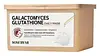 Key Ingredients
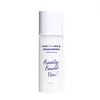
Benefits
Concerns
Ingredients Side-by-side
Water
Skin ConditioningDipropylene Glycol
HumectantGlycerin
Humectant


Niacinamide
Smoothing









Methylpropanediol
SolventGlyceryl Glucoside
Humectant
Galactomyces Ferment Filtrate
Humectant
Glycereth-26
Humectant
Erythritol
Humectant
Polyglyceryl-10 Laurate
Skin Conditioning
Hydroxyacetophenone
Antioxidant
Panthenol
Skin Conditioning
Caprylyl Glycol
Emollient
Hydrolyzed Jojoba Esters
Skin Conditioning
Ethylhexylglycerin
Skin ConditioningAdenosine
Skin Conditioning
Carbomer
Emulsion StabilisingGlucose
Humectant
Xanthan Gum
EmulsifyingArginine
Masking
1,2-Hexanediol
Skin Conditioning
Butylene Glycol
Humectant
Citric Acid
Buffering

Polyquaternium-51
Skin Conditioning
Citrus Aurantium Bergamia Fruit Oil
Masking


Diethylhexyl Sodium Sulfosuccinate
CleansingPantolactone
Humectant
Sodium Citrate
BufferingLavandula Angustifolia Oil
Masking

Glutathione
Sodium Hyaluronate
Humectant
Oryza Sativa Extract
Absorbent
Ascorbic Acid
Antioxidant
Pyrus Malus Fruit Extract
Skin Conditioning
Dipotassium Glycyrrhizate
Humectant
Hydrogenated Lecithin
Emulsifying
Gluconolactone
Skin Conditioning
Brassica Oleracea Italica Extract
AstringentPrunus Serrulata Flower Extract
Skin ConditioningNelumbo Nucifera Flower Extract
Skin ConditioningLilium Tigrinum Extract
Skin ConditioningCopper Tripeptide-1
Skin Conditioning
Hydrolyzed Hyaluronic Acid
Humectant
Hyaluronic Acid
Humectant
Sodium Hyaluronate Crosspolymer
Humectant
Hydroxypropyltrimonium Hyaluronate
Potassium Hyaluronate
Skin ConditioningHydrolyzed Sodium Hyaluronate
Skin Conditioning
Pentylene Glycol
Skin Conditioning
Sodium Acetylated Hyaluronate
Humectant
Disodium EDTA
Limonene
Perfuming
Linalool
Perfuming
Water, Dipropylene Glycol, Glycerin, Niacinamide, Methylpropanediol, Glyceryl Glucoside, Galactomyces Ferment Filtrate, Glycereth-26, Erythritol, Polyglyceryl-10 Laurate, Hydroxyacetophenone, Panthenol, Caprylyl Glycol, Hydrolyzed Jojoba Esters, Ethylhexylglycerin, Adenosine, Carbomer, Glucose, Xanthan Gum, Arginine, 1,2-Hexanediol, Butylene Glycol, Citric Acid, Polyquaternium-51, Citrus Aurantium Bergamia Fruit Oil, Diethylhexyl Sodium Sulfosuccinate, Pantolactone, Sodium Citrate, Lavandula Angustifolia Oil, Glutathione, Sodium Hyaluronate, Oryza Sativa Extract, Ascorbic Acid, Pyrus Malus Fruit Extract, Dipotassium Glycyrrhizate, Hydrogenated Lecithin, Gluconolactone, Brassica Oleracea Italica Extract, Prunus Serrulata Flower Extract, Nelumbo Nucifera Flower Extract, Lilium Tigrinum Extract, Copper Tripeptide-1, Hydrolyzed Hyaluronic Acid, Hyaluronic Acid, Sodium Hyaluronate Crosspolymer, Hydroxypropyltrimonium Hyaluronate, Potassium Hyaluronate, Hydrolyzed Sodium Hyaluronate, Pentylene Glycol, Sodium Acetylated Hyaluronate, Disodium EDTA, Limonene, Linalool
Water
Skin ConditioningGlycerin
Humectant
Butylene Glycol
Humectant
Acrylates Copolymer
3-O-Ethyl Ascorbic Acid
Skin Conditioning
Allantoin
Skin Conditioning
Ethoxydiglycol
HumectantFerulic Acid
Antimicrobial
Avena Sativa Kernel Extract
Abrasive
Panthenol
Skin Conditioning
Sodium Benzoate
Masking
Triethanolamine
BufferingChlorphenesin
Antimicrobial
PPG-13-Decyltetradeceth-24
EmulsifyingSodium Styrene/Acrylates Copolymer
Disodium EDTA
Polysorbate 20
Emulsifying
Tocopheryl Acetate
Antioxidant
Propylene Glycol
Humectant
Oryza Sativa Germ Extract
EmollientPentylene Glycol
Skin Conditioning
Tamarindus Indica Seed Gum
Emulsion Stabilising
Glucose
Humectant
Glycine Soja Seed Extract
Skin Conditioning
1,2-Hexanediol
Skin Conditioning
Beeswax
Emulsion Stabilising

Citric Acid
Buffering
Potassium Sorbate
Preservative
Water, Glycerin, Butylene Glycol, Acrylates Copolymer, 3-O-Ethyl Ascorbic Acid, Allantoin, Ethoxydiglycol, Ferulic Acid, Avena Sativa Kernel Extract, Panthenol, Sodium Benzoate, Triethanolamine, Chlorphenesin, PPG-13-Decyltetradeceth-24, Sodium Styrene/Acrylates Copolymer, Disodium EDTA, Polysorbate 20, Tocopheryl Acetate, Propylene Glycol, Oryza Sativa Germ Extract, Pentylene Glycol, Tamarindus Indica Seed Gum, Glucose, Glycine Soja Seed Extract, 1,2-Hexanediol, Beeswax, Citric Acid, Potassium Sorbate
Reviews
Ingredients Explained
These ingredients are found in both products.
Ingredients higher up in an ingredient list are typically present in a larger amount.
1,2-Hexanediol is a synthetic liquid and another multi-functional powerhouse.
It is a:
- Humectant, drawing moisture into the skin
- Emollient, helping to soften skin
- Solvent, dispersing and stabilizing formulas
- Preservative booster, enhancing the antimicrobial activity of other preservatives
Butylene Glycol (or BG) is used within cosmetic products for a few different reasons:
Overall, Butylene Glycol is a safe and well-rounded ingredient that works well with other ingredients.
Though this ingredient works well with most skin types, some people with sensitive skin may experience a reaction such as allergic rashes, closed comedones, or itchiness.
Learn more about Butylene GlycolCitric Acid is an alpha hydroxy acid (AHA) naturally found in citrus fruits like oranges, lemons, and limes.
Like other AHAs, citric acid can exfoliate skin by breaking down the bonds that hold dead skin cells together. This helps reveal smoother and brighter skin underneath.
However, this exfoliating effect only happens at high concentrations (20%) which can be hard to find in cosmetic products.
Due to this, citric acid is usually included in small amounts as a pH adjuster. This helps keep products slightly more acidic and compatible with skin's natural pH.
In skincare formulas, citric acid can:
While it can provide some skin benefits, research shows lactic acid and glycolic acid are generally more effective and less irritating exfoliants.
Most citric acid used in skincare today is made by fermenting sugars (usually from molasses). This synthetic version is identical to the natural citrus form but easier to stabilize and use in formulations.
Read more about some other popular AHA's here:
Learn more about Citric AcidDisodium EDTA is a chelating agent. It grabs onto and deactivates metal ions that sneak into your products from water, packaging, or air.
This ingredient mainly works behind the scenes and helps with:
On top of that, this ingredient can counteract the effects of hard water by binding to the minerals in it.
One thing worth knowing is that Disodium EDTA has been shown to be a mild penetration enhancer. It can help other ingredients absorb into skin more effectively which can be a double-edged sword (great for actives, but can also make the active too strong if you have sensitive skin).
Clinical patch testing showed no significant skin irritation at typical use concentrations and minimal dermal absorption.
You'll most likely see this ingredient near the end of an ingredient list. It's typically found in concentrations less than 1%.
Learn more about Disodium EDTAGlucose is a simple sugar (a monosaccharide). In skincare, it is mostly a humectant and skin conditioning agent.
Mechanistically, it has multiple hydroxyl groups that hydrogen-bond to water. This pulls moisture into the upper layers of skin to keep the surface soft and hydrated.
It's worth knowing sugars are already a natural component of the skin's NMF (natural moisturizing factor) so it's a molecule that your stratum corneum is well-acquainted with.
Just so you know, glucose is hydrophilic (water-loving) and the stratum corneum is a strong barrier to hydrophilic compounds. This just means penetration is slow and most of the action is happening on the surface.
Gram-to-gram, glucose is not as efficient as a humectant as glycerin. This is why you'll likely see glycose paired with stronger humectants for a bigger hydration payoff.
In skincare, glucose is typically derived from corn or other starch sources.
Learn more about GlucoseGlycerin (or glycerol) is a compound naturally found in your skin. It's a powerhouse humectant that pulls water into the stratum corneum.
Topically, glycerin does several things at once:
Your skin makes glycerin on its own (mostly from sebaceous oil breakdown) and shuttles it to your outermost layer of skin, or your epidermis, via aquaporin-3.
Aquaporin-3 is a transporter that is essential for normal skin hydration, elasticity, and repair. Interestingly, mice lacking in AQP3 have dry and less elastic skin that can be fully corrected with glycerin.
This ingredient is non-irritating, plays well with almost every ingredient, and works across all skin types. Typical use is anywhere between 3-10% but can go up to 79% in some leave-on products.
Just know very high concentrations (>40%) can feel tacky in low humidity.
Glycerin is the name for this ingredient in American English. British English uses Glycerol/Glycerine.
Learn more about GlycerinPanthenol is a common ingredient that helps hydrate and soothe the skin. It is found naturally in our skin and hair.
There are two forms of panthenol: D and L.
D-panthenol is also known as dexpanthenol. Most cosmetics use dexpanthenol or a mixture of D and L-panthenol.
Panthenol is famous due to its ability to go deeper into the skin's layers. Using this ingredient has numerous pros (and no cons):
Like hyaluronic acid, panthenol is a humectant. Humectants are able to bind and hold large amounts of water to keep skin hydrated.
This ingredient works well for wound healing. It works by increasing tissue in the wound and helps close open wounds.
Once oxidized, panthenol converts to pantothenic acid. Panthothenic acid is found in all living cells.
This ingredient is also referred to as pro-vitamin B5.
Learn more about PanthenolPentylene glycol is typically used within a product to thicken it. It also adds a smooth, soft, and moisturizing feel to the product. It is naturally found in plants such as sugar beets.
The hydrophilic trait of Pentylene Glycol makes it a humectant. As a humectant, Pentylene Glycol helps draw moisture from the air to your skin. This can help keep your skin hydrated.
This property also makes Pentylene Glycol a great texture enhancer. It can also help thicken or stabilize a product.
Pentylene Glycol also acts as a mild preservative and helps to keep a product microbe-free.
Some people may experience mild eye and skin irritation from Pentylene Glycol. We always recommend speaking with a professional about using this ingredient in your routine.
Pentylene Glycol has a low molecular weight and is part of the 1,2-glycol family.
Learn more about Pentylene GlycolWater. It's the most common cosmetic ingredient of all. You'll usually see it at the top of ingredient lists, meaning that it makes up the largest part of the product.
So why is it so popular? Water most often acts as a solvent - this means that it helps dissolve other ingredients into the formulation.
You'll also recognize water as that liquid we all need to stay alive. If you see this, drink a glass of water. Remember to stay hydrated!
Learn more about Water
