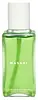
This pore-care ampoule is formulated around Niacinamide and Madecassoside to refine the look of pores and balance excess oil.
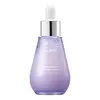
This barrier-repair ampoule is formulated around Panthenol and Centella Asiatica Extract to strengthen the skin barrier and calm redness.

What's inside
What's inside
 Key Ingredients
Benefits
Concerns
Ingredients Side-by-side
Water
Skin ConditioningWasabia Japonica Root Extract
Skin ConditioningButylene Glycol
Humectant

Glycerin
Humectant
Niacinamide
Smoothing









1,2-Hexanediol
Skin Conditioning
Pinus Densiflora Leaf Extract
Antimicrobial
Chamaecyparis Obtusa Leaf Extract
Skin ConditioningMadecassoside
Antioxidant
Melaleuca Alternifolia Leaf Water
Antimicrobial
Hamamelis Virginiana Extract
Antiseborrhoeic



Glyceryl Glucoside
Humectant
Polyglyceryl-10 Laurate
Skin Conditioning
Arginine
Masking
Acrylates/C10-30 Alkyl Acrylate Crosspolymer
Emulsion StabilisingMethyl Diisopropyl Propionamide
MaskingCaprylyl Glycol
Emollient
Xanthan Gum
EmulsifyingEthylhexylglycerin
Skin ConditioningDipotassium Glycyrrhizate
Humectant
Carthamus Tinctorius Flower Extract
Skin ConditioningGlyceryl Acrylate/Acrylic Acid Copolymer
HumectantAdenosine
Skin Conditioning
Pvm/Ma Copolymer
Emulsion StabilisingRosmarinus Officinalis Leaf Oil
Masking
Gardenia Florida Fruit Extract
Skin ConditioningDextrin
AbsorbentBeta-Glucan
Skin Conditioning
Pentylene Glycol
Skin Conditioning
Pueraria Lobata Root Extract
HumectantPinus Palustris Leaf Extract
TonicUlmus Davidiana Root Extract
Skin Conditioning
Oenothera Biennis Flower/Leaf/Stem Extract
Skin ConditioningLimonene
Perfuming

Water, Wasabia Japonica Root Extract, Butylene Glycol, Glycerin, Niacinamide, 1,2-Hexanediol, Pinus Densiflora Leaf Extract, Chamaecyparis Obtusa Leaf Extract, Madecassoside, Melaleuca Alternifolia Leaf Water, Hamamelis Virginiana Extract, Glyceryl Glucoside, Polyglyceryl-10 Laurate, Arginine, Acrylates/C10-30 Alkyl Acrylate Crosspolymer, Methyl Diisopropyl Propionamide, Caprylyl Glycol, Xanthan Gum, Ethylhexylglycerin, Dipotassium Glycyrrhizate, Carthamus Tinctorius Flower Extract, Glyceryl Acrylate/Acrylic Acid Copolymer, Adenosine, Pvm/Ma Copolymer, Rosmarinus Officinalis Leaf Oil, Gardenia Florida Fruit Extract, Dextrin, Beta-Glucan, Pentylene Glycol, Pueraria Lobata Root Extract, Pinus Palustris Leaf Extract, Ulmus Davidiana Root Extract, Oenothera Biennis Flower/Leaf/Stem Extract, Limonene
Oenothera Biennis Flower Extract
AstringentPanthenol
Skin Conditioning
Methylpropanediol
SolventDipropylene Glycol
HumectantDimethylimidazolidinone Rice Starch
AbsorbentCentella Asiatica Extract
Cleansing
Polygonum Cuspidatum Root Extract
Antioxidant
Scutellaria Baicalensis Root Extract
Astringent
Camellia Sinensis Leaf Extract
Antimicrobial
Glycyrrhiza Glabra Root Extract
Bleaching
Chamomilla Recutita Flower Extract
Masking
Rosmarinus Officinalis Leaf Extract
AntimicrobialBetula Platyphylla Japonica Juice
Skin Conditioning
Neopentyl Glycol Dicaprate
EmollientCeramide NP
Skin Conditioning
Glycerin
Humectant
Betaine
Humectant
Allantoin
Skin Conditioning
Asiaticoside
Antioxidant
Madecassoside
Antioxidant
Dextrin
AbsorbentSh-Oligopeptide-1
Skin Conditioning
Sh-Oligopeptide-2
Skin Conditioning
Sh-Polypeptide-1
Skin Conditioning
Sh-Polypeptide-22
Skin Conditioning
Polyglyceryl-10 Laurate
Skin Conditioning
Polyglyceryl-10 Myristate
Skin Conditioning
Sodium Hyaluronate
Humectant
Sodium Acetylated Hyaluronate
Humectant
Hydrolyzed Hyaluronic Acid
Humectant
Acrylates/C10-30 Alkyl Acrylate Crosspolymer
Emulsion StabilisingAmmonium Acryloyldimethyltaurate/Vp Copolymer
Water
Skin ConditioningArginine
Masking
Butylene Glycol
Humectant
Caprylyl Glycol
Emollient
Pentylene Glycol
Skin Conditioning
Hydroxyacetophenone
Antioxidant
Disodium EDTA
ChelatingOenothera Biennis Flower Extract, Panthenol, Methylpropanediol, Dipropylene Glycol, Dimethylimidazolidinone Rice Starch, Centella Asiatica Extract, Polygonum Cuspidatum Root Extract, Scutellaria Baicalensis Root Extract, Camellia Sinensis Leaf Extract, Glycyrrhiza Glabra Root Extract, Chamomilla Recutita Flower Extract, Rosmarinus Officinalis Leaf Extract, Betula Platyphylla Japonica Juice, Neopentyl Glycol Dicaprate, Ceramide NP, Glycerin, Betaine, Allantoin, Asiaticoside, Madecassoside, Dextrin, Sh-Oligopeptide-1, Sh-Oligopeptide-2, Sh-Polypeptide-1, Sh-Polypeptide-22, Polyglyceryl-10 Laurate, Polyglyceryl-10 Myristate, Sodium Hyaluronate, Sodium Acetylated Hyaluronate, Hydrolyzed Hyaluronic Acid, Acrylates/C10-30 Alkyl Acrylate Crosspolymer, Ammonium Acryloyldimethyltaurate/Vp Copolymer, Water, Arginine, Butylene Glycol, Caprylyl Glycol, Pentylene Glycol, Hydroxyacetophenone, Disodium EDTA
Ingredients Explained
These ingredients are found in both products.
Ingredients higher up in an ingredient list are typically present in a larger amount.
Acrylates/C10-30 Alkyl Acrylate Crosspolymer is a synthetic polymer. It is used to thicken, emulsify, and improve the texture of products.
As an emulsifier, it helps stabilize oil-in-water emulsions to give products an elegant feel when applied.
It can also form a thin protective film on skin. One study found that a formula using this polymer helped slow down how quickly other ingredients (like DEET) were absorbed through skin.
A 2024 study of over 1,300 patients confirmed that sensitization to this ingredient is rare. It is also non-mutagenic and has a clean track record.
Learn more about Acrylates/C10-30 Alkyl Acrylate CrosspolymerArginine is a semi-essential amino acid. This just means our bodies can product a bit on its own, but sometimes needs a little boost from food sources.
It is a part of your skin's natural moisturizing factor (NMF), or the water-loving molecules in your outermost layer of skin (stratum corneum) that keeps everything hydrated and happy.
Here's an interesting thing about Arginine: your skin converts it into urea through the Krebs-Henseleit urea cycle. Urea is one of the most effective humectants your skin naturally produces.
A clinical study showed applying 2.5% arginine hydrochloride to atopic dermatitis skin showed significant urea levels in the stratum corneum and improved moisture in just four weeks.
Arginine is also a precursor to nitric oxide; nitric oxide improves microcirculation and supports wound healing and collagen synthesis.
One study found that an amino acid complex containing Arginine reduced skin irritation, improved hydration, and accelerated skin repair in clinical / in-vivo studies.
Arginine itself is an amino acid and not a fatty acid, oil, or ester. On its own, it's not a direct food source for Malassezia, or the yeast that causes fungal acne.
Learn more about ArginineButylene Glycol (or BG) is used within cosmetic products for a few different reasons:
Overall, Butylene Glycol is a safe and well-rounded ingredient that works well with other ingredients.
Though this ingredient works well with most skin types, some people with sensitive skin may experience a reaction such as allergic rashes, closed comedones, or itchiness.
Learn more about Butylene GlycolCaprylyl Glycol is a humectant, skin conditioner, emollient, and preservative booster derived from either caprylic acid or synthetically created.
Typical use levels vary from 0.3-1% as a preservative booster and go up to 2% to condition skin.
Because it is not a free-fatty acid, this ingredient is fungal acne safe (there's nothing for Malassezia to feed on).
Learn more about Caprylyl GlycolDextrin is a starch-derived polysaccharide. It's made by partially breaking down corn, potato, or other plant starches.
Think of it as "half-processed" starch; it's less complex than the original but not fully broken down into sugar like maltodextrin.
In cosmetics, it mainly functions as a bulking agent, viscosity controller, binder, and absorbent. It helps thicken products, stabilize powders, and get certain textures a less "wet" feel.
This ingredient has a pretty solid safety profile; it's recognized as a safe food additive and its large molecular size means it doesn't meaningfully penetrate skin.
Human repeat insult patch tests using a rinse-off facial product containing 42.69% dextrin found no skin irritation or sensitization in 54 subjects.
Typical real-world usage is much lower: usually under 1% as a texture modifier and up to 40% in masks (rinse off products use less).
Learn more about DextrinGlycerin (or glycerol) is a compound naturally found in your skin. It's a powerhouse humectant that pulls water into the stratum corneum.
Topically, glycerin does several things at once:
Your skin makes glycerin on its own (mostly from sebaceous oil breakdown) and shuttles it to your outermost layer of skin, or your epidermis, via aquaporin-3.
Aquaporin-3 is a transporter that is essential for normal skin hydration, elasticity, and repair. Interestingly, mice lacking in AQP3 have dry and less elastic skin that can be fully corrected with glycerin.
This ingredient is non-irritating, plays well with almost every ingredient, and works across all skin types. Typical use is anywhere between 3-10% but can go up to 79% in some leave-on products.
Just know very high concentrations (>40%) can feel tacky in low humidity.
Glycerin is the name for this ingredient in American English. British English uses Glycerol/Glycerine.
Learn more about GlycerinMadecassoside is one of four active compounds found in Centella asiatica and is one of the main reasons Centella is so effective at calming irritated skin and supporting the moisture barrier.
There's a solid body of peer-reviewed research backing Madecassoside for several skin benefits. Studies have found:
Madecassoside pairs well with other hydrating or antioxidant ingredients like Ascorbic Acid or Hyaluronic Acid.
Learn more about MadecassosidePentylene Glycol (1,2-pentanediol) is a multitasking little diol with three main roles in a formula:
Research on alkanediols (the family pentylene glycol belongs to) show they work by disrupting microbial cell membranes. This disruption helps the primary preservative system in a product work more effectively at lower doses.
On the safety side, the Cosmetic Ingredient Review Expert Panel has concluded this ingredient to be safe as used in current cosmetic practices + concentrations.
Typical use levels in a formula run about 1-5%.
Learn more about Pentylene GlycolPolyglyceryl-10 Laurate is a cleansing agent and emulsifier.
It rounds up dirt, oil, and grime, so they can be rinsed off easily as a cleanser.
On the emulsifier side, it keeps your formula smooth and well-mixed by playing peacekeeper for ingredients that don't naturally get along (like oil and water).
Because it has a C12 (lauric acid) fatty acid chain, this ingredient can potentially feed the Malassezia yeast that causes fungal acne. The Malassezia yeast prefers esters with C11-C24 fatty acids.
This ingredient is an ester of lauric acid and Polyglycerin-10.
Learn more about Polyglyceryl-10 LaurateWater. It's the most common cosmetic ingredient of all. You'll usually see it at the top of ingredient lists, meaning that it makes up the largest part of the product.
So why is it so popular? Water most often acts as a solvent - this means that it helps dissolve other ingredients into the formulation.
You'll also recognize water as that liquid we all need to stay alive. If you see this, drink a glass of water. Remember to stay hydrated!
Learn more about Water

