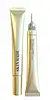
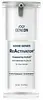
Skinmade Golden C + Exoshot Collagen Boosting Filler Concentrate Versus Gene-On Good Genes Reactivator AM Active Defense
This anti-aging treatment is formulated around Galactomyces Ferment Filtrate and Ascorbic Acid to soften the look of wrinkles and brighten dull-looking skin.
This anti-aging serum is formulated around Resveratrol and Ferulic Acid to soften the look of wrinkles and strengthen the skin barrier.


What's inside
What's inside
 Key Ingredients
Benefits
Concerns
Ingredients Side-by-side
Water
Skin ConditioningButylene Glycol
Humectant

Glycerin
Humectant
Galactomyces Ferment Filtrate
Humectant





Isononyl Isononanoate
EmollientCetyl Ethylhexanoate
EmollientFullerenes
AntimicrobialHydroxyacetophenone
Antioxidant
Panthenol
Skin Conditioning
Niacinamide
Smoothing





Colloidal Gold
AntimicrobialGlutathione
Ascorbic Acid
Antioxidant
Sodium DNA
Skin Conditioning
Trehalose
Humectant
Arginine
Masking
1,2-Hexanediol
Skin Conditioning
Trilaureth-4 Phosphate
EmulsifyingLactobacillus Extracellular Vesicles
Crocus Chrysanthus Bulb Extract
Skin ConditioningPalmitoyl Tripeptide-38
Skin Conditioning
Matrixyl 3000
Acetyl Hexapeptide-8
Humectant
Glycyrrhiza Glabra Root Extract
Bleaching
Sophora Angustifolia Root Extract
Skin ConditioningBeta-Glucan
Skin Conditioning
Hydrolyzed Glycosaminoglycans
HumectantHydroxypropyl Cyclodextrin
MaskingMethylglucoside Phosphate
Skin ConditioningCopper Lysinate/Prolinate
Skin ConditioningSilk Amino Acids
HumectantAcacia Senegal Gum
MaskingPhospholipids
Skin Conditioning
Ammonium Polyacryloyldimethyl Taurate
Emulsion StabilisingEthylhexylglycerin
Skin ConditioningXanthan Gum
EmulsifyingSorbitol
Humectant
Carbomer
Emulsion StabilisingGlyceryl Polymethacrylate
Propanediol
Solvent
Lactic Acid
Buffering


Disodium EDTA
ChelatingSodium Polyacrylate
Absorbent
Caprylyl Glycol
Emollient
Pentylene Glycol
Skin Conditioning
Polysorbate 20
Emulsifying
Hyaluronic Acid
Humectant
Sodium Hyaluronate Crosspolymer
Humectant
Sodium Hyaluronate
Humectant
Hydrolyzed Sodium Hyaluronate
Skin Conditioning
Scutellaria Baicalensis Root Extract
Astringent
Hydroxypropyltrimonium Hyaluronate
Sodium Acetylated Hyaluronate
Humectant
Phenoxyethanol
Preservative
Water, Butylene Glycol, Glycerin, Galactomyces Ferment Filtrate, Isononyl Isononanoate, Cetyl Ethylhexanoate, Fullerenes, Hydroxyacetophenone, Panthenol, Niacinamide, Colloidal Gold, Glutathione, Ascorbic Acid, Sodium DNA, Trehalose, Arginine, 1,2-Hexanediol, Trilaureth-4 Phosphate, Lactobacillus Extracellular Vesicles, Crocus Chrysanthus Bulb Extract, Palmitoyl Tripeptide-38, Matrixyl 3000, Acetyl Hexapeptide-8, Glycyrrhiza Glabra Root Extract, Sophora Angustifolia Root Extract, Beta-Glucan, Hydrolyzed Glycosaminoglycans, Hydroxypropyl Cyclodextrin, Methylglucoside Phosphate, Copper Lysinate/Prolinate, Silk Amino Acids, Acacia Senegal Gum, Phospholipids, Ammonium Polyacryloyldimethyl Taurate, Ethylhexylglycerin, Xanthan Gum, Sorbitol, Carbomer, Glyceryl Polymethacrylate, Propanediol, Lactic Acid, Disodium EDTA, Sodium Polyacrylate, Caprylyl Glycol, Pentylene Glycol, Polysorbate 20, Hyaluronic Acid, Sodium Hyaluronate Crosspolymer, Sodium Hyaluronate, Hydrolyzed Sodium Hyaluronate, Scutellaria Baicalensis Root Extract, Hydroxypropyltrimonium Hyaluronate, Sodium Acetylated Hyaluronate, Phenoxyethanol
Water
Skin ConditioningGlycerin
Humectant
Squalane
Emollient
Triethylhexanoin
MaskingCaprylic/Capric Triglyceride
Masking
Cyclopentasiloxane
Emollient
Cetearyl Alcohol
Emollient

Ceteareth-20
Cleansing
Resveratrol
Antioxidant
Ferulic Acid
Antimicrobial
Glycyrrhiza Glabra Root Extract
Bleaching
Vitis Vinifera Seed Extract
Antimicrobial
Beta-Glucan
Skin Conditioning
Ceramide NP
Skin Conditioning
Ceramide Eos
Skin Conditioning
Kluyveromyces Extract
Skin ConditioningBifida Ferment Lysate
Skin Conditioning
Matrixyl 3000
Palmitoyl Tripeptide-38
Skin Conditioning
Hydroxypropyl Cyclodextrin
MaskingCopper Tripeptide-1
Skin Conditioning
Fullerenes
AntimicrobialTocopherol
Antioxidant
Tocopheryl Glucoside
EmollientTitanium Dioxide
Cosmetic Colorant

Polymethyl Methacrylate
Ammonium Acryloyldimethyltaurate/Vp Copolymer
Cyclohexasiloxane
Emollient
Ceteareth-33
CleansingBenzoic Acid
Masking
Phenoxyethanol
Preservative
Disodium EDTA
ChelatingSodium Hydroxide
BufferingWater, Glycerin, Squalane, Triethylhexanoin, Caprylic/Capric Triglyceride, Cyclopentasiloxane, Cetearyl Alcohol, Ceteareth-20, Resveratrol, Ferulic Acid, Glycyrrhiza Glabra Root Extract, Vitis Vinifera Seed Extract, Beta-Glucan, Ceramide NP, Ceramide Eos, Kluyveromyces Extract, Bifida Ferment Lysate, Matrixyl 3000, Palmitoyl Tripeptide-38, Hydroxypropyl Cyclodextrin, Copper Tripeptide-1, Fullerenes, Tocopherol, Tocopheryl Glucoside, Titanium Dioxide, Polymethyl Methacrylate, Ammonium Acryloyldimethyltaurate/Vp Copolymer, Cyclohexasiloxane, Ceteareth-33, Benzoic Acid, Phenoxyethanol, Disodium EDTA, Sodium Hydroxide
Reviews
Ingredients Explained
These ingredients are found in both products.
Ingredients higher up in an ingredient list are typically present in a larger amount.
Beta-Glucan is a soluble polysaccharide (a chain of glucose sugars) sourced from the cells walls of oats, baker's yeast, mushrooms, and seaweed.
It's a rare ingredient that pulls double-duty as a heavy-duty hydrator and skin-soothing repair agent.
On the surface, it acts as a humectant that holds water in place and reduces moisture loss for a plumper, smoother feel, while its anti-inflammatory and antioxidant properties make it a great pick for calming redness or sensitive skin
The more interesting story is underneath:
Despite its large molecular size, oat beta-glucan has been shown to penetrate the epidermis and reach the dermis by slipping between skin cells. Here, it interacts with fibroblasts and macrophages to nudge collagen synthesis and support wound repair.
A small 2005 split-face clinical study of 27 subjects found topical beta-glucan produced measurable reductions in wrinkle depth, height, and roughness after 8 weeks of use.
It is worth noting the trial was small and the penetration testing used frozen, irradiated skin so the anti-aging data is encouraging rather than definitive.
This ingredient gets along with pretty much everything and is typically used around 0.1-1%.
Fungal acne: This ingredient is not a food source for the Malassezia yeast because it is a glucose polysaccharide with no fatty acid or ester component.
Learn more about Beta-GlucanDisodium EDTA is a chelating agent. It grabs onto and deactivates metal ions that sneak into your products from water, packaging, or air.
This ingredient mainly works behind the scenes and helps with:
On top of that, this ingredient can counteract the effects of hard water by binding to the minerals in it.
One thing worth knowing is that Disodium EDTA has been shown to be a mild penetration enhancer. It can help other ingredients absorb into skin more effectively which can be a double-edged sword (great for actives, but can also make the active too strong if you have sensitive skin).
Clinical patch testing showed no significant skin irritation at typical use concentrations and minimal dermal absorption.
You'll most likely see this ingredient near the end of an ingredient list. It's typically found in concentrations less than 1%.
Learn more about Disodium EDTAWe don't have a description for Fullerenes yet.
Glycerin (or glycerol) is a compound naturally found in your skin. It's a powerhouse humectant that pulls water into the stratum corneum.
Topically, glycerin does several things at once:
Your skin makes glycerin on its own (mostly from sebaceous oil breakdown) and shuttles it to your outermost layer of skin, or your epidermis, via aquaporin-3.
Aquaporin-3 is a transporter that is essential for normal skin hydration, elasticity, and repair. Interestingly, mice lacking in AQP3 have dry and less elastic skin that can be fully corrected with glycerin.
This ingredient is non-irritating, plays well with almost every ingredient, and works across all skin types. Typical use is anywhere between 3-10% but can go up to 79% in some leave-on products.
Just know very high concentrations (>40%) can feel tacky in low humidity.
Glycerin is the name for this ingredient in American English. British English uses Glycerol/Glycerine.
Learn more about GlycerinGlycyrrhiza Glabra Root Extract is an extract of the roots of Licorice. It has been found to have several benefits such as skin hydrating, conditioning, and soothing.
One component, glabridin, has extra potent antioxidant and soothing properties. It has also been found to block pigmentation from UVB rays in guinea pigs.
Licorice Root also contains a flavonoid. Flavonoids are a natural substance from in plants. Flavonoids also have antioxidant properties.
Another component, glycyrrhizin, has been found to have anti-inflammatory and antimicrobial benefits. This may make licorice root extract effective at treating acne. However, more research is needed to support this.
Liquiritin is one of the flavone compounds found in licorice. It has been found to help lighten skin by preventing tyrosinase from reacting with tyrosine. When the two react, protein is converted to melanin. Melanin is the substance in your body that gives your features pigmentation.
Learn more about Glycyrrhiza Glabra Root ExtractThis ingredient is used in skincare as a delivery system.
It works by "encapsulating" active ingredients with its unique ring shape that is water-loving on the outside and oil-loving on the inside. This improves the stability and absorption of the product into the skin.
According to a manufacturer, it also offer some moisturizing effects.
Learn more about Hydroxypropyl CyclodextrinThis synthetic, signal peptide has unique skin conditioning properties in that is a matrikine-mimetic compound.
First of all, Palmitoyl Tripeptide-38 is a signal peptide; signal peptides tell the body to create more collagen.
What is a matrikine-mimetic compound?
This peptide has the ability to mimic matrikines in skin. Our skin created matrikines by breaking down matrix proteins into peptides.
Matrikines play a role in:
Though further research is needed, this ingredient seems pretty promising. In one study, women over the age of 40 with visible photoaging used a vitamin C serum with this ingredient for 56 days (15% ascorbid acid, 5 ppm palmitoyl tripeptide‐38). The results found improvement in skin roughness and skin tone.
This peptide is also part of the famous Matrixyl synthe’6, a blend of ingredients that also includes glycerin, water, and hydroxypropyl cyclodextrin.
Learn more about Palmitoyl Tripeptide-38Phenoxyethanol is one of the most widely used preservatives in skincare (and for good reason!).
It has a large spectrum of antimicrobial activity and especially effective bacteria, yeast, and mold while only having a weak effect on your skin's natural microbiome.
On a cellular level, it disrupts the cell membranes of microbes by poking holes that make the cell leak. This shuts down the chemical reactions the microbe needs to make energy so it can no longer survive.
Another perk of this ingredient is that it stays functional across a wide pH range (3-10).
You'll often see it paired with boosters like Ethylhexylglycerin; one study showed that a 1:9 ratio of Ethylhexylglycerin to Phenoxyethanol damages bacterial membranes as effectively as doubling the Phenoxyethanol concentration on its own.
Typical use concentrations range from 0.3-1% depending on the formula, and this ingredient is capped at 1% int the EU.
Safety-wise, the fear mongering does not hold up to the evidence. The EU's Scientific Committee on Consumer Safety and FDA consider it safe as a preservative at up to 1%, including for children of all ages.
Adverse systemic effects only showed up in animal studies at exposures roughly 200x higher than what people get from cosmetics. And despite its very widespread use, this ingredient is a rare sensitizer and allergic reactions are uncommon.
Learn more about PhenoxyethanolWater. It's the most common cosmetic ingredient of all. You'll usually see it at the top of ingredient lists, meaning that it makes up the largest part of the product.
So why is it so popular? Water most often acts as a solvent - this means that it helps dissolve other ingredients into the formulation.
You'll also recognize water as that liquid we all need to stay alive. If you see this, drink a glass of water. Remember to stay hydrated!
Learn more about WaterThis famous peptide is a blend of various INCI ingredients.
Read more about the benefits of the peptides in this mix, Palmitoyl Tripeptide-1 and Palmitoyl Tetrapeptide-7.
Or learn more about the other ingredients:
Glycerin, Water, Butylene Glycol, Carbomer, Polysorbate 20.


