SkinCeuticals P-Tiox Wrinkle Modulating Peptide Serum Versus Niod Fractionated Eye Contour Concentrate Serum
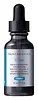
This anti-aging serum is formulated around Dipeptide Diaminobutyroyl Benzylamide Diacetate and Acetyl Hexapeptide-8 to soften the look of wrinkles and refine skin texture.
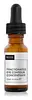
This anti-aging eye moisturizer is formulated around Niacinamide and Dipeptide Diaminobutyroyl Benzylamide Diacetate to soften the look of wrinkles and fade the look of dark spots.


What's inside
What's inside
 Key Ingredients
Benefits
Concerns
Ingredients Side-by-side
Water
Skin ConditioningNiacinamide
Smoothing











Gluconolactone
Skin Conditioning
Butylene Glycol
Humectant
PEG/PPG/Polybutylene Glycol-8/5/3 Glycerin
HumectantAlcohol Denat.
Antimicrobial




Pentylene Glycol
Skin Conditioning
Methyl Gluceth-20
Humectant
Glycerin
Humectant
Potassium Hydroxide
BufferingHydroxyethylcellulose
Emulsion StabilisingSalicylic Acid
Masking

Chlorphenesin
Antimicrobial
Phytic Acid

Adenosine
Skin Conditioning
Sodium Benzoate
Masking
Laminaria Digitata Extract
Skin Protecting
Dipeptide Diaminobutyroyl Benzylamide Diacetate
Skin Conditioning
Acetyl Hexapeptide-8
Humectant
Water, Niacinamide, Gluconolactone, Butylene Glycol, PEG/PPG/Polybutylene Glycol-8/5/3 Glycerin, Alcohol Denat., Pentylene Glycol, Methyl Gluceth-20, Glycerin, Potassium Hydroxide, Hydroxyethylcellulose, Salicylic Acid, Chlorphenesin, Phytic Acid, Adenosine, Sodium Benzoate, Laminaria Digitata Extract, Dipeptide Diaminobutyroyl Benzylamide Diacetate, Acetyl Hexapeptide-8
Water
Skin ConditioningGlycerin
Humectant
Butylene Glycol
Humectant
Propanediol
Solvent
Hydrolyzed Yeast Extract
Skin ConditioningAlbizia Julibrissin Bark Extract
MaskingNiacinamide
Smoothing
Dipeptide Diaminobutyroyl Benzylamide Diacetate
Skin Conditioning
Palmitoyl Tripeptide-38
Skin Conditioning
Acetyl Hexapeptide-8
Humectant
Acetyl Tetrapeptide-5
Humectant
Decapeptide-22
Skin Conditioning
Oligopeptide-78
Skin Conditioning
Palmitoyl Decapeptide-21
Skin Conditioning
Palmitoyl Hexapeptide-52
Skin Conditioning
Zinc Palmitoyl Nonapeptide-14
Skin Conditioning
Palmitoyl Tetrapeptide-50
Skin Conditioning
Pentapeptide-18
Skin Conditioning
Acetyl Hexapeptide-30
Skin Conditioning
Heptapeptide-15 Palmitate
Skin Conditioning
Palmitoyl Heptapeptide-18
Skin Conditioning
S-Mu-Conotoxin Cniiic Acetate
Skin ConditioningSodium Hyaluronate
Humectant
Darutoside
Skin ConditioningEpigallocatechin Gallatyl Glucoside
Antioxidant
Gallyl Glucoside
Antioxidant
Ascorbyl Glucoside
Antioxidant
Zinc PCA
Humectant
Methylglucoside Phosphate
Skin ConditioningDisodium Acetyl Glucosamine Phosphate
Skin ConditioningCopper Lysinate/Prolinate
Skin ConditioningHydroxypropyl Cyclodextrin
MaskingSuperoxide Dismutase
Antioxidant
Escin
TonicAscorbic Acid
Antioxidant
Ammonium Glycyrrhizate
MaskingPolyglucuronic Acid
Skin ConditioningAscophyllum Nodosum Extract
Skin Conditioning
Asparagopsis Armata Extract
Skin Protecting
Fraxinus Excelsior Bark Extract
Skin ConditioningOlea Europaea Leaf Extract
Perfuming
Polypodium Vulgare Rhizome Extract
HumectantCetraria Islandica Thallus Extract
HumectantSphagnum Magellanicum Extract
Skin ConditioningRuscus Aculeatus Root Extract
Astringent
Centella Asiatica Extract
Cleansing
Calendula Officinalis Flower Extract
Masking
Arginine
Masking
Panthenol
Skin Conditioning
Hydrolyzed Rice Protein
Skin ConditioningGlycine Soja Protein
EmulsifyingHydrolyzed Wheat Protein
Skin ConditioningHydrolyzed Yeast Protein
Skin ConditioningLecithin
Emollient
Polyacrylate Crosspolymer-6
Emulsion StabilisingXanthan Gum
EmulsifyingCetyl Hydroxyethylcellulose
Emulsion StabilisingSilanetriol
Sodium Dextran Sulfate
Gel FormingSorbitol
Humectant
Pentylene Glycol
Skin Conditioning
Dimethyl Isosorbide
SolventCitric Acid
Buffering
Glycolic Acid
Buffering
Lactic Acid
Buffering
Lactic Acid/Glycolic Acid Copolymer
Skin ConditioningPPG-26-Buteth-26
Skin ConditioningPolyvinyl Alcohol
PEG-40 Hydrogenated Castor Oil
Emulsifying

Propyl Gallate
Antioxidant
Potassium Sorbate
Preservative
Caprylyl Glycol
Emollient
Glyceryl Caprylate
EmollientEthylhexylglycerin
Skin ConditioningSodium Benzoate
Masking
Benzyl Alcohol
Perfuming
Phenylpropanol
Masking
Dehydroacetic Acid
Preservative
Phenoxyethanol
Preservative
Chlorphenesin
Antimicrobial
Water, Glycerin, Butylene Glycol, Propanediol, Hydrolyzed Yeast Extract, Albizia Julibrissin Bark Extract, Niacinamide, Dipeptide Diaminobutyroyl Benzylamide Diacetate, Palmitoyl Tripeptide-38, Acetyl Hexapeptide-8, Acetyl Tetrapeptide-5, Decapeptide-22, Oligopeptide-78, Palmitoyl Decapeptide-21, Palmitoyl Hexapeptide-52, Zinc Palmitoyl Nonapeptide-14, Palmitoyl Tetrapeptide-50, Pentapeptide-18, Acetyl Hexapeptide-30, Heptapeptide-15 Palmitate, Palmitoyl Heptapeptide-18, S-Mu-Conotoxin Cniiic Acetate, Sodium Hyaluronate, Darutoside, Epigallocatechin Gallatyl Glucoside, Gallyl Glucoside, Ascorbyl Glucoside, Zinc PCA, Methylglucoside Phosphate, Disodium Acetyl Glucosamine Phosphate, Copper Lysinate/Prolinate, Hydroxypropyl Cyclodextrin, Superoxide Dismutase, Escin, Ascorbic Acid, Ammonium Glycyrrhizate, Polyglucuronic Acid, Ascophyllum Nodosum Extract, Asparagopsis Armata Extract, Fraxinus Excelsior Bark Extract, Olea Europaea Leaf Extract, Polypodium Vulgare Rhizome Extract, Cetraria Islandica Thallus Extract, Sphagnum Magellanicum Extract, Ruscus Aculeatus Root Extract, Centella Asiatica Extract, Calendula Officinalis Flower Extract, Arginine, Panthenol, Hydrolyzed Rice Protein, Glycine Soja Protein, Hydrolyzed Wheat Protein, Hydrolyzed Yeast Protein, Lecithin, Polyacrylate Crosspolymer-6, Xanthan Gum, Cetyl Hydroxyethylcellulose, Silanetriol, Sodium Dextran Sulfate, Sorbitol, Pentylene Glycol, Dimethyl Isosorbide, Citric Acid, Glycolic Acid, Lactic Acid, Lactic Acid/Glycolic Acid Copolymer, PPG-26-Buteth-26, Polyvinyl Alcohol, PEG-40 Hydrogenated Castor Oil, Propyl Gallate, Potassium Sorbate, Caprylyl Glycol, Glyceryl Caprylate, Ethylhexylglycerin, Sodium Benzoate, Benzyl Alcohol, Phenylpropanol, Dehydroacetic Acid, Phenoxyethanol, Chlorphenesin
Reviews
Ingredients Explained
These ingredients are found in both products.
Ingredients higher up in an ingredient list are typically present in a larger amount.
Acetyl Hexapeptide-8 (also known as Argireline) is a synthetic hexapeptide that is often called a "topical Botox alternative".
It works by mimicking how Botox relaxes muscles; it interferes with the signaling process that tells your facial muscles to contract. This can help soften expression lines like forehead wrinkles or crow's feet over time.
The comparison to Botox does have limits because the molecule is water-loving and relatively large.
Acetyl Hexapeptide-8 has a hard time absorbing deeply enough through the skin's outer barrier to actually reach the muscles.
So whether it truly works the way Botox does at a biological level is still up for debate, but early clinical outcomes are fairly encouraging.
A 12 week human study of a multi-ingredient regimen containing this ingredient saw:
While some studies have observed improvements in wrinkle appearance, it is important to note that more consistent results are seen in multi-ingredient formulations (vs just Acetyl Hexapeptide-8 alone).
Some research studies also used higher concentrations (up to 10%) while this ingredient is usually found in concentrations up to 0.005% in leave-on formulations.
Learn more about Acetyl Hexapeptide-8Butylene Glycol (or BG) is used within cosmetic products for a few different reasons:
Overall, Butylene Glycol is a safe and well-rounded ingredient that works well with other ingredients.
Though this ingredient works well with most skin types, some people with sensitive skin may experience a reaction such as allergic rashes, closed comedones, or itchiness.
Learn more about Butylene GlycolChlorphenesin is a synthetic preservative. It helps protect a product against bacteria in order to extend shelf life. In most cases, Chlorphenesin is paired with other preservatives such as phenoxyethanol and caprylyl glycol.
Chlorphenesin is a biocide. This means it is able to help fight the microorganisms on our skin. It is also able to fight odor-releasing bacteria.
Chlorphenesin is soluble in both water and glycerin.
Studies show Chlorphenesin is easily absorbed by our skin. You should speak with a skincare professional if you have concerns about using Chlorphenesin.
Learn more about ChlorphenesinThis small molecule peptide has similar benefits to Argireline, the "botox" peptide.
According to the manufacturer, this peptide mimics snake venom to freeze muscles. This prevents muscle movement and contractions to prohibit the formation of fine lines and wrinkles.
While this seems promising, research is lacking in proving this ingredient to be as effective as botox.
Learn more about Dipeptide Diaminobutyroyl Benzylamide DiacetateGlycerin (or glycerol) is a compound naturally found in your skin. It's a powerhouse humectant that pulls water into the stratum corneum.
Topically, glycerin does several things at once:
Your skin makes glycerin on its own (mostly from sebaceous oil breakdown) and shuttles it to your outermost layer of skin, or your epidermis, via aquaporin-3.
Aquaporin-3 is a transporter that is essential for normal skin hydration, elasticity, and repair. Interestingly, mice lacking in AQP3 have dry and less elastic skin that can be fully corrected with glycerin.
This ingredient is non-irritating, plays well with almost every ingredient, and works across all skin types. Typical use is anywhere between 3-10% but can go up to 79% in some leave-on products.
Just know very high concentrations (>40%) can feel tacky in low humidity.
Glycerin is the name for this ingredient in American English. British English uses Glycerol/Glycerine.
Learn more about GlycerinNiacinamide is a multitasking form of vitamin B3 that strengthens the skin barrier, reduces pores and dark spots, regulates oil, and improves signs of aging.
And the best part? It's gentle and well-tolerated by most skin types, including sensitive and reactive skin.
You might have heard of "niacin flush", or the reddening of skin that causes itchiness. Niacinamide has not been found to cause this.
In very rare cases, some individuals may not be able to tolerate niacinamide at all or experience an allergic reaction to it.
If you are experiencing flaking, irritation, and dryness with this ingredient, be sure to double check all your products as this ingredient can be found in all categories of skincare.
When incorporating niacinamide into your routine, look out for concentration amounts. Typically, 5% niacinamide provides benefits such as fading dark spots. However, if you have sensitive skin, it is better to begin with a smaller concentration.
When you apply niacinamide to your skin, your body converts it into nicotinamide adenine dinucleotide (NAD). NAD is an essential coenzyme that is already found in your cells as "fuel" and powers countless biological processes.
In your skin, NAD helps repair cell damage, produce new healthy cells, support collagen production, strengthen the skin barrier, and fight environmental stressors (like UV and pollution).
Our natural NAD levels start to decline with age, leading to slower skin repair, visible aging, and a weaker skin barrier. By providing your skin niacinamide, you're recharging your skin's NAD levels. This leads to stronger, healthier, and younger looking skin.
Another name for vitamin B3 is nicotinamide. This vitamin is water-soluble and our bodies don't store it. We obtain Vitamin B3 from either food or skincare. Meat, fish, wheat, yeast, and leafy greens contain vitamin B3.
The type of niacinamide used in skincare is synthetically created.
Learn more about NiacinamidePentylene Glycol (1,2-pentanediol) is a multitasking little diol with three main roles in a formula:
Research on alkanediols (the family pentylene glycol belongs to) show they work by disrupting microbial cell membranes. This disruption helps the primary preservative system in a product work more effectively at lower doses.
On the safety side, the Cosmetic Ingredient Review Expert Panel has concluded this ingredient to be safe as used in current cosmetic practices + concentrations.
Typical use levels in a formula run about 1-5%.
Learn more about Pentylene GlycolSodium Benzoate is a preservative. It's used in both cosmetic and food products to inhibit the growth of mold and bacteria. It is typically produced synthetically.
Both the US FDA and EU Health Committee have approved the use of sodium benzoate. In the US, levels of 0.1% (of the total product) are allowed.
Sodium benzoate works as a preservative by inhibiting the growth of bacteria inside of cells. It prevents the cell from fermenting a type of sugar using an enzyme called phosphofructokinase.
It is the salt of benzoic acid. Foods containing sodium benzoate include soda, salad dressings, condiments, fruit juices, wines, and snack foods.
Studies for using ascorbic acid and sodium benzoate in cosmetics are lacking, especially in skincare routines with multiple steps.
We always recommend speaking with a professional, such as a dermatologist, if you have any concerns.
Learn more about Sodium BenzoateWater. It's the most common cosmetic ingredient of all. You'll usually see it at the top of ingredient lists, meaning that it makes up the largest part of the product.
So why is it so popular? Water most often acts as a solvent - this means that it helps dissolve other ingredients into the formulation.
You'll also recognize water as that liquid we all need to stay alive. If you see this, drink a glass of water. Remember to stay hydrated!
Learn more about Water

