

What's inside
What's inside
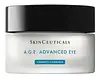 Key Ingredients
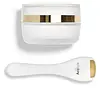
Benefits
Concerns
Ingredients Side-by-side
Hexyl Laurate
Emollient
Cellulose
Absorbent
Polyethylene
Abrasive

Caprylic/Capric Triglyceride
Masking


Octyldodecanol
Emollient
Phenoxyethanol
Preservative
Butylene Glycol
Humectant
Caffeine
Skin Conditioning

Silica Silylate
Emollient
Tocopheryl Acetate
Antioxidant


Ammonium Polyacryloyldimethyl Taurate
Emulsion StabilisingSodium Citrate
BufferingDimethicone/Polyglycerin-3 Crosspolymer
Cleansing
Chlorphenesin
Antimicrobial
Boron Nitride
Absorbent
Alumina
Abrasive
Glycyrrhetinic Acid
Skin Conditioning
CI 77891
Cosmetic ColorantMenthoxypropanediol
Masking

Sorbitol
Humectant
Vaccinium Myrtillus Fruit Extract
Skin ConditioningSynthetic Fluorphlogopite
Sodium Phytate
Carbomer
Emulsion StabilisingSodium Lactate
Buffering
Polysorbate 20
Emulsifying
Punica Granatum Fruit Extract
Antioxidant
Glycol
HumectantAlcohol
Antimicrobial

Palmitoyl Tripeptide-1
Skin Conditioning


Tocopherol
Antioxidant
Palmitoyl Tetrapeptide-7
Skin Conditioning
Pentaerythrityl Tetra-Di-T-Butyl Hydroxyhydrocinnamate
Antioxidant
Hexyl Laurate, Cellulose, Polyethylene, Caprylic/Capric Triglyceride, Octyldodecanol, Phenoxyethanol, Butylene Glycol, Caffeine, Silica Silylate, Tocopheryl Acetate, Ammonium Polyacryloyldimethyl Taurate, Sodium Citrate, Dimethicone/Polyglycerin-3 Crosspolymer, Chlorphenesin, Boron Nitride, Alumina, Glycyrrhetinic Acid, CI 77891, Menthoxypropanediol, Sorbitol, Vaccinium Myrtillus Fruit Extract, Synthetic Fluorphlogopite, Sodium Phytate, Carbomer, Sodium Lactate, Polysorbate 20, Punica Granatum Fruit Extract, Glycol, Alcohol, Palmitoyl Tripeptide-1, Tocopherol, Palmitoyl Tetrapeptide-7, Pentaerythrityl Tetra-Di-T-Butyl Hydroxyhydrocinnamate
Water
Skin ConditioningGlycerin
Humectant
Butyrospermum Parkii Butter
Skin Conditioning

Glyceryl Myristate
EmollientCoco-Caprylate/Caprate
Emollient
Hydrogenated Polyisobutene
EmollientPotassium Cetyl Phosphate
EmulsifyingCitrus Aurantium Amara Flower Water
MaskingRosa Centifolia Flower Water
Skin ConditioningStearyl Alcohol
Emollient
Cetearyl Alcohol
Emollient
Isopropyl Palmitate
Emollient
Panthenol
Skin Conditioning
Tocopheryl Acetate
Antioxidant
Caffeine
Skin Conditioning
Cedrus Atlantica Bark Extract
Perfuming

Avena Sativa Kernel Extract
Abrasive
Hydrolyzed Soy Protein
Humectant
Bisabolol
Antioxidant
Saccharide Hydrolysate
HumectantAdenosine
Skin Conditioning
Albizia Julibrissin Bark Extract
MaskingPunica Granatum Fruit Extract
Antioxidant
Passiflora Edulis Fruit Extract
Skin ConditioningHydrolyzed Yeast Protein
Skin ConditioningHydroxyethyl Acrylate/Sodium Acryloyldimethyl Taurate Copolymer
Emulsion StabilisingCeteareth-33
CleansingButylene Glycol
Humectant
Carbomer
Emulsion StabilisingEthylhexylglycerin
Skin ConditioningPentylene Glycol
Skin Conditioning
Disodium EDTA
Sodium Hydroxide
BufferingPolysorbate 60
Emulsifying
Sorbitan Isostearate
Emulsifying
Citric Acid
Buffering
Phenoxyethanol
Preservative
Sodium Benzoate
Masking
Potassium Sorbate
Preservative
BHT
Antioxidant
Water, Glycerin, Butyrospermum Parkii Butter, Glyceryl Myristate, Coco-Caprylate/Caprate, Hydrogenated Polyisobutene, Potassium Cetyl Phosphate, Citrus Aurantium Amara Flower Water, Rosa Centifolia Flower Water, Stearyl Alcohol, Cetearyl Alcohol, Isopropyl Palmitate, Panthenol, Tocopheryl Acetate, Caffeine, Cedrus Atlantica Bark Extract, Avena Sativa Kernel Extract, Hydrolyzed Soy Protein, Bisabolol, Saccharide Hydrolysate, Adenosine, Albizia Julibrissin Bark Extract, Punica Granatum Fruit Extract, Passiflora Edulis Fruit Extract, Hydrolyzed Yeast Protein, Hydroxyethyl Acrylate/Sodium Acryloyldimethyl Taurate Copolymer, Ceteareth-33, Butylene Glycol, Carbomer, Ethylhexylglycerin, Pentylene Glycol, Disodium EDTA, Sodium Hydroxide, Polysorbate 60, Sorbitan Isostearate, Citric Acid, Phenoxyethanol, Sodium Benzoate, Potassium Sorbate, BHT
Ingredients Explained
These ingredients are found in both products.
Ingredients higher up in an ingredient list are typically present in a larger amount.
Butylene Glycol (or BG) is used within cosmetic products for a few different reasons:
Overall, Butylene Glycol is a safe and well-rounded ingredient that works well with other ingredients.
Though this ingredient works well with most skin types, some people with sensitive skin may experience a reaction such as allergic rashes, closed comedones, or itchiness.
Learn more about Butylene GlycolCaffeine is a naturally occurring plant compound found in coffee beans, tea leaves, cocoa pods, and guarana.
As an antioxidant, caffeine protects your skin from free radical damage caused by UV exposure and envionrmnetal stressors.
Early research also shows that caffeine can help calm redness, soothe irritated skin, and support hair growth by stimulating microcirculation in the scalp.
You might have seen eye creams marketing caffeine as a depuffing ingredient. This is because it is a vasoconstrictor meaning it can temporarily constrict blood vessels, though clinical evidence for this specific use is still limited.
Most skincare products contain this ingredient at concentrations between 1-6%. It is able to penetrate skin easily regardless of skin type or thickness.
Just so you know, a very small number of case reports describe caffeine-induced allergy. This ingredient is generally well-tolerated, non-irritating, and non-sensitizing for the majority of people.
Learn more about CaffeineCarbomer is a high-molecular weight polymer of acrylic acid. It is used to form gels and thicken formulas.
Due to its large molecular size, carbomer has minimal skin penetration and is considered an inert ingredient.
A high amount of carbomer can cause pilling or balling up of products. Don't worry, most products contain 1% or less of carbomer.
Learn more about CarbomerPhenoxyethanol is a preservative that has germicide, antimicrobial, and aromatic properties. Studies show that phenoxyethanol can prevent microbial growth. By itself, it has a scent that is similar to that of a rose.
It's often used in formulations along with Caprylyl Glycol to preserve the shelf life of products.
You might know this ingredient as pomegranate fruit. It has been shown to have antioxidant, skin soothing and anti-aging benefits.
Pomegranates are rich in antioxidant compounds such as polyphenolic compounds such as ellagic acid, phenolic acids, anthocyanins, and flavonoids.
Both in-vivo and in-vitro studies show pomegranate fruit helps with:
These benefits offer skin anti-aging and skin soothing benefits.
Fun fact: The name pomegranate comes from two latin words: "pome" or apple, and "granate" or "many seeded".
Pomegranate flower extract is often confused for pomegranate fruit extract, but comes from the flowers of the tree.
Learn more about Punica Granatum Fruit ExtractTocopheryl Acetate is AKA Vitamin E. It is an antioxidant and protects your skin from free radicals. Free radicals damage the skin by breaking down collagen.
One study found using Tocopheryl Acetate with Vitamin C decreased the number of sunburned cells.
Tocopheryl Acetate is commonly found in both skincare and dietary supplements.
Learn more about Tocopheryl Acetate
