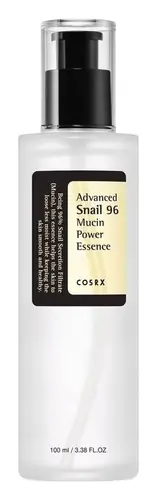
SkinBetter Science Sunbetter Tone Smart SPF 68 Sunscreen Compact Versus Bring Green Tea Tree Cica Tone Up Sun Cushion SPF 50+
This sunscreen offers SPF 68 protection with a matte finish that helps control shine.
This hybrid sunscreen covers the full UV range and blocks ~98% of UVB at SPF 50.


What's inside
What's inside
 Key Ingredients
Benefits
Concerns
Ingredients Side-by-side
1,2-Hexanediol
Skin Conditioning
Acrylates/Dimethicone Copolymer
Skin Conditioning
Alumina
Abrasive
Bis-Vinyl Dimethicone/Dimethicone Copolymer
Emulsion Stabilising
Bisabolol
Antioxidant




Brassica Campestris Sterols
EmollientButyloctyl Salicylate
Skin Conditioning

Caprylic/Capric Triglyceride
Masking
Caprylyl Glycol
Emollient
Cerium Oxide
Cetylhydroxyproline Palmitamide
Skin ConditioningDimethicone
Emollient
Dimethicone/Vinyl Dimethicone Crosspolymer
Skin Conditioning
Disteardimonium Hectorite
StabilisingEthylhexylglycerin
Skin ConditioningHexyldecanol
Emollient
Himanthalia Elongata Extract
Skin Protecting
Hydrogenated Vegetable Oil
Emollient




Iron Oxides
Laureth-25
CleansingLaureth-3
EmulsifyingMica
Cosmetic ColorantOctyldodecyl Neopentanoate
EmollientOzokerite
Emulsion StabilisingPhenethyl Alcohol
MaskingPhenoxyethanol
Preservative
Phenyl Trimethicone
Skin Conditioning
Plankton Extract
Skin ConditioningPolyethylene
Abrasive
Polyhydroxystearic Acid
Emulsifying
Polymethyl Methacrylate

Prunus Armeniaca Kernel Oil
Masking
Silica
Abrasive
Simethicone
Emollient
Sodium Chloride
MaskingStearic Acid
Cleansing
Tocopherol
Antioxidant



Tocopheryl Acetate
Antioxidant
Tribehenin
Emollient
Triethoxycaprylylsilane
Vinyl Dimethicone/Methicone Silsesquioxane Crosspolymer
Water
Skin ConditioningZingiber Officinale Root Extract
Masking
1,2-Hexanediol, Acrylates/Dimethicone Copolymer, Alumina, Bis-Vinyl Dimethicone/Dimethicone Copolymer, Bisabolol, Brassica Campestris Sterols, Butyloctyl Salicylate, Caprylic/Capric Triglyceride, Caprylyl Glycol, Cerium Oxide, Cetylhydroxyproline Palmitamide, Dimethicone, Dimethicone/Vinyl Dimethicone Crosspolymer, Disteardimonium Hectorite, Ethylhexylglycerin, Hexyldecanol, Himanthalia Elongata Extract, Hydrogenated Vegetable Oil, Iron Oxides, Laureth-25, Laureth-3, Mica, Octyldodecyl Neopentanoate, Ozokerite, Phenethyl Alcohol, Phenoxyethanol, Phenyl Trimethicone, Plankton Extract, Polyethylene, Polyhydroxystearic Acid, Polymethyl Methacrylate, Prunus Armeniaca Kernel Oil, Silica, Simethicone, Sodium Chloride, Stearic Acid, Tocopherol, Tocopheryl Acetate, Tribehenin, Triethoxycaprylylsilane, Vinyl Dimethicone/Methicone Silsesquioxane Crosspolymer, Water, Zingiber Officinale Root Extract
Water
Skin ConditioningZinc Oxide
Cosmetic Colorant
Butylene Glycol Dicaprylate/Dicaprate
EmollientCaprylyl Methicone
Skin Conditioning
Titanium Dioxide
Cosmetic Colorant
Methyl Trimethicone
Skin Conditioning
Butyloctyl Salicylate
Skin Conditioning
Propanediol
Solvent
Lauryl Polyglyceryl-3 Polydimethylsiloxyethyl Dimethicone
Skin Conditioning
Glycerin
Humectant
Niacinamide
Smoothing


Boron Nitride
Absorbent
Trimethylsiloxysilicate
Emollient
Dimer Dilinoleyl Dimer Dilinoleate
EmollientDiisostearyl Malate
EmollientCentella Asiatica Extract
Cleansing
Melaleuca Alternifolia Leaf Extract
Perfuming
Melaleuca Alternifolia Flower/Leaf/Stem Extract
Skin ConditioningCryptomeria Japonica Leaf Extract
HumectantNelumbo Nucifera Leaf Extract
Skin ConditioningMelaleuca Alternifolia Leaf Oil
Antioxidant

Magnesium Sulfate
Disteardimonium Hectorite
StabilisingMethyl Methacrylate Crosspolymer
Stearic Acid
Cleansing
Aluminum Hydroxide
EmollientTriethoxycaprylylsilane
Isododecane
Emollient1,2-Hexanediol
Skin Conditioning
Bis-Hydroxypropyl Dimethicone/Smdi Copolymer
Emollient
Sorbitan Caprylate
EmulsifyingGlyceryl Caprylate
EmollientCaprylyl Glycol
Emollient
Butylene Glycol
Humectant
Ethylhexylglycerin
Skin ConditioningAdenosine
Skin Conditioning
Tocopherol
Antioxidant
Madecassoside
Antioxidant
Saccharomyces Ferment Filtrate
Humectant
Chromium Oxide Greens
Water, Zinc Oxide, Butylene Glycol Dicaprylate/Dicaprate, Caprylyl Methicone, Titanium Dioxide, Methyl Trimethicone, Butyloctyl Salicylate, Propanediol, Lauryl Polyglyceryl-3 Polydimethylsiloxyethyl Dimethicone, Glycerin, Niacinamide, Boron Nitride, Trimethylsiloxysilicate, Dimer Dilinoleyl Dimer Dilinoleate, Diisostearyl Malate, Centella Asiatica Extract, Melaleuca Alternifolia Leaf Extract, Melaleuca Alternifolia Flower/Leaf/Stem Extract, Cryptomeria Japonica Leaf Extract, Nelumbo Nucifera Leaf Extract, Melaleuca Alternifolia Leaf Oil, Magnesium Sulfate, Disteardimonium Hectorite, Methyl Methacrylate Crosspolymer, Stearic Acid, Aluminum Hydroxide, Triethoxycaprylylsilane, Isododecane, 1,2-Hexanediol, Bis-Hydroxypropyl Dimethicone/Smdi Copolymer, Sorbitan Caprylate, Glyceryl Caprylate, Caprylyl Glycol, Butylene Glycol, Ethylhexylglycerin, Adenosine, Tocopherol, Madecassoside, Saccharomyces Ferment Filtrate, Chromium Oxide Greens
Reviews
Ingredients Explained
These ingredients are found in both products.
Ingredients higher up in an ingredient list are typically present in a larger amount.
1,2-Hexanediol is a synthetic liquid and another multi-functional powerhouse.
It is a:
- Humectant, drawing moisture into the skin
- Emollient, helping to soften skin
- Solvent, dispersing and stabilizing formulas
- Preservative booster, enhancing the antimicrobial activity of other preservatives
Butyloctyl Salicylate is a chemical UV filter structurally similar to octisalate. It is a photostabilizer, SPF booster, emollient and solvent. This ingredient helps evenly spread out ingredients.
According to a manufacturer, it is suitable for pairing with micro Titanium Dioxide, Zinc Oxide, and pigments.
Photostabilizers help stabilize UV-filters and prevents them from degrading quickly.
Learn more about Butyloctyl SalicylateCaprylyl Glycol is a humectant, skin conditioner, emollient, and preservative booster derived from either caprylic acid or synthetically created.
Typical use levels vary from 0.3-1% as a preservative booster and go up to 2% to condition skin.
Because it is not a free-fatty acid, this ingredient is fungal acne safe (there's nothing for Malassezia to feed on).
Learn more about Caprylyl GlycolDisteardimonium Hectorite comes from the clay mineral named hectorite. It is used to add thickness to a product.
It can also help stabilize a product by helping to disperse other ingredients.
Hectorite is a rare, white clay mineral.
Learn more about Disteardimonium HectoriteEthylhexylglycerin is created from glycerin. It is a multitasker ingredient that:
The CIR Expert Panel found minimal skin absorption or sensitization of any kind in a safety assessment. Though this ingredient is considered well-tolerated, a small number of cases of allergic dermatitis have been published since 2002. Just be sure to patch test if you are unsure.
Industry-reported use ranges from 8% in rinse-off products and 2% in leave-on formulations.
Learn more about EthylhexylglycerinStearic Acid is a fatty acid that is already found in your skin. It's one of the free fatty acids that works alongside ceramides and cholesterols to maintain your barrier.
In cosmetics, it is a multitasker:
Safety-wise, the CIR Expert Panel has concluded it to be safe in cosmetics when formulated to be non-irritating and non-sensitizing.
Free stearic acid is a C18 fatty acid that the Malassezia yeast can substrate, so this ingredient may not be fungal acne safe.
Learn more about Stearic AcidTocopherol is a fat-soluble antioxidant known as Vitamin E.
You'll find this ingredient in the vast majority of skincare (for good reason). It works to neutralize free radicals, or unstable molecules generated by UV exposure, pollution, and other environmental stressors, before they can cause oxidative damage to your skin cells.
Topically applied tocopherol has been shown to protect against UV damage by ramping up the skin's own natural defense enzymes.
It also acts as a skin conditioning agent; some studies show that regular topical use can improve the skin's water-binding capacity over 2-4 weeks.
This ingredient is especially loved for being a team player. When combined with Vitamin C, the photoprotective effect of both ingredients roughly doubles and the combo also helps reduce UV-induced DNA damage.
This ingredient has some brightening potential but it's more of a prevention ingredient than spot-fader. Cell studies show it can slow down melanin production but it's worth noting that it's not the most powerful brightener out there.
In formulations, it also serves as a stabilizer that helps protect other oxidation-prone ingredients from degrading.
Concentrations usually range from 0.1-1% in most leave-on products.
Learn more about TocopherolTriethoxycaprylylsilane is a silicon-based surface modifier that makes sunscreens feel silky and makeup stay put.
Its main job is to coat mineral particles like titanium dioxide, zinc oxide, and color pigments in a thin, oily layer so they spread smoothly, don't clump, and stick to skin better.
This ingredient is typically used at low levels (up to 2.5% in eyeshadow and 1% in lipstick).
Learn more about TriethoxycaprylylsilaneWater. It's the most common cosmetic ingredient of all. You'll usually see it at the top of ingredient lists, meaning that it makes up the largest part of the product.
So why is it so popular? Water most often acts as a solvent - this means that it helps dissolve other ingredients into the formulation.
You'll also recognize water as that liquid we all need to stay alive. If you see this, drink a glass of water. Remember to stay hydrated!
Learn more about Water