This anti-aging eye moisturizer is formulated around Bakuchiol and Acetyl Hexapeptide-8 to soften the look of wrinkles and hydrate skin.
This anti-aging eye moisturizer is formulated around Palmitoyl Pentapeptide-4 and Dipeptide Diaminobutyroyl Benzylamide Diacetate to soften the look of wrinkles and refine skin texture.


What's inside
What's inside
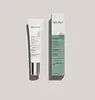 Key Ingredients
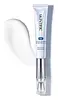
Benefits
Concerns
Ingredients Side-by-side
Water
Skin ConditioningButyrospermum Parkii Butter
Skin Conditioning






Caprylic/Capric Triglyceride
Masking
Hydrolyzed Yeast Extract
Skin ConditioningBetaine
Humectant
Bakuchiol
Antimicrobial








Acetyl Hexapeptide-8
Humectant
Collagen
Moisturising
Allantoin
Skin Conditioning
Phenoxyethanol
Preservative
Glyceryl Citrate/Lactate/Linoleate/Oleate
Emulsifying
Acrylates/C10-30 Alkyl Acrylate Crosspolymer
Emulsion StabilisingPersea Gratissima Oil
Skin Conditioning
Camelina Sativa Seed Oil
Skin Conditioning
Tocopheryl Acetate
Antioxidant
Avena Sativa Kernel Flour
Abrasive
Avena Sativa Kernel Oil
Skin Conditioning
Brassica Campestris Seed Oil
Skin Conditioning
Trisodium Ethylenediamine Disuccinate
ChelatingSodium Hydroxide
BufferingCaprylyl Glycol
Emollient
Carbomer
Emulsion StabilisingOpuntia Ficus-Indica Flower Extract
Skin ConditioningEthylhexylglycerin
Skin ConditioningBiosaccharide Gum-1
Humectant
Cetyl Hydroxyethylcellulose
Emulsion StabilisingPolyglucuronic Acid
Skin ConditioningLeuconostoc/Radish Root Ferment Filtrate
Antimicrobial
Sodium Benzoate
Masking
Potassium Sorbate
Preservative
Lecithin
Emollient
Inositol
Humectant
Water, Butyrospermum Parkii Butter, Caprylic/Capric Triglyceride, Hydrolyzed Yeast Extract, Betaine, Bakuchiol, Acetyl Hexapeptide-8, Collagen, Allantoin, Phenoxyethanol, Glyceryl Citrate/Lactate/Linoleate/Oleate, Acrylates/C10-30 Alkyl Acrylate Crosspolymer, Persea Gratissima Oil, Camelina Sativa Seed Oil, Tocopheryl Acetate, Avena Sativa Kernel Flour, Avena Sativa Kernel Oil, Brassica Campestris Seed Oil, Trisodium Ethylenediamine Disuccinate, Sodium Hydroxide, Caprylyl Glycol, Carbomer, Opuntia Ficus-Indica Flower Extract, Ethylhexylglycerin, Biosaccharide Gum-1, Cetyl Hydroxyethylcellulose, Polyglucuronic Acid, Leuconostoc/Radish Root Ferment Filtrate, Sodium Benzoate, Potassium Sorbate, Lecithin, Inositol
Water
Skin ConditioningMaris Aqua
HumectantPropanediol
Solvent
Coco-Caprylate/Caprate
Emollient
Glycerin
Humectant
Cyclopentasiloxane
Emollient
Cetyl Alcohol
Emollient
Erythritol
Humectant
Dimethicone
Emollient
Limnanthes Alba Seed Oil
Skin Conditioning
Cyclohexasiloxane
Emollient
Glyceryl Stearate
Emollient
Hydroxyacetophenone
Antioxidant
1,2-Hexanediol
Skin Conditioning
Tocopheryl Acetate
Antioxidant
Phytosteryl/Octyldodecyl Lauroyl Glutamate
Skin ConditioningPEG-75 Stearate
Surfactant
Ammonium Acryloyldimethyltaurate/Vp Copolymer
Steareth-20
CleansingCeteth-20
CleansingButylene Glycol
Humectant
Palmitoyl Pentapeptide-4
Skin Conditioning
Dipeptide Diaminobutyroyl Benzylamide Diacetate
Skin Conditioning
Acetyl Tetrapeptide-5
Humectant
Niacinamide
Smoothing


Caffeine
Skin Conditioning
Xanthan Gum
EmulsifyingTrehalose
Humectant
Sophora Flavescens Root Extract
Antioxidant
Dendrobium Nobile Stem Extract
Skin ConditioningPentylene Glycol
Skin Conditioning
Sodium Hyaluronate
Humectant
Pentaerythrityl Tetra-Di-T-Butyl Hydroxyhydrocinnamate
Antioxidant
Ophiopogon Japonicus Root Extract
Skin ConditioningOpuntia Ficus-Indica Stem Extract
Skin Conditioning
Aloe Barbadensis Leaf Extract
Emollient
Disodium EDTA
ChelatingLycium Barbarum Fruit Extract
Astringent
Echinacea Purpurea Extract
MoisturisingPalmaria Palmata Extract
Skin Protecting
Polysorbate 20
Emulsifying
Hydrogenated Lecithin
Emulsifying
Carbomer
Emulsion StabilisingCeramide NP
Skin Conditioning
Tocopherol
Antioxidant
Arginine
Masking
Ceramide Ns
Skin Conditioning
Ceramide Ng
Skin Conditioning
Ceramide As
Skin Conditioning
Ceramide EOP
Skin Conditioning
Ceramide AP
Skin Conditioning
Water, Maris Aqua, Propanediol, Coco-Caprylate/Caprate, Glycerin, Cyclopentasiloxane, Cetyl Alcohol, Erythritol, Dimethicone, Limnanthes Alba Seed Oil, Cyclohexasiloxane, Glyceryl Stearate, Hydroxyacetophenone, 1,2-Hexanediol, Tocopheryl Acetate, Phytosteryl/Octyldodecyl Lauroyl Glutamate, PEG-75 Stearate, Ammonium Acryloyldimethyltaurate/Vp Copolymer, Steareth-20, Ceteth-20, Butylene Glycol, Palmitoyl Pentapeptide-4, Dipeptide Diaminobutyroyl Benzylamide Diacetate, Acetyl Tetrapeptide-5, Niacinamide, Caffeine, Xanthan Gum, Trehalose, Sophora Flavescens Root Extract, Dendrobium Nobile Stem Extract, Pentylene Glycol, Sodium Hyaluronate, Pentaerythrityl Tetra-Di-T-Butyl Hydroxyhydrocinnamate, Ophiopogon Japonicus Root Extract, Opuntia Ficus-Indica Stem Extract, Aloe Barbadensis Leaf Extract, Disodium EDTA, Lycium Barbarum Fruit Extract, Echinacea Purpurea Extract, Palmaria Palmata Extract, Polysorbate 20, Hydrogenated Lecithin, Carbomer, Ceramide NP, Tocopherol, Arginine, Ceramide Ns, Ceramide Ng, Ceramide As, Ceramide EOP, Ceramide AP
Reviews
Ingredients Explained
These ingredients are found in both products.
Ingredients higher up in an ingredient list are typically present in a larger amount.
Carbomer is a synthetic thickening and gelling agent. It's basically the ingredient that gives a lot of serums, gels, creams, and sunscreens their smooth, non-sticky texture.
Although legally permitted at very high levels, carbomers are normally used at concentrations below 1%.
It also needs to be neutralized to actually thicken, and because it is a large molecule, it doesn't really penetrate the skin barrier.
Allergy-wise, the risk is very low. Clinical studies show carbomers have low potential for skin irritation/sensitization even at concentrations up to 100%.
A 2024 UK study patch-tested 1,302 patients and found true allergy to the parent group of carbomer to be rare with no confirmed relevant reactions.
Learn more about CarbomerTocopheryl Acetate is a stable, shelf-friendly form of vitamin E.
Formulators love it because plain vitamin E oxidizes quickly once it hits air. This acetate version stays stable and resists going off, helping to extend a product's shelf life.
It's actually inactive on its own and works like a slow-release "storage" form; the enzymes in your skin called esterases gradually convert it into active vitamin E over time.
One in vivo study showed 5% of the acetate in the living layer of the epidermis converted to vitamin E after 5 days of application. This study also found the skin gained protection against UV damage even though the conversion was slow and small.
Once converted, vitamin E acts as a skin's main fat-soluble antioxidant that fights free radicals to protect skin from damage.
Topical vitamin E generally boosts the skin's photoprotection, and it reduced UV-damage in animal models.
This ingredient has some brightening potential but it's more of a prevention ingredient than spot-fader. Cell studies show it can slow down melanin production but it's worth noting that it's not the most powerful brightener out there.
Overall, it has a pretty solid safety profile and has been found to be non-irritating and non-comedogenic. Allergic reactions may happen but stay rare due to how widely the ingredient gets used.
The concentration will vary depending on the formula; industry data shows 0.1% in baby lotions, 3% in lipsticks, and 5% in foot powders. You can also find this ingredient at 100% in a pure vitamin E oil.
Most leave-on skincare keeps it at the lower end, often between 0.5-1%.
Learn more about Tocopheryl AcetateWater. It's the most common cosmetic ingredient of all. You'll usually see it at the top of ingredient lists, meaning that it makes up the largest part of the product.
So why is it so popular? Water most often acts as a solvent - this means that it helps dissolve other ingredients into the formulation.
You'll also recognize water as that liquid we all need to stay alive. If you see this, drink a glass of water. Remember to stay hydrated!
Learn more about Water

