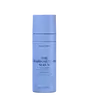
This brightening serum is formulated around Niacinamide and 3-O-Ethyl Ascorbic Acid to fade the look of dark spots and brighten dull-looking skin.
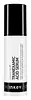
This brightening serum is formulated around Ascorbyl Glucoside and Tranexamic Acid to fade the look of dark spots and brighten dull-looking skin.

What's inside
What's inside
 Key Ingredients
Benefits
Concerns
Ingredients Side-by-side
Water
Skin ConditioningNiacinamide
Smoothing











Caprylic/Capric Triglyceride
Masking

Propanediol
Solvent
Dimethicone
Emollient
Glycerin
Humectant
Acetyl Glycyl Beta-Alanine
Skin ConditioningPotassium Cetyl Phosphate
EmulsifyingHelianthus Annuus Seed Oil
Emollient


3-O-Ethyl Ascorbic Acid
Skin Conditioning
Ethyl Linoleate
Emollient

Hexylresorcinol
Antimicrobial
Hydroxyethyl Acrylate/Sodium Acryloyldimethyl Taurate Copolymer
Emulsion StabilisingPolysilicone-11
Cetyl Alcohol
Emollient
Benzyl Alcohol
Perfuming




Carthamus Tinctorius Seed Oil
Masking
Morus Alba Leaf Extract
Skin ConditioningButyrospermum Parkii Butter
Skin Conditioning

Polyisobutene
Squalane
Emollient
Tocopheryl Acetate
Antioxidant

Tetrahydrodiferuloylmethane
Antioxidant
Evodia Rutaecarpa Fruit Extract
Skin ConditioningBetula Alba Bark Extract
Masking
Boswellia Serrata Extract
Skin Conditioning
Centella Asiatica Extract
Cleansing
Polygonum Cuspidatum Root Extract
Antioxidant
Tetrapeptide-30
Skin Conditioning
Glyceryl Stearate
Emollient
Coco-Glucoside
Cleansing
Sodium Hydroxide
BufferingTrisodium Ethylenediamine Disuccinate
ChelatingCaprylhydroxamic Acid
ChelatingXanthan Gum
EmulsifyingPEG-7 Trimethylolpropane Coconut Ether
Emulsifying
Sorbitan Isostearate
Emulsifying
Phenoxyethanol
Preservative
Sodium Benzoate
Masking
Water, Niacinamide, Caprylic/Capric Triglyceride, Propanediol, Dimethicone, Glycerin, Acetyl Glycyl Beta-Alanine, Potassium Cetyl Phosphate, Helianthus Annuus Seed Oil, 3-O-Ethyl Ascorbic Acid, Ethyl Linoleate, Hexylresorcinol, Hydroxyethyl Acrylate/Sodium Acryloyldimethyl Taurate Copolymer, Polysilicone-11, Cetyl Alcohol, Benzyl Alcohol, Carthamus Tinctorius Seed Oil, Morus Alba Leaf Extract, Butyrospermum Parkii Butter, Polyisobutene, Squalane, Tocopheryl Acetate, Tetrahydrodiferuloylmethane, Evodia Rutaecarpa Fruit Extract, Betula Alba Bark Extract, Boswellia Serrata Extract, Centella Asiatica Extract, Polygonum Cuspidatum Root Extract, Tetrapeptide-30, Glyceryl Stearate, Coco-Glucoside, Sodium Hydroxide, Trisodium Ethylenediamine Disuccinate, Caprylhydroxamic Acid, Xanthan Gum, PEG-7 Trimethylolpropane Coconut Ether, Sorbitan Isostearate, Phenoxyethanol, Sodium Benzoate
Water
Skin ConditioningButylene Glycol
Humectant
Glycerin
Humectant
Ascorbyl Glucoside
Antioxidant
Tranexamic Acid
Astringent
Euterpe Oleracea Fruit Extract
1-Methylhydantoin-2-Imide
Skin ConditioningSodium Acrylates Copolymer
Phenoxyethanol
Preservative
Carbomer
Emulsion StabilisingSodium Hydroxide
BufferingCetearyl Olivate
Benzyl Alcohol
Perfuming
Sorbitan Olivate
Emulsifying
Hydroxyethyl Acrylate/Sodium Acryloyldimethyl Taurate Copolymer
Emulsion StabilisingLecithin
Emollient
Squalane
Emollient
Ethylhexylglycerin
Skin ConditioningSodium Gluconate
ChelatingPolysorbate 60
Emulsifying
Dehydroacetic Acid
Preservative
Lactobacillus Ferment
Skin Conditioning
Sorbitan Isostearate
Emulsifying
Water, Butylene Glycol, Glycerin, Ascorbyl Glucoside, Tranexamic Acid, Euterpe Oleracea Fruit Extract, 1-Methylhydantoin-2-Imide, Sodium Acrylates Copolymer, Phenoxyethanol, Carbomer, Sodium Hydroxide, Cetearyl Olivate, Benzyl Alcohol, Sorbitan Olivate, Hydroxyethyl Acrylate/Sodium Acryloyldimethyl Taurate Copolymer, Lecithin, Squalane, Ethylhexylglycerin, Sodium Gluconate, Polysorbate 60, Dehydroacetic Acid, Lactobacillus Ferment, Sorbitan Isostearate
Reviews
Ingredients Explained
These ingredients are found in both products.
Ingredients higher up in an ingredient list are typically present in a larger amount.
Benzyl Alcohol is an aromatic alcohol with several roles: it's a preservative, solvent, and mild fragrance component with a floral scent.
This ingredient has been deemed safe for use in cosmetic formulations at concentrations up to 5%, and up to 10% in hair dyes. You'll typically see 0.5-2% in most rinse-off or leave-on products.
As a preservative, it works by disrupting the membrane of microbial proteins. This helps keep bacteria and fungi from growing in your products.
The sensitization picture is actually quite assuring as well:of nearly 71,000 patients patch tested with benzyl alcohol, only 0.21% showed a positive reaction with most of them being weakly positive.
This led researchers to conclude that benzyl alcohol cannot be regarded as a significant contact allergen.
It is worth noting this ingredient is classified as one of the EU's regulated fragrance allergens and restricted to 1% in finished products.
Labels must also declare it in concentrations above 0.001% in leave-on products and 0.01% in rinse-off products.
At concentrations around 5%, localized redness and itching can appear as a direct irritant response and not as a true allergic reaction.
Learn more about Benzyl AlcoholGlycerin (or glycerol) is a compound naturally found in your skin. It's a powerhouse humectant that pulls water into the stratum corneum.
Topically, glycerin does several things at once:
Your skin makes glycerin on its own (mostly from sebaceous oil breakdown) and shuttles it to your outermost layer of skin, or your epidermis, via aquaporin-3.
Aquaporin-3 is a transporter that is essential for normal skin hydration, elasticity, and repair. Interestingly, mice lacking in AQP3 have dry and less elastic skin that can be fully corrected with glycerin.
This ingredient is non-irritating, plays well with almost every ingredient, and works across all skin types. Typical use is anywhere between 3-10% but can go up to 79% in some leave-on products.
Just know very high concentrations (>40%) can feel tacky in low humidity.
Glycerin is the name for this ingredient in American English. British English uses Glycerol/Glycerine.
Learn more about GlycerinThis is a synthetic polymer. It helps improve the texture of products by adding thickness and gel-like feel.
It is also an emulsifer, meaning it prevents ingredients such as oil and water from separating. It also helps evenly disperse other ingredients.
Phenoxyethanol is one of the most widely used preservatives in skincare (and for good reason!).
It has a large spectrum of antimicrobial activity and especially effective bacteria, yeast, and mold while only having a weak effect on your skin's natural microbiome.
On a cellular level, it disrupts the cell membranes of microbes by poking holes that make the cell leak. This shuts down the chemical reactions the microbe needs to make energy so it can no longer survive.
Another perk of this ingredient is that it stays functional across a wide pH range (3-10).
You'll often see it paired with boosters like Ethylhexylglycerin; one study showed that a 1:9 ratio of Ethylhexylglycerin to Phenoxyethanol damages bacterial membranes as effectively as doubling the Phenoxyethanol concentration on its own.
Typical use concentrations range from 0.3-1% depending on the formula, and this ingredient is capped at 1% int the EU.
Safety-wise, the fear mongering does not hold up to the evidence. The EU's Scientific Committee on Consumer Safety and FDA consider it safe as a preservative at up to 1%, including for children of all ages.
Adverse systemic effects only showed up in animal studies at exposures roughly 200x higher than what people get from cosmetics. And despite its very widespread use, this ingredient is a rare sensitizer and allergic reactions are uncommon.
Learn more about PhenoxyethanolSodium Hydroxide is also known as lye or caustic soda. It is used to adjust the pH of products; many ingredients require a specific pH to be effective.
In small amounts, sodium hydroxide is considered safe to use. However, large amounts may cause chemical burns due to its high alkaline.
Your skin has a natural pH and acid mantle. This acid mantle helps prevent harmful bacteria from breaking through. The acid mantle also helps keep your skin hydrated.
"Alkaline" refers to a high pH level. A low pH level would be considered acidic.
Learn more about Sodium HydroxideSorbitan Isostearate is an emulsifer. It is created from isostearic acid and sorbitol.
As an emulsifier, it keeps the water and oil ingredients from separating. This keeps formulas stable and smooth.
In a 24 hour occlusive patch test on 56 subjects, 10% sorbitan isostearate was completely non-irritating. Most formulas use less than 10%.
Because it's a fatty acid ester, it may not be fungal acne safe since the Malassezia yeast can utilize it as a nutrient source.
Learn more about Sorbitan IsostearateSqualane is the hydrogenated and shelf-stable form of squalene (a lipid that naturally occurs in human sebum).
It is an emollient and skin conditioning agent that is able to integrate seamlessly into the skin's lipid barrier without clogging pores.
This is due to how structurally similar it is to what your skin already produces.
Though it is mostly an emollient that helps soften and hydrate skin, it also has some humectant and occlusive action. Humectants help the skin retain moisture while occlusives seal it in, making squalane a triple-threat moisturizer.
Research shows it has antioxidant capabilities that help protect against stressors like UV exposure, specifically UVA induced oxidative stress. This study also found that it supports collagen biosynthesis in human dermal fibroblasts.
No clinical study has reported significant adverse effects and irritation reactions are very rare from this ingredient (even at 100% concentration).
Overall, it's a fantastic ingredient for hydration and is suitable for all skin types.
This depends on the source. Squalane can be derived from both plants and animals. Most squalane used in skincare comes from plants.
Please note: the source of squalane is only known if disclosed by the brand. We recommend reaching out to the brand if you have any questions about their squalane.
Read more about squalene with an "e".
Though squalane is often called an oil, it’s technically not one. It is a hydrocarbon, meaning it is only made of carbon and hydrogen. True oils are triglycerides and made of fatty acids and glycerol.
The term “oil-free” isn’t regulated so companies can define it however they want. Some exclude all oils, while others just avoid mineral oil or comedogenic oils.
Squalane has a comedogenic rating of 1 from the original 1972 study that tested raw ingredients under occlusion on rabbit ears. This system is not standardized or peer-reviewed, and using the raw ingredients is very different from how diluted cosmetic formulations are used on human skin.
A comedogenic rating of 1 means it is "unlikely to clog pores" according to the original rating system.
The overall formula of a product matters more than the individual ingredients on whether or not it will cause clogged pores.
Learn more about SqualaneWater. It's the most common cosmetic ingredient of all. You'll usually see it at the top of ingredient lists, meaning that it makes up the largest part of the product.
So why is it so popular? Water most often acts as a solvent - this means that it helps dissolve other ingredients into the formulation.
You'll also recognize water as that liquid we all need to stay alive. If you see this, drink a glass of water. Remember to stay hydrated!
Learn more about Water

