Shiseido Future Solution LX Concentrated Brightening Softener Versus The Body Shop Vitamin E Aqua Boost Essence Lotion
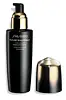
This brightening toner is formulated around 2-O-Ethyl Ascorbic Acid to brighten dull-looking skin.
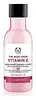
This hydrating essence is formulated around Tocopheryl Acetate and Sodium Hyaluronate to hydrate skin and strengthen the skin barrier.


What's inside
What's inside
 Key Ingredients
Benefits
Concerns
Ingredients Side-by-side
Water
Skin ConditioningGlycerin
Humectant


Dipropylene Glycol
HumectantBetaine
Humectant
Dimethicone
Emollient
Cetyl Ethylhexanoate
EmollientPEG-20
HumectantPotassium Methoxysalicylate
BleachingPiperidinepropionic Acid
Skin ConditioningTocopheryl Acetate
Antioxidant


Erythritol
Humectant
PEG/PPG-14/7 Dimethyl Ether
Skin ConditioningPEG/PPG-17/4 Dimethyl Ether
Skin ConditioningPhytosteryl/Octyldodecyl Lauroyl Glutamate
Skin ConditioningLauryl Betaine
Cleansing2-O-Ethyl Ascorbic Acid
Skin Conditioning


Xanthan Gum
EmulsifyingPrunus Speciosa Leaf Extract
Skin ConditioningAngelica Acutiloba Root Extract
Skin ConditioningChaenomeles Sinensis Fruit Extract
Antioxidant
Camellia Sinensis Leaf Extract
Antimicrobial


Isodonis Japonicus Leaf/Stalk Extract
MaskingRosa Multiflora Fruit Extract
MaskingBupleurum Falcatum Root Extract
Skin ConditioningPrunus Persica Leaf Extract
Emollient
Hydrolyzed Silk
Humectant
Sodium Acrylate/Sodium Acryloyldimethyl Taurate Copolymer
Emulsion StabilisingCarbomer
Emulsion StabilisingButylene Glycol
Humectant
Isostearic Acid
Cleansing



Isohexadecane
EmollientPEG-60 Glyceryl Isostearate
Surfactant
Potassium Hydroxide
BufferingAlcohol
Antimicrobial


PEG-10 Dimethicone
Skin Conditioning
Polysorbate 80
Emulsifying
Acrylates/C10-30 Alkyl Acrylate Crosspolymer
Emulsion StabilisingSorbitan Oleate
Emulsifying
Trisodium EDTA
ChelatingSodium Metaphosphate
BufferingLinalool
Perfuming

Limonene
Perfuming
Sodium Metabisulfite
Antioxidant
Citronellol
Perfuming
Geraniol
Perfuming
Alpha-Isomethyl Ionone
Perfuming
Benzyl Benzoate
Antimicrobial
Tocopherol
Antioxidant
Phenoxyethanol
Preservative
Sodium Benzoate
Masking
Parfum
Masking
CI 77491
Cosmetic ColorantCI 77492
Cosmetic ColorantWater, Glycerin, Dipropylene Glycol, Betaine, Dimethicone, Cetyl Ethylhexanoate, PEG-20, Potassium Methoxysalicylate, Piperidinepropionic Acid, Tocopheryl Acetate, Erythritol, PEG/PPG-14/7 Dimethyl Ether, PEG/PPG-17/4 Dimethyl Ether, Phytosteryl/Octyldodecyl Lauroyl Glutamate, Lauryl Betaine, 2-O-Ethyl Ascorbic Acid, Xanthan Gum, Prunus Speciosa Leaf Extract, Angelica Acutiloba Root Extract, Chaenomeles Sinensis Fruit Extract, Camellia Sinensis Leaf Extract, Isodonis Japonicus Leaf/Stalk Extract, Rosa Multiflora Fruit Extract, Bupleurum Falcatum Root Extract, Prunus Persica Leaf Extract, Hydrolyzed Silk, Sodium Acrylate/Sodium Acryloyldimethyl Taurate Copolymer, Carbomer, Butylene Glycol, Isostearic Acid, Isohexadecane, PEG-60 Glyceryl Isostearate, Potassium Hydroxide, Alcohol, PEG-10 Dimethicone, Polysorbate 80, Acrylates/C10-30 Alkyl Acrylate Crosspolymer, Sorbitan Oleate, Trisodium EDTA, Sodium Metaphosphate, Linalool, Limonene, Sodium Metabisulfite, Citronellol, Geraniol, Alpha-Isomethyl Ionone, Benzyl Benzoate, Tocopherol, Phenoxyethanol, Sodium Benzoate, Parfum, CI 77491, CI 77492
Water
Skin ConditioningGlycerin
Humectant
Propanediol
Solvent
Imperata Cylindrica Root Extract
Skin ConditioningPhenoxyethanol
Preservative
Caprylyl Glycol
Emollient
Acrylates/C10-30 Alkyl Acrylate Crosspolymer
Emulsion StabilisingPPG-26-Buteth-26
Skin ConditioningArgania Spinosa Kernel Oil
Emollient
Tocopheryl Acetate
Antioxidant
Triticum Vulgare Germ Oil
Emollient
Potassium Hydroxide
BufferingSodium Acrylate/Sodium Acryloyldimethyl Taurate Copolymer
Emulsion StabilisingPEG-40 Hydrogenated Castor Oil
Emulsifying
Betaine
Humectant
Disodium EDTA
ChelatingSodium Hyaluronate
Humectant
Xanthan Gum
EmulsifyingIsohexadecane
EmollientCarbomer
Emulsion StabilisingAloe Barbadensis Leaf Juice Powder
Skin Conditioning
Polysorbate 80
Emulsifying
Sodium Citrate
BufferingParfum
Masking
PEG-30 Dipolyhydroxystearate
Emulsifying
Trideceth-6
EmulsifyingSorbitan Oleate
Emulsifying
Benzyl Benzoate
Antimicrobial
Hydroxycitronellal
Perfuming
Citric Acid
Buffering
Biotin
AntiseborrhoeicWater, Glycerin, Propanediol, Imperata Cylindrica Root Extract, Phenoxyethanol, Caprylyl Glycol, Acrylates/C10-30 Alkyl Acrylate Crosspolymer, PPG-26-Buteth-26, Argania Spinosa Kernel Oil, Tocopheryl Acetate, Triticum Vulgare Germ Oil, Potassium Hydroxide, Sodium Acrylate/Sodium Acryloyldimethyl Taurate Copolymer, PEG-40 Hydrogenated Castor Oil, Betaine, Disodium EDTA, Sodium Hyaluronate, Xanthan Gum, Isohexadecane, Carbomer, Aloe Barbadensis Leaf Juice Powder, Polysorbate 80, Sodium Citrate, Parfum, PEG-30 Dipolyhydroxystearate, Trideceth-6, Sorbitan Oleate, Benzyl Benzoate, Hydroxycitronellal, Citric Acid, Biotin
Ingredients Explained
These ingredients are found in both products.
Ingredients higher up in an ingredient list are typically present in a larger amount.
Acrylates/C10-30 Alkyl Acrylate Crosspolymer is a synthetic polymer. It is used to thicken, emulsify, and improve the texture of products.
As an emulsifier, it helps stabilize oil-in-water emulsions to give products an elegant feel when applied.
It can also form a thin protective film on skin. One study found that a formula using this polymer helped slow down how quickly other ingredients (like DEET) were absorbed through skin.
A 2024 study of over 1,300 patients confirmed that sensitization to this ingredient is rare. It is also non-mutagenic and has a clean track record.
Learn more about Acrylates/C10-30 Alkyl Acrylate CrosspolymerBenzyl Benzoate is usually created from the condensation of benzoic acid and benzyl alcohol. It is used as a preservative, solvent, and has a floral/balsamic scent in large amounts.
As a preservative, Benzyl Benzoate works against bacteria and fungus. It is often used to treat scabies and lice in medicine.
Solvents are used to keep ingredients together in a product. They can help dissolve ingredients to stable bases or help evenly distribute ingredients throughout the product.
Due to its fragrance, Benzyl Benzoate can be sensitizing and may cause contact dermatitis. It is a known EU allergen. We recommend speaking with a professional if you have any concerns.
Benzyl Benzoate can be naturally found in cranberries and peaches.
Learn more about Benzyl BenzoateBetaine is a humectant. Like hyaluronic acid, it helps attract and retain moisture in the skin. It’s known for being gentle and for helping the skin maintain balanced hydration.
Betaine is mainly used to improve hydration and support calmer skin. It helps skin cells regulate water balance because it functions as an osmolyte.
Some studies suggest betaine may support making skin tone more even.
Fun fact: Betaine naturally exists in the skin and the body. In cosmetic products, it can be either plant-derived (most commonly from sugar beets) or synthetically produced for consistency and stability.
Betaine is also known as trimethylglycine.
Learn more about BetaineCarbomer is a synthetic thickening and gelling agent. It's basically the ingredient that gives a lot of serums, gels, creams, and sunscreens their smooth, non-sticky texture.
Although legally permitted at very high levels, carbomers are normally used at concentrations below 1%.
It also needs to be neutralized to actually thicken, and because it is a large molecule, it doesn't really penetrate the skin barrier.
Allergy-wise, the risk is very low. Clinical studies show carbomers have low potential for skin irritation/sensitization even at concentrations up to 100%.
A 2024 UK study patch-tested 1,302 patients and found true allergy to the parent group of carbomer to be rare with no confirmed relevant reactions.
Learn more about CarbomerGlycerin (or glycerol) is a compound naturally found in your skin. It's a powerhouse humectant that pulls water into the stratum corneum.
Topically, glycerin does several things at once:
Your skin makes glycerin on its own (mostly from sebaceous oil breakdown) and shuttles it to your outermost layer of skin, or your epidermis, via aquaporin-3.
Aquaporin-3 is a transporter that is essential for normal skin hydration, elasticity, and repair. Interestingly, mice lacking in AQP3 have dry and less elastic skin that can be fully corrected with glycerin.
This ingredient is non-irritating, plays well with almost every ingredient, and works across all skin types. Typical use is anywhere between 3-10% but can go up to 79% in some leave-on products.
Just know very high concentrations (>40%) can feel tacky in low humidity.
Glycerin is the name for this ingredient in American English. British English uses Glycerol/Glycerine.
Learn more about GlycerinIsohexadecane is added to enhance texture, emulsify, and to help cleanse. It is an isoparrafin. It is a component of petrolatum.
Due to its large size, Isohexadecane is not absorbed by the skin. Instead, it sits on top and acts as an emollient. Emollients help keep your skin soft and smooth by trapping moisture within.
Isohexadecane is often used in products designed to help oily skin. It is lightweight and non-greasy while helping to moisturize. When mixed with silicones, it gives a product a silky feel.
Learn more about IsohexadecaneParfum is a catch-all term for an ingredient or more that is used to give a scent to products.
Also called "fragrance", this ingredient can be a blend of hundreds of chemicals or plant oils. This means every product with "fragrance" or "parfum" in the ingredients list is a different mixture.
For instance, Habanolide is a proprietary trade name for a specific aroma chemical. When used as a fragrance ingredient in cosmetics, most aroma chemicals fall under the broad labeling category of “FRAGRANCE” or “PARFUM” according to EU and US regulations.
The term 'parfum' or 'fragrance' is not regulated in many countries. In many cases, it is up to the brand to define this term.
For instance, many brands choose to label themselves as "fragrance-free" because they are not using synthetic fragrances. However, their products may still contain ingredients such as essential oils that are considered a fragrance by INCI standards.
One example is Calendula flower extract. Calendula is an essential oil that still imparts a scent or 'fragrance'.
Depending on the blend, the ingredients in the mixture can cause allergies and sensitivities on the skin. Some ingredients that are known EU allergens include linalool and citronellol.
Parfum can also be used to mask or cover an unpleasant scent.
The bottom line is: not all fragrances/parfum/ingredients are created equally. If you are worried about fragrances, we recommend taking a closer look at an ingredient. And of course, we always recommend speaking with a professional.
Learn more about ParfumPhenoxyethanol is one of the most widely used preservatives in skincare (and for good reason!).
It has a large spectrum of antimicrobial activity and especially effective bacteria, yeast, and mold while only having a weak effect on your skin's natural microbiome.
On a cellular level, it disrupts the cell membranes of microbes by poking holes that make the cell leak. This shuts down the chemical reactions the microbe needs to make energy so it can no longer survive.
Another perk of this ingredient is that it stays functional across a wide pH range (3-10).
You'll often see it paired with boosters like Ethylhexylglycerin; one study showed that a 1:9 ratio of Ethylhexylglycerin to Phenoxyethanol damages bacterial membranes as effectively as doubling the Phenoxyethanol concentration on its own.
Typical use concentrations range from 0.3-1% depending on the formula, and this ingredient is capped at 1% int the EU.
Safety-wise, the fear mongering does not hold up to the evidence. The EU's Scientific Committee on Consumer Safety and FDA consider it safe as a preservative at up to 1%, including for children of all ages.
Adverse systemic effects only showed up in animal studies at exposures roughly 200x higher than what people get from cosmetics. And despite its very widespread use, this ingredient is a rare sensitizer and allergic reactions are uncommon.
Learn more about PhenoxyethanolPolysorbate 80 is a synthetic surfactant and emulsifier derived from sorbitol and oleic acid.
It reduces the surface tension between oil and water phases to help them stay mixed and stable in a formulation. In other words, it prevents your formulas from separating into an oily mess.
The CIR Expert Panel has evaluated the scientific data and found this ingredient to be safe, non-irritating, and non-sensitizing at concentrations up to 5% (it's even approved by the FDA as an OTC eye drop ingredient).
Learn more about Polysorbate 80Potassium Hydroxide (also known as potash) is a strong alkaline ingredient that does one job: it nudges a product's pH up so the whole formula lands in a skin-friendly range.
It's also the base that turns oils into liquid soap during the soap making process.
An expert safety panel reviewed it and found it safe when formulations are made to be non-irritating.
As a pH adjuster, it's typically used well under 1% though regulatory caps go much higher: 5% in nail cuticle removers and 2-4.5% in hair straighteners.
Though there is some concern for irritation from raw or high pH material, a well-balanced formula will be a non-issue for the vast majority of people.
Learn more about Potassium HydroxideThis long ingredient is a copolymer of sodium acrylate and sodium acryloyldimethyl taurate monomers.
It is used to help stabilize other ingredients and create a thicker gel-like texture.
Emulsifiers prevent oils and waters from separating.
Learn more about Sodium Acrylate/Sodium Acryloyldimethyl Taurate CopolymerSorbitan Oleate is a PEG-free emulsifier made by esterifying sorbitol with oleic acid.
You'll likely see it paired with Polysorbate 80 to create the right emulsification balance.
Typical use levels in formulas range from 2-10%.
The CIR Expert Panel has concluded this ingredient to be safe as a cosmetic ingredient.
Since this ingredient is an ester of oleic acid, it may not be fungal acne safe. Oleic acid is a fatty acid that falls into the C11-24 range that Malassezia can metabolize.
Learn more about Sorbitan OleateTocopheryl Acetate is a stable, shelf-friendly form of vitamin E.
Formulators love it because plain vitamin E oxidizes quickly once it hits air. This acetate version stays stable and resists going off, helping to extend a product's shelf life.
It's actually inactive on its own and works like a slow-release "storage" form; the enzymes in your skin called esterases gradually convert it into active vitamin E over time.
One in vivo study showed 5% of the acetate in the living layer of the epidermis converted to vitamin E after 5 days of application. This study also found the skin gained protection against UV damage even though the conversion was slow and small.
Once converted, vitamin E acts as a skin's main fat-soluble antioxidant that fights free radicals to protect skin from damage.
Topical vitamin E generally boosts the skin's photoprotection, and it reduced UV-damage in animal models.
This ingredient has some brightening potential but it's more of a prevention ingredient than spot-fader. Cell studies show it can slow down melanin production but it's worth noting that it's not the most powerful brightener out there.
Overall, it has a pretty solid safety profile and has been found to be non-irritating and non-comedogenic. Allergic reactions may happen but stay rare due to how widely the ingredient gets used.
The concentration will vary depending on the formula; industry data shows 0.1% in baby lotions, 3% in lipsticks, and 5% in foot powders. You can also find this ingredient at 100% in a pure vitamin E oil.
Most leave-on skincare keeps it at the lower end, often between 0.5-1%.
Learn more about Tocopheryl AcetateWater. It's the most common cosmetic ingredient of all. You'll usually see it at the top of ingredient lists, meaning that it makes up the largest part of the product.
So why is it so popular? Water most often acts as a solvent - this means that it helps dissolve other ingredients into the formulation.
You'll also recognize water as that liquid we all need to stay alive. If you see this, drink a glass of water. Remember to stay hydrated!
Learn more about WaterXanthan gum is used as a stabilizer and thickener within cosmetic products. It helps give products a sticky, thick feeling - preventing them from being too runny.
On the technical side of things, xanthan gum is a polysaccharide - a combination consisting of multiple sugar molecules bonded together.
Xanthan gum is a pretty common and great ingredient. It is a natural, non-toxic, non-irritating ingredient that is also commonly used in food products.
Learn more about Xanthan Gum

