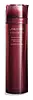
This brightening essence is formulated around Lactobacillus/Rice Ferment and 2-O-Ethyl Ascorbic Acid to brighten dull-looking skin.

What's inside
What's inside
 Key Ingredients
Benefits
Concerns
Ingredients Side-by-side
Water
Skin ConditioningAlcohol
Antimicrobial




Dipropylene Glycol
HumectantButylene Glycol
Humectant

Glycerin
Humectant
Diglycerin
Humectant
PEG/PPG-14/7 Dimethyl Ether
Skin ConditioningPotassium Methoxysalicylate
BleachingLactobacillus/Rice Ferment
Skin Conditioning
PEG-60 Hydrogenated Castor Oil
Emulsifying
Diphenylsiloxy Phenyl Trimethicone
Skin Conditioning
2-O-Ethyl Ascorbic Acid
Skin Conditioning



Erythritol
Humectant
Dipotassium Glycyrrhizate
Humectant

Xanthan Gum
EmulsifyingSodium Polyacrylate
Absorbent
Citrus Junos Fruit Extract
Skin ConditioningSodium Acetylated Hyaluronate
Humectant

Sodium Hyaluronate
Humectant
Hamamelis Virginiana Leaf Extract
Skin Conditioning
Carbomer
Emulsion StabilisingPolyglyceryl-2 Diisostearate
Emulsifying
Potassium Hydroxide
BufferingDisodium EDTA
ChelatingIsostearyl Alcohol
Emollient
Isostearic Acid
Cleansing
Sodium Citrate
BufferingCitric Acid
Buffering
Linalool
Perfuming

Geraniol
Perfuming
Hexyl Cinnamal
Perfuming
Citronellol
Perfuming
Sodium Metabisulfite
Antioxidant

Alpha-Isomethyl Ionone
Perfuming
Limonene
Perfuming
Phenoxyethanol
Preservative
Parfum
Masking
CI 17200
Cosmetic ColorantCI 19140
Cosmetic ColorantWater, Alcohol, Dipropylene Glycol, Butylene Glycol, Glycerin, Diglycerin, PEG/PPG-14/7 Dimethyl Ether, Potassium Methoxysalicylate, Lactobacillus/Rice Ferment, PEG-60 Hydrogenated Castor Oil, Diphenylsiloxy Phenyl Trimethicone, 2-O-Ethyl Ascorbic Acid, Erythritol, Dipotassium Glycyrrhizate, Xanthan Gum, Sodium Polyacrylate, Citrus Junos Fruit Extract, Sodium Acetylated Hyaluronate, Sodium Hyaluronate, Hamamelis Virginiana Leaf Extract, Carbomer, Polyglyceryl-2 Diisostearate, Potassium Hydroxide, Disodium EDTA, Isostearyl Alcohol, Isostearic Acid, Sodium Citrate, Citric Acid, Linalool, Geraniol, Hexyl Cinnamal, Citronellol, Sodium Metabisulfite, Alpha-Isomethyl Ionone, Limonene, Phenoxyethanol, Parfum, CI 17200, CI 19140
Water
Skin ConditioningDiphenylsiloxy Phenyl Trimethicone
Skin Conditioning
Dipropylene Glycol
HumectantGlycerin
Humectant
Ethylhexyl Methoxycinnamate
UV Absorber

Alcohol Denat.
Antimicrobial
PEG-8
HumectantNiacinamide
Smoothing



PEG-60 Hydrogenated Castor Oil
Emulsifying
Isostearic Acid
Cleansing
Polyglyceryl-6 Polyricinoleate
Emulsifying
Lactobacillus/Rice Ferment
Skin Conditioning
Ammonium Acryloyldimethyltaurate/Beheneth-25 Methacrylate Crosspolymer
Emulsion StabilisingTocopheryl Acetate
Antioxidant
Sodium Dilauramidoglutamide Lysine
HumectantMagnesium Chloride
Polyquaternium-51
Skin Conditioning
Lavandula Angustifolia Oil
Masking
Sanguisorba Officinalis Root Extract
CleansingCamellia Sinensis Leaf Extract
Antimicrobial
Hydrogenated Polyisobutene
EmollientPEG-12 Dimethicone
Skin Conditioning
PEG-100 Hydrogenated Castor Oil
Emulsifying
Butylene Glycol
Humectant
Aluminum Hydroxide
EmollientTrisodium EDTA
ChelatingAcrylates/C10-30 Alkyl Acrylate Crosspolymer
Emulsion StabilisingDimethylacrylamide/Sodium Acryloyldimethyltaurate Crosspolymer
BHT
Antioxidant
Tocopherol
Antioxidant
Potassium Hydroxide
BufferingAlcohol
Antimicrobial
Sodium Metabisulfite
Antioxidant
Linalool
Perfuming
PEG/PPG-19/19 Dimethicone
Emulsifying
Stearic Acid
Cleansing
Phenoxyethanol
Preservative
CI 77891
Cosmetic ColorantCI 77492
Cosmetic ColorantCI 77499
Cosmetic ColorantCI 77491
Cosmetic ColorantWater, Diphenylsiloxy Phenyl Trimethicone, Dipropylene Glycol, Glycerin, Ethylhexyl Methoxycinnamate, Alcohol Denat., PEG-8, Niacinamide, PEG-60 Hydrogenated Castor Oil, Isostearic Acid, Polyglyceryl-6 Polyricinoleate, Lactobacillus/Rice Ferment, Ammonium Acryloyldimethyltaurate/Beheneth-25 Methacrylate Crosspolymer, Tocopheryl Acetate, Sodium Dilauramidoglutamide Lysine, Magnesium Chloride, Polyquaternium-51, Lavandula Angustifolia Oil, Sanguisorba Officinalis Root Extract, Camellia Sinensis Leaf Extract, Hydrogenated Polyisobutene, PEG-12 Dimethicone, PEG-100 Hydrogenated Castor Oil, Butylene Glycol, Aluminum Hydroxide, Trisodium EDTA, Acrylates/C10-30 Alkyl Acrylate Crosspolymer, Dimethylacrylamide/Sodium Acryloyldimethyltaurate Crosspolymer, BHT, Tocopherol, Potassium Hydroxide, Alcohol, Sodium Metabisulfite, Linalool, PEG/PPG-19/19 Dimethicone, Stearic Acid, Phenoxyethanol, CI 77891, CI 77492, CI 77499, CI 77491
Reviews
Ingredients Explained
These ingredients are found in both products.
Ingredients higher up in an ingredient list are typically present in a larger amount.
This ingredient is also called ethanol or ethyl alcohol. It is denatured, meaning made undrinkable for cosmetic use.
In formulas, it:
Is it bad for your skin?
The answer comes down to concentration. Patch and wash studies have found highly concentrated alcohol-based hand rubs (60-100%) cause less barrier disruption than washing with a basic detergent like SLS. The only measurable effect in these studies was a temporary dip in skin hydration.
Concentrations below 12-15% in leave-on cosmetics is generally well-tolerated. Concentrations above start to see increased transepidermal water loss (TEWL) and reduced hydration.
In concentrations about 58%, it creates temporary channels in your skin's lipid layers to become more permeable and allow other ingredients to slip through easily.
This ingredient can be up to 80% of the formula in alcohol-based perfumes.
Overall, this ingredient is probably harmless if found lower down an ingredients list but worth side-eyeing if it's high up (especially if your barrier is already struggling).
Alcohol can worsen dry skin, eczema, and oily skin, especially at higher concentrations. This is because it can increase transepidermal water loss and decrease hydration to disrupt the skin barrier.
According to the National Rosacea Society based in the US, you should be mindful of products with these alcohols in the top half of ingredients.
True allergic contact dermatitis to ethanol is uncommon, but be sure to patch test if you have dry or sensitive skin.
Learn more about AlcoholButylene Glycol (or BG) is used within cosmetic products for a few different reasons:
Overall, Butylene Glycol is a safe and well-rounded ingredient that works well with other ingredients.
Though this ingredient works well with most skin types, some people with sensitive skin may experience a reaction such as allergic rashes, closed comedones, or itchiness.
Learn more about Butylene GlycolDiphenylsiloxy Phenyl Trimethicone is a silicone. It has a high refractive index and adds shine to formulations.
According to the safety review by the Cosmetic Ingredient Review (CIR) Expert Panel, it is safe for use in cosmetics under the current practices and concentrations.
Dipropylene Glycol is a synthetically created humectant, stabilizer, and solvent.
This ingredient helps:
Dipropylene glycol is technically an alcohol, but it belongs to the glycol family (often considered part of the ‘good’ alcohols). This means it is hydrating and gentle on skin unlike drying solvent alcohols like denatured alcohol.
As a masking agent, Dipropylene Glycol can be used to cover the smell of other ingredients. However, it does not have a scent.
Studies show Dipropylene Glycol is considered safe to use in skincare.
Learn more about Dipropylene GlycolGlycerin (or glycerol) is a compound naturally found in your skin. It's a powerhouse humectant that pulls water into the stratum corneum.
Topically, glycerin does several things at once:
Your skin makes glycerin on its own (mostly from sebaceous oil breakdown) and shuttles it to your outermost layer of skin, or your epidermis, via aquaporin-3.
Aquaporin-3 is a transporter that is essential for normal skin hydration, elasticity, and repair. Interestingly, mice lacking in AQP3 have dry and less elastic skin that can be fully corrected with glycerin.
This ingredient is non-irritating, plays well with almost every ingredient, and works across all skin types. Typical use is anywhere between 3-10% but can go up to 79% in some leave-on products.
Just know very high concentrations (>40%) can feel tacky in low humidity.
Glycerin is the name for this ingredient in American English. British English uses Glycerol/Glycerine.
Learn more about GlycerinIsostearic Acid is a fatty acid and a structural cousin of stearic acid. It is an emulsifier.
The branched structure of this ingredient enhances fluidity and gives it a lighter, less greasy feel compared to other fatty acids. It helps improve texture and consistency because it prevents oil and water phases from separating.
This ingredient is sourced from plant-based oils like soybean or rapeseed.
Clinical studies found no signs of irritation from this ingredient.
Since Isostearic Acid is an 18-carbon fatty acid, it is in the range that Malassezia can feed on. This ingredient may not be fungal acne safe.
You might have seen sources that this ingredient is comedogenic. The original comedogenic testing on rabbit ear actually tested the ester, Isopropyl Isostearate and not Isostearic acid itself.
Any finished product with this ingredient won't automatically make you break out; it really comes down to concentration, formula, and your skin.
Because isostearic acid is a C18 fatty acid, this ingredient may not be fungal acne safe. The Malassezia yeast metabolizes fatty acids in the C11-24 range.
Learn more about Isostearic AcidThis ingredient is created by fermenting the lactobacillus bacteria with rice.
Lactobacillus is a great ingredient at keeping skin barrier healthy and rice ferment has great anti-aging benefits.
Linalool is a small, naturally occurring scent molecule found in plants like lavender, coriander, bergamot, and more.
It is one of the two most-used fragrance ingredients in cosmetics and added purely for smell. Since it's not used for a skin benefit, there's no "effective dose". Concentration depends on the fragrance load of the product.
The EU requires it to be named on the label above 0.001% in leave-on and 0.01% in rinse-off products.
Fresh linalool is a weak sensitizer but air exposure turns some of it into hydroperoxides, which are strong sensitizers. Those oxidation products are the actual allergy concern.
Patch-test clinics see positive reactions to linalool hydroperoxides in about 4% to 12% of dermatitis patients depending on country and test concentration.
Resassuringly, one analytical study found hydroperoxide levels in real fragranced products to be orders of magnitude below what induced sensitization in animal studies with no evidence of oxidation building up during normal storage.
The practical takeaway is that linalool is fine for most people but worth avoiding if you have a confirmed fragrance contact allergy or a badly compromised barrier.
Products stored a long time after opening are also the high-risk scenario since that is when oxidation happens.
The scent of linalool is described as floral, spicy tropical, and citrus-like.
Learn more about LinaloolPeg-60 Hydrogenated Castor Oil comes from hydrogenated castor oil. It is a solubilizer and emulsifier.
As a solubilizer, it helps dissolve ingredients into a water-based version. It is also an emulsifer. Emulsifier help prevent oils and water from separating. Both these properties help create evenly-spread and uniform products.
Basically, Peg-60 Hydrogenated Castor Oil helps hold ingredients together.
Learn more about PEG-60 Hydrogenated Castor OilPhenoxyethanol is one of the most widely used preservatives in skincare (and for good reason!).
It has a large spectrum of antimicrobial activity and especially effective bacteria, yeast, and mold while only having a weak effect on your skin's natural microbiome.
On a cellular level, it disrupts the cell membranes of microbes by poking holes that make the cell leak. This shuts down the chemical reactions the microbe needs to make energy so it can no longer survive.
Another perk of this ingredient is that it stays functional across a wide pH range (3-10).
You'll often see it paired with boosters like Ethylhexylglycerin; one study showed that a 1:9 ratio of Ethylhexylglycerin to Phenoxyethanol damages bacterial membranes as effectively as doubling the Phenoxyethanol concentration on its own.
Typical use concentrations range from 0.3-1% depending on the formula, and this ingredient is capped at 1% int the EU.
Safety-wise, the fear mongering does not hold up to the evidence. The EU's Scientific Committee on Consumer Safety and FDA consider it safe as a preservative at up to 1%, including for children of all ages.
Adverse systemic effects only showed up in animal studies at exposures roughly 200x higher than what people get from cosmetics. And despite its very widespread use, this ingredient is a rare sensitizer and allergic reactions are uncommon.
Learn more about PhenoxyethanolPotassium Hydroxide (also known as potash) is a strong alkaline ingredient that does one job: it nudges a product's pH up so the whole formula lands in a skin-friendly range.
It's also the base that turns oils into liquid soap during the soap making process.
An expert safety panel reviewed it and found it safe when formulations are made to be non-irritating.
As a pH adjuster, it's typically used well under 1% though regulatory caps go much higher: 5% in nail cuticle removers and 2-4.5% in hair straighteners.
Though there is some concern for irritation from raw or high pH material, a well-balanced formula will be a non-issue for the vast majority of people.
Learn more about Potassium HydroxideSodium metabisulfite is also known as Sodium Pyrosulfite. It is a preservative, antioxidant, and disinfectant.
As a preservative, it helps stabilize cosmetic formulas without affecting their color or scent.
Water. It's the most common cosmetic ingredient of all. You'll usually see it at the top of ingredient lists, meaning that it makes up the largest part of the product.
So why is it so popular? Water most often acts as a solvent - this means that it helps dissolve other ingredients into the formulation.
You'll also recognize water as that liquid we all need to stay alive. If you see this, drink a glass of water. Remember to stay hydrated!
Learn more about Water

