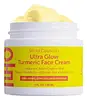
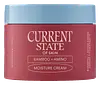
SeoulCeuticals Ultra Glow Turmeric Face Cream Versus Current State Bamboo + Amino Mega Moisture Cream
This brightening moisturizer is formulated around Aloe Barbadensis Leaf Juice and Glycolic Acid to brighten dull-looking skin and refine skin texture.
This moisturizer is formulated around Aloe Barbadensis Leaf Juice and Arginine to hydrate skin.

What's inside
What's inside
 Key Ingredients
Benefits
Concerns
Ingredients Side-by-side
Aloe Barbadensis Leaf Juice
Skin Conditioning


Water
Skin ConditioningIsopropyl Palmitate
Emollient




Helianthus Annuus Seed Oil
Emollient
Cassia Angustifolia Seed Polysaccharide
Skin ConditioningCetyl Alcohol
Emollient

Glyceryl Stearate
Emollient
Glycerin
Humectant

Stearic Acid
Cleansing
Simmondsia Chinensis Seed Oil
Emollient
Butyrospermum Parkii Butter
Skin Conditioning
Ganoderma Lucidum Extract
Skin Protecting
Glycolic Acid
Buffering









Curcuma Longa Root Extract
Antioxidant

Camellia Sinensis Leaf Extract
Antimicrobial
Salix Alba Bark Extract
Astringent
Glycyrrhiza Glabra Root Extract
Bleaching
Tocopheryl Acetate
Antioxidant
Panthenol
Skin Conditioning
Melissa Officinalis Leaf Extract
Skin ConditioningEquisetum Arvense Extract
AstringentTaraxacum Officinale Root Extract
Skin ConditioningCentella Asiatica Extract
Cleansing
Panax Quinquefolius Root Extract
AstringentHippophae Rhamnoides Fruit Oil
Skin Protecting
Citrus Aurantium Bergamia Peel Oil
Perfuming


Pimpinella Anisum Seed Extract
AstringentCochlearia Armoracia Root Extract
MaskingSchisandra Chinensis Fruit Extract
Skin Conditioning
Foeniculum Vulgare Fruit Extract
EmollientGeranium Maculatum Extract
TonicXanthan Gum
EmulsifyingPhenoxyethanol
Preservative
Ethylhexylglycerin
Skin ConditioningAloe Barbadensis Leaf Juice, Water, Isopropyl Palmitate, Helianthus Annuus Seed Oil, Cassia Angustifolia Seed Polysaccharide, Cetyl Alcohol, Glyceryl Stearate, Glycerin, Stearic Acid, Simmondsia Chinensis Seed Oil, Butyrospermum Parkii Butter, Ganoderma Lucidum Extract, Glycolic Acid, Curcuma Longa Root Extract, Camellia Sinensis Leaf Extract, Salix Alba Bark Extract, Glycyrrhiza Glabra Root Extract, Tocopheryl Acetate, Panthenol, Melissa Officinalis Leaf Extract, Equisetum Arvense Extract, Taraxacum Officinale Root Extract, Centella Asiatica Extract, Panax Quinquefolius Root Extract, Hippophae Rhamnoides Fruit Oil, Citrus Aurantium Bergamia Peel Oil, Pimpinella Anisum Seed Extract, Cochlearia Armoracia Root Extract, Schisandra Chinensis Fruit Extract, Foeniculum Vulgare Fruit Extract, Geranium Maculatum Extract, Xanthan Gum, Phenoxyethanol, Ethylhexylglycerin
Water
Skin ConditioningAloe Barbadensis Leaf Juice
Skin Conditioning
Helianthus Annuus Seed Oil
Emollient
Caprylic/Capric Triglyceride
Masking
Glycerin
Humectant
Glyceryl Stearate Se
Emulsifying
Cetearyl Alcohol
Emollient
Isopropyl Isostearate
Emollient
Propanediol
Solvent
Stearic Acid
Cleansing
Adansonia Digitata Seed Oil
Emollient
Salvia Hispanica Seed Oil
Emollient
Arginine
Masking
Glycine
Buffering
Alanine
Masking
Serine
Masking
Valine
MaskingIsoleucine
Skin ConditioningProline
Skin Conditioning
Threonine
Phenylalanine
Masking
Histidine
Humectant
PCA
Humectant
Sodium PCA
Humectant
Sodium Lactate
Buffering
Aspartic Acid
Masking
Bambusa Vulgaris Extract
Skin Conditioning
Daucus Carota Sativa Extract
Perfuming
Cichorium Intybus Root Oligosaccharides
Skin ConditioningMyrciaria Dubia Fruit Extract
Skin ConditioningLeuconostoc/Radish Root Ferment Filtrate
Antimicrobial
Maltodextrin
Absorbent
Gluconolactone
Chelating
Caesalpinia Spinosa Gum
Skin ConditioningEthylhexylglycerin
Skin ConditioningCarbomer
Emulsion StabilisingTetrasodium Glutamate Diacetate
ChelatingPhenoxyethanol
Preservative
Sodium Benzoate
Masking
Potassium Sorbate
Preservative
Water, Aloe Barbadensis Leaf Juice, Helianthus Annuus Seed Oil, Caprylic/Capric Triglyceride, Glycerin, Glyceryl Stearate Se, Cetearyl Alcohol, Isopropyl Isostearate, Propanediol, Stearic Acid, Adansonia Digitata Seed Oil, Salvia Hispanica Seed Oil, Arginine, Glycine, Alanine, Serine, Valine, Isoleucine, Proline, Threonine, Phenylalanine, Histidine, PCA, Sodium PCA, Sodium Lactate, Aspartic Acid, Bambusa Vulgaris Extract, Daucus Carota Sativa Extract, Cichorium Intybus Root Oligosaccharides, Myrciaria Dubia Fruit Extract, Leuconostoc/Radish Root Ferment Filtrate, Maltodextrin, Gluconolactone, Caesalpinia Spinosa Gum, Ethylhexylglycerin, Carbomer, Tetrasodium Glutamate Diacetate, Phenoxyethanol, Sodium Benzoate, Potassium Sorbate
Ingredients Explained
These ingredients are found in both products.
Ingredients higher up in an ingredient list are typically present in a larger amount.
Aloe Barbadensis Leaf Juice is the filtered, stabilized liquid pressed from the inner gel of the aloe vera leaf.
In cosmetics, it shows up as either soothing active or a water-replacement base. It is roughly 98-99% water and the last 1-2% is an interesting mix of polysaccharides, amino acids, vitamins, minerals, and enzymes.
The polysaccharides do most of the work: they bind water at the skin surface for a light, non-greasy hydration boost. And one of the polysaccharides, glycomannan, is linked to fibroblast stimulation + collagen synthesis. This is also why aloe has such a long track record in wound and burn healing.
This ingredient is also calming with anti-inflammatory and mild antimicrobial activity, making it a great pick for sensitive, irritated, or post-sun skin.
Realistic expectations matter though; the solid evidence is mostly limited to hydration, soothing, and wound support. Deeper claims about anti-aging or sun protection are not well backed, and science reviews note it does not prevent radiation-induced skin injury.
Because it plays well with almost everything, it's commonly used as a base alongside other actives like niacinamide or vitamin C.
Typical usage concentrations range from 0.5% (where hydration benefits already show up) all the way to 90%+ (where it replaces water as the main base).
The safety for this ingredient is well-establish as well. Overall, this is a great supporting ingredient for those who want a boost in hydration.
Learn more about Aloe Barbadensis Leaf JuiceEthylhexylglycerin is created from glycerin. It is a multitasker ingredient that:
The CIR Expert Panel found minimal skin absorption or sensitization of any kind in a safety assessment. Though this ingredient is considered well-tolerated, a small number of cases of allergic dermatitis have been published since 2002. Just be sure to patch test if you are unsure.
Industry-reported use ranges from 8% in rinse-off products and 2% in leave-on formulations.
Learn more about EthylhexylglycerinGlycerin (or glycerol) is a compound naturally found in your skin. It's a powerhouse humectant that pulls water into the stratum corneum.
Topically, glycerin does several things at once:
Your skin makes glycerin on its own (mostly from sebaceous oil breakdown) and shuttles it to your outermost layer of skin, or your epidermis, via aquaporin-3.
Aquaporin-3 is a transporter that is essential for normal skin hydration, elasticity, and repair. Interestingly, mice lacking in AQP3 have dry and less elastic skin that can be fully corrected with glycerin.
This ingredient is non-irritating, plays well with almost every ingredient, and works across all skin types. Typical use is anywhere between 3-10% but can go up to 79% in some leave-on products.
Just know very high concentrations (>40%) can feel tacky in low humidity.
Glycerin is the name for this ingredient in American English. British English uses Glycerol/Glycerine.
Learn more about GlycerinHelianthus Annuus Seed Oil is a plant oil derived from the seeds of a sunflower.
It is rich in fatty acids, primarily linoleic acid and oleic acid. This gives it emollient and skin conditioning properties.
The reason this ingredient is so effective is because it forms a thin film on the skin that reduces transepidermal water loss (TEWL) while supplying linoleic acid to the stratum corneum to improve barrier strength.
The high linoleic acid content is particularly noteworthy for acne-prone skin.
Research suggests that acne-prone skin tends to be deficient in linoleic acid in sebum. Topical application may help replenish this to support a healthier follicular environment and less comedone-promoting sebum.
One randomized study found sunflower seed oil preserved skin barrier integrity in adult volunteers with and without atopic dermatitis (outperforming olive oil).
This ingredient is well-studied, gentle, and an effective emollient suitable for most skin types.
On fungal acne: This ingredient may not be Fungal acne (Malassezia folliculitis) safe. This is because it contains fatty acids with carbon chain lengths in the C11-C24 range.
Learn more about Helianthus Annuus Seed OilPhenoxyethanol is one of the most widely used preservatives in skincare (and for good reason!).
It has a large spectrum of antimicrobial activity and especially effective bacteria, yeast, and mold while only having a weak effect on your skin's natural microbiome.
On a cellular level, it disrupts the cell membranes of microbes by poking holes that make the cell leak. This shuts down the chemical reactions the microbe needs to make energy so it can no longer survive.
Another perk of this ingredient is that it stays functional across a wide pH range (3-10).
You'll often see it paired with boosters like Ethylhexylglycerin; one study showed that a 1:9 ratio of Ethylhexylglycerin to Phenoxyethanol damages bacterial membranes as effectively as doubling the Phenoxyethanol concentration on its own.
Typical use concentrations range from 0.3-1% depending on the formula, and this ingredient is capped at 1% int the EU.
Safety-wise, the fear mongering does not hold up to the evidence. The EU's Scientific Committee on Consumer Safety and FDA consider it safe as a preservative at up to 1%, including for children of all ages.
Adverse systemic effects only showed up in animal studies at exposures roughly 200x higher than what people get from cosmetics. And despite its very widespread use, this ingredient is a rare sensitizer and allergic reactions are uncommon.
Learn more about PhenoxyethanolStearic Acid is a fatty acid that is already found in your skin. It's one of the free fatty acids that works alongside ceramides and cholesterols to maintain your barrier.
In cosmetics, it is a multitasker:
Safety-wise, the CIR Expert Panel has concluded it to be safe in cosmetics when formulated to be non-irritating and non-sensitizing.
Free stearic acid is a C18 fatty acid that the Malassezia yeast can substrate, so this ingredient may not be fungal acne safe.
This ingredient does have a comedogenic rating of 2-3, but this doesn't mean a formula with this ingredient will clog pores.
Human testing has proved that any finished product with this ingredient won't automatically make you break out; it really comes down to concentration, formula, and your skin.
Learn more about Stearic AcidWater. It's the most common cosmetic ingredient of all. You'll usually see it at the top of ingredient lists, meaning that it makes up the largest part of the product.
So why is it so popular? Water most often acts as a solvent - this means that it helps dissolve other ingredients into the formulation.
You'll also recognize water as that liquid we all need to stay alive. If you see this, drink a glass of water. Remember to stay hydrated!
Learn more about Water

