Sand and Sky Tasmanian Hydration Boost Cream Versus Sand and Sky Australian Glow Berries Intense Glow Moisturizer
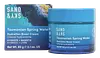
This barrier-repair moisturizer is formulated around Xylitylglucoside and Hyaluronic Acid to strengthen the skin barrier and hydrate skin.
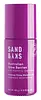
This moisturizer is formulated around Ascorbyl Tetraisopalmitate and Squalane to hydrate skin.

What's inside
What's inside
 Key Ingredients
Benefits
Concerns
Ingredients Side-by-side
Water
Skin ConditioningButylene Glycol
Humectant

C15-19 Alkane
SolventCaprylic/Capric Triglyceride
Masking
Propylene Glycol Laurate
Skin ConditioningCetyl Palmitate
Emollient

Coco-Caprylate/Caprate
Emollient
Glycerin
Humectant
Xylitylglucoside
Humectant
1,2-Hexanediol
Skin Conditioning
Apricot Kernel Oil Polyglyceryl-6 Esters
Emollient
Carbomer
Emulsion StabilisingPotassium Cetyl Phosphate
EmulsifyingHyaluronic Acid
Humectant

Hydrolyzed Hyaluronic Acid
Humectant
Anhydroxylitol
Humectant
Xylitol
Humectant
Caprylyl Glycol
Emollient
Ethylcellulose
Propylene Glycol Isostearate
Skin Conditioning

Sodium Hydroxide
BufferingChondrus Crispus Extract
Skin Conditioning
Ethylhexylglycerin
Skin ConditioningParfum
Masking


Agar
MaskingAloe Barbadensis Leaf Juice
Skin Conditioning
Sodium Hyaluronate
Humectant
Undaria Pinnatifida Extract
Skin ConditioningMethylpropanediol
SolventCitral
Perfuming
Dehydroacetic Acid
Preservative
Silanetriol
Citric Acid
Buffering

Xanthan Gum
EmulsifyingCI 42090
Cosmetic ColorantPotassium Sorbate
Preservative
Sodium Benzoate
Masking
Benzyl Alcohol
Perfuming
Linalool
Perfuming
Limonene
Perfuming
Water, Butylene Glycol, C15-19 Alkane, Caprylic/Capric Triglyceride, Propylene Glycol Laurate, Cetyl Palmitate, Coco-Caprylate/Caprate, Glycerin, Xylitylglucoside, 1,2-Hexanediol, Apricot Kernel Oil Polyglyceryl-6 Esters, Carbomer, Potassium Cetyl Phosphate, Hyaluronic Acid, Hydrolyzed Hyaluronic Acid, Anhydroxylitol, Xylitol, Caprylyl Glycol, Ethylcellulose, Propylene Glycol Isostearate, Sodium Hydroxide, Chondrus Crispus Extract, Ethylhexylglycerin, Parfum, Agar, Aloe Barbadensis Leaf Juice, Sodium Hyaluronate, Undaria Pinnatifida Extract, Methylpropanediol, Citral, Dehydroacetic Acid, Silanetriol, Citric Acid, Xanthan Gum, CI 42090, Potassium Sorbate, Sodium Benzoate, Benzyl Alcohol, Linalool, Limonene
Water
Skin ConditioningDicaprylyl Carbonate
EmollientAscorbyl Tetraisopalmitate
Antioxidant


Squalane
Emollient
C10-18 Triglycerides
Emollient
Glycerin
Humectant
Octyldecyl Oleate
EmulsifyingPropanediol
Solvent
Hydrogenated Vegetable Glycerides
EmollientCandelilla/Jojoba/Rice Bran Polyglyceryl-3 Esters
Emulsifying
Glyceryl Stearate
Emollient
Phenoxyethanol
Preservative
Sodium Acrylates Copolymer
Cetearyl Alcohol
Emollient
Sodium Stearoyl Lactylate
EmulsifyingXanthan Gum
EmulsifyingXylitylglucoside
Humectant
Anhydroxylitol
Humectant
Lecithin
Emollient
Tocopherol
Antioxidant
Xylitol
Humectant
Allantoin
Skin Conditioning
Ethylhexylglycerin
Skin ConditioningSodium Stearoyl Glutamate
CleansingTetrasodium Glutamate Diacetate
ChelatingHelianthus Annuus Seed Oil
Emollient
Limonene
Perfuming
Citric Acid
Buffering
Kunzea Pomifera Fruit Extract
Skin ConditioningSyzygium Luehmannii Fruit Extract
Antioxidant
Tasmannia Lanceolata Fruit Extract
Skin ConditioningGlucose
Humectant
Terminalia Ferdinandiana Fruit Extract
Antioxidant
Papain
Skin Conditioning
Davidsonia Jerseyana Fruit Extract
Antioxidant
Santalum Acuminatum Fruit Extract
Antioxidant
Citronellol
Perfuming
Geraniol
Perfuming
Linalool
Perfuming
1,2-Hexanediol
Skin Conditioning
Caprylyl Glycol
Emollient
Carbomer
Emulsion StabilisingSimmondsia Chinensis Seed Oil
Emollient
Citrus Paradisi Peel Oil
Masking

Citrus Sinensis Peel Oil Expressed
Perfuming
Citrus Sinensis Peel Extract
Perfuming
Hibiscus Sabdariffa Flower
Skin ConditioningMichelia Alba Flower Oil
Masking
Pelargonium Graveolens Leaf Oil
Rosmarinus Officinalis Leaf Oil
Masking
Santalum Spicata Wood Oil
Perfuming
Sodium Benzoate
Masking
Algin
MaskingPotassium Sorbate
Preservative
Water, Dicaprylyl Carbonate, Ascorbyl Tetraisopalmitate, Squalane, C10-18 Triglycerides, Glycerin, Octyldecyl Oleate, Propanediol, Hydrogenated Vegetable Glycerides, Candelilla/Jojoba/Rice Bran Polyglyceryl-3 Esters, Glyceryl Stearate, Phenoxyethanol, Sodium Acrylates Copolymer, Cetearyl Alcohol, Sodium Stearoyl Lactylate, Xanthan Gum, Xylitylglucoside, Anhydroxylitol, Lecithin, Tocopherol, Xylitol, Allantoin, Ethylhexylglycerin, Sodium Stearoyl Glutamate, Tetrasodium Glutamate Diacetate, Helianthus Annuus Seed Oil, Limonene, Citric Acid, Kunzea Pomifera Fruit Extract, Syzygium Luehmannii Fruit Extract, Tasmannia Lanceolata Fruit Extract, Glucose, Terminalia Ferdinandiana Fruit Extract, Papain, Davidsonia Jerseyana Fruit Extract, Santalum Acuminatum Fruit Extract, Citronellol, Geraniol, Linalool, 1,2-Hexanediol, Caprylyl Glycol, Carbomer, Simmondsia Chinensis Seed Oil, Citrus Paradisi Peel Oil, Citrus Sinensis Peel Oil Expressed, Citrus Sinensis Peel Extract, Hibiscus Sabdariffa Flower, Michelia Alba Flower Oil, Pelargonium Graveolens Leaf Oil, Rosmarinus Officinalis Leaf Oil, Santalum Spicata Wood Oil, Sodium Benzoate, Algin, Potassium Sorbate
Ingredients Explained
These ingredients are found in both products.
Ingredients higher up in an ingredient list are typically present in a larger amount.
1,2-Hexanediol is a synthetic liquid and another multi-functional powerhouse.
It is a:
- Humectant, drawing moisture into the skin
- Emollient, helping to soften skin
- Solvent, dispersing and stabilizing formulas
- Preservative booster, enhancing the antimicrobial activity of other preservatives
This ingredient is created from dehydrating xylitol in acidic conditions. Xylitol is a famous sugar and humectant.
Much like its predecessor, anhydroxylitol is a humectant. Humectants attract and hold water to moisturize the skin.
This ingredient is most commonly found in a popular trio called Aquaxyl. Aquaxyl is made up of anhydroxylitol (24 - 34%), xylitylglucoside (35 - 50%), and xylitol (5 - 15%).
According to a manufacturer, Aquaxyl is known for a 3-D hydration concept and an anti-dehydration shield to reinforce the outer layer of skin.
This ingredient is often derived from plants such as wood and sugarcane.
Learn more about AnhydroxylitolCaprylyl Glycol is a humectant, skin conditioner, emollient, and preservative booster derived from either caprylic acid or synthetically created.
Typical use levels vary from 0.3-1% as a preservative booster and go up to 2% to condition skin.
Because it is not a free-fatty acid, this ingredient is fungal acne safe (there's nothing for Malassezia to feed on).
Learn more about Caprylyl GlycolCarbomer is a synthetic thickening and gelling agent. It's basically the ingredient that gives a lot of serums, gels, creams, and sunscreens their smooth, non-sticky texture.
Although legally permitted at very high levels, carbomers are normally used at concentrations below 1%.
It also needs to be neutralized to actually thicken, and because it is a large molecule, it doesn't really penetrate the skin barrier.
Allergy-wise, the risk is very low. Clinical studies show carbomers have low potential for skin irritation/sensitization even at concentrations up to 100%.
A 2024 UK study patch-tested 1,302 patients and found true allergy to the parent group of carbomer to be rare with no confirmed relevant reactions.
Learn more about CarbomerCitric Acid is an alpha hydroxy acid (AHA) naturally found in citrus fruits like oranges, lemons, and limes.
Like other AHAs, citric acid can exfoliate skin by breaking down the bonds that hold dead skin cells together. This helps reveal smoother and brighter skin underneath.
However, this exfoliating effect only happens at high concentrations (20%) which can be hard to find in cosmetic products.
Due to this, citric acid is usually included in small amounts as a pH adjuster. This helps keep products slightly more acidic and compatible with skin's natural pH.
In skincare formulas, citric acid can:
While it can provide some skin benefits, research shows lactic acid and glycolic acid are generally more effective and less irritating exfoliants.
Most citric acid used in skincare today is made by fermenting sugars (usually from molasses). This synthetic version is identical to the natural citrus form but easier to stabilize and use in formulations.
Rosacea skin has a lower threshold for acids generally, with 62.5% of rosacea subjects in one study reacting to lactic acid in a sting test. This is why we mark citric acid as a potential rosacea trigger.
However, this ingredient shows up as a pH adjuster or chelator at roughly 0.1-1% in many products. These low levels are unlikely to be an issue for rosacea skin and becomes a potential trigger at exfoliating concentrations (20%). Because everybody's skin is unique, we recommend a patch test if you are unsure.
Learn more about Citric AcidEthylhexylglycerin is created from glycerin. It is a multitasker ingredient that:
The CIR Expert Panel found minimal skin absorption or sensitization of any kind in a safety assessment. Though this ingredient is considered well-tolerated, a small number of cases of allergic dermatitis have been published since 2002. Just be sure to patch test if you are unsure.
Industry-reported use ranges from 8% in rinse-off products and 2% in leave-on formulations.
Learn more about EthylhexylglycerinGlycerin (or glycerol) is a compound naturally found in your skin. It's a powerhouse humectant that pulls water into the stratum corneum.
Topically, glycerin does several things at once:
Your skin makes glycerin on its own (mostly from sebaceous oil breakdown) and shuttles it to your outermost layer of skin, or your epidermis, via aquaporin-3.
Aquaporin-3 is a transporter that is essential for normal skin hydration, elasticity, and repair. Interestingly, mice lacking in AQP3 have dry and less elastic skin that can be fully corrected with glycerin.
This ingredient is non-irritating, plays well with almost every ingredient, and works across all skin types. Typical use is anywhere between 3-10% but can go up to 79% in some leave-on products.
Just know very high concentrations (>40%) can feel tacky in low humidity.
Glycerin is the name for this ingredient in American English. British English uses Glycerol/Glycerine.
Learn more about GlycerinLimonene is the compound that gives citrus peel its smell.
In skincare, it shows up as a standalone fragrance ingredient or as a natural compound of citrus and other essential oils.
You'll typically see this ingredient used in very small amounts; anything above 0.001% in a leave-on product or 0.01% in a rinse-off has to be named on the label in the EU. The citrus oils that carry it sit around 0.5-1% in a finished formula.
Fresh limonene is a weak allergen; the real issue is that it slowly reacts with air and then breaks down from oxidation to create hydroperoxides (which are strong sensitizers). This is why suppliers are required to keep the peroxide value below 20 mmol.
Positive reactions in people being investigated for eczema vary:
It's worth skipping if you have a known fragrance allergy or a compromised barrier, but the risk is low for most people.
Older or long-opened products are also more likely to bother you than fresh ones due to oxidation.
Learn more about LimoneneLinalool is a small, naturally occurring scent molecule found in plants like lavender, coriander, bergamot, and more.
It is one of the two most-used fragrance ingredients in cosmetics and added purely for smell. Since it's not used for a skin benefit, there's no "effective dose". Concentration depends on the fragrance load of the product.
The EU requires it to be named on the label above 0.001% in leave-on and 0.01% in rinse-off products.
Fresh linalool is a weak sensitizer but air exposure turns some of it into hydroperoxides, which are strong sensitizers. Those oxidation products are the actual allergy concern.
Patch-test clinics see positive reactions to linalool hydroperoxides in about 4% to 12% of dermatitis patients depending on country and test concentration.
Resassuringly, one analytical study found hydroperoxide levels in real fragranced products to be orders of magnitude below what induced sensitization in animal studies with no evidence of oxidation building up during normal storage.
The practical takeaway is that linalool is fine for most people but worth avoiding if you have a confirmed fragrance contact allergy or a badly compromised barrier.
Products stored a long time after opening are also the high-risk scenario since that is when oxidation happens.
The scent of linalool is described as floral, spicy tropical, and citrus-like.
Learn more about LinaloolPotassium Sorbate is a preservative used to prevent yeast and mold in products. It is commonly found in both cosmetic and food products.
This ingredient comes from potassium salt derived from sorbic acid. Sorbic acid is a natural antibiotic and effective against fungus.
Both potassium sorbate and sorbic acid can be found in baked goods, cheeses, dried meats, dried fruit, ice cream, pickles, wine, yogurt, and more.
You'll often find this ingredient used with other preservatives.
Learn more about Potassium SorbateSodium Benzoate is a preservative. It's used in both cosmetic and food products to inhibit the growth of mold and bacteria. It is typically produced synthetically.
Both the US FDA and EU Health Committee have approved the use of sodium benzoate. In the US, levels of 0.1% (of the total product) are allowed.
Sodium benzoate works as a preservative by inhibiting the growth of bacteria inside of cells. It prevents the cell from fermenting a type of sugar using an enzyme called phosphofructokinase.
It is the salt of benzoic acid. Foods containing sodium benzoate include soda, salad dressings, condiments, fruit juices, wines, and snack foods.
Studies for using ascorbic acid and sodium benzoate in cosmetics are lacking, especially in skincare routines with multiple steps.
We always recommend speaking with a professional, such as a dermatologist, if you have any concerns.
Learn more about Sodium BenzoateWater. It's the most common cosmetic ingredient of all. You'll usually see it at the top of ingredient lists, meaning that it makes up the largest part of the product.
So why is it so popular? Water most often acts as a solvent - this means that it helps dissolve other ingredients into the formulation.
You'll also recognize water as that liquid we all need to stay alive. If you see this, drink a glass of water. Remember to stay hydrated!
Learn more about WaterXanthan gum is used as a stabilizer and thickener within cosmetic products. It helps give products a sticky, thick feeling - preventing them from being too runny.
On the technical side of things, xanthan gum is a polysaccharide - a combination consisting of multiple sugar molecules bonded together.
Xanthan gum is a pretty common and great ingredient. It is a natural, non-toxic, non-irritating ingredient that is also commonly used in food products.
Learn more about Xanthan GumXylitol is a humectant and prebiotic. It can help with dry skin.
In studies, xylitol has been shown to improve dry skin. It decreased transepidermal water loss, or when water passes through the skin and evaporates. Xylitol also showed to help improve the biomechanical properties of the skin barrier.
The prebiotic property of xylitol may also help reinforce our skin's natural microbiome. Having a healthy microbiome prevents infection by bad bacteria and helps with hydration.
As a humectant, Xylitol helps draw moisture from both the air and from deeper skin layers. This helps keep skin hydrated.
Xylitol is a sugar alcohol and commonly used as a sugar substitute. It is naturally occurring in plants such as strawberries and pumpkin.
Learn more about XylitolXylitylglucoside is created from xylitol and glucose, two humectants.
Not surprisingly, this ingredient is also a humectant. It attracts and holds water in your skin, helping to maintain hydration.
This ingredient is most commonly found in a popular trio called Aquaxyl. Aquaxyl is made up of anhydroxylitol(24 - 34%), xylitylglucoside (35 - 50%), and xylitol (5 - 15%).
According to a manufacturer, Aquaxyl is known for a 3-D hydration concept and an anti-dehydration shield to reinforce the outer layer of skin.
Learn more about Xylitylglucoside

