
What's inside
What's inside
 Key Ingredients
Benefits
Concerns
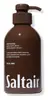
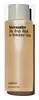
Ingredients Side-by-side
Water
Skin ConditioningCocamidopropyl Betaine
Cleansing



Sodium C14-16 Olefin Sulfonate
Cleansing
Parfum
Masking

Coco-Glucoside
Cleansing
Glyceryl Oleate
Emollient
Cocos Nucifera Oil
Masking



Sodium Hyaluronate
Humectant



Dimethylsilanol Hyaluronate
Humectant
Panthenol
Skin Conditioning

Silanetriol
Sodium Lactate
Buffering
PCA
Humectant
Glutamic Acid
Humectant
Lysine Hcl
Skin Conditioning
Threonine
Arginine
Masking
Proline
Skin Conditioning
Hydroxypropyltrimonium Hyaluronate
Glycerin
Humectant
Pogostemon Cablin Leaf Extract
Perfuming
Santalum Album Extract
CleansingBoswellia Carterii Gum Extract
Perfuming
Lentinus Edodes Extract
Skin ConditioningJuniperus Oxycedrus Wood Extract
Perfuming
Amber Extract
Skin ConditioningSerine
Masking
Alanine
Masking
Glycine
Buffering
Lactic Acid
Buffering





Sodium Cocoyl Isethionate
Cleansing
Sodium Chloride
MaskingSodium Sulfate
Coconut Acid
Cleansing
Sodium Isethionate
CleansingPhenoxyethanol
Preservative
Sodium Benzoate
Masking
PEG-150 Distearate
Emulsifying
Citric Acid
Buffering
Tetrasodium Glutamate Diacetate
ChelatingBetaine
Humectant
Acacia Senegal Gum Extract
Sodium PCA
Humectant
Sodium Hydroxide
BufferingSodium Glycolate
BufferingSodium Formate
Buffering
Phenethyl Alcohol
MaskingCaprylhydroxamic Acid
ChelatingTetramethyl Acetyloctahydronaphthalenes
Masking
Hexyl Cinnamal
Perfuming
Limonene
Perfuming
Citrus Limon Peel Oil
Masking

Alpha-Isomethyl Ionone
Perfuming
Linalyl Acetate
Masking
Linalool
Perfuming
Citrus Aurantium Peel Oil
Pinene
Masking
Pogostemon Cablin Leaf Oil
Masking
Coumarin
Perfuming
Geraniol
Perfuming
Citronellol
Perfuming
Terpineol
Masking
Lavandula Oil/Extract
Geranyl Acetate
Perfuming
Citral
Perfuming
Water, Cocamidopropyl Betaine, Sodium C14-16 Olefin Sulfonate, Parfum, Coco-Glucoside, Glyceryl Oleate, Cocos Nucifera Oil, Sodium Hyaluronate, Dimethylsilanol Hyaluronate, Panthenol, Silanetriol, Sodium Lactate, PCA, Glutamic Acid, Lysine Hcl, Threonine, Arginine, Proline, Hydroxypropyltrimonium Hyaluronate, Glycerin, Pogostemon Cablin Leaf Extract, Santalum Album Extract, Boswellia Carterii Gum Extract, Lentinus Edodes Extract, Juniperus Oxycedrus Wood Extract, Amber Extract, Serine, Alanine, Glycine, Lactic Acid, Sodium Cocoyl Isethionate, Sodium Chloride, Sodium Sulfate, Coconut Acid, Sodium Isethionate, Phenoxyethanol, Sodium Benzoate, PEG-150 Distearate, Citric Acid, Tetrasodium Glutamate Diacetate, Betaine, Acacia Senegal Gum Extract, Sodium PCA, Sodium Hydroxide, Sodium Glycolate, Sodium Formate, Phenethyl Alcohol, Caprylhydroxamic Acid, Tetramethyl Acetyloctahydronaphthalenes, Hexyl Cinnamal, Limonene, Citrus Limon Peel Oil, Alpha-Isomethyl Ionone, Linalyl Acetate, Linalool, Citrus Aurantium Peel Oil, Pinene, Pogostemon Cablin Leaf Oil, Coumarin, Geraniol, Citronellol, Terpineol, Lavandula Oil/Extract, Geranyl Acetate, Citral
Water
Skin ConditioningSodium Laurylglucosides Hydroxypropylsulfonate
CleansingCoco-Glucoside
Cleansing
Disodium Cocoamphodiacetate
CleansingGlycerin
Humectant
Sodium Methyl Cocoyl Taurate
Cleansing
Sodium Chloride
MaskingNiacinamide
Smoothing

Tocopherol
Antioxidant

Saccharum Officinarum Extract
MoisturisingPyrus Malus Fruit Extract
Skin Conditioning
Citrus Aurantium Dulcis Fruit Extract
MaskingCitrus Limon Fruit Extract
Masking
Camellia Sinensis Leaf Extract
Antimicrobial
Sclerocarya Birrea Seed Oil
Humectant
Caryodendron Orinocense Seed Oil
Emollient
Limnanthes Alba Seed Oil
Skin Conditioning
Caprylyl Glycol
Emollient
Phenoxyethanol
Preservative
Citric Acid
Buffering
Chlorphenesin
Antimicrobial
Sodium Phytate
ChelatingEucalyptus Globulus Leaf Oil
Perfuming
Lavandula Angustifolia Oil
Masking
Abies Sibirica Oil
Masking
Zingiber Officinale Root Oil
Masking
Citrus Aurantium Dulcis Peel Oil
Masking
Pogostemon Cablin Leaf Oil
Masking
Water, Sodium Laurylglucosides Hydroxypropylsulfonate, Coco-Glucoside, Disodium Cocoamphodiacetate, Glycerin, Sodium Methyl Cocoyl Taurate, Sodium Chloride, Niacinamide, Tocopherol, Saccharum Officinarum Extract, Pyrus Malus Fruit Extract, Citrus Aurantium Dulcis Fruit Extract, Citrus Limon Fruit Extract, Camellia Sinensis Leaf Extract, Sclerocarya Birrea Seed Oil, Caryodendron Orinocense Seed Oil, Limnanthes Alba Seed Oil, Caprylyl Glycol, Phenoxyethanol, Citric Acid, Chlorphenesin, Sodium Phytate, Eucalyptus Globulus Leaf Oil, Lavandula Angustifolia Oil, Abies Sibirica Oil, Zingiber Officinale Root Oil, Citrus Aurantium Dulcis Peel Oil, Pogostemon Cablin Leaf Oil
Reviews
Ingredients Explained
These ingredients are found in both products.
Ingredients higher up in an ingredient list are typically present in a larger amount.
Citric Acid is an alpha hydroxy acid (AHA) naturally found in citrus fruits like oranges, lemons, and limes.
Like other AHAs, citric acid can exfoliate skin by breaking down the bonds that hold dead skin cells together. This helps reveal smoother and brighter skin underneath.
However, this exfoliating effect only happens at high concentrations (20%) which can be hard to find in cosmetic products.
Due to this, citric acid is usually included in small amounts as a pH adjuster. This helps keep products slightly more acidic and compatible with skin's natural pH.
In skincare formulas, citric acid can:
While it can provide some skin benefits, research shows lactic acid and glycolic acid are generally more effective and less irritating exfoliants.
Most citric acid used in skincare today is made by fermenting sugars (usually from molasses). This synthetic version is identical to the natural citrus form but easier to stabilize and use in formulations.
Rosacea skin has a lower threshold for acids generally, with 62.5% of rosacea subjects in one study reacting to lactic acid in a sting test. This is why we mark citric acid as a potential rosacea trigger.
However, this ingredient shows up as a pH adjuster or chelator at roughly 0.1-1% in many products. These low levels are unlikely to be an issue for rosacea skin and becomes a potential trigger at exfoliating concentrations (20%). Because everybody's skin is unique, we recommend a patch test if you are unsure.
Learn more about Citric AcidCoco-Glucoside is a surfactant, or a cleansing ingredient. It is made from glucose and coconut oil.
Surfactants help gather dirt, oil, and other pollutants from your skin to be rinsed away.
This ingredient is considered gentle and non-comedogenic. However, it may still be irritating for some.
Learn more about Coco-GlucosideGlycerin (or glycerol) is a compound naturally found in your skin. It's a powerhouse humectant that pulls water into the stratum corneum.
Topically, glycerin does several things at once:
Your skin makes glycerin on its own (mostly from sebaceous oil breakdown) and shuttles it to your outermost layer of skin, or your epidermis, via aquaporin-3.
Aquaporin-3 is a transporter that is essential for normal skin hydration, elasticity, and repair. Interestingly, mice lacking in AQP3 have dry and less elastic skin that can be fully corrected with glycerin.
This ingredient is non-irritating, plays well with almost every ingredient, and works across all skin types. Typical use is anywhere between 3-10% but can go up to 79% in some leave-on products.
Just know very high concentrations (>40%) can feel tacky in low humidity.
Glycerin is the name for this ingredient in American English. British English uses Glycerol/Glycerine.
Learn more about GlycerinPhenoxyethanol is one of the most widely used preservatives in skincare (and for good reason!).
It has a large spectrum of antimicrobial activity and especially effective bacteria, yeast, and mold while only having a weak effect on your skin's natural microbiome.
On a cellular level, it disrupts the cell membranes of microbes by poking holes that make the cell leak. This shuts down the chemical reactions the microbe needs to make energy so it can no longer survive.
Another perk of this ingredient is that it stays functional across a wide pH range (3-10).
You'll often see it paired with boosters like Ethylhexylglycerin; one study showed that a 1:9 ratio of Ethylhexylglycerin to Phenoxyethanol damages bacterial membranes as effectively as doubling the Phenoxyethanol concentration on its own.
Typical use concentrations range from 0.3-1% depending on the formula, and this ingredient is capped at 1% int the EU.
Safety-wise, the fear mongering does not hold up to the evidence. The EU's Scientific Committee on Consumer Safety and FDA consider it safe as a preservative at up to 1%, including for children of all ages.
Adverse systemic effects only showed up in animal studies at exposures roughly 200x higher than what people get from cosmetics. And despite its very widespread use, this ingredient is a rare sensitizer and allergic reactions are uncommon.
Learn more about PhenoxyethanolThis ingredient is also known as Patchouli oil. Its main role is to add a warm, earthy, and musky scent to products.
Patchouli exhibits slight antioxidant, antibacterial and antifungal activity from its patchoulol, beta-caryophyllene, pogostone content.
Like all essential oils, this ingredient is a known sensitizer at higher concentrations. This is because this oil also contains known skin-irritating fragrances, limonene and camphor. Limonene and camphor are both known EU allergens.
While patchouli oil holds FDA GRAS ("generally recognized as safe") status, it is typically used at low levels and subject to usage guidelines.
Those with sensitive skin should patch test before using.
Learn more about Pogostemon Cablin Leaf OilChances are, you eat sodium chloride every day. Sodium Chloride is also known as table salt. This ingredient has many purposes in skincare: thickener, emulsifier, and exfoliator.
You'll most likely find this ingredient in cleansers where it is used to create a gel-like texture. As an emulsifier, it also prevents ingredients from separating.
You might see people debate whether Sodium Chloride is comedogenic, but there actually haven't been any comedogenic tests done on it. Either way, the overall formulation of a product matters a lot more than any single ingredient.
You might see this ingredient used in scrubs as a primary exfoliating ingredient.
Learn more about Sodium ChlorideWater. It's the most common cosmetic ingredient of all. You'll usually see it at the top of ingredient lists, meaning that it makes up the largest part of the product.
So why is it so popular? Water most often acts as a solvent - this means that it helps dissolve other ingredients into the formulation.
You'll also recognize water as that liquid we all need to stay alive. If you see this, drink a glass of water. Remember to stay hydrated!
Learn more about Water

