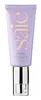
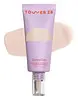
Saie Sunvisor Radiant Moisturizing Face Sunscreen SPF 35 Versus Tower 28 Beauty SunnyDays Tinted SPF 30

What's inside
What's inside
 Key Ingredients
Benefits
Concerns
No concerns
Ingredients Side-by-side
Zinc Oxide 15%
Cosmetic Colorant


Water
Skin ConditioningCoco-Caprylate/Caprate
Emollient
Helianthus Annuus Seed Oil
Emollient


C15-19 Alkane
SolventIsocetyl Stearoyl Stearate
Emollient
Undecane
EmollientArgania Spinosa Kernel Oil
Emollient


Jojoba Esters
Emollient
Tocopheryl Acetate
Antioxidant


Tribehenin
Emollient
Tridecane
Perfuming
Glyceryl Stearate
Emollient
Leuconostoc/Radish Root Ferment Filtrate
Antimicrobial
Mica
Cosmetic ColorantCI 77891
Cosmetic ColorantGlycerin
Humectant
Lactobacillus
Skin ConditioningAloe Barbadensis Leaf
Masking
Acacia Senegal Gum
MaskingXanthan Gum
EmulsifyingViola Tricolor Extract
EmollientBisabolol
Antioxidant
Glycyrrhiza Glabra Root Extract
Bleaching
Hyaluronic Acid
Humectant

Glycosphingolipids
EmollientGlycolipids
Skin ConditioningCocos Nucifera Fruit Extract
Emollient
Symphytum Officinale Leaf Extract
Skin Conditioning3-O-Ethyl Ascorbic Acid
Skin Conditioning


CI 77492
Cosmetic ColorantCI 77491
Cosmetic ColorantCI 77499
Cosmetic ColorantTin Oxide
Abrasive
Zinc Oxide 15%, Water, Coco-Caprylate/Caprate, Helianthus Annuus Seed Oil, C15-19 Alkane, Isocetyl Stearoyl Stearate, Undecane, Argania Spinosa Kernel Oil, Jojoba Esters, Tocopheryl Acetate, Tribehenin, Tridecane, Glyceryl Stearate, Leuconostoc/Radish Root Ferment Filtrate, Mica, CI 77891, Glycerin, Lactobacillus, Aloe Barbadensis Leaf, Acacia Senegal Gum, Xanthan Gum, Viola Tricolor Extract, Bisabolol, Glycyrrhiza Glabra Root Extract, Hyaluronic Acid, Glycosphingolipids, Glycolipids, Cocos Nucifera Fruit Extract, Symphytum Officinale Leaf Extract, 3-O-Ethyl Ascorbic Acid, CI 77492, CI 77491, CI 77499, Tin Oxide
Zinc Oxide 12.6%
Cosmetic Colorant
Water
Skin ConditioningIsononyl Isononanoate
EmollientC9-12 Alkane
SolventButyloctyl Salicylate
Skin Conditioning
Polyglyceryl-6 Polyricinoleate
Emulsifying
Caprylic/Capric Triglyceride
Masking
Glycerin
Humectant
Ethylhexyl Methoxycrylene
Skin Conditioning
Trimethylsiloxysilicate
Emollient
Mica
Cosmetic ColorantPolyglyceryl-2 Isostearate
Emulsifying
Sodium Chloride
MaskingPhenoxyethanol
Preservative
Disteardimonium Hectorite
StabilisingPolyglyceryl-3 Polyricinoleate
Emulsifying
Polyhydroxystearic Acid
Emulsifying
Coco-Caprylate/Caprate
Emollient
Isostearic Acid
Cleansing
Lecithin
Emollient
Polyglyceryl-6 Polyhydroxystearate
Emulsifying
Jojoba Esters
Emollient
Ethylhexylglycerin
Skin ConditioningSodium Phytate
Aloe Barbadensis Leaf Water
MaskingCentella Asiatica Extract
Cleansing
Opuntia Tuna Fruit
Skin ConditioningSalvia Officinalis Extract
Antimicrobial
Iron Oxides
CI 77891
Cosmetic ColorantZinc Oxide 12.6%, Water, Isononyl Isononanoate, C9-12 Alkane, Butyloctyl Salicylate, Polyglyceryl-6 Polyricinoleate, Caprylic/Capric Triglyceride, Glycerin, Ethylhexyl Methoxycrylene, Trimethylsiloxysilicate, Mica, Polyglyceryl-2 Isostearate, Sodium Chloride, Phenoxyethanol, Disteardimonium Hectorite, Polyglyceryl-3 Polyricinoleate, Polyhydroxystearic Acid, Coco-Caprylate/Caprate, Isostearic Acid, Lecithin, Polyglyceryl-6 Polyhydroxystearate, Jojoba Esters, Ethylhexylglycerin, Sodium Phytate, Aloe Barbadensis Leaf Water, Centella Asiatica Extract, Opuntia Tuna Fruit, Salvia Officinalis Extract, Iron Oxides, CI 77891
Reviews
Ingredients Explained
These ingredients are found in both products.
Ingredients higher up in an ingredient list are typically present in a larger amount.
Ci 77891 is a white pigment from Titanium dioxide. It is naturally found in minerals such as rutile and ilmenite.
It's main function is to add a white color to cosmetics. It can also be mixed with other colors to create different shades.
Ci 77891 is commonly found in sunscreens due to its ability to block UV rays.
Learn more about CI 77891Coco-Caprylate/Caprate is a lightweight ester created from coconut oil fatty acids, caprylic acid, and capric acid.
It is an emollient that helps soften skin and reduce transepidermal water loss (TEWL). What sets it apart from heavier emollients is its ultralight, non-greasy feel.
Once applied, this ingredient dries down quickly and leaves a dry, silky finish behind. This also helps improve spreadability and texture.
This ingredient has an excellent safety-record and is non-irritating.
Typical concentrations for cosmetics range from 0.5-62%.
Research on Malassezia growth found no growth on fatty acid esters with chain lengths shorter than 12 carbons (it prefers C11-24).
Since Coco-Caprylate/Caprate is built on C8 and C10 fatty acids, it is out of the range that Malassezia metabolizes, and therefore safe for fungal acne.
Learn more about Coco-Caprylate/CaprateGlycerin (or glycerol) is a compound naturally found in your skin. It's a powerhouse humectant that pulls water into the stratum corneum.
Topically, glycerin does several things at once:
Your skin makes glycerin on its own (mostly from sebaceous oil breakdown) and shuttles it to your outermost layer of skin, or your epidermis, via aquaporin-3.
Aquaporin-3 is a transporter that is essential for normal skin hydration, elasticity, and repair. Interestingly, mice lacking in AQP3 have dry and less elastic skin that can be fully corrected with glycerin.
This ingredient is non-irritating, plays well with almost every ingredient, and works across all skin types. Typical use is anywhere between 3-10% but can go up to 79% in some leave-on products.
Just know very high concentrations (>40%) can feel tacky in low humidity.
Glycerin is the name for this ingredient in American English. British English uses Glycerol/Glycerine.
Learn more about GlycerinJojoba Esters is a wax created from Jojoba oil. It is an emollient and film-forming ingredient. In bead form, it is an exfoliator.
This ingredient has high oxidative stability, meaning it doesn't break down when exposed to oxygen.
Its similarity to our skin's natural oils makes it a great emollient. Emollients help soften and soothe our skin by creating a barrier on top. This barrier helps trap moisture in, keeping skin hydrated.
It is created using either the hydrogenation or transesterification processes on jojoba oil.
Learn more about Jojoba EstersMica is a naturally occurring mineral used to add shimmer and color in cosmetics. It can also help improve the texture of a product or give it an opaque, white/silver color.
Serecite is the name for very fine but ragged grains of mica.
This ingredient is often coated with metal oxides like titanium dioxide. Trace amounts of heavy metals may be found in mica, but these metals are not harmful in our personal products.
Mica has been used since prehistoric times throughout the world. Ancient Egyptian, Indian, Greek, Roman, Aztec, and Chinese civilizations have used mica.
Learn more about MicaWater. It's the most common cosmetic ingredient of all. You'll usually see it at the top of ingredient lists, meaning that it makes up the largest part of the product.
So why is it so popular? Water most often acts as a solvent - this means that it helps dissolve other ingredients into the formulation.
You'll also recognize water as that liquid we all need to stay alive. If you see this, drink a glass of water. Remember to stay hydrated!
Learn more about WaterZinc Oxide is a mineral broad-spectrum UV filter; it is the broadest UVA and UVB reflector approved by the FDA. It also has skin protectant and skin soothing properties.
Zinc oxide is one of the most effective broad-spectrum UV filters. It protects against UVB, UVAII, and UVAI. In comparison to its counterpart titanium dioxide, zinc oxide provides uniform and extended UVA protection.
Another great benefit? This ingredient is highly photostable so it won't degrade easily under sunlight.
A common myth is that mineral UV filters are widely believed to primarily reflect UV light.
However, modern research shows titanium dioxide absorbs UV radiation like chemical filters (~95% absorption & 5% reflection).
Zinc oxide has great skin soothing properties so you'll likely find this in sunscreens formulated for sensitive skin or babies/children. It is unlikely to cause "eye sting" like other sunscreen ingredients.
Regulatory agencies consider zinc oxide to be non-toxic and safe. It has also been shown to not penetrate the skin.
Unfortunately, this ingredient does leave a visible white cast. This is why mineral sunscreens are often less cosmetically elegant than chemical or hybrid ones.
In cosmetics, zinc oxide can be found in both non-nano and nano-sized forms. The nano version is used to reduce white cast and improve the texture of sunscreen formulas.
There are ongoing concerns surrounding nano-zinc oxide's impact on marine ecosystems and whether it can be absorbed into skin.
Regarding marine ecosystems and coral reefs, there is no conclusive evidence that any form of zinc oxide (or any other sunscreen ingredients) will cause harm. The science is still developing but many consumers are keeping a close eye on this issue.
Please note, many destinations have reef-safety sunscreen rules. For instance, the U.S. Virgin Islands advises all visitors to use non-nano mineral sunscreens.
There has also been some stir about whether micronized or nano zinc oxide has potential photoxicity and absorption through the skin/lungs.
An in-vitro (done in a test tube or petri dish) study demonstrated micronized zinc oxide to have potential phototoxicity. There's no need to fret; the EU Commission's Scientific Committee on Consumer Safety has stated, "The relevance of these findings needs to be clarified by appropriate investigations in vivo." Or in other words, further studies done on living organisms are needed to prove this.
Current research shows zinc oxide nanoparticles do not penetrate intact or sunburned skin. They either remain on the surface or in the outermost layer of dead skin (stratum corneum).
Zinc oxide is one of only two classified mineral UV filters with titanium dioxide being the other one.
Fun fact: Zinc has been used throughout history as an ingredient in paint and medicine. An Indian text from 500BC is believed to list zinc oxide as a salve for open wound. The Ancient Greek physician Dioscorides has also mentioned the use of zinc as an ointment in 1AD.
Learn more about Zinc Oxide
