Safi Sensitive Care Probiotics & Niacinamide Aqua Gel Moisturiser Versus Skintific Truffle Biome Skin Reborn Cream Gel Moisturiser
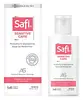
This calming moisturizer is formulated around Niacinamide and Bisabolol to calm redness and strengthen the skin barrier.
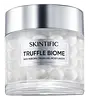
This barrier-repair moisturizer is formulated around Ceramide EOP and Bifida Ferment Lysate to strengthen the skin barrier and hydrate skin.


What's inside
What's inside
 Key Ingredients
Benefits
Concerns
Ingredients Side-by-side
Water
Skin ConditioningNiacinamide
Smoothing











Glycerin
Humectant
Betaine
Humectant
Butylene Glycol
Humectant
Biosaccharide Gum-1
Humectant
Dimethicone
Emollient
Cyclopentasiloxane
Emollient
Carbomer
Emulsion StabilisingCyclohexasiloxane
Emollient
Bisabolol
Antioxidant
Aminomethyl Propanol
BufferingSodium Polyacrylate
Absorbent
Xanthan Gum
EmulsifyingDisodium EDTA
Sodium Hyaluronate
Humectant
Diethylhexyl Syringylidenemalonate
Skin Protecting
Trideceth-6
EmulsifyingPEG/PPG-18/18 Dimethicone
Emulsifying
Zinc Lactate
Alpha-Glucan Oligosaccharide
Cleansing
Salicylic Acid
Masking





Caprylic/Capric Triglyceride
Masking
Polymnia Sonchifolia Root Juice
Skin ConditioningDextrin
AbsorbentPolydextrose
HumectantMaltodextrin
Absorbent
Amylopectin
Zingiber Officinale Root Extract
Masking
Glycyrrhiza Glabra Root Extract
Bleaching
Anthemis Nobilis Flower Extract
Masking
Aloe Barbadensis Leaf Extract
Emollient
Lactobacillus
Skin ConditioningPhenoxyethanol
Preservative
Chlorphenesin
Antimicrobial
Water, Niacinamide, Glycerin, Betaine, Butylene Glycol, Biosaccharide Gum-1, Dimethicone, Cyclopentasiloxane, Carbomer, Cyclohexasiloxane, Bisabolol, Aminomethyl Propanol, Sodium Polyacrylate, Xanthan Gum, Disodium EDTA, Sodium Hyaluronate, Diethylhexyl Syringylidenemalonate, Trideceth-6, PEG/PPG-18/18 Dimethicone, Zinc Lactate, Alpha-Glucan Oligosaccharide, Salicylic Acid, Caprylic/Capric Triglyceride, Polymnia Sonchifolia Root Juice, Dextrin, Polydextrose, Maltodextrin, Amylopectin, Zingiber Officinale Root Extract, Glycyrrhiza Glabra Root Extract, Anthemis Nobilis Flower Extract, Aloe Barbadensis Leaf Extract, Lactobacillus, Phenoxyethanol, Chlorphenesin
Water
Skin ConditioningButylene Glycol
Humectant
Glycerin
Humectant
Tuber Magnatum Extract
Skin ConditioningCeramide EOP
Skin Conditioning
Ceramide Ns
Skin Conditioning
Ceramide Ng
Skin Conditioning
Lactobacillus/Soymilk Ferment Filtrate
Skin ConditioningBifida Ferment Lysate
Skin Conditioning
Ceramide NP
Skin Conditioning
Ceramide As
Skin Conditioning
Ceramide AP
Skin Conditioning
Hyaluronic Acid
Humectant
Centella Asiatica Extract
Cleansing
Dipropylene Glycol
HumectantIsohexadecane
EmollientEthylhexyl Palmitate
Emollient


Panthenol
Skin Conditioning
Hydroxyethyl Urea
Humectant
Hydroxyethylpiperazine Ethane Sulfonic Acid
BufferingCetearyl Alcohol
Emollient
1,2-Hexanediol
Skin Conditioning
Acrylates/C10-30 Alkyl Acrylate Crosspolymer
Emulsion StabilisingCarbomer
Emulsion StabilisingAllantoin
Skin Conditioning
Propanediol
Solvent
Vp/Hexadecene Copolymer
Hydroxyacetophenone
Antioxidant
Bisabolol
Antioxidant
Pentylene Glycol
Skin Conditioning
Gentiana Scabra Root Extract
Skin ConditioningCynanchum Atratum Extract
Skin ConditioningXanthan Gum
EmulsifyingInulin
Skin Conditioning
Polyglyceryl-10 Stearate
Skin Conditioning
Disodium EDTA
Ethylhexylglycerin
Skin ConditioningCaprylic/Capric Triglyceride
Masking
C13-14 Isoparaffin
Emollient
Centella Asiatica Root Extract
Skin Conditioning
Alpha-Glucan Oligosaccharide
Cleansing
Crocus Sativus Flower Extract
MaskingPiper Methysticum Leaf/Root/Stem Extract
Skin ConditioningPPG-26-Buteth-26
Skin ConditioningLactococcus Ferment Lysate
Skin Conditioning
Zingiber Officinale Root Extract
Masking
Caprylhydroxamic Acid
Water, Butylene Glycol, Glycerin, Tuber Magnatum Extract, Ceramide EOP, Ceramide Ns, Ceramide Ng, Lactobacillus/Soymilk Ferment Filtrate, Bifida Ferment Lysate, Ceramide NP, Ceramide As, Ceramide AP, Hyaluronic Acid, Centella Asiatica Extract, Dipropylene Glycol, Isohexadecane, Ethylhexyl Palmitate, Panthenol, Hydroxyethyl Urea, Hydroxyethylpiperazine Ethane Sulfonic Acid, Cetearyl Alcohol, 1,2-Hexanediol, Acrylates/C10-30 Alkyl Acrylate Crosspolymer, Carbomer, Allantoin, Propanediol, Vp/Hexadecene Copolymer, Hydroxyacetophenone, Bisabolol, Pentylene Glycol, Gentiana Scabra Root Extract, Cynanchum Atratum Extract, Xanthan Gum, Inulin, Polyglyceryl-10 Stearate, Disodium EDTA, Ethylhexylglycerin, Caprylic/Capric Triglyceride, C13-14 Isoparaffin, Centella Asiatica Root Extract, Alpha-Glucan Oligosaccharide, Crocus Sativus Flower Extract, Piper Methysticum Leaf/Root/Stem Extract, PPG-26-Buteth-26, Lactococcus Ferment Lysate, Zingiber Officinale Root Extract, Caprylhydroxamic Acid
Reviews
Ingredients Explained
These ingredients are found in both products.
Ingredients higher up in an ingredient list are typically present in a larger amount.
Alpha-Glucan Oligosaccharide is a prebiotic. It prevents harmful bacteria from growing on skin by keeping the skin's microbiome in balance.
Another benefit of this ingredient is its antioxidant properties. Antioxidants protect our skin from oxidative damage.
Bisabolol is a gentle skin conditioner, antioxidant, and soothing ingredient.
It's primary claim to fame is soothing and research shows topically applied bisabolol can quiet the chemical messengers that cause your skin to become inflamed, helping to sooth any irritation.
A clinical study found that applying 0.5% bisabolol daily for 8 weeks produced an average 9% decrease in skin pigmentation. Researchers found it can also suppress the process that leads to excess melanin production in skin.
In vitro studies found that bisabolol combined with propylene glycol significantly increased skin permeability by increasing lipid fluidity in the stratum corneum.
You'll likely see use concentrations quite low, usually 0.1-0.2%.
Overall, this is a well-tolerated ingredient that works well in formulas designed for sensitive, reactive, or post-procedure skin.
Learn more about BisabololButylene Glycol (or BG) is used within cosmetic products for a few different reasons:
Overall, Butylene Glycol is a safe and well-rounded ingredient that works well with other ingredients.
Though this ingredient works well with most skin types, some people with sensitive skin may experience a reaction such as allergic rashes, closed comedones, or itchiness.
Learn more about Butylene GlycolCaprylic/Capric Triglyceride (aka MCT Oil) is a lightweight emollient, solvent, and texture enhancer. It is considered a skin-softener by helping to prevent moisture loss.
Though it behaves like an oil, it is not technically one due to its chemical composition. One perk of this ingredient is that it is very stable, resistant to oxidation, and unlikely to go rancid.
In practice, that translates to a long shelf life and a consistently elegant skin feel.
While there is an assumption Caprylic Triglyceride can clog pores due to it being derived from coconut oil, there is no research supporting this. Just patch test if you have concerns.
Fractionated coconut oil and MCT Oil are both listed as Caprylic/Capric Triglyceride according to INCI. This is because INCI names are based on the ingredient’s final chemical composition and not its marketing name or source.
This ingredient is treated as the gold standard fungal acne safe oil. Even though it is coconut derived, the problematic lauric acid is stripped out.
This leaves just caprylic (C8) and capric (C10) acid. These chain lengths actually trend antifungal; a 2020 study found caprylic acid was enough to disrupt Malassezia furfur cell membrane, with a caprylic acid derivative damaging membrane structures at concentrations as low as 0.2%.
Learn more about Caprylic/Capric TriglycerideCarbomer is a synthetic thickening and gelling agent. It's basically the ingredient that gives a lot of serums, gels, creams, and sunscreens their smooth, non-sticky texture.
Although legally permitted at very high levels, carbomers are normally used at concentrations below 1%.
It also needs to be neutralized to actually thicken, and because it is a large molecule, it doesn't really penetrate the skin barrier.
Allergy-wise, the risk is very low. Clinical studies show carbomers have low potential for skin irritation/sensitization even at concentrations up to 100%.
A 2024 UK study patch-tested 1,302 patients and found true allergy to the parent group of carbomer to be rare with no confirmed relevant reactions.
Learn more about CarbomerDisodium EDTA is a chelating agent. It grabs onto and deactivates metal ions that sneak into your products from water, packaging, or air.
This ingredient mainly works behind the scenes and helps with:
On top of that, this ingredient can counteract the effects of hard water by binding to the minerals in it.
One thing worth knowing is that Disodium EDTA has been shown to be a mild penetration enhancer. It can help other ingredients absorb into skin more effectively which can be a double-edged sword (great for actives, but can also make the active too strong if you have sensitive skin).
Clinical patch testing showed no significant skin irritation at typical use concentrations and minimal dermal absorption.
You'll most likely see this ingredient near the end of an ingredient list. It's typically found in concentrations less than 1%.
Learn more about Disodium EDTAGlycerin (or glycerol) is a compound naturally found in your skin. It's a powerhouse humectant that pulls water into the stratum corneum.
Topically, glycerin does several things at once:
Your skin makes glycerin on its own (mostly from sebaceous oil breakdown) and shuttles it to your outermost layer of skin, or your epidermis, via aquaporin-3.
Aquaporin-3 is a transporter that is essential for normal skin hydration, elasticity, and repair. Interestingly, mice lacking in AQP3 have dry and less elastic skin that can be fully corrected with glycerin.
This ingredient is non-irritating, plays well with almost every ingredient, and works across all skin types. Typical use is anywhere between 3-10% but can go up to 79% in some leave-on products.
Just know very high concentrations (>40%) can feel tacky in low humidity.
Glycerin is the name for this ingredient in American English. British English uses Glycerol/Glycerine.
Learn more about GlycerinWater. It's the most common cosmetic ingredient of all. You'll usually see it at the top of ingredient lists, meaning that it makes up the largest part of the product.
So why is it so popular? Water most often acts as a solvent - this means that it helps dissolve other ingredients into the formulation.
You'll also recognize water as that liquid we all need to stay alive. If you see this, drink a glass of water. Remember to stay hydrated!
Learn more about WaterXanthan gum is used as a stabilizer and thickener within cosmetic products. It helps give products a sticky, thick feeling - preventing them from being too runny.
On the technical side of things, xanthan gum is a polysaccharide - a combination consisting of multiple sugar molecules bonded together.
Xanthan gum is a pretty common and great ingredient. It is a natural, non-toxic, non-irritating ingredient that is also commonly used in food products.
Learn more about Xanthan GumZingiber Officinale is more commonly known as ginger.
Ginger root has antioxidant, anti-inflammation, and antimicrobial properties.
The antioxidant properties help protect your body from free-radicals. Free-radicals are molecules that may damage your skin cells. As a result, ginger may help slow down signs of aging such as hyperpigmentation and wrinkles.
Studies show ginger inhibits the enzyme that breaks down collagen. It also helps with:
This ingredient has no negative side-effects and is safe to use unless one has a specific allergy to it.
Ginger originates from Southeast Asia but has spread throughout the world. It is now a common spice used in many cultures.
Learn more about Zingiber Officinale Root Extract

