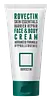
This calming night moisturizer is formulated around Calophyllum Inophyllum Seed Oil and Macadamia Integrifolia Seed Oil to calm redness and hydrate skin.

What's inside
What's inside
 Key Ingredients
Benefits
Concerns
Ingredients Side-by-side
Water
Skin ConditioningGlycerin
Humectant


Caprylic/Capric Triglyceride
Masking
Butylene Glycol
Humectant
Panthenol
Skin Conditioning

Palmitic Acid
Emollient




Stearic Acid
Cleansing
Hydrogenated Poly(C6-14 Olefin)
EmollientLimnanthes Alba Seed Oil
Skin Conditioning
1,2-Hexanediol
Skin Conditioning
Ceramide NP
Skin Conditioning

Tocopherol
Antioxidant



Astaxanthin
Skin Conditioning
Prunus Persica Kernel Oil
Emollient
Eclipta Prostrata Extract
Skin Conditioning
Melia Azadirachta Flower Extract
Skin ConditioningMelia Azadirachta Leaf Extract
Skin ConditioningCurcuma Longa Root Extract
Antioxidant
Ocimum Sanctum Leaf Extract
Skin ConditioningCorallina Officinalis Extract
Skin Conditioning
Moringa Oleifera Seed Oil
Emollient
Hydrogenated Vegetable Oil
Emollient
Haematococcus Pluvialis Extract
Antioxidant
Polyglyceryl-3 Methylglucose Distearate
Emulsifying
Polymethylsilsesquioxane

Pentylene Glycol
Skin Conditioning
Tromethamine
BufferingAcrylates/C10-30 Alkyl Acrylate Crosspolymer
Emulsion StabilisingCaprylyl Glycol
Emollient
Ethylhexylglycerin
Skin ConditioningSodium Phytate
ChelatingHydrogenated Lecithin
Emulsifying
Water, Glycerin, Caprylic/Capric Triglyceride, Butylene Glycol, Panthenol, Palmitic Acid, Stearic Acid, Hydrogenated Poly(C6-14 Olefin), Limnanthes Alba Seed Oil, 1,2-Hexanediol, Ceramide NP, Tocopherol, Astaxanthin, Prunus Persica Kernel Oil, Eclipta Prostrata Extract, Melia Azadirachta Flower Extract, Melia Azadirachta Leaf Extract, Curcuma Longa Root Extract, Ocimum Sanctum Leaf Extract, Corallina Officinalis Extract, Moringa Oleifera Seed Oil, Hydrogenated Vegetable Oil, Haematococcus Pluvialis Extract, Polyglyceryl-3 Methylglucose Distearate, Polymethylsilsesquioxane, Pentylene Glycol, Tromethamine, Acrylates/C10-30 Alkyl Acrylate Crosspolymer, Caprylyl Glycol, Ethylhexylglycerin, Sodium Phytate, Hydrogenated Lecithin
Citrus Junos Fruit Water 65%
Masking
Calophyllum Inophyllum Seed Oil 5%
Antimicrobial
Macadamia Integrifolia Seed Oil 5%
Skin Conditioning
Propanediol
Solvent
Isoamyl Laurate
Emollient
Cetearyl Alcohol
Emollient
Butyrospermum Parkii Butter 2%
Skin Conditioning
Water
Skin ConditioningStearic Acid
Cleansing
Glycol Stearate
Emollient
Glycerin
Humectant
Cetearyl Glucoside
Emulsifying
Akebia Quinata Extract
Skin ConditioningSodium Hyaluronate
Humectant
Centella Asiatica Extract
Cleansing
Polygonum Cuspidatum Root Extract
Antioxidant
Camellia Sinensis Leaf Extract
Antimicrobial

Chamomilla Recutita Flower Extract
Masking
Rosmarinus Officinalis Leaf Extract
AntimicrobialBeeswax
Emulsion Stabilising
Cetearyl Olivate
Sorbitan Olivate
Emulsifying
Hydrogenated Vegetable Oil
Emollient
Allantoin
Skin Conditioning
Tocopherol
Antioxidant
Beta-Glucan
Skin Conditioning
Scutellaria Baicalensis Root Extract
Astringent
Paeonia Suffruticosa Root Extract
Skin ProtectingGlycyrrhiza Glabra Root Extract
Bleaching
Arginine
Masking
P-Anisic Acid
MaskingSclerotium Gum
Emulsion StabilisingCitric Acid
Buffering
Citrus Junos Fruit Water 65%, Calophyllum Inophyllum Seed Oil 5%, Macadamia Integrifolia Seed Oil 5%, Propanediol, Isoamyl Laurate, Cetearyl Alcohol, Butyrospermum Parkii Butter 2%, Water, Stearic Acid, Glycol Stearate, Glycerin, Cetearyl Glucoside, Akebia Quinata Extract, Sodium Hyaluronate, Centella Asiatica Extract, Polygonum Cuspidatum Root Extract, Camellia Sinensis Leaf Extract, Chamomilla Recutita Flower Extract, Rosmarinus Officinalis Leaf Extract, Beeswax, Cetearyl Olivate, Sorbitan Olivate, Hydrogenated Vegetable Oil, Allantoin, Tocopherol, Beta-Glucan, Scutellaria Baicalensis Root Extract, Paeonia Suffruticosa Root Extract, Glycyrrhiza Glabra Root Extract, Arginine, P-Anisic Acid, Sclerotium Gum, Citric Acid
Ingredients Explained
These ingredients are found in both products.
Ingredients higher up in an ingredient list are typically present in a larger amount.
Glycerin (or glycerol) is a compound naturally found in your skin. It's a powerhouse humectant that pulls water into the stratum corneum.
Topically, glycerin does several things at once:
Your skin makes glycerin on its own (mostly from sebaceous oil breakdown) and shuttles it to your outermost layer of skin, or your epidermis, via aquaporin-3.
Aquaporin-3 is a transporter that is essential for normal skin hydration, elasticity, and repair. Interestingly, mice lacking in AQP3 have dry and less elastic skin that can be fully corrected with glycerin.
This ingredient is non-irritating, plays well with almost every ingredient, and works across all skin types. Typical use is anywhere between 3-10% but can go up to 79% in some leave-on products.
Just know very high concentrations (>40%) can feel tacky in low humidity.
Glycerin is the name for this ingredient in American English. British English uses Glycerol/Glycerine.
Learn more about GlycerinHydrogenated Vegetable Oil isn't a single oil. It's the labeling name for a blend of plant-derived oils that can include canola, rapeseed, safflower, sunflower, sesame, palm, palm kernel, cotton, soybean, olive, and more.
Hydrogenation is the processing step that reduces or removes the unsaturated bonds in the fatty acids to make the oil more resistant to oxidative and thermal damage.
In cosmetics, it acts as a skin conditioner, occlusive, and emollient that give products a rich body.
Concentrations are reported from 0.0004% to 60% with leave-on products going as high as 60% and rinse-off products staying at 8% or below.
The Cosmetic Ingredient Review has concluded this ingredient to be safe as used in cosmetics.
This ingredient does have a comedogenic rating of 3, but this doesn't mean a formula with this ingredient will clog pores. Human testing has proved that any finished product with this ingredient won't automatically make you break out; it really comes down to concentration, formula, and your skin.
Since this ingredient is a triglyceride built mostly from C16 and C18 fatty acids, this ingredient may not be fungal acne safe as that falls into the range the Malassezia yeast can metabolize.
Allergy-wise, the proteins responsible for plant food allergies are taken out of the refined oil. This is why reactions to refined oils are rare even from highly allergenic sources like peanut. Well-designed studies have also shown refined peanut oil is safely tolerated by the vast majority of peanut-allergic people.
However, the issue is with unrefined oils; be sure to reach out to the manufacturer if you have a plant food allergy about the type of oil used in their products.
The other catch for this INCI name is that it doesn't tell you which plants are in the blend so you would need to ask the brand.
Learn more about Hydrogenated Vegetable OilStearic Acid is a fatty acid that is already found in your skin. It's one of the free fatty acids that works alongside ceramides and cholesterols to maintain your barrier.
In cosmetics, it is a multitasker:
Safety-wise, the CIR Expert Panel has concluded it to be safe in cosmetics when formulated to be non-irritating and non-sensitizing.
Free stearic acid is a C18 fatty acid that the Malassezia yeast can substrate, so this ingredient may not be fungal acne safe.
Learn more about Stearic AcidTocopherol is a fat-soluble antioxidant known as Vitamin E.
You'll find this ingredient in the vast majority of skincare (for good reason). It works to neutralize free radicals, or unstable molecules generated by UV exposure, pollution, and other environmental stressors, before they can cause oxidative damage to your skin cells.
Topically applied tocopherol has been shown to protect against UV damage by ramping up the skin's own natural defense enzymes.
It also acts as a skin conditioning agent; some studies show that regular topical use can improve the skin's water-binding capacity over 2-4 weeks.
This ingredient is especially loved for being a team player. When combined with Vitamin C, the photoprotective effect of both ingredients roughly doubles and the combo also helps reduce UV-induced DNA damage.
This ingredient has some brightening potential but it's more of a prevention ingredient than spot-fader. Cell studies show it can slow down melanin production but it's worth noting that it's not the most powerful brightener out there.
In formulations, it also serves as a stabilizer that helps protect other oxidation-prone ingredients from degrading.
Concentrations usually range from 0.1-1% in most leave-on products.
Learn more about TocopherolWater. It's the most common cosmetic ingredient of all. You'll usually see it at the top of ingredient lists, meaning that it makes up the largest part of the product.
So why is it so popular? Water most often acts as a solvent - this means that it helps dissolve other ingredients into the formulation.
You'll also recognize water as that liquid we all need to stay alive. If you see this, drink a glass of water. Remember to stay hydrated!
Learn more about Water

