This barrier-repair moisturizer is formulated around Ceramide NP and Panthenol to strengthen the skin barrier and hydrate skin.
This barrier-repair moisturizer is formulated around Hyaluronic Acid and Camellia Sinensis Leaf Extract to strengthen the skin barrier and hydrate skin.

What's inside
What's inside
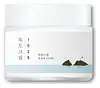 Key Ingredients
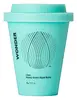
Benefits
Concerns
Ingredients Side-by-side
Water
Skin ConditioningGlycerin
Humectant


Caprylic/Capric Triglyceride
Masking
Dipropylene Glycol
HumectantHydrogenated Poly(C6-14 Olefin)
EmollientCetearyl Alcohol
Emollient





Methyl Trimethicone
Skin Conditioning
1,2-Hexanediol
Skin Conditioning
Caprylyl Methicone
Skin Conditioning
Phenyl Trimethicone
Skin Conditioning
C12-16 Alcohols
EmollientButyrospermum Parkii Butter
Skin Conditioning
Sea Water
HumectantChondrus Crispus Extract
Skin Conditioning
Saccharum Officinarum Extract
MoisturisingHyaluronic Acid
Humectant

Hydrolyzed Hyaluronic Acid
Humectant
Sodium Hyaluronate
Humectant
Glyceryl Stearate Se
Emulsifying
Ceramide AP
Skin Conditioning

Ceramide As
Skin Conditioning
Ceramide EOP
Skin Conditioning
Ceramide NP
Skin Conditioning
Ceramide Ns
Skin Conditioning
Polymethylsilsesquioxane
Palmitic Acid
Emollient
Cetearyl Glucoside
Emulsifying
Cetearyl Olivate
Sorbitan Olivate
Emulsifying
Hydrogenated Lecithin
Emulsifying
Copernicia Cerifera Wax
Stearic Acid
Cleansing
Ammonium Acryloyldimethyltaurate/Vp Copolymer
Ethylhexylglycerin
Skin ConditioningGlyceryl Caprylate
EmollientAllantoin
Skin Conditioning
Panthenol
Skin Conditioning
Butylene Glycol
Humectant
Beta-Glucan
Skin Conditioning
Cholesterol
Emollient
Phytosphingosine
Skin Conditioning
Disodium EDTA
ChelatingWater, Glycerin, Caprylic/Capric Triglyceride, Dipropylene Glycol, Hydrogenated Poly(C6-14 Olefin), Cetearyl Alcohol, Methyl Trimethicone, 1,2-Hexanediol, Caprylyl Methicone, Phenyl Trimethicone, C12-16 Alcohols, Butyrospermum Parkii Butter, Sea Water, Chondrus Crispus Extract, Saccharum Officinarum Extract, Hyaluronic Acid, Hydrolyzed Hyaluronic Acid, Sodium Hyaluronate, Glyceryl Stearate Se, Ceramide AP, Ceramide As, Ceramide EOP, Ceramide NP, Ceramide Ns, Polymethylsilsesquioxane, Palmitic Acid, Cetearyl Glucoside, Cetearyl Olivate, Sorbitan Olivate, Hydrogenated Lecithin, Copernicia Cerifera Wax, Stearic Acid, Ammonium Acryloyldimethyltaurate/Vp Copolymer, Ethylhexylglycerin, Glyceryl Caprylate, Allantoin, Panthenol, Butylene Glycol, Beta-Glucan, Cholesterol, Phytosphingosine, Disodium EDTA
Water
Skin ConditioningPropanediol
Solvent
Glycerin
Humectant
1,2-Hexanediol
Skin Conditioning
Cyclopentasiloxane
Emollient
Cyclohexasiloxane
Emollient
Sclerotium Gum
Emulsion StabilisingBetaine
Humectant
Hyaluronic Acid
Humectant
Carbomer
Emulsion StabilisingXanthan Gum
EmulsifyingTocopherol
Antioxidant



Tromethamine
BufferingCamellia Sinensis Leaf Extract
Antimicrobial

Saccharomyces Ferment
Skin Conditioning
Lactobacillus Ferment
Skin Conditioning
Honey
Humectant
Caprylyl Glycol
Emollient
Benzyl Salicylate
Perfuming



Citral
Perfuming
Ethyl Linalool
Masking
Tetramethyl Acetyloctahydronaphthalenes
Masking
Methyldihydrojasmonate
MaskingDisodium EDTA
ChelatingCetyl Ethylhexanoate
EmollientCI 61565
Cosmetic ColorantWater, Propanediol, Glycerin, 1,2-Hexanediol, Cyclopentasiloxane, Cyclohexasiloxane, Sclerotium Gum, Betaine, Hyaluronic Acid, Carbomer, Xanthan Gum, Tocopherol, Tromethamine, Camellia Sinensis Leaf Extract, Saccharomyces Ferment, Lactobacillus Ferment, Honey, Caprylyl Glycol, Benzyl Salicylate, Citral, Ethyl Linalool, Tetramethyl Acetyloctahydronaphthalenes, Methyldihydrojasmonate, Disodium EDTA, Cetyl Ethylhexanoate, CI 61565
Reviews
Ingredients Explained
These ingredients are found in both products.
Ingredients higher up in an ingredient list are typically present in a larger amount.
1,2-Hexanediol is a synthetic liquid and another multi-functional powerhouse.
It is a:
- Humectant, drawing moisture into the skin
- Emollient, helping to soften skin
- Solvent, dispersing and stabilizing formulas
- Preservative booster, enhancing the antimicrobial activity of other preservatives
Disodium EDTA is a chelating agent. It grabs onto and deactivates metal ions that sneak into your products from water, packaging, or air.
This ingredient mainly works behind the scenes and helps with:
On top of that, this ingredient can counteract the effects of hard water by binding to the minerals in it.
One thing worth knowing is that Disodium EDTA has been shown to be a mild penetration enhancer. It can help other ingredients absorb into skin more effectively which can be a double-edged sword (great for actives, but can also make the active too strong if you have sensitive skin).
Clinical patch testing showed no significant skin irritation at typical use concentrations and minimal dermal absorption.
You'll most likely see this ingredient near the end of an ingredient list. It's typically found in concentrations less than 1%.
Learn more about Disodium EDTAGlycerin (or glycerol) is a compound naturally found in your skin. It's a powerhouse humectant that pulls water into the stratum corneum.
Topically, glycerin does several things at once:
Your skin makes glycerin on its own (mostly from sebaceous oil breakdown) and shuttles it to your outermost layer of skin, or your epidermis, via aquaporin-3.
Aquaporin-3 is a transporter that is essential for normal skin hydration, elasticity, and repair. Interestingly, mice lacking in AQP3 have dry and less elastic skin that can be fully corrected with glycerin.
This ingredient is non-irritating, plays well with almost every ingredient, and works across all skin types. Typical use is anywhere between 3-10% but can go up to 79% in some leave-on products.
Just know very high concentrations (>40%) can feel tacky in low humidity.
Glycerin is the name for this ingredient in American English. British English uses Glycerol/Glycerine.
Learn more about GlycerinHyaluronic acid (HA) is a glycosaminoglycan (basically a long sugar chain) that your skin already makes on its own. In your skin, HA lives in the extracellular matrix and acts as the body's moisture reservoir.
Topically, HA is a humectant that binds water and helps skin look more plump, smooth, and hydrated.
The only catch is that HA isn't a single thing; it actually comes in a wide range of molecular weights (~50 - 2,000+ kDA) and size matters.
Some clinical evidence links low molecular weight versions to improved wrinkle depth, elasticity, anti-inflammatory effects, and barrier repair.
This is why the best HA serums blend the two sizes together so you get the best of both worlds.
The majority of cosmetic HA is produced by bacterial fermentation, typically using Streptococcus or Bacillus strains. Typical use levels in skincare sit around 0.1-2%.
A clinical study using a 0.2% low-molecular weight HA gel showed improvement in facial seborrheic dermatitis with excellent tolerance.
These are some other common types of Hyaluronic Acid:
Learn more about Hyaluronic AcidWater. It's the most common cosmetic ingredient of all. You'll usually see it at the top of ingredient lists, meaning that it makes up the largest part of the product.
So why is it so popular? Water most often acts as a solvent - this means that it helps dissolve other ingredients into the formulation.
You'll also recognize water as that liquid we all need to stay alive. If you see this, drink a glass of water. Remember to stay hydrated!
Learn more about Water

