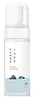
This mild foaming cleanser is made to cleanse without leaving your skin tight or dry.
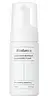
This mild foaming cleanser is made to cleanse while respecting your skin barrier.

What's inside
What's inside
 Key Ingredients
Benefits
Concerns
Ingredients Side-by-side
Water
Skin ConditioningDisodium Cocoyl Glutamate
Cleansing
Glycerin
Humectant


Coco-Glucoside
Cleansing
Disodium Cocoamphodiacetate
CleansingLauryl Glucoside
CleansingMethylpropanediol
SolventButylene Glycol
Humectant
Sea Water
HumectantHyaluronic Acid
Humectant

Hydrolyzed Hyaluronic Acid
Humectant
Sodium Hyaluronate
Humectant
Decyl Glucoside
Cleansing
Salix Alba Bark Extract
Astringent


Camellia Sinensis Leaf Extract
Antimicrobial


Centella Asiatica Leaf Extract
Skin Conditioning
Pinus Densiflora Leaf Extract
Antimicrobial
Citrus Aurantium Bergamia Leaf Extract
AstringentCoffea Arabica Seed Extract
Masking
Cladosiphon Okamuranus Extract
Skin Conditioning

Dipotassium Glycyrrhizate
Humectant
Panthenol
Skin Conditioning
Allantoin
Skin Conditioning
Salicylic Acid
Masking






Ethylhexylglycerin
Skin ConditioningSodium Chloride
MaskingCaprylyl Glycol
Emollient
Ethoxydiglycol
HumectantGlyceryl Caprylate
EmollientQuillaja Saponaria Bark Extract
CleansingPolyglyceryl-10 Myristate
Skin Conditioning
Sodium Citrate
BufferingDipropylene Glycol
HumectantPolyglyceryl-10 Laurate
Skin Conditioning
Sodium Cocoyl Isethionate
Cleansing
Glycereth-26
Humectant
Propanediol
Solvent
Sodium Phytate
1,2-Hexanediol
Skin Conditioning
Citric Acid
Buffering
2,3-Butanediol
HumectantWater, Disodium Cocoyl Glutamate, Glycerin, Coco-Glucoside, Disodium Cocoamphodiacetate, Lauryl Glucoside, Methylpropanediol, Butylene Glycol, Sea Water, Hyaluronic Acid, Hydrolyzed Hyaluronic Acid, Sodium Hyaluronate, Decyl Glucoside, Salix Alba Bark Extract, Camellia Sinensis Leaf Extract, Centella Asiatica Leaf Extract, Pinus Densiflora Leaf Extract, Citrus Aurantium Bergamia Leaf Extract, Coffea Arabica Seed Extract, Cladosiphon Okamuranus Extract, Dipotassium Glycyrrhizate, Panthenol, Allantoin, Salicylic Acid, Ethylhexylglycerin, Sodium Chloride, Caprylyl Glycol, Ethoxydiglycol, Glyceryl Caprylate, Quillaja Saponaria Bark Extract, Polyglyceryl-10 Myristate, Sodium Citrate, Dipropylene Glycol, Polyglyceryl-10 Laurate, Sodium Cocoyl Isethionate, Glycereth-26, Propanediol, Sodium Phytate, 1,2-Hexanediol, Citric Acid, 2,3-Butanediol
Water
Skin ConditioningGlycerin
Humectant
Coco-Betaine
Cleansing
Disodium Cocoamphodiacetate
CleansingSodium Chloride
MaskingButylene Glycol
Humectant
Methylpropanediol
SolventPotassium Cocoyl Glycinate
Surfactant
Pentylene Glycol
Skin Conditioning
Sodium Citrate
BufferingCoco-Glucoside
Cleansing
Citric Acid
Buffering
Polyglyceryl-4 Caprate
EmulsifyingCedrus Atlantica Bark Oil
Masking



Caprylyl Glycol
Emollient
Chlorella Vulgaris Extract
Skin ConditioningGlucose
Humectant
Fructooligosaccharides
Humectant
Fructose
Humectant
Sodium Cocoyl Isethionate
Cleansing
Sodium Phytate
1,2-Hexanediol
Skin Conditioning
Hexylene Glycol
EmulsifyingPanthenol
Skin Conditioning
Quillaja Saponaria Bark Extract
CleansingRosmarinus Officinalis Leaf Oil
Masking
Anthemis Nobilis Flower Oil
Masking
Salvia Sclarea Oil
Masking
Camellia Sinensis Leaf Extract
Antimicrobial
Ethylhexylglycerin
Skin ConditioningAngelica Keiskei Extract
Antioxidant
Corchorus Olitorius Leaf Extract
Skin ConditioningDioscorea Japonica Root Extract
Skin Conditioning
Hibiscus Esculentus Fruit Extract
Skin ConditioningNelumbo Nucifera Root Extract
Skin ConditioningWater, Glycerin, Coco-Betaine, Disodium Cocoamphodiacetate, Sodium Chloride, Butylene Glycol, Methylpropanediol, Potassium Cocoyl Glycinate, Pentylene Glycol, Sodium Citrate, Coco-Glucoside, Citric Acid, Polyglyceryl-4 Caprate, Cedrus Atlantica Bark Oil, Caprylyl Glycol, Chlorella Vulgaris Extract, Glucose, Fructooligosaccharides, Fructose, Sodium Cocoyl Isethionate, Sodium Phytate, 1,2-Hexanediol, Hexylene Glycol, Panthenol, Quillaja Saponaria Bark Extract, Rosmarinus Officinalis Leaf Oil, Anthemis Nobilis Flower Oil, Salvia Sclarea Oil, Camellia Sinensis Leaf Extract, Ethylhexylglycerin, Angelica Keiskei Extract, Corchorus Olitorius Leaf Extract, Dioscorea Japonica Root Extract, Hibiscus Esculentus Fruit Extract, Nelumbo Nucifera Root Extract
Reviews
Ingredients Explained
These ingredients are found in both products.
Ingredients higher up in an ingredient list are typically present in a larger amount.
1,2-Hexanediol is a synthetic liquid and another multi-functional powerhouse.
It is a:
- Humectant, drawing moisture into the skin
- Emollient, helping to soften skin
- Solvent, dispersing and stabilizing formulas
- Preservative booster, enhancing the antimicrobial activity of other preservatives
Butylene Glycol (or BG) is used within cosmetic products for a few different reasons:
Overall, Butylene Glycol is a safe and well-rounded ingredient that works well with other ingredients.
Though this ingredient works well with most skin types, some people with sensitive skin may experience a reaction such as allergic rashes, closed comedones, or itchiness.
Learn more about Butylene GlycolCamellia Sinensis Leaf Extract (tea extract) is one of the most well-researched plant extracts in skincare with an impressive resume.
Black tea, green tea, and oolong tea are all harvested from the Camellia Sinensis plant.
Studies show green tea extract and its catechins (like epigallocatechin gallate (EGCG)) help your skin cells product energy more efficiently and reducing the number of free-radicals that can damage your skin from the inside.
In lab-grown skin models, this translated to younger, healthier, and stronger skin.
There's also good sun protection data; researchers saw less DNA damage and redness on human skin when green tea was applied before UVB exposure. And the more they applied, the better the protection.
Needless to say, this ingredient shouldn't replace your sunscreen. But it is a great supportive ingredient that you can already find in many sunscreens and antioxidant serums.
A 2009 study found a 2% green tea lotion was effective for mild-to-moderate acne thanks to its anti-inflammatory and mild antimicrobial activity.
The quality of the extract matters a lot here:
Good extracts contain 50-90% catechins while lower quality ones are mostly there for marketing. We recommend reaching out to the brand if you have questions about the quality or source of their ingredients.
Human Repeated Insult Patch Testing showed no irritation or sensitization at use concentrations (0.86% in leave-on products and up to 30% as leaf water).
Learn more about Camellia Sinensis Leaf ExtractCaprylyl Glycol is a humectant, skin conditioner, emollient, and preservative booster derived from either caprylic acid or synthetically created.
Typical use levels vary from 0.3-1% as a preservative booster and go up to 2% to condition skin.
Because it is not a free-fatty acid, this ingredient is fungal acne safe (there's nothing for Malassezia to feed on).
Learn more about Caprylyl GlycolCitric Acid is an alpha hydroxy acid (AHA) naturally found in citrus fruits like oranges, lemons, and limes.
Like other AHAs, citric acid can exfoliate skin by breaking down the bonds that hold dead skin cells together. This helps reveal smoother and brighter skin underneath.
However, this exfoliating effect only happens at high concentrations (20%) which can be hard to find in cosmetic products.
Due to this, citric acid is usually included in small amounts as a pH adjuster. This helps keep products slightly more acidic and compatible with skin's natural pH.
In skincare formulas, citric acid can:
While it can provide some skin benefits, research shows lactic acid and glycolic acid are generally more effective and less irritating exfoliants.
Most citric acid used in skincare today is made by fermenting sugars (usually from molasses). This synthetic version is identical to the natural citrus form but easier to stabilize and use in formulations.
Rosacea skin has a lower threshold for acids generally, with 62.5% of rosacea subjects in one study reacting to lactic acid in a sting test. This is why we mark citric acid as a potential rosacea trigger.
However, this ingredient shows up as a pH adjuster or chelator at roughly 0.1-1% in many products. These low levels are unlikely to be an issue for rosacea skin and becomes a potential trigger at exfoliating concentrations (20%). Because everybody's skin is unique, we recommend a patch test if you are unsure.
Learn more about Citric AcidCoco-Glucoside is a surfactant, or a cleansing ingredient. It is made from glucose and coconut oil.
Surfactants help gather dirt, oil, and other pollutants from your skin to be rinsed away.
This ingredient is considered gentle and non-comedogenic. However, it may still be irritating for some.
Learn more about Coco-GlucosideDisodium Cocoamphodiacetate is a surfactant and helps cleanse skin. It is created from the fatty acids of coconut oil.
Surfactants help rinse oil, dirt, and other pollutants easily from skin. It has a faint fruit-like scent.
Ethylhexylglycerin is created from glycerin. It is a multitasker ingredient that:
The CIR Expert Panel found minimal skin absorption or sensitization of any kind in a safety assessment. Though this ingredient is considered well-tolerated, a small number of cases of allergic dermatitis have been published since 2002. Just be sure to patch test if you are unsure.
Industry-reported use ranges from 8% in rinse-off products and 2% in leave-on formulations.
Learn more about EthylhexylglycerinGlycerin (or glycerol) is a compound naturally found in your skin. It's a powerhouse humectant that pulls water into the stratum corneum.
Topically, glycerin does several things at once:
Your skin makes glycerin on its own (mostly from sebaceous oil breakdown) and shuttles it to your outermost layer of skin, or your epidermis, via aquaporin-3.
Aquaporin-3 is a transporter that is essential for normal skin hydration, elasticity, and repair. Interestingly, mice lacking in AQP3 have dry and less elastic skin that can be fully corrected with glycerin.
This ingredient is non-irritating, plays well with almost every ingredient, and works across all skin types. Typical use is anywhere between 3-10% but can go up to 79% in some leave-on products.
Just know very high concentrations (>40%) can feel tacky in low humidity.
Glycerin is the name for this ingredient in American English. British English uses Glycerol/Glycerine.
Learn more about GlycerinMethylpropanediol is a synthetic solvent and humectant.
As a solvent, it helps dissolve other ingredients, helping to evenly distribute ingredients throughout the product. This ingredient has also been shown to have antimicrobial properties which makes it a preservative booster.
Methylpropanediol is able to add a bit of moisture to the skin. It also helps other ingredients be better absorbed into the skin, such as salicylic acid.
Learn more about MethylpropanediolPanthenol is a common ingredient that helps hydrate and soothe the skin. It is found naturally in our skin and hair.
There are two forms of panthenol: D and L.
D-panthenol is also known as dexpanthenol. Most cosmetics use dexpanthenol or a mixture of D and L-panthenol.
Panthenol is famous due to its ability to go deeper into the skin's layers. Using this ingredient has numerous pros (and no cons):
Like hyaluronic acid, panthenol is a humectant. Humectants are able to bind and hold large amounts of water to keep skin hydrated.
This ingredient works well for wound healing. It works by increasing tissue in the wound and helps close open wounds.
Once oxidized, panthenol converts to pantothenic acid. Panthothenic acid is found in all living cells.
This ingredient is also referred to as pro-vitamin B5.
Learn more about PanthenolWe don't have a description for Quillaja Saponaria Bark Extract yet.
Chances are, you eat sodium chloride every day. Sodium Chloride is also known as table salt. This ingredient has many purposes in skincare: thickener, emulsifier, and exfoliator.
You'll most likely find this ingredient in cleansers where it is used to create a gel-like texture. As an emulsifier, it also prevents ingredients from separating.
You might see people debate whether Sodium Chloride is comedogenic, but there actually haven't been any comedogenic tests done on it. Either way, the overall formulation of a product matters a lot more than any single ingredient.
You might see this ingredient used in scrubs as a primary exfoliating ingredient.
Learn more about Sodium ChlorideSodium Citrate is the sodium salts of citric acid. In skincare, it is used to alter pH levels and acts as a preservative.
Its main functions are to maintain the pH of a product and neutralize metal ions.
The acidity of our skin is maintained by our glands and skin biome; normal pH level of skin is slightly acidic (~4.75-5.5).
Being slightly acidic allows our skin to create an "acid mantle". This acid mantle is a thin barrier that protects our skin from bacteria and contaminants.
Learn more about Sodium CitrateSodium cocoyl isethionate is a natural ingredient from coconut oil. It is an ultra gentle cleanser that gives a nice foam without drying the skin or impacting the skin barrier.
The amount of foam created depends on the amount of sodium cocoyl isethionate used in the product.
This ingredient also helps improve the spreadability of a product.
This ingredient hasn’t been shown in studies to feed fungal acne yeast.
Learn more about Sodium Cocoyl IsethionateSodium Phytate is the synthetic salt form of phytic acid. Phytic acid is an antioxidant and can be found in plant seeds.
Sodium Phytate is a chelating agent. Chelating agents help prevent metals from binding to water. This helps stabilize the ingredients and the product.
Water. It's the most common cosmetic ingredient of all. You'll usually see it at the top of ingredient lists, meaning that it makes up the largest part of the product.
So why is it so popular? Water most often acts as a solvent - this means that it helps dissolve other ingredients into the formulation.
You'll also recognize water as that liquid we all need to stay alive. If you see this, drink a glass of water. Remember to stay hydrated!
Learn more about Water

