ROSE Ingleton MD Complexion Brightening Booster Serum Versus Clinique Even Better Clinical™ Radical Dark Spot Corrector + Interrupter
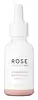
This brightening serum is formulated around Niacinamide and Tetrahexyldecyl Ascorbate to brighten dull-looking skin and refine skin texture.
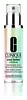
This brightening serum is formulated around Ascorbyl Glucoside and Salicylic Acid to fade the look of dark spots and brighten dull-looking skin.

What's inside
What's inside
 Key Ingredients
Benefits
Concerns
Ingredients Side-by-side
Water
Skin ConditioningButylene Glycol
Humectant

Glycerin
Humectant
Carbomer
Emulsion StabilisingPolysorbate 20
Emulsifying

Palmitoyl Tripeptide-1
Skin Conditioning


Palmitoyl Tetrapeptide-7
Skin Conditioning
Niacinamide
Smoothing







Tetrahexyldecyl Ascorbate
Antioxidant

Diheptyl Succinate
EmollientCapryloyl Glycerin/Sebacic Acid Copolymer
Skin ConditioningHydroxyethyl Acrylate/Sodium Acryloyldimethyl Taurate Copolymer
Emulsion StabilisingSodium Acrylate/Sodium Acryloyldimethyl Taurate Copolymer
Emulsion StabilisingPhenoxyethanol
Preservative
Ethylhexylglycerin
Skin ConditioningSodium Hyaluronate
Humectant
Xanthan Gum
EmulsifyingVaccinium Myrtillus Fruit Extract
Skin ConditioningSaccharum Officinarum Extract
MoisturisingAcer Saccharum Extract
Skin ConditioningCitrus Aurantium Dulcis Fruit Extract
MaskingCitrus Limon Fruit Extract
Masking
Lactic Acid
Buffering

Glycolic Acid
Buffering
Citric Acid
Buffering
Malic Acid
Buffering
Tartaric Acid
Buffering
Tocopheryl Acetate
Antioxidant
Tetrasodium Glutamate Diacetate
ChelatingWater, Butylene Glycol, Glycerin, Carbomer, Polysorbate 20, Palmitoyl Tripeptide-1, Palmitoyl Tetrapeptide-7, Niacinamide, Tetrahexyldecyl Ascorbate, Diheptyl Succinate, Capryloyl Glycerin/Sebacic Acid Copolymer, Hydroxyethyl Acrylate/Sodium Acryloyldimethyl Taurate Copolymer, Sodium Acrylate/Sodium Acryloyldimethyl Taurate Copolymer, Phenoxyethanol, Ethylhexylglycerin, Sodium Hyaluronate, Xanthan Gum, Vaccinium Myrtillus Fruit Extract, Saccharum Officinarum Extract, Acer Saccharum Extract, Citrus Aurantium Dulcis Fruit Extract, Citrus Limon Fruit Extract, Lactic Acid, Glycolic Acid, Citric Acid, Malic Acid, Tartaric Acid, Tocopheryl Acetate, Tetrasodium Glutamate Diacetate
Water
Skin ConditioningCyclopentasiloxane
Emollient
Dimethicone
Emollient
Polysilicone-11
Isododecane
EmollientButylene Glycol
Humectant
Ascorbyl Glucoside
Antioxidant
PEG-10 Dimethicone
Skin Conditioning
PEG-6
HumectantMorus Bombycis Root Extract
Skin ConditioningScutellaria Baicalensis Root Extract
Astringent
Camellia Sinensis Leaf Extract
Antimicrobial
Cucumis Sativus Fruit Extract
Emollient
Saccharomyces Lysate Extract
Humectant
Hordeum Vulgare Extract
EmollientSalicylic Acid
Masking

Triticum Vulgare Germ Extract
Skin ConditioningCholesterol
Emollient
Oryza Sativa Bran Extract
Skin Conditioning
Squalane
Emollient
Acetyl Glucosamine
Skin Conditioning
Sodium Hyaluronate
Humectant
Caffeine
Skin Conditioning
Isohexadecane
EmollientBetula Alba Bark Extract
Masking
Trametes Versicolor Extract
Sodium Rna
Skin ConditioningGlycyrrhetinic Acid
Skin Conditioning
Dimethoxytolyl Propylresorcinol
Antioxidant
Di-C12-18 Alkyl Dimonium Chloride
Skin ConditioningHelianthus Annuus Seedcake
Abrasive
Faex Extract
Skin ConditioningCaprylyl Glycol
Emollient
Propylene Glycol Dicaprate
EmollientAmmonium Acryloyldimethyltaurate/Vp Copolymer
Acrylamide/Sodium Acryloyldimethyltaurate Copolymer
Emulsion StabilisingPolysorbate 20
Emulsifying
Tocopheryl Acetate
Antioxidant
Polysorbate 80
Emulsifying
Tromethamine
BufferingSodium Hydroxide
BufferingHexylene Glycol
EmulsifyingDisodium EDTA
ChelatingSodium Benzoate
Masking
Sodium Metabisulfite
Antioxidant
Sodium Sulfite
Preservative
Phenoxyethanol
Preservative
CI 15985
Cosmetic ColorantCI 19140
Cosmetic ColorantWater, Cyclopentasiloxane, Dimethicone, Polysilicone-11, Isododecane, Butylene Glycol, Ascorbyl Glucoside, PEG-10 Dimethicone, PEG-6, Morus Bombycis Root Extract, Scutellaria Baicalensis Root Extract, Camellia Sinensis Leaf Extract, Cucumis Sativus Fruit Extract, Saccharomyces Lysate Extract, Hordeum Vulgare Extract, Salicylic Acid, Triticum Vulgare Germ Extract, Cholesterol, Oryza Sativa Bran Extract, Squalane, Acetyl Glucosamine, Sodium Hyaluronate, Caffeine, Isohexadecane, Betula Alba Bark Extract, Trametes Versicolor Extract, Sodium Rna, Glycyrrhetinic Acid, Dimethoxytolyl Propylresorcinol, Di-C12-18 Alkyl Dimonium Chloride, Helianthus Annuus Seedcake, Faex Extract, Caprylyl Glycol, Propylene Glycol Dicaprate, Ammonium Acryloyldimethyltaurate/Vp Copolymer, Acrylamide/Sodium Acryloyldimethyltaurate Copolymer, Polysorbate 20, Tocopheryl Acetate, Polysorbate 80, Tromethamine, Sodium Hydroxide, Hexylene Glycol, Disodium EDTA, Sodium Benzoate, Sodium Metabisulfite, Sodium Sulfite, Phenoxyethanol, CI 15985, CI 19140
Reviews
Ingredients Explained
These ingredients are found in both products.
Ingredients higher up in an ingredient list are typically present in a larger amount.
Butylene Glycol (or BG) is used within cosmetic products for a few different reasons:
Overall, Butylene Glycol is a safe and well-rounded ingredient that works well with other ingredients.
Though this ingredient works well with most skin types, some people with sensitive skin may experience a reaction such as allergic rashes, closed comedones, or itchiness.
Learn more about Butylene GlycolPhenoxyethanol is one of the most widely used preservatives in skincare (and for good reason!).
It has a large spectrum of antimicrobial activity and especially effective bacteria, yeast, and mold while only having a weak effect on your skin's natural microbiome.
On a cellular level, it disrupts the cell membranes of microbes by poking holes that make the cell leak. This shuts down the chemical reactions the microbe needs to make energy so it can no longer survive.
Another perk of this ingredient is that it stays functional across a wide pH range (3-10).
You'll often see it paired with boosters like Ethylhexylglycerin; one study showed that a 1:9 ratio of Ethylhexylglycerin to Phenoxyethanol damages bacterial membranes as effectively as doubling the Phenoxyethanol concentration on its own.
Typical use concentrations range from 0.3-1% depending on the formula, and this ingredient is capped at 1% int the EU.
Safety-wise, the fear mongering does not hold up to the evidence. The EU's Scientific Committee on Consumer Safety and FDA consider it safe as a preservative at up to 1%, including for children of all ages.
Adverse systemic effects only showed up in animal studies at exposures roughly 200x higher than what people get from cosmetics. And despite its very widespread use, this ingredient is a rare sensitizer and allergic reactions are uncommon.
Learn more about PhenoxyethanolPolysorbate 20 is a gentle, water-soluble emulsifier and mild surfactant. It stops oil and water from separating to keep your formulas blended and stable.
It also acts as a mild penetration enhancer by helping active ingredients absorb slightly better.
The common safety discussion around this ingredient involves a manufacturing byproduct called 1,4-dioxane.
Trace amounts can form during production but the EU's Scientific Committee on Consumer Safety has concluded that levels at/below 10 ppm in finished products are safe (commercial products consistently fall within acceptable margins).
True allergic reactions are uncommon and the CIR Expert Panel has confirmed this ingredient to be safe as used in cosmetics.
Because it is derived from lauric acid, it may not be fungal acne safe.
Learn more about Polysorbate 20Sodium Hyaluronate is the salt form of hyaluronic acid. It is a long sugar chain that is naturally found in your skin, joints, and connective tissue that maintains hydration and elasticity.
In skincare, it works as a humectant. It pulls water from the environment and deeper layers of skin and binds it to the surface.
Interestingly, the size of the molecule affects its behavior:
Some clinical evidence links low molecular weight versions to improved wrinkle depth, elasticity, anti-inflammatory effects, and barrier repair.
Many serums use a blend of both weights so you can get surface hydration plus longer-lasting and deeper effects.
You'll typically see concentrations between 0.1-2% for this ingredient.
Learn more about Sodium HyaluronateTocopheryl Acetate is a stable, shelf-friendly form of vitamin E.
Formulators love it because plain vitamin E oxidizes quickly once it hits air. This acetate version stays stable and resists going off, helping to extend a product's shelf life.
It's actually inactive on its own and works like a slow-release "storage" form; the enzymes in your skin called esterases gradually convert it into active vitamin E over time.
One in vivo study showed 5% of the acetate in the living layer of the epidermis converted to vitamin E after 5 days of application. This study also found the skin gained protection against UV damage even though the conversion was slow and small.
Once converted, vitamin E acts as a skin's main fat-soluble antioxidant that fights free radicals to protect skin from damage.
Topical vitamin E generally boosts the skin's photoprotection, and it reduced UV-damage in animal models.
This ingredient has some brightening potential but it's more of a prevention ingredient than spot-fader. Cell studies show it can slow down melanin production but it's worth noting that it's not the most powerful brightener out there.
Overall, it has a pretty solid safety profile and has been found to be non-irritating and non-comedogenic. Allergic reactions may happen but stay rare due to how widely the ingredient gets used.
The concentration will vary depending on the formula; industry data shows 0.1% in baby lotions, 3% in lipsticks, and 5% in foot powders. You can also find this ingredient at 100% in a pure vitamin E oil.
Most leave-on skincare keeps it at the lower end, often between 0.5-1%.
Learn more about Tocopheryl AcetateWater. It's the most common cosmetic ingredient of all. You'll usually see it at the top of ingredient lists, meaning that it makes up the largest part of the product.
So why is it so popular? Water most often acts as a solvent - this means that it helps dissolve other ingredients into the formulation.
You'll also recognize water as that liquid we all need to stay alive. If you see this, drink a glass of water. Remember to stay hydrated!
Learn more about Water

