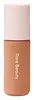
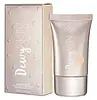
Rare Beauty Positive Light Tinted Moisturizer Broad Spectrum SPF 20 Sunscreen Versus Ciaté London Dewy Skin Glass Glow Skin Tint


What's inside
What's inside
 Key Ingredients
Benefits
Concerns
Ingredients Side-by-side
Homosalate 9%
Skin Conditioning

Titanium Dioxide 1.8%
Cosmetic Colorant
Zinc Oxide 0.9%
Cosmetic Colorant
Water
Skin ConditioningDimethicone
Emollient

Talc
Abrasive
C12-15 Alkyl Benzoate
AntimicrobialIsododecane
EmollientCetyl PEG/PPG-10/1 Dimethicone
Emulsifying
Isopentyldiol
Humectant
Sorbitol
Humectant
Tocopheryl Acetate
Antioxidant


Phenoxyethanol
Preservative
Sodium Chloride
MaskingDimethicone/Vinyl Dimethicone Crosspolymer
Skin Conditioning
Magnesium Sulfate
Sodium Dehydroacetate
Preservative
Hydrogen Dimethicone
Potassium Sorbate
Preservative
Disteardimonium Hectorite
StabilisingLecithin
Emollient
Benzoic Acid
Masking
Aluminum Hydroxide
EmollientAlumina
Abrasive
Dehydroacetic Acid
Preservative
Propylene Carbonate
SolventHelianthus Annuus Seed Oil
Emollient


Triethoxycaprylylsilane
Tocopherol
Antioxidant


Ethylhexylglycerin
Skin ConditioningAscorbyl Palmitate
Antioxidant
Citric Acid
Buffering
Gardenia Florida Fruit Extract
Skin ConditioningNelumbo Nucifera Flower Extract
Skin ConditioningNymphaea Odorata Root Extract
RefreshingCI 77891
Cosmetic ColorantIron Oxides
Homosalate 9%, Titanium Dioxide 1.8%, Zinc Oxide 0.9%, Water, Dimethicone, Talc, C12-15 Alkyl Benzoate, Isododecane, Cetyl PEG/PPG-10/1 Dimethicone, Isopentyldiol, Sorbitol, Tocopheryl Acetate, Phenoxyethanol, Sodium Chloride, Dimethicone/Vinyl Dimethicone Crosspolymer, Magnesium Sulfate, Sodium Dehydroacetate, Hydrogen Dimethicone, Potassium Sorbate, Disteardimonium Hectorite, Lecithin, Benzoic Acid, Aluminum Hydroxide, Alumina, Dehydroacetic Acid, Propylene Carbonate, Helianthus Annuus Seed Oil, Triethoxycaprylylsilane, Tocopherol, Ethylhexylglycerin, Ascorbyl Palmitate, Citric Acid, Gardenia Florida Fruit Extract, Nelumbo Nucifera Flower Extract, Nymphaea Odorata Root Extract, CI 77891, Iron Oxides
Water
Skin ConditioningCyclohexasiloxane
Emollient
Phenyl Trimethicone
Skin Conditioning
Cetyl PEG/PPG-10/1 Dimethicone
Emulsifying
Cetearyl Ethylhexanoate
Emollient
Trimethylsiloxysilicate
Emollient
PEG-4
HumectantPolypropylsilsesquioxane
Ethylhexyl Polyhydroxystearate
EmollientDisteardimonium Hectorite
StabilisingSynthetic Fluorphlogopite
Alcohol Denat.
Antimicrobial


Dimethicone
Emollient
Phenoxyethanol
Preservative
Sodium Chloride
MaskingBenzyl Alcohol
Perfuming


Sodium Dehydroacetate
Preservative
Magnesium Aluminum Silicate
Absorbent
Talc
Abrasive
Silica Dimethyl Silylate
EmollientMethicone
Emollient
Tocopheryl Acetate
Antioxidant
Silica
Abrasive
Parfum
Masking
Lauroyl Lysine
Skin Conditioning
Sodium Phytate
ChelatingSodium Hyaluronate
Humectant
Triethoxycaprylylsilane
Ascorbyl Palmitate
Antioxidant
Glycerin
Humectant
Alcohol
Antimicrobial
Hylocereus Undatus Fruit Juice
Skin ConditioningCitrus Junos Fruit Extract
Skin ConditioningLactic Acid
Buffering
Pentaerythrityl Tetra-Di-T-Butyl Hydroxyhydrocinnamate
Antioxidant
Citric Acid
Buffering
Maltodextrin
Absorbent
Sodium Benzoate
Masking
Potassium Sorbate
Preservative
Ascorbic Acid
Antioxidant
Citronellol
Perfuming
CI 77891
Cosmetic ColorantCI 77491
Cosmetic ColorantCI 77492
Cosmetic ColorantCI 77499
Cosmetic ColorantWater, Cyclohexasiloxane, Phenyl Trimethicone, Cetyl PEG/PPG-10/1 Dimethicone, Cetearyl Ethylhexanoate, Trimethylsiloxysilicate, PEG-4, Polypropylsilsesquioxane, Ethylhexyl Polyhydroxystearate, Disteardimonium Hectorite, Synthetic Fluorphlogopite, Alcohol Denat., Dimethicone, Phenoxyethanol, Sodium Chloride, Benzyl Alcohol, Sodium Dehydroacetate, Magnesium Aluminum Silicate, Talc, Silica Dimethyl Silylate, Methicone, Tocopheryl Acetate, Silica, Parfum, Lauroyl Lysine, Sodium Phytate, Sodium Hyaluronate, Triethoxycaprylylsilane, Ascorbyl Palmitate, Glycerin, Alcohol, Hylocereus Undatus Fruit Juice, Citrus Junos Fruit Extract, Lactic Acid, Pentaerythrityl Tetra-Di-T-Butyl Hydroxyhydrocinnamate, Citric Acid, Maltodextrin, Sodium Benzoate, Potassium Sorbate, Ascorbic Acid, Citronellol, CI 77891, CI 77491, CI 77492, CI 77499
Reviews
Ingredients Explained
These ingredients are found in both products.
Ingredients higher up in an ingredient list are typically present in a larger amount.
Ascorbyl Palmitate is a fat-soluble form of vitamin C (Ascorbic Acid) made by combining it with palmitic acid.
It is able to blend easily into creams and oil-based formulas because it dissolves in oils rather than water.
As you may know, regular vitamin C is notorious for breaking down when exposed to sunlight and air. Ascorbyl Palmitate is more stable and degrades at a slower rate.
Research on whether it converts efficiently into active vitamin C once it's applied on your skin is still limited.
Some in-vitro studies suggest it may support collagen production, but it is not considered one of the stronger vitamin C derivatives, like:
Due to the palmitic acid base, this ingredient may not be fungal acne safe. Comedogenic studies have also shown this ingredient to have a rating of 2.
It's also worth keeping in mind that comedogenic and irritancy ratings are tested on individual ingredients, not finished formulas. The final product's formulation, concentration, and other ingredients all play a role in how something actually behaves on your skin.
Learn more about Ascorbyl PalmitateThis ingredient is a silicone-based emulsifer that helps the water and oil phases play nicely together.
It's pretty effective because one end of the molecule loves oil and the other one loves water.
Besides holding formulas together, it also leaves a silky and lightweight feel on skin without the greasiness. A manufacturer also claims it can help with the controlled release of active ingredients.
The CIR Expert Panel found this ingredient to not be sensitizing in concentrations up to 15% in human maximazation testing and dimethicone-based compounds were not comedogenic.
It has a high molecular weight well above 1,000 g/mol which means it limits meaningful skin penetration.
A 2019 study specifically tested this ingredient and found no observable Malassezia growth in its presence.
Learn more about Cetyl PEG/PPG-10/1 DimethiconeCi 77891 is a white pigment from Titanium dioxide. It is naturally found in minerals such as rutile and ilmenite.
It's main function is to add a white color to cosmetics. It can also be mixed with other colors to create different shades.
Ci 77891 is commonly found in sunscreens due to its ability to block UV rays.
Learn more about CI 77891Citric Acid is an alpha hydroxy acid (AHA) naturally found in citrus fruits like oranges, lemons, and limes.
Like other AHAs, citric acid can exfoliate skin by breaking down the bonds that hold dead skin cells together. This helps reveal smoother and brighter skin underneath.
However, this exfoliating effect only happens at high concentrations (20%) which can be hard to find in cosmetic products.
Due to this, citric acid is usually included in small amounts as a pH adjuster. This helps keep products slightly more acidic and compatible with skin's natural pH.
In skincare formulas, citric acid can:
While it can provide some skin benefits, research shows lactic acid and glycolic acid are generally more effective and less irritating exfoliants.
Most citric acid used in skincare today is made by fermenting sugars (usually from molasses). This synthetic version is identical to the natural citrus form but easier to stabilize and use in formulations.
Rosacea skin has a lower threshold for acids generally, with 62.5% of rosacea subjects in one study reacting to lactic acid in a sting test. This is why we mark citric acid as a potential rosacea trigger.
However, this ingredient shows up as a pH adjuster or chelator at roughly 0.1-1% in many products. These low levels are unlikely to be an issue for rosacea skin and becomes a potential trigger at exfoliating concentrations (20%). Because everybody's skin is unique, we recommend a patch test if you are unsure.
Learn more about Citric AcidDimethicone is a type of synthetic silicone created from natural materials such as quartz. It is also known as polydimethylsiloxane.
What it does:
Dimethicone comes in different viscosities:
Depending on the viscosity, dimethicone has different properties.
Ingredients lists don't always show which type is used, so we recommend reaching out to the brand if you have questions about the viscosity.
This ingredient is unlikely to cause irritation because it does not get absorbed into skin. However, people with silicone allergies should be careful about using this ingredient.
Note: Dimethicone may contribute to pilling. This is because it is not oil or water soluble, so pilling may occur when layered with products. When mixed with heavy oils in a formula, the outcome is also quite greasy.
Learn more about DimethiconeDisteardimonium Hectorite comes from the clay mineral named hectorite. It is used to add thickness to a product.
It can also help stabilize a product by helping to disperse other ingredients.
Hectorite is a rare, white clay mineral.
Learn more about Disteardimonium HectoritePhenoxyethanol is one of the most widely used preservatives in skincare (and for good reason!).
It has a large spectrum of antimicrobial activity and especially effective bacteria, yeast, and mold while only having a weak effect on your skin's natural microbiome.
On a cellular level, it disrupts the cell membranes of microbes by poking holes that make the cell leak. This shuts down the chemical reactions the microbe needs to make energy so it can no longer survive.
Another perk of this ingredient is that it stays functional across a wide pH range (3-10).
You'll often see it paired with boosters like Ethylhexylglycerin; one study showed that a 1:9 ratio of Ethylhexylglycerin to Phenoxyethanol damages bacterial membranes as effectively as doubling the Phenoxyethanol concentration on its own.
Typical use concentrations range from 0.3-1% depending on the formula, and this ingredient is capped at 1% int the EU.
Safety-wise, the fear mongering does not hold up to the evidence. The EU's Scientific Committee on Consumer Safety and FDA consider it safe as a preservative at up to 1%, including for children of all ages.
Adverse systemic effects only showed up in animal studies at exposures roughly 200x higher than what people get from cosmetics. And despite its very widespread use, this ingredient is a rare sensitizer and allergic reactions are uncommon.
Learn more about PhenoxyethanolPotassium Sorbate is a preservative used to prevent yeast and mold in products. It is commonly found in both cosmetic and food products.
This ingredient comes from potassium salt derived from sorbic acid. Sorbic acid is a natural antibiotic and effective against fungus.
Both potassium sorbate and sorbic acid can be found in baked goods, cheeses, dried meats, dried fruit, ice cream, pickles, wine, yogurt, and more.
You'll often find this ingredient used with other preservatives.
Learn more about Potassium SorbateChances are, you eat sodium chloride every day. Sodium Chloride is also known as table salt. This ingredient has many purposes in skincare: thickener, emulsifier, and exfoliator.
You'll most likely find this ingredient in cleansers where it is used to create a gel-like texture. As an emulsifier, it also prevents ingredients from separating.
You might see people debate whether Sodium Chloride is comedogenic, but there actually haven't been any comedogenic tests done on it. Either way, the overall formulation of a product matters a lot more than any single ingredient.
You might see this ingredient used in scrubs as a primary exfoliating ingredient.
Learn more about Sodium ChlorideSodium Dehydroacetate is a synthetic preservative and sodium salt form of dehydroacetic acid. It stops bacteria, mold, and yeast from growing in your products at low concentrations.
Clinical testing found it to be non-irritating, non-sensitizing, and non-photosensitizing. It's also not significantly absorbed through skin.
There are a very small number of reported cases of contact dermatitis in cases linked to wound-care creams used over compromised skin (rather than skincare).
Overall, this is a well-studied and low-risk preservative just doing its job.
Typical concentrations run up to 0.6%, which is also the maximum amount permitted under both EU CosIng regulations and US FDA guidelines.
Learn more about Sodium DehydroacetateTalc is a clay mineral. It helps absorb moisture and improve the texture of products. Like other types of clay, Talc can have a slight exfoliating effect on skin. Talc can be added to increase the volume of products.
Some Baby powders are made by combining talc with corn starch. The word "talc" comes from Latin and originates from Arabic. Talc is a mineral commonly found throughout the world.
If you have any concerns about using talc, we recommend checking out the FDA's official page.
Learn more about TalcTocopheryl Acetate is a stable, shelf-friendly form of vitamin E.
Formulators love it because plain vitamin E oxidizes quickly once it hits air. This acetate version stays stable and resists going off, helping to extend a product's shelf life.
It's actually inactive on its own and works like a slow-release "storage" form; the enzymes in your skin called esterases gradually convert it into active vitamin E over time.
One in vivo study showed 5% of the acetate in the living layer of the epidermis converted to vitamin E after 5 days of application. This study also found the skin gained protection against UV damage even though the conversion was slow and small.
Once converted, vitamin E acts as a skin's main fat-soluble antioxidant that fights free radicals to protect skin from damage.
Topical vitamin E generally boosts the skin's photoprotection, and it reduced UV-damage in animal models.
This ingredient has some brightening potential but it's more of a prevention ingredient than spot-fader. Cell studies show it can slow down melanin production but it's worth noting that it's not the most powerful brightener out there.
Overall, it has a pretty solid safety profile and has been found to be non-irritating and non-comedogenic. Allergic reactions may happen but stay rare due to how widely the ingredient gets used.
The concentration will vary depending on the formula; industry data shows 0.1% in baby lotions, 3% in lipsticks, and 5% in foot powders. You can also find this ingredient at 100% in a pure vitamin E oil.
Most leave-on skincare keeps it at the lower end, often between 0.5-1%.
Learn more about Tocopheryl AcetateTriethoxycaprylylsilane is a silicon-based surface modifier that makes sunscreens feel silky and makeup stay put.
Its main job is to coat mineral particles like titanium dioxide, zinc oxide, and color pigments in a thin, oily layer so they spread smoothly, don't clump, and stick to skin better.
This ingredient is typically used at low levels (up to 2.5% in eyeshadow and 1% in lipstick).
Learn more about TriethoxycaprylylsilaneWater. It's the most common cosmetic ingredient of all. You'll usually see it at the top of ingredient lists, meaning that it makes up the largest part of the product.
So why is it so popular? Water most often acts as a solvent - this means that it helps dissolve other ingredients into the formulation.
You'll also recognize water as that liquid we all need to stay alive. If you see this, drink a glass of water. Remember to stay hydrated!
Learn more about Water

